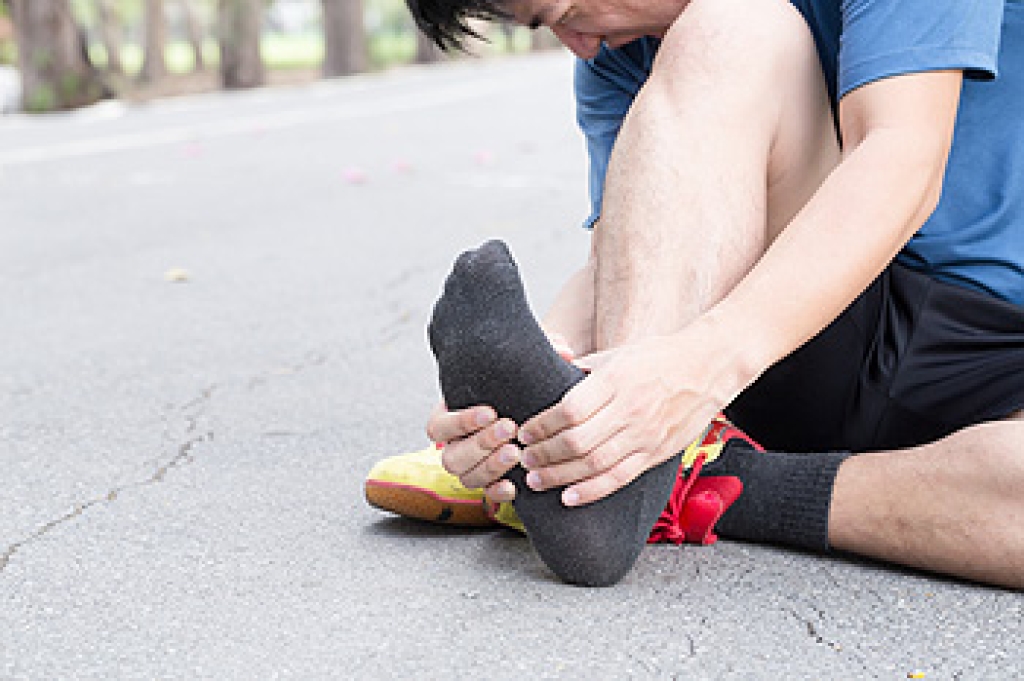
Exercises to Help Plantar Fasciitis

If you have flat feet, or a loss of the instep in your foot, you may experience heel pain that’s referred to as plantar fasciitis. Severe pain in the heel is often the result of inflammation of the ligament that runs along the bottom of the foot, known as the plantar fascia. This can be caused by wearing shoes that fit poorly or from an injury that damages the tissues. The Achilles tendon, which connects the heel to the foot, may also be affected, and it’s beneficial to incorporate stretching exercises into your daily routine. This will enhance the healing process and possibly relieve any discomfort associated with this ailment. There are several effective exercises which can accomplish this when performed daily. Some of these include standing on a step with the heels slightly hanging off and raising and lowering the leg. Additionally, rolling the arch of the foot over a tennis ball or a similar object will aid in helping the plantar fascia to become stronger.

Plantar fasciitis can be very painful and inconvenient. If you are experiencing heel pain or symptoms of plantar fasciitis, contact one of our podiatrists  from Pennsylvania Foot & Ankle. Our doctors can provide the care you need to keep you pain-free and on your feet.

What Is Plantar Fasciitis?

Plantar fasciitis is the inflammation of the thick band of tissue that runs along the bottom of your foot, known as the plantar fascia, and causes mild to severe heel pain.

What Causes Plantar Fasciitis?

  • Excessive running
  • Non-supportive shoes
  • Overpronation
  • Repeated stretching and tearing of the plantar fascia

How Can It Be Treated?

  • Conservative measures – anti-inflammatories, ice packs, stretching exercises, physical therapy, orthotic devices
  • Shockwave therapy – sound waves are sent to the affected area to facilitate healing and are usually used for chronic cases of plantar fasciitis
  • Surgery – usually only used as a last resort when all else fails. The plantar fascia can be surgically detached from the heel

While very treatable, plantar fasciitis is definitely not something that should be ignored. Especially in severe cases, speaking to your doctor right away is highly recommended to avoid complications and severe heel pain. Your podiatrist can work with you to provide the appropriate treatment options tailored to your condition.

If you have any questions, please feel free to contact one of our offices located in Bensalem, Philadelphia, Northeast Philadelphia, Yardley, PA, and Hamilton, NJ . We offer the newest diagnostic and treatment technologies for all your foot care needs.

Read more about Plantar Fasciitis

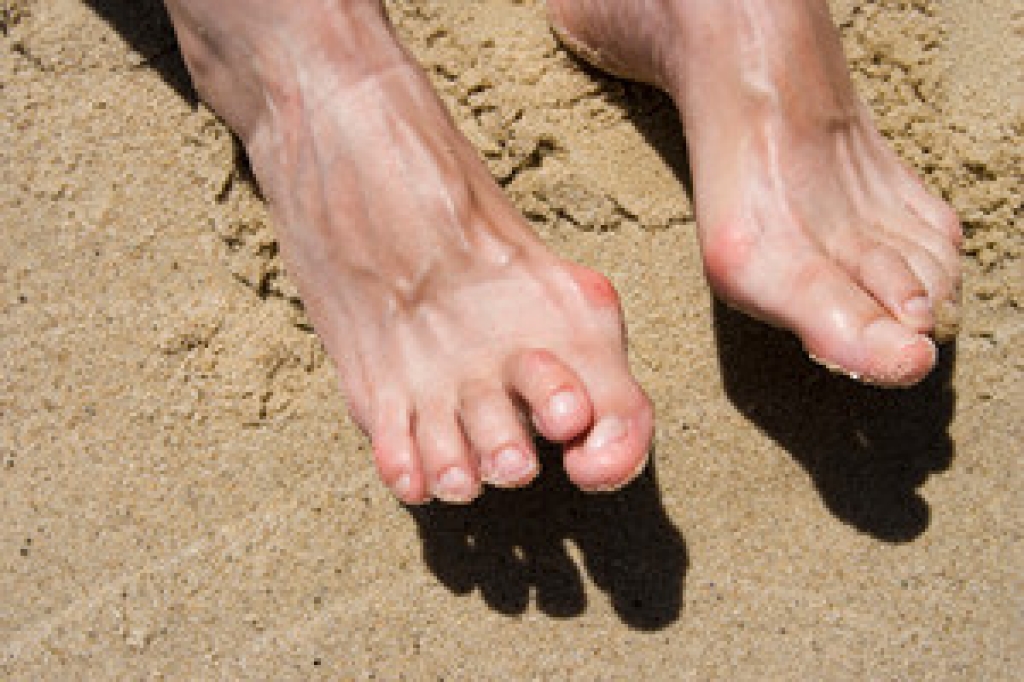
Causes of Hammertoe

Hammertoe is a foot condition which affects the toes, causing the joints to become deformed. Choosing to wear shoes that fit tightly is often the cause of this condition, resulting in the toes bending into a forced, abnormal position. The shoes will rub on the toe which causes friction, and corns and calluses will most likely develop. Additionally, medical conditions that presently exist, such as diabetes and arthritis, may contribute to the development of hammertoes. There are treatment options available, including splints to realign the toe and orthotics specifically designed to accommodate the affected toe. A consultation with a podiatrist is advised to learn about choosing proper footwear and advice on how to treat hammertoe.

Hammertoe

Hammertoes can be a painful condition to live with. For more information, contact one of our podiatrists from Pennsylvania Foot & Ankle. Our doctors will answer any of your foot- and ankle-related questions.

Hammertoe is a foot deformity that affects the joints of the second, third, fourth, or fifth toes of your feet. It is a painful foot condition in which these toes curl and arch up, which can often lead to pain when wearing footwear.

Symptoms

  • Pain in the affected toes
  • Development of corns or calluses due to friction
  • Inflammation
  • Redness
  • Contracture of the toes

Causes

Genetics – People who are genetically predisposed to hammertoe are often more susceptible

Arthritis – Because arthritis affects the joints in your toes, further deformities stemming from arthritis can occur

Trauma – Direct trauma to the toes could potentially lead to hammertoe

Ill-fitting shoes – Undue pressure on the front of the toes from ill-fitting shoes can potentially lead to the development of hammertoe

Treatment

Orthotics – Custom made inserts can be used to help relieve pressure placed on the toes and therefore relieve some of the pain associated with it

Medications – Oral medications such as anti-inflammatories or NSAIDs could be used to treat the pain and inflammation hammertoes causes. Injections of corticosteroids are also sometimes used

Surgery – In more severe cases where the hammertoes have become more rigid, foot surgery is a potential option

If you have any questions, please feel free to contact one of our offices located in Bensalem, Philadelphia, Northeast Philadelphia, Yardley, PA, and Hamilton, NJ . We offer the newest diagnostic and treatment technologies for all your foot care needs.
Read more about What Are Hammertoes?

It's Time for Beautiful Feet

You don't need an excuse to have beautiful nails. Step outside without worrying about the appearance of your feet.

Causes and Treatment of Cracked Heels

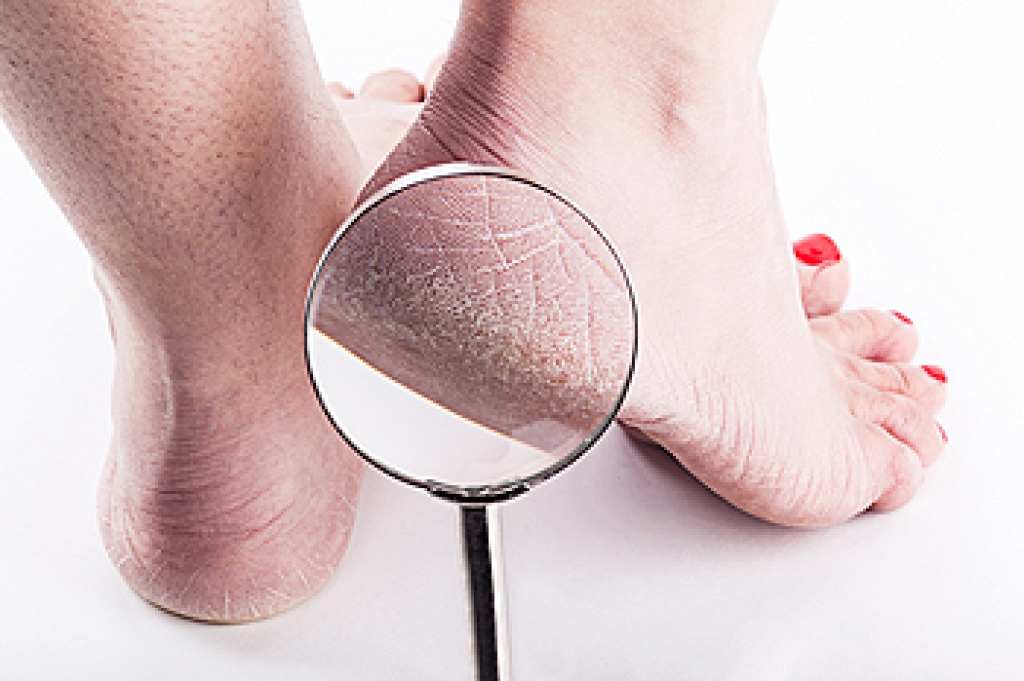
If severe dryness is experienced on the heels of the foot, it may lead to a condition referred to as cracked heels. Calluses will form to protect the skin, and may often split open, possibly leading to a painful infection. Poorly fitting shoes, shoes with exposed backs, obesity, and eczema are among the many reasons for cracked heels to develop. If daily activities include standing for long periods of time, further damage may occur because of the constant pressure the heels must endure. Applying a moisturizer daily will not only feel good, but will help to eliminate the dryness associated with cracked heels. A consultation with a podiatrist is advised to discuss the removal of calluses from severely cracked heels.

Cracked heels are unsightly and can cause further damage to your shoes and feet. If you have any concerns, contact one of our podiatrists from Pennsylvania Foot & Ankle. Our doctors can provide the care you need to keep you pain-free and on your feet.

Cracked Heels

Cracked heels appear unappealing and can make it harder for you walk around in sandals. Aside from looking unpleasant, cracked heels can also tear stockings, socks, and wear out your shoes. There are several methods to help restore a cracked heel and prevent further damage.

How Do You Get Them?

Dry skin is the number one culprit in creating cracked heels. Many athletes, walkers, joggers, and even swimmers suffer from cracked heels. Age and skin oil production play a role to getting cracked heels as well.

Promote Healing

Over the counter medicines can help, especially for those that need instant relief or who suffer from chronic dry feet.

Wear Socks – Wearing socks with medicated creams helps lock in moisture.

Moisturizers – Applying both day and night will help alleviate dryness which causes cracking.

Pumice Stones – These exfoliate and remove dead skin, which allows for smoother moisturizer application and better absorption into the skin. 

Change in Diet

Eating healthy with a well-balanced diet will give the skin a fresh and radiant look. Your body responds to the kinds of food you ingest. Omega-3 fatty acids and zinc supplements can also revitalize skin tissue.

Most importantly, seek professional help if unsure how to proceed in treating cracked heels. A podiatrist will help you with any questions or information needed. 

If you have any questions, please feel free to contact one of our offices located in Bensalem, Philadelphia, Northeast Philadelphia, Yardley, PA, and Hamilton, NJ . We offer the newest diagnostic and treatment technologies for all your foot care needs.

Read more about Solutions for Cracked Heels

Walking or Running Shoes: How to Choose

Many people are unaware of the differences between walking and running shoes. Both types of shoes have different features that are meant to support the foot. Walking shoes tend to be firmer, and they may not be as flexible as shoes that are made for running. This enables the walker to have additional stability that’s needed for proper posture. The walker benefits from shoes that are lighter because the feet are properly supported. Recent research has suggested that adequate cushioning is necessary for comfort and support, however an excess of this may make the shoe too heavy for walking. When choosing shoes that are made for running, it’s important to take the running technique into account. If the impact is felt on the balls of the feet, a slightly higher heel will be beneficial for proper support. For runners whose midfoot meets with the ground, lower heels will be more favorable for achieving maximum comfort and stability.

For more information about walking shoes versus running shoes, consult with one of our podiatrists from Pennsylvania Foot & Ankle. Our doctors can measure your feet to determine what your needs are and help you find an appropriate pair of footwear.

Foot Health: The Differences between Walking & Running Shoes

There are great ways to stay in shape: running and walking are two great exercises to a healthy lifestyle. It is important to know that running shoes and walking shoes are not interchangeable. There is a key difference on how the feet hit the ground when someone is running or walking. This is why one should be aware that a shoe is designed differently for each activity.

You may be asking yourself what the real differences are between walking and running shoes and the answers may shock you.

Differences

Walking doesn’t involve as much stress or impact on the feet as running does. However, this doesn’t mean that you should be any less prepared. When you’re walking, you land on your heels and have your foot roll forward. This rolling motion requires additional support to the feet.

Flexibility – Walking shoes are designed to have soft, flexible soles. This allows the walker to push off easily with each step.

If you have any questions, please feel free to contact one of our offices located in Bensalem, Philadelphia, Northeast Philadelphia, Yardley, PA, and Hamilton, NJ . We offer the newest diagnostic and treatment technologies for all your foot care needs.

Read more about Differences between Walking and Running Shoes

Connect With Us