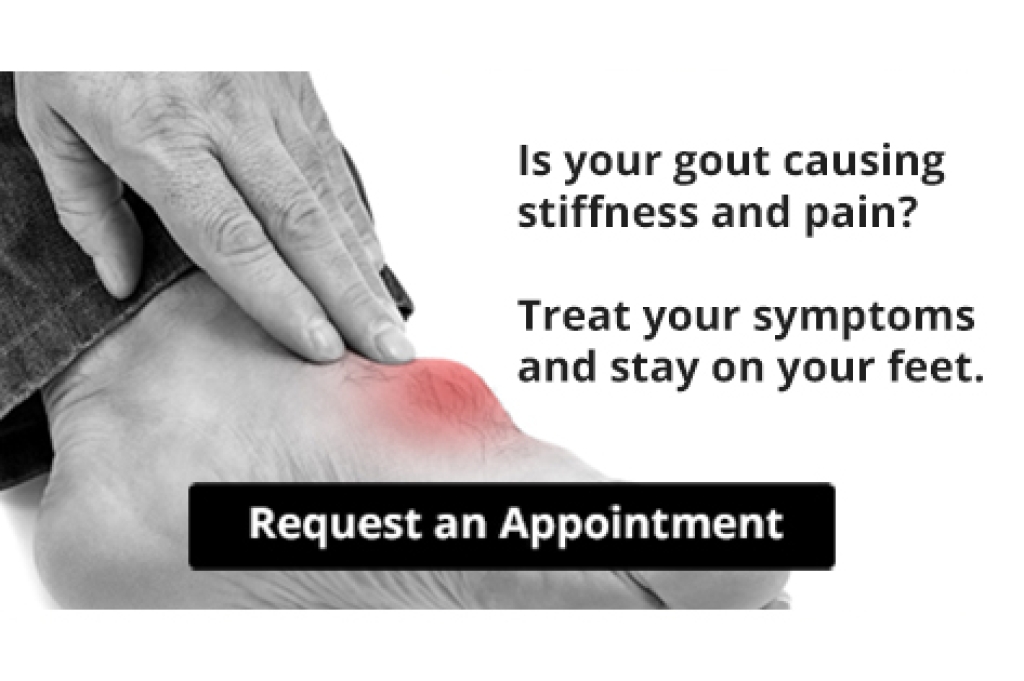
Gout is a painful, inflammatory form of arthritis. Those affected will typically feel an intense stiffness in the joints of their feet, particularly in the big toe. Schedule a visit to learn about how gout can be managed and treated.
Gout is a painful, inflammatory form of arthritis. Those affected will typically feel an intense stiffness in the joints of their feet, particularly in the big toe. Schedule a visit to learn about how gout can be managed and treated.
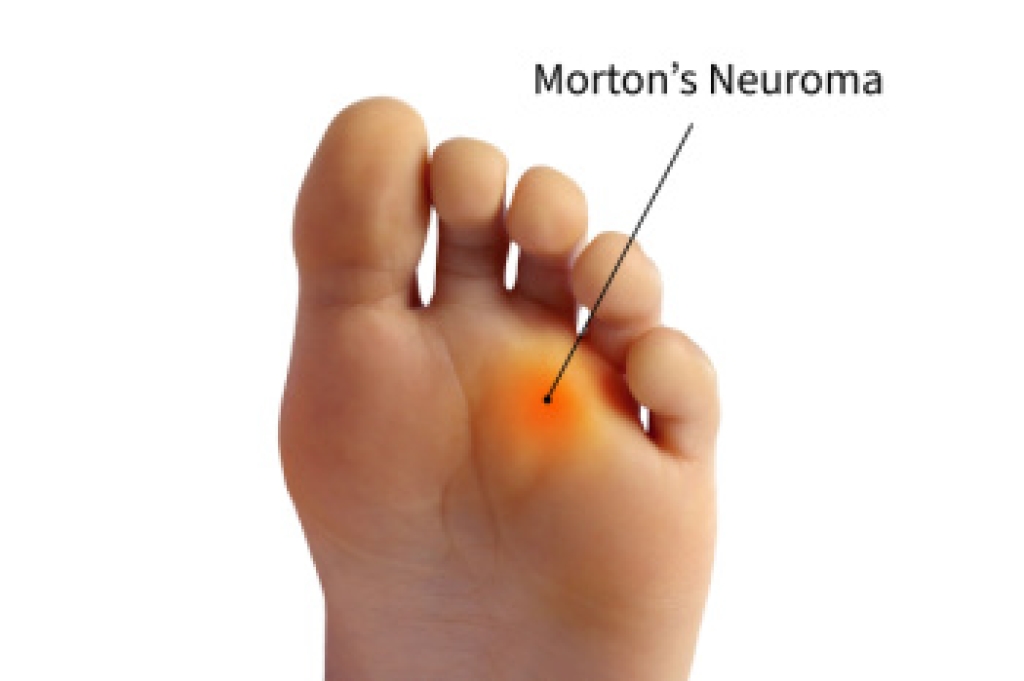
Morton’s neuroma is a painful condition that affects the ball of the foot, typically between the third and fourth toes. It occurs when the tissue surrounding the nerve becomes thickened, often due to irritation or pressure. The symptoms include a sharp, burning pain, a sensation of something being stuck in your shoe, or numbness in the toes. The pain usually worsens with activity or wearing tight shoes, particularly high heels. The primary causes of Morton’s neuroma are repetitive pressure on the feet, such as from tight shoes or high heels, flat feet, or abnormal foot mechanics. A podiatrist can help diagnose Morton’s neuroma through a physical examination and imaging tests. Treatment options include footwear changes, padding, custom orthotics to reduce pressure, and anti-inflammatory medication. In some cases, injections or surgical removal of the affected tissue may be necessary. If you have any of the above symptoms, it is suggested that you schedule an appointment with a podiatrist for proper diagnosis and appropriate care.
Morton’s neuroma is a very uncomfortable condition to live with. If you think you have Morton’s neuroma, contact one of our podiatrists of Pennsylvania Foot & Ankle. Our doctors will attend to all of your foot care needs and answer any of your related questions.
Morton’s Neuroma
Morton's neuroma is a painful foot condition that commonly affects the areas between the second and third or third and fourth toe, although other areas of the foot are also susceptible. Morton’s neuroma is caused by an inflamed nerve in the foot that is being squeezed and aggravated by surrounding bones.
What Increases the Chances of Having Morton’s Neuroma?
Morton’s neuroma is a very treatable condition. Orthotics and shoe inserts can often be used to alleviate the pain on the forefront of the feet. In more severe cases, corticosteroids can also be prescribed. In order to figure out the best treatment for your neuroma, it’s recommended to seek the care of a podiatrist who can diagnose your condition and provide different treatment options.
If you have any questions, please feel free to contact one of our offices located in Bensalem, Philadelphia, Northeast Philadelphia, Yardley, PA, and Hamilton, NJ . We offer the newest diagnostic and treatment technologies for all your foot care needs.
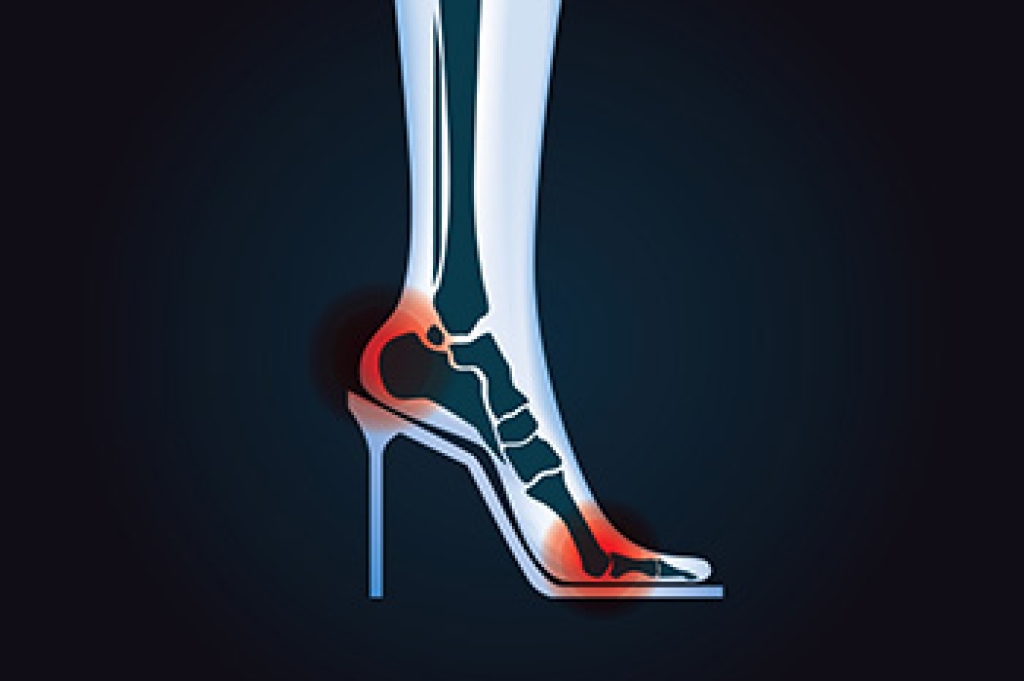
Wearing high heels regularly can significantly alter the natural anatomy of the foot, leading to a variety of long-term issues. High heels force the foot into an unnatural position, with the toes pointed downward and the weight shifted toward the front of the foot. This can place excessive pressure on the toes, leading to conditions such as bunions, hammertoes, and corns. The arch of the foot is also affected, as high heels alter the natural curvature and may lead to muscle imbalances, causing pain in the feet, calves, and lower back. Over time, wearing high heels can shorten the Achilles tendon and weaken the muscles in the feet, making it harder to walk comfortably in flat shoes. Additionally, the instability caused by the elevated heel increases the risk of sprains and other injuries. If you have foot pain from wearing high heels, it is suggested that you consult a podiatrist who can treat various foot conditions, and guide you on what type of high heels are safest to wear.
If you have any concerns about your feet, contact one of our podiatrists from Pennsylvania Foot & Ankle. Our doctors can provide the care you need to keep you pain-free and on your feet.
Biomechanics in Podiatry
Podiatric biomechanics is a particular sector of specialty podiatry with licensed practitioners who are trained to diagnose and treat conditions affecting the foot, ankle and lower leg. Biomechanics deals with the forces that act against the body, causing an interference with the biological structures. It focuses on the movement of the ankle, the foot and the forces that interact with them.
A History of Biomechanics
Modern technological improvements are based on past theories and therapeutic processes that provide a better understanding of podiatric concepts for biomechanics. Computers can provide accurate information about the forces and patterns of the feet and lower legs.
Understanding biomechanics of the feet can help improve and eliminate pain, stopping further stress to the foot.
If you have any questions please feel free to contact one of our offices located in Bensalem, Philadelphia, Northeast Philadelphia, Yardley, PA, and Hamilton, NJ . We offer the newest diagnostic and treatment technologies for all your foot and ankle needs.
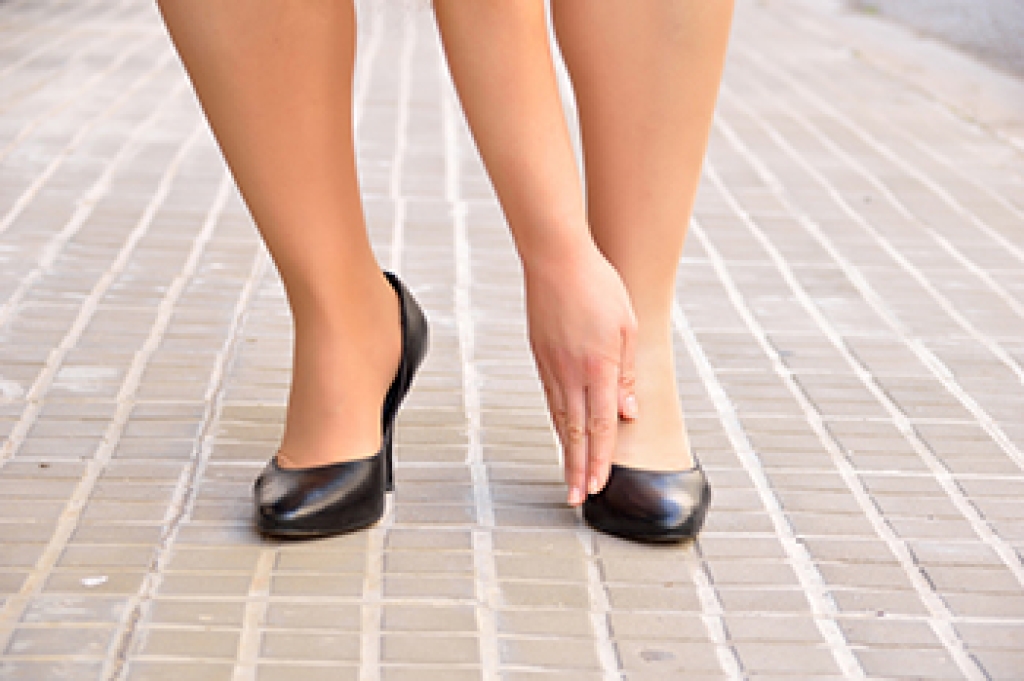
The toe box of a shoe plays a significant role in foot health by determining how much space the toes have to move naturally. When a shoe's toe box is too narrow or short, it can lead to various foot problems, including blisters, corns, calluses, and ingrown toenails. Over time, shoes with a tight toe box may contribute to misaligned toes, inflamed nerves, and pain in the ball of the foot. People who frequently experience discomfort in the toes while wearing shoes may have a foot shape that requires a wider or deeper toe box. Shoes with a design that follows the natural contours of the foot can help reduce pressure points and prevent long-term complications like bunions. High heels and narrow dress shoes often force the toes into an unnatural position, increasing the risk of foot pain and deformities. A podiatrist can assess your foot structure, identify any issues related to improper footwear, and recommend shoes that provide better support. If you have foot pain connected to improper footwear, it is suggested that you schedule an appointment with a podiatrist for treatment options.
It is important to find shoes that fit you properly in order to avoid a variety of different foot problems. For more information about treatment, contact one of our podiatrists from Pennsylvania Foot & Ankle. Our doctors will treat your foot and ankle needs.
Proper Shoe Fitting
Shoes have many different functions. They cushion our body weight, protect our feet, and allow us to safely play sports. You should always make sure that the shoes you wear fit you properly in order to avoid injuries and deformities such as: bunions, corns, calluses, hammertoes, plantar fasciitis, stress fractures, and more. It is important to note that although a certain pair of shoes might be a great fit for someone else, that doesn’t mean they will be a great fit for you. This is why you should always try on shoes before buying them to make sure they are worth the investment. Typically, shoes need to be replaced ever six months to one year of regular use.
Tips for Proper Shoe Fitting
The shoes you buy should always feel as good as they look. Shoes that fit properly will last longer, feel better, and improve your way of life each day.
If you have any questions please contact one of our offices located in Bensalem, Philadelphia, Northeast Philadelphia, Yardley, PA, and Hamilton, NJ . We offer the newest diagnostic and treatment technologies for all your foot and ankle needs.
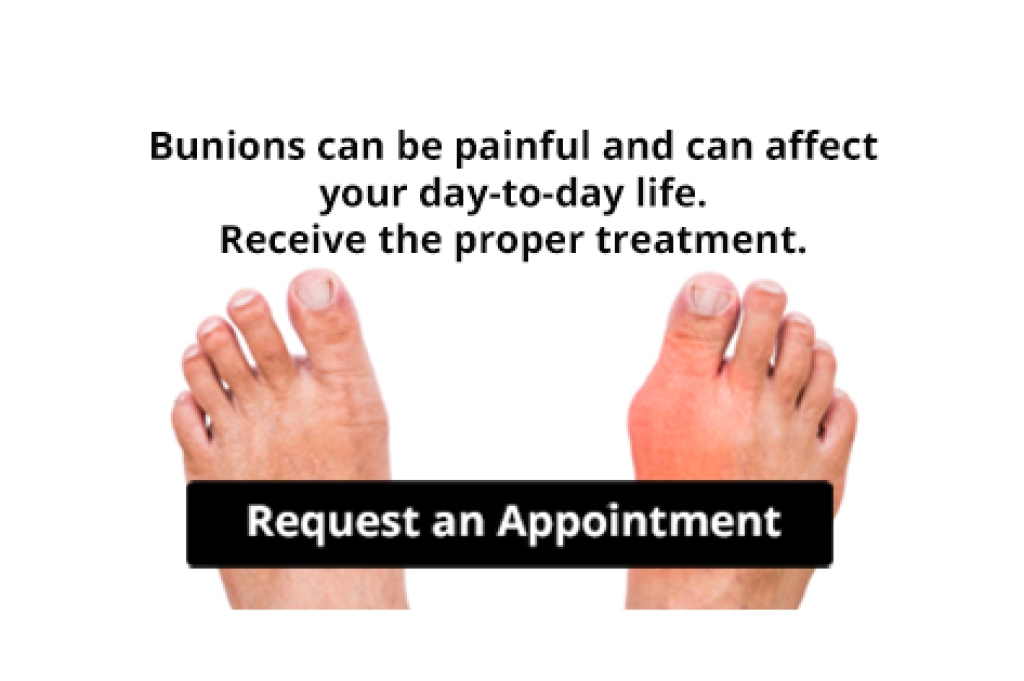
Have you noticed a bony protrusion on the side of your big toe? If so, you may have developed the foot condition known as a bunion. Don't let bunions interfere with your daily activities.
Connect With Us
