
Gout is a painful, inflammatory form of arthritis. Those affected will typically feel an intense stiffness in the joints of their feet, particularly in the big toe. Schedule a visit to learn about how gout can be managed and treated.
Gout is a painful, inflammatory form of arthritis. Those affected will typically feel an intense stiffness in the joints of their feet, particularly in the big toe. Schedule a visit to learn about how gout can be managed and treated.
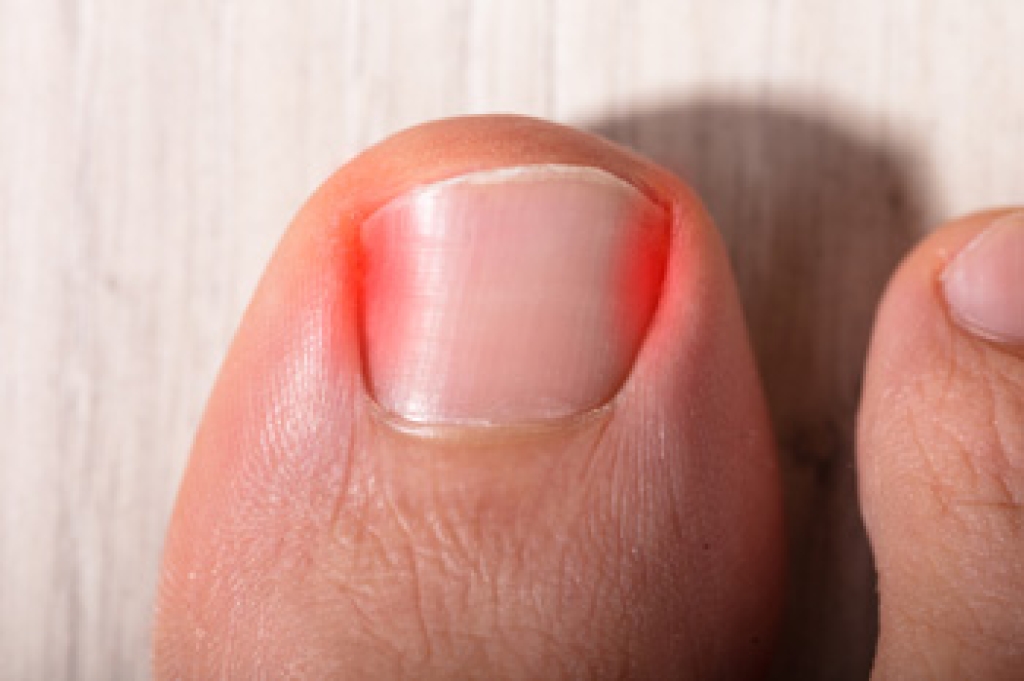
Ingrown toenails occur when the edges of a nail grow into the surrounding skin, causing pain, tenderness, redness, and swelling. The most common causes of ingrown toenails are trimming the nails improperly, wearing shoes that are too tight in the toe area, or having an abnormal gait or toe shape. Some people can also be prone to ingrown toenails due to genetic differences in the shape of their toenails. Mild ingrown toenails often heal with at-home treatments, such as putting cotton between the ingrown toenail and skin fold and wearing roomier or open-toed shoes. In cases where the ingrown toenail is severe or the surrounding area becomes infected, surgery may be needed to remove the ingrown nail. If you have painful ingrown toenails, please seek the care of a podiatrist.
Ingrown toenails can become painful if they are not treated properly. For more information about ingrown toenails, contact one of our podiatrists of Pennsylvania Foot & Ankle. Our doctors can provide the care you need to keep you pain-free and on your feet.
Ingrown Toenails
Ingrown toenails occur when a toenail grows sideways into the bed of the nail, causing pain, swelling, and possibly infection.
Causes
Prevention
Wearing proper fitting shoes and using proper cutting techniques will also help decrease your risk of developing ingrown toenails.
Treatment
Ingrown toenails are a very treatable foot condition. In minor cases, soaking the affected area in salt or antibacterial soaps will not only help with the ingrown nail itself, but also help prevent any infections from occurring. In more severe cases, surgery is an option. In either case, speaking to your podiatrist about this condition will help you get a better understanding of specific treatment options that are right for you.
If you have any questions, please feel free to contact one of our offices located in Bensalem, Philadelphia, Northeast Philadelphia, Yardley, PA, and Hamilton, NJ . We offer the newest diagnostic and treatment technologies for all your foot care needs.
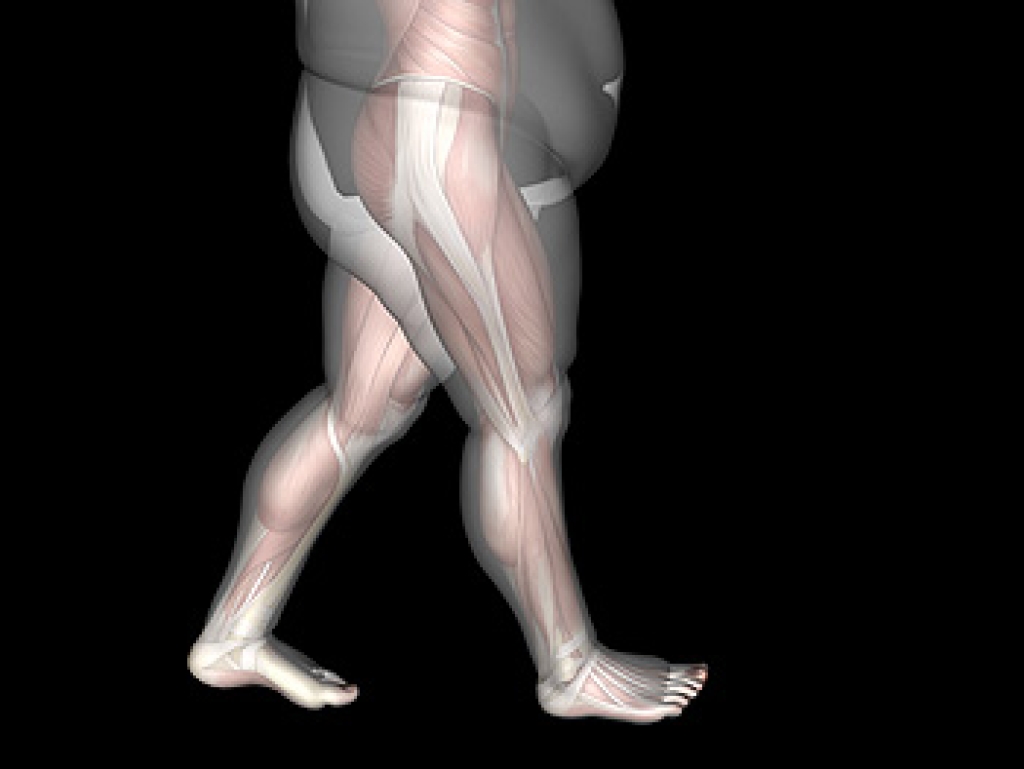 The more you weigh, the more stress is placed on the joints and tendons that support your feet and ankles. This can further extend to your knees and back as you compensate for the pain in the lower joints. Obesity can place enough strain on your feet to cause plantar fasciitis, a painful inflammation of the ligament that connects the heel bone to the front of the foot. Plantar fasciitis affects about 1 in 10 adults and is most likely to develop between the ages of 30 and 50. If you are experiencing persistent heel or foot pain, it is suggested that you see a podiatrist for information about the possible causes and advice for proper treatment.
The more you weigh, the harder your feet must work to support your body. If you’re an obese individual and are concerned about your feet, contact one of our podiatrists from Pennsylvania Foot & Ankle. Our doctors can provide the care you need to keep you pain-free and on your feet.
Obesity and Your Feet
People who are overweight are putting more pressure on their ankles, knees, and hips as well as their feet. This unfortunately can lead to variety of different issues.
Problems & Complications Stemming from Obesity
If you have any questions please contact one of our offices located in Bensalem, Philadelphia, Northeast Philadelphia, Yardley, PA, and Hamilton, NJ . We offer the newest diagnostic and treatment technologies for all your foot and ankle needs.
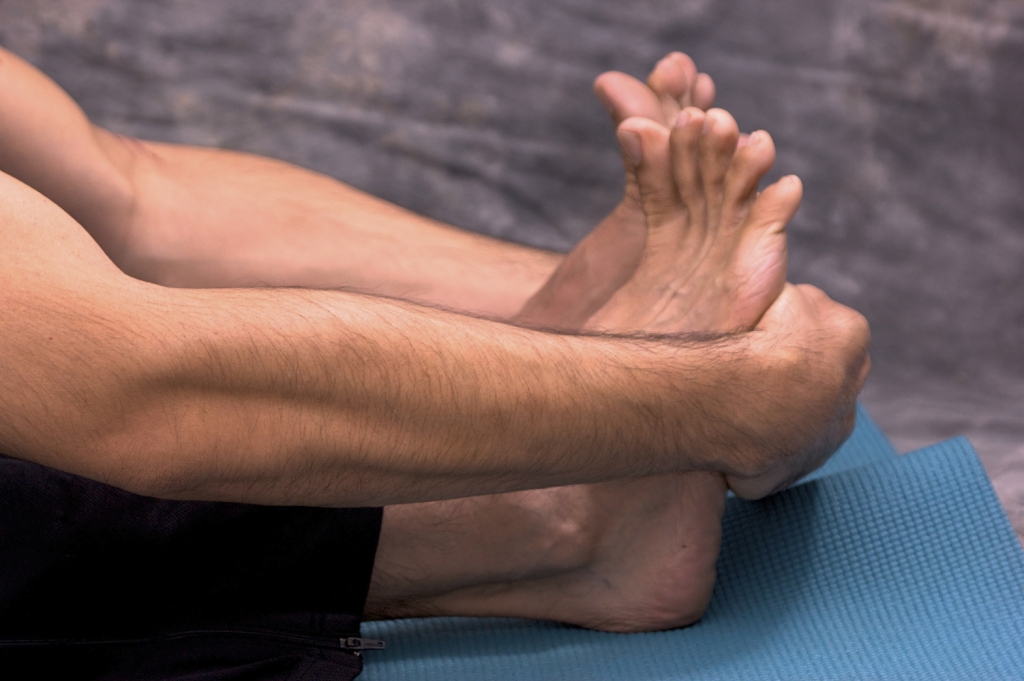
When the fibrous tissue on the sole that connects the heel with the front of the foot (plantar fascia) becomes damaged and inflamed, this is known as plantar fasciitis. Plantar fasciitis can also cause tense muscles in other parts of the foot and calf. Sometimes stretches can ease some of this tension and discomfort in these muscles as well as the plantar fascia. Simple calf stretches are a good place to start. To get a good stretch in the affected foot, place it behind you—flat on the ground—with the leg and knee straight. The other leg should be bent in front of you with that foot also lying flat, and your hands placed against a wall in front of you. Hold that position for 10 seconds and then release. You should feel an easy stretch in the calf and heel of the affected foot. Rolling a foam roller or ball back and forth under the affected foot while seated can also provide a good stretch in the foot. For another gentle calf stretch, sit on a chair and either curl a towel on the floor or pick up marbles with your toes. If your plantar fasciitis does not improve or is severe, a podiatrist can offer many solutions to treat it.
Plantar fasciitis can be very painful and inconvenient. If you are experiencing heel pain or symptoms of plantar fasciitis, contact one of our podiatrists from Pennsylvania Foot & Ankle. Our doctors can provide the care you need to keep you pain-free and on your feet.
What Is Plantar Fasciitis?
Plantar fasciitis is the inflammation of the thick band of tissue that runs along the bottom of your foot, known as the plantar fascia, and causes mild to severe heel pain.
What Causes Plantar Fasciitis?
How Can It Be Treated?
While very treatable, plantar fasciitis is definitely not something that should be ignored. Especially in severe cases, speaking to your doctor right away is highly recommended to avoid complications and severe heel pain. Your podiatrist can work with you to provide the appropriate treatment options tailored to your condition.
If you have any questions, please feel free to contact one of our offices located in Bensalem, Philadelphia, Northeast Philadelphia, Yardley, PA, and Hamilton, NJ . We offer the newest diagnostic and treatment technologies for all your foot care needs.
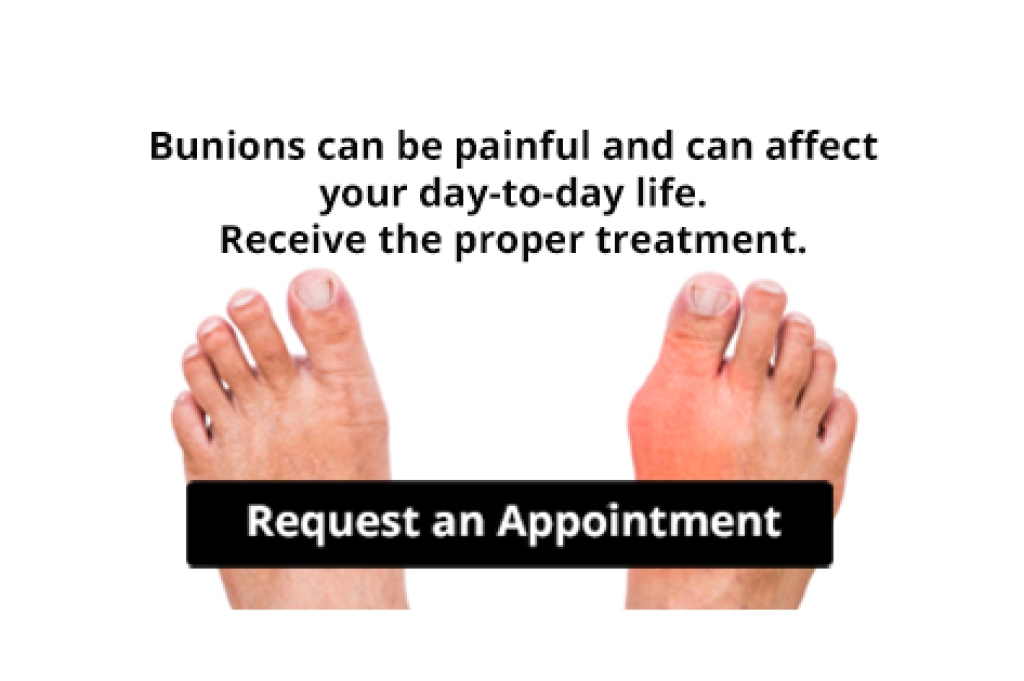
Have you noticed a bony protrusion on the side of your big toe? If so, you may have developed the foot condition known as a bunion. Don't let bunions interfere with your daily activities.
Connect With Us
