How High Heels Affect Foot Anatomy

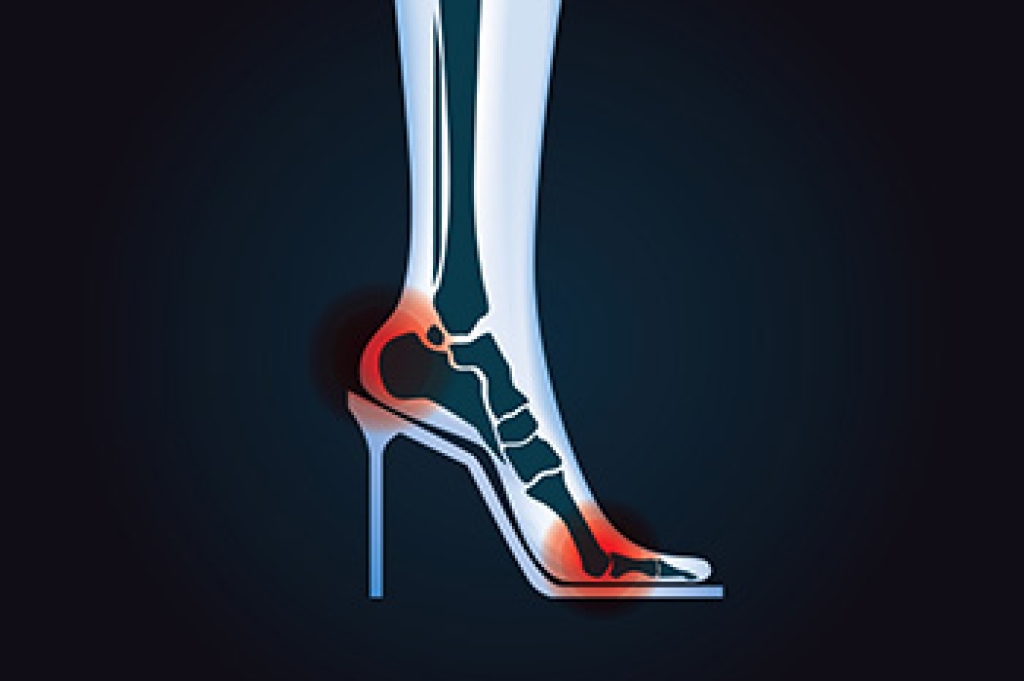
Wearing high heels regularly can significantly alter the natural anatomy of the foot, leading to a variety of long-term issues. High heels force the foot into an unnatural position, with the toes pointed downward and the weight shifted toward the front of the foot. This can place excessive pressure on the toes, leading to conditions such as bunions, hammertoes, and corns. The arch of the foot is also affected, as high heels alter the natural curvature and may lead to muscle imbalances, causing pain in the feet, calves, and lower back. Over time, wearing high heels can shorten the Achilles tendon and weaken the muscles in the feet, making it harder to walk comfortably in flat shoes. Additionally, the instability caused by the elevated heel increases the risk of sprains and other injuries. If you have foot pain from wearing high heels, it is suggested that you consult a podiatrist who can treat various foot conditions, and guide you on what type of high heels are safest to wear.

If you have any concerns about your feet, contact one of our podiatrists from Pennsylvania Foot & Ankle. Our doctors can provide the care you need to keep you pain-free and on your feet.

Biomechanics in Podiatry

Podiatric biomechanics is a particular sector of specialty podiatry with licensed practitioners who are trained to diagnose and treat conditions affecting the foot, ankle and lower leg. Biomechanics deals with the forces that act against the body, causing an interference with the biological structures. It focuses on the movement of the ankle, the foot and the forces that interact with them.

A History of Biomechanics

  • Biomechanics dates back to the BC era in Egypt where evidence of professional foot care has been recorded.
  • In 1974, biomechanics gained a higher profile from the studies of Merton Root, who claimed that by changing or controlling the forces between the ankle and the foot, corrections or conditions could be implemented to gain strength and coordination in the area.

Modern technological improvements are based on past theories and therapeutic processes that provide a better understanding of podiatric concepts for biomechanics. Computers can provide accurate information about the forces and patterns of the feet and lower legs.

Understanding biomechanics of the feet can help improve and eliminate pain, stopping further stress to the foot.

If you have any questions please feel free to contact one of our offices located in Bensalem, Philadelphia, Northeast Philadelphia, Yardley, PA, and Hamilton, NJ . We offer the newest diagnostic and treatment technologies for all your foot and ankle needs.
Read more about Biomechanics in Podiatry

How a Shoe’s Toe Box Affects Your Feet

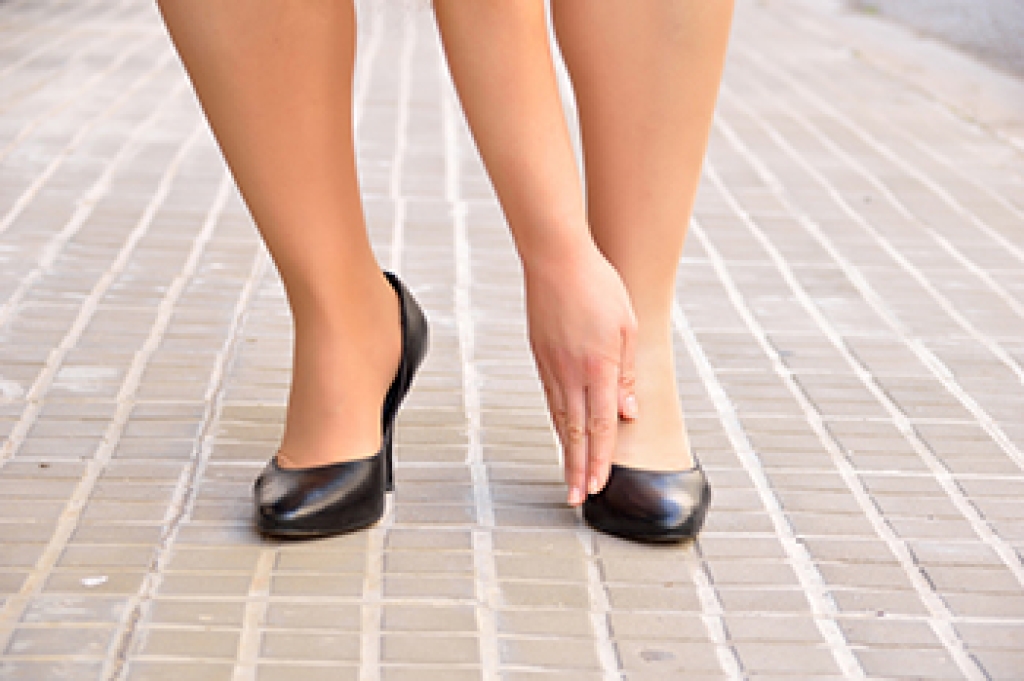
The toe box of a shoe plays a significant role in foot health by determining how much space the toes have to move naturally. When a shoe's toe box is too narrow or short, it can lead to various foot problems, including blisters, corns, calluses, and ingrown toenails. Over time, shoes with a tight toe box may contribute to misaligned toes, inflamed nerves, and pain in the ball of the foot. People who frequently experience discomfort in the toes while wearing shoes may have a foot shape that requires a wider or deeper toe box. Shoes with a design that follows the natural contours of the foot can help reduce pressure points and prevent long-term complications like bunions. High heels and narrow dress shoes often force the toes into an unnatural position, increasing the risk of foot pain and deformities. A podiatrist can assess your foot structure, identify any issues related to improper footwear, and recommend shoes that provide better support. If you have foot pain connected to improper footwear, it is suggested that you schedule an appointment with a podiatrist for treatment options.

It is important to find shoes that fit you properly in order to avoid a variety of different foot problems. For more information about treatment, contact one of our podiatrists from Pennsylvania Foot & Ankle. Our doctors will treat your foot and ankle needs.

Proper Shoe Fitting

Shoes have many different functions. They cushion our body weight, protect our feet, and allow us to safely play sports. You should always make sure that the shoes you wear fit you properly in order to avoid injuries and deformities such as: bunions, corns, calluses, hammertoes, plantar fasciitis, stress fractures, and more. It is important to note that although a certain pair of shoes might be a great fit for someone else, that doesn’t mean they will be a great fit for you. This is why you should always try on shoes before buying them to make sure they are worth the investment. Typically, shoes need to be replaced ever six months to one year of regular use.

Tips for Proper Shoe Fitting

  • Select a shoe that is shaped like your foot
  • Don’t buy shoes that fit too tight, expecting them to stretch to fit
  • Make sure there is enough space (3/8” to ½”) for your longest toe at the end of each shoe when you are standing up
  • Walk in the shoes to make sure they fit and feel right
  • Don’t select shoes by the size marked inside the shoe, but by how the shoe fits your foot

The shoes you buy should always feel as good as they look. Shoes that fit properly will last longer, feel better, and improve your way of life each day.

If you have any questions please contact one of our offices located in Bensalem, Philadelphia, Northeast Philadelphia, Yardley, PA, and Hamilton, NJ . We offer the newest diagnostic and treatment technologies for all your foot and ankle needs.
Read more about Proper Shoe Fitting

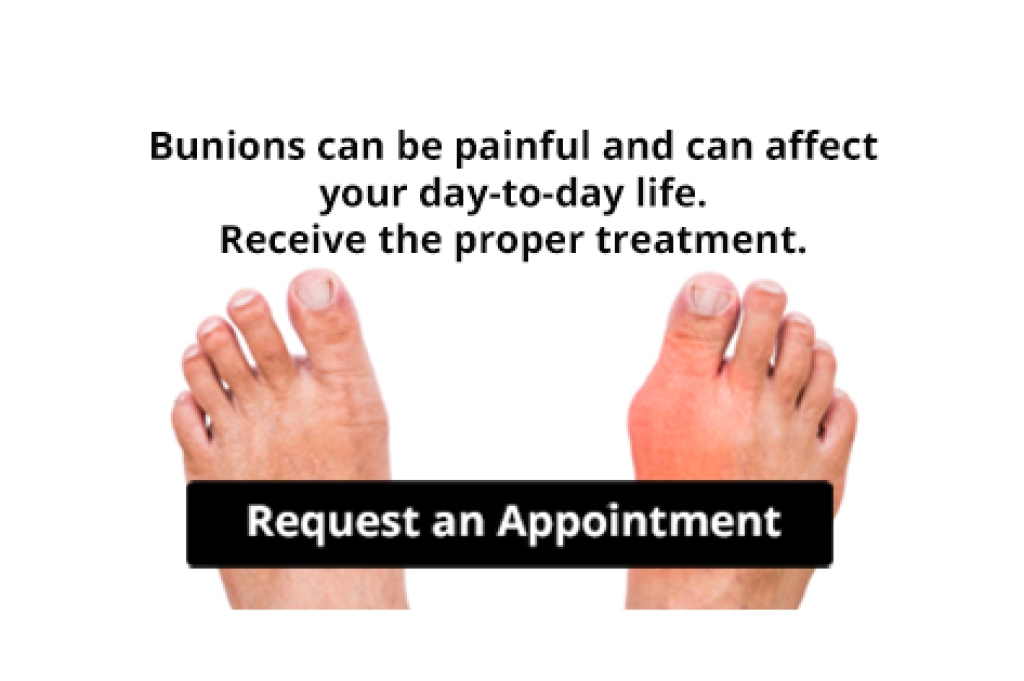
Are Bunions Affecting Your Everyday Life?

Have you noticed a bony protrusion on the side of your big toe? If so, you may have developed the foot condition known as a bunion. Don't let bunions interfere with your daily activities.

Facts About Heel Spurs

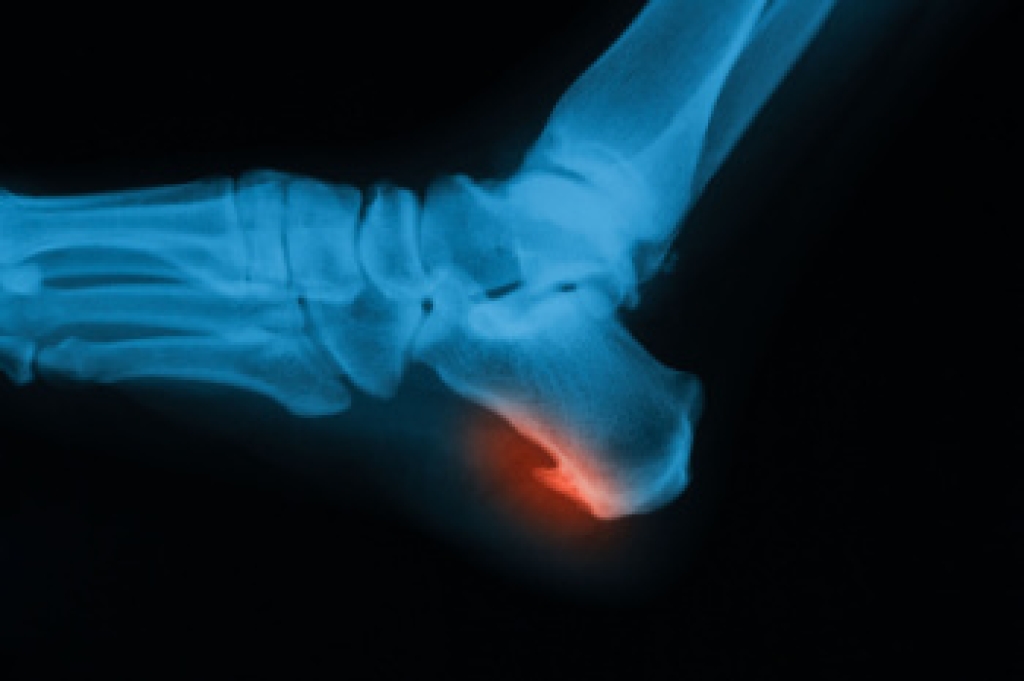
A heel spur is a bony growth that develops on the underside of the heel bone, typically caused by repetitive stress or pressure. This condition is often associated with plantar fasciitis, where inflammation occurs in the thick band of tissue connecting the heel to the toes. Heel spurs are usually the result of constant stress on the feet, which can occur from activities such as running, walking, or standing for long periods. The most common symptoms of heel spurs include sharp pain at the heel, especially in the morning or after periods of rest. Swelling and tenderness may also accompany the condition. Over time, the pain may subside but can reoccur during physical activities. Treatment options include rest, stretches, and in some cases, orthotics or surgery if conservative measures do not provide relief. If you have heel pain, it is suggested that you consult a podiatrist who can do an examination and provide an accurate diagnosis and treatment.

Heel spurs can be incredibly painful and sometimes may make you unable to participate in physical activities. To get medical care for your heel spurs, contact one of our podiatrists from Pennsylvania Foot & Ankle. Our doctors will do everything possible to treat your condition.

Heels Spurs

Heel spurs are formed by calcium deposits on the back of the foot where the heel is. This can also be caused by small fragments of bone breaking off one section of the foot, attaching onto the back of the foot. Heel spurs can also be bone growth on the back of the foot and may grow in the direction of the arch of the foot.

Older individuals usually suffer from heel spurs and pain sometimes intensifies with age. One of the main condition's spurs are related to is plantar fasciitis.

Pain

The pain associated with spurs is often because of weight placed on the feet. When someone is walking, their entire weight is concentrated on the feet. Bone spurs then have the tendency to affect other bones and tissues around the foot. As the pain continues, the feet will become tender and sensitive over time.

Treatments

There are many ways to treat heel spurs. If one is suffering from heel spurs in conjunction with pain, there are several methods for healing. Medication, surgery, and herbal care are some options.

If you have any questions, please feel free to contact one of our offices located in Bensalem, Philadelphia, Northeast Philadelphia, Yardley, PA, and Hamilton, NJ . We offer the newest diagnostic and treatment technologies for all your foot care needs.

Read more about How to Treat Heel Spurs

Advantages and Disadvantages of Having Flat Feet

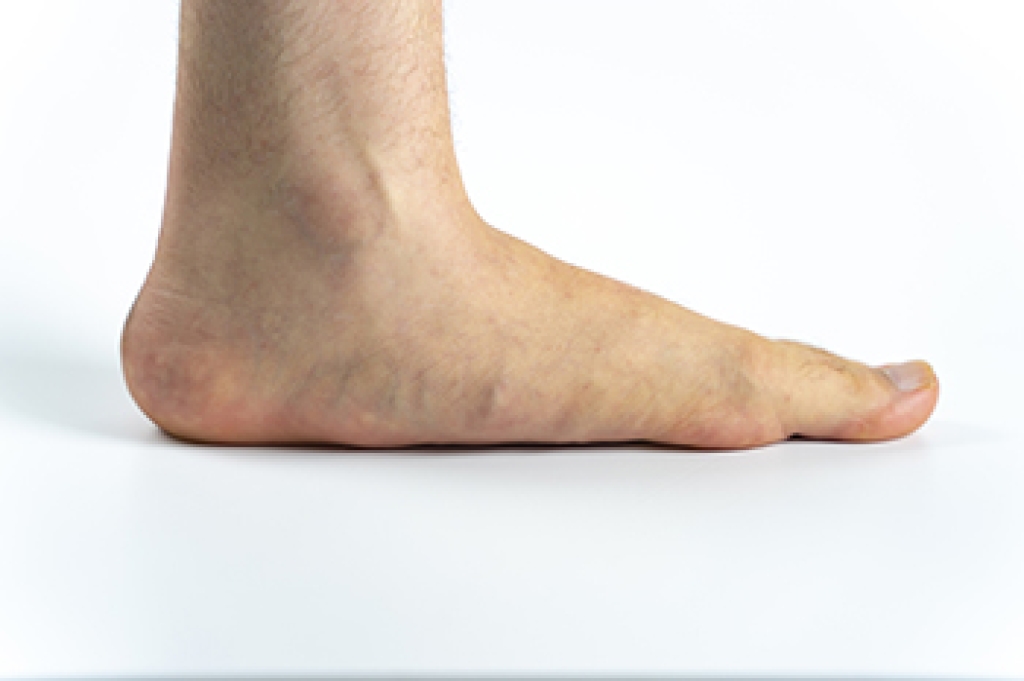
Flat feet, also known as fallen arches, occur when the arch of the foot does not develop properly, causing the entire sole to touch the ground. While flat feet can present challenges, they also come with some potential benefits. One advantage is that flat feet provide a larger surface area for contact with the ground, which can improve stability and balance in some individuals. This can be especially helpful in activities that require a solid base, such as lifting weights or standing for long periods. However, flat feet can also cause problems. The lack of a natural arch can lead to foot pain, discomfort, and an increased risk of developing conditions like plantar fasciitis or shin splints. Flat feet may also contribute to poor posture and affect the alignment of the knees, hips, and lower back. If you have flat feet and are experiencing discomfort or pain, it is suggested that you confer with a podiatrist who can help you to manage this condition. 

Flatfoot is a condition many people suffer from. If you have flat feet, contact one of our podiatrists from Pennsylvania Foot & Ankle. Our doctors will treat your foot and ankle needs.

What Are Flat Feet?

Flatfoot is a condition in which the arch of the foot is depressed and the sole of the foot is almost completely in contact with the ground. About 20-30% of the population generally has flat feet because their arches never formed during growth.

Conditions & Problems:

Having flat feet makes it difficult to run or walk because of the stress placed on the ankles.

Alignment – The general alignment of your legs can be disrupted, because the ankles move inward which can cause major discomfort.

Knees – If you have complications with your knees, flat feet can be a contributor to arthritis in that area.  

Symptoms

  • Pain around the heel or arch area
  • Trouble standing on the tip toe
  • Swelling around the inside of the ankle
  • Flat look to one or both feet
  • Having your shoes feel uneven when worn

Treatment

If you are experiencing pain and stress on the foot you may weaken the posterior tibial tendon, which runs around the inside of the ankle. 

If you have any questions, please feel free to contact one of our offices located in Bensalem, Philadelphia, Northeast Philadelphia, Yardley, PA, and Hamilton, NJ . We offer the newest diagnostic and treatment technologies for all your foot care needs.

Read more about Flat Feet

Connect With Us