Children’s Socks

Many children might resist their parent’s efforts to make them wear socks. Some children might find socks annoying or even uncomfortable. However, it is important for children to wear socks for a variety of reasons. Most importantly, when a child wears socks with their shoes, they are essentially protecting their feet from developing blisters. Wearing socks with shoes can also help protect a child’s feet from encountering bacteria. In turn, this might make the development of infections less likely. Lastly, wearing socks around the house can prevent your child’s feet from getting cold. Socks for children come in many different types. Some socks for children are even made with rubber “grippers.” This feature is essentially meant to help the child feel more stable and less wobbly when walking. It is suggested that you contact a podiatrist today for more information about children’s socks.

Making sure that your children maintain good foot health is very important as they grow. If you have any questions, contact one of our podiatrists of Pennsylvania Foot & Ankle. Our doctors can provide the care you need to keep you pain-free and on your feet.

Keeping Children's Feet Healthy

Having healthy feet during childhood can help prevent medical problems later in life, namely in the back and legs. As children grow, their feet require different types of care. Here are some things to consider...

Although babies do not walk yet, it is still very important to take care of their feet.

Avoid putting tight shoes or socks on his or her feet.

Allow the baby to stretch and kick his or her feet to feel comfortable.

As a toddler, kids are now on the move and begin to develop differently. At this age, toddlers are getting a feel for walking, so don’t be alarmed if your toddler is unsteady or ‘walks funny’. 

As your child gets older, it is important to teach them how to take care of their feet.

Show them proper hygiene to prevent infections such as fungus.

Be watchful for any pain or injury.

Have all injuries checked by a doctor as soon as possible.

Comfortable, protective shoes should always be worn, especially at play.

If you have any questions, please feel free to contact one of our offices located in Bensalem, Philadelphia, Northeast Philadelphia, Yardley, PA, and Hamilton, NJ . We offer the newest diagnostic and treatment technologies for all your foot care needs.

Read more about What to Do to Keep Your Child’s Feet Healthy

The Best Time of Day to Purchase Shoes

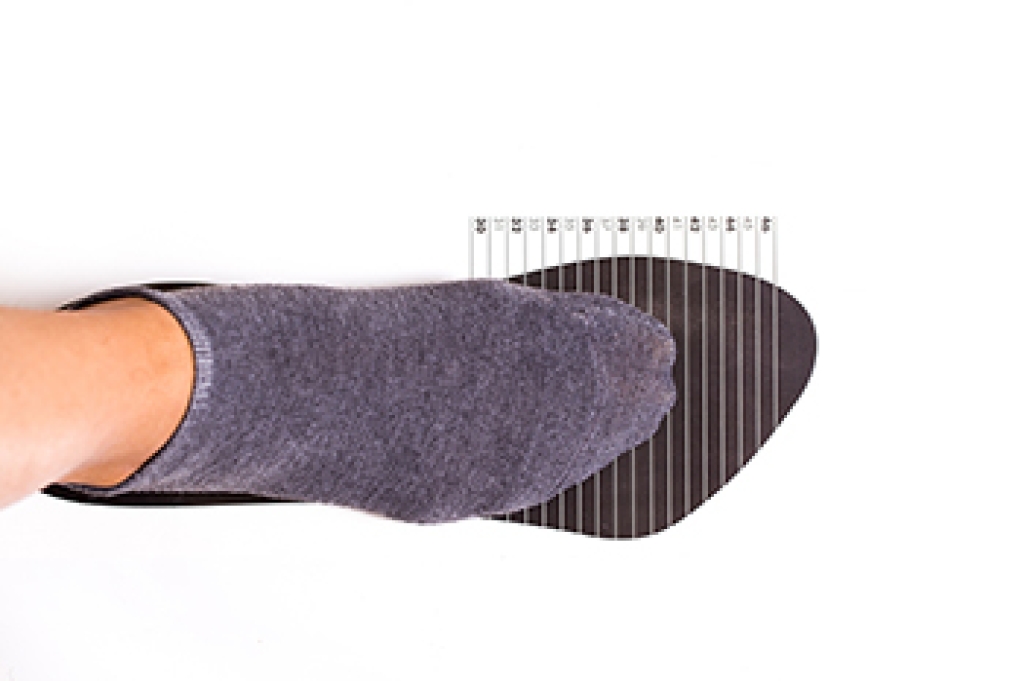
Wearing the right shoe size may help to prevent injury. Shoes that fit properly will have adequate cushioning that can support the feet, and most importantly, they are comfortable. It is beneficial to try on and purchase shoes later in the day when the feet are at their largest. This can begin by properly measuring the feet, which can be done by tracing each foot on paper, or by using a Brannock device. The majority of shoe stores have this type of measuring tool, and using it is generally a quick and successful way to determine your correct shoe size. It is beneficial to wear socks that will be worn with the shoes, and walking in them prior to buying them is a good way to determine if they fit correctly. Patients who have foot pain may need to change shoes often, and it is advised that you consult with a podiatrist who can guide you toward wearing shoes that are right for you.

Getting the right shoe size is an important part of proper foot health. Seek the assistance of one of our podiatrists from Pennsylvania Foot & Ankle. Our doctors will provide the care you need to keep you pain-free and on your feet.

Getting the Right Shoe Size

There are many people who wear shoes that are the incorrect size, negatively affecting their feet and posture. Selecting the right shoes is not a difficult process, so long as you keep several things in mind when it comes to choosing the right pair.

  • When visiting the shoe store, use the tools available to measure your foot.
  • Be sure there is ‘wiggle room’. There should be about an inch between your toes and the tip of your shoes.
  • Do not always assume you are the same size, as manufacturers run differently.
  • Purchase shoes later in the day, as your feet swell as the day progresses.
  • If a shoe is not comfortable, it is not suitable. Most shoes can’t be ‘broken in’, and comfort should be the ultimate goal when it comes to choosing the right pair of shoes

As our feet hold our body weight and keep us moving, it is important to treat them right. Picking the right pair of shoes can provide your feet comfort and mobility without pain.

If you have any questions, please feel free to contact one of our offices located in Bensalem, Philadelphia, Northeast Philadelphia, Yardley, PA, and Hamilton, NJ . We offer the newest diagnostic and treatment technologies for all your foot care needs.
Read more about Getting the Right Shoe Size: To Keep Your Feet Happy

Do Your Child's Feet Hurt?

Have your child's feet been examined lately? Healthy feet are happy feet. If your child is complaining of foot pain, it may be a sign of underlying problems.

Reasons You May Need to See a Foot Doctor

Taking care of your feet is a lifelong responsibility, as they get you where you need to go. Sometimes, a foot problem or other condition that affects the feet calls for more attention than a normal foot care regime can provide. In such cases, it is a good idea to consult a podiatrist, who is a doctor trained in the care and problems of the feet, toes, and ankles. A podiatrist can diagnose and treat a variety of foot-related problems, especially if you are experiencing pain. Problems commonly treated by podiatrists include ingrown toenails, sprained ankles, corns or calluses, and bunions. Foot or toe infections, such as athlete’s foot or fungal toenail infections, are also treated by podiatrists. Blisters and sores that do not heal properly, numbness in feet and toes, and unexplained swelling in the feet and ankles can be treated by podiatrists. Cracked heels or heel fissures, bruising, or discoloration of the toes or feet are other reasons to visit a podiatrist. People with underlying conditions, including diabetes and peripheral artery disease, may wish to schedule regular appointments with a podiatrist, as these diseases often affect the health of your feet. For more information, consult a podiatrist today.

If you are experiencing pain in the feet or ankles, don’t join the stubborn majority refusing treatment. Feel free to contact one of our podiatrists from Pennsylvania Foot & Ankle. Our doctors can provide the care you need to keep you pain-free and on your feet.

What Is a Podiatrist?

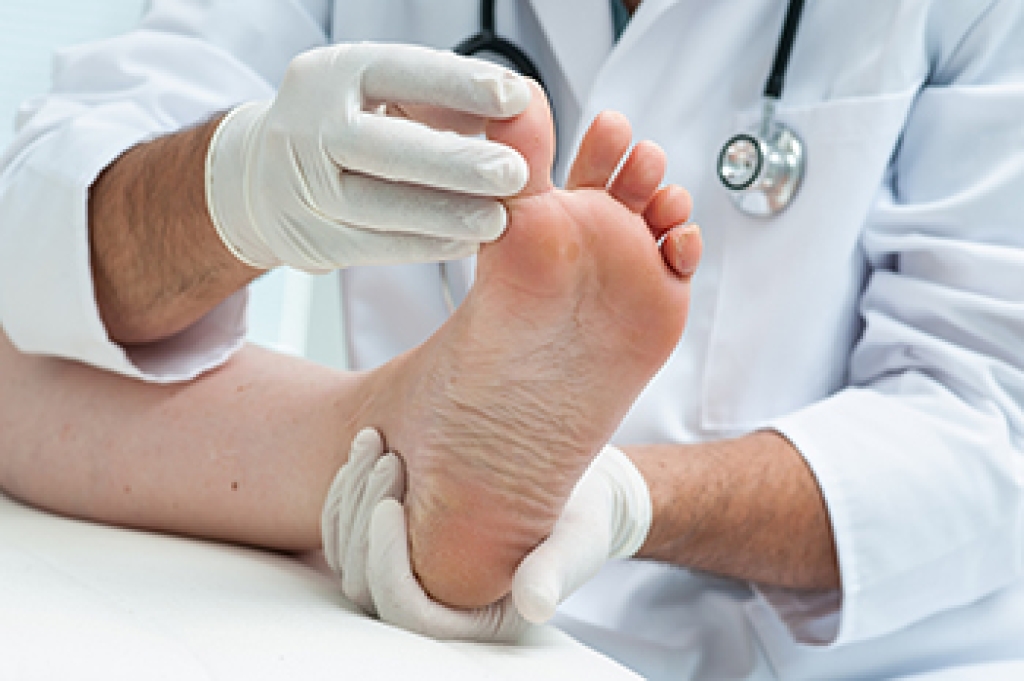
Someone would seek the care of a podiatrist if they have suffered a foot injury or have common foot ailments such as heal spurs, bunions, arch problems, deformities, ingrown toenails, corns, foot and ankle problems, etc.

Podiatric Treatment

A podiatrist will treat the problematic areas of the feet, ankle or lower leg by prescribing the following:

  • Physical therapy
  • Drugs
  • Orthotic inserts or soles
  • Surgery on lower extremity fractures

A common podiatric procedure a podiatrist will use is a scanner or force plate which will allow the podiatrist to know the designs of orthotics. Patients are then told to follow a series of tasks to complete the treatment. The computer will scan the foot a see which areas show weight distribution and pressure points. The podiatrist will read the analysis and then determine which treatment plans are available.

If you have any questions, please feel free to contact one of our offices located in Bensalem, Philadelphia, Northeast Philadelphia, Yardley, PA, and Hamilton, NJ . We offer the newest diagnostic and treatment technologies for all your foot care needs.

Read more about What is a Podiatrist?

Various Reasons for Ankle Pain

There are many reasons why people can experience ankle pain. These include ailments that range from chronic conditions consisting of arthritis to minor injuries such as an ankle sprain. Ankle pain can happen from damage that has been done to the muscles and soft tissues that support the ankle, and it can interfere with walking. Swelling can often accompany ankle pain, and it is suggested to seek medical attention. An Achilles tendon injury can radiate to the ankle, and this can happen suddenly or gradually. It causes difficulty to stand on tiptoes, and there may be a limited range of motion. Severe pain is generally present if the ankle has fractured, and treatment can require wearing a supportive boot or cast. People who have frequent gout attacks may notice that they have ankle pain. This is considered to be a form of arthritis, and the ankle joints may become inflamed. If you have ankle pain for any reason, please contact a podiatrist as quickly as possible. This doctor can determine what the cause is, and choose the best treatment for it.

Ankle pain can be caused by a number of problems and may be potentially serious. If you have ankle pain, consult with one of our podiatrists from Pennsylvania Foot & Ankle. Our doctors will assess your condition and provide you with quality foot and ankle treatment.

Ankle pain is any condition that causes pain in the ankle. Due to the fact that the ankle consists of tendons, muscles, bones, and ligaments, ankle pain can come from a number of different conditions.

Causes

The most common causes of ankle pain include:

  • Types of arthritis (rheumatoid, osteoarthritis, and gout)
  • Ankle sprains
  • Broken ankles
  • Achilles tendonitis
  • Achilles tendon rupture
  • Stress fractures
  • Bursitis
  • Tarsal tunnel syndrome
  • Plantar fasciitis

Symptoms

Symptoms of ankle injury vary based upon the condition. Pain may include general pain and discomfort, swelling, aching, redness, bruising, burning or stabbing sensations, and/or loss of sensation.

Diagnosis

Due to the wide variety of potential causes of ankle pain, podiatrists will utilize a number of different methods to properly diagnose ankle pain. This can include asking for personal and family medical histories and of any recent injuries. Further diagnosis may include sensation tests, a physical examination, and potentially x-rays or other imaging tests.

Treatment

Just as the range of causes varies widely, so do treatments. Some more common treatments are rest, ice packs, keeping pressure off the foot, orthotics and braces, medication for inflammation and pain, and surgery.

If you have any questions please feel free to contact one of our offices located in Bensalem, Philadelphia, Northeast Philadelphia, Yardley, PA, and Hamilton, NJ . We offer the newest diagnostic tools and technology to treat your foot and ankle needs.

Read more about Various Causes of Ankle Pain

Burning Foot Pain and What It Can Mean

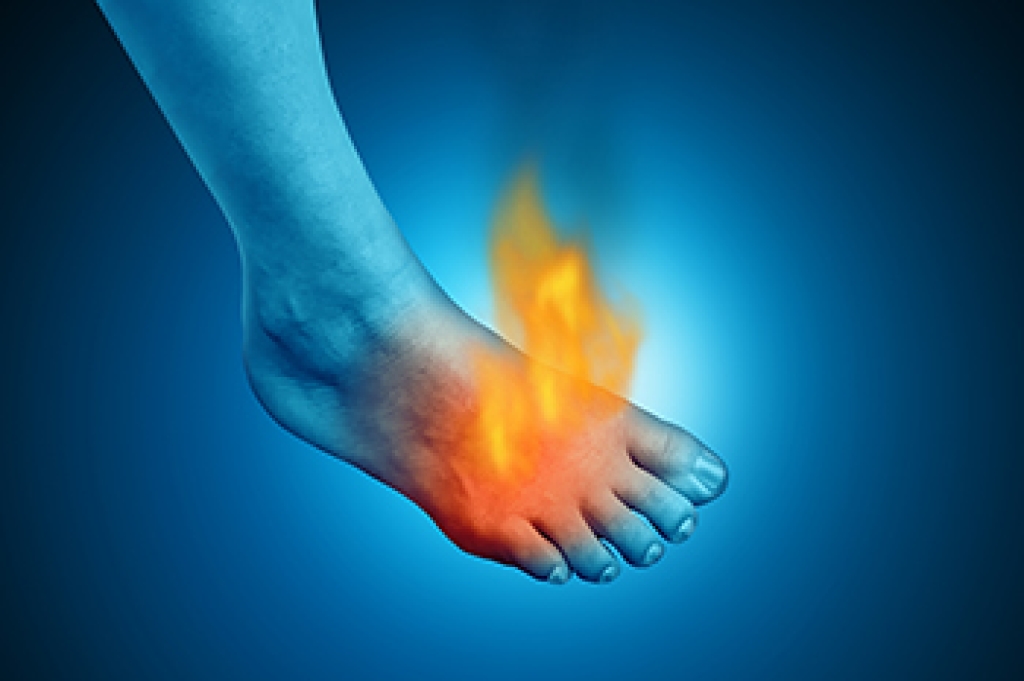
Many people experience the feeling of burning foot pain, which can interrupt both their daily activities and their sleep. But what does it mean? Major causes of burning foot pain include peripheral neuropathy, tarsal tunnel syndrome, plantar fasciitis, and Raynaud’s disease. People with high blood sugar may be especially at risk for peripheral neuropathy. This is a nerve condition that blocks normal communication between the brain and the nerves in your feet. Tarsal tunnel syndrome occurs when the posterior tibial nerve in the ankle is compressed, resulting in burning pain. Plantar fasciitis, which is the tearing and inflammation of the band of tissue under the foot, causes both heel and burning foot pain. Raynaud’s disease is caused when the blood vessels in the lower extremities are constricted. This limits blood flow to the feet and may result in burning foot pain. If burning foot pain becomes a regular occurrence, you may wish to consult a podiatrist who can help to determine the cause and offer treatment solutions.

Foot Pain

Foot pain can be extremely painful and debilitating. If you have a foot pain, consult with one of our podiatrists from Pennsylvania Foot & Ankle. Our doctors will assess your condition and provide you with quality foot and ankle treatment.

Causes

Foot pain is a very broad condition that could be caused by one or more ailments. The most common include:

  • Bunions
  • Hammertoes
  • Plantar Fasciitis
  • Bone Spurs
  • Corns
  • Tarsal Tunnel Syndrome
  • Ingrown Toenails
  • Arthritis (such as Gout, Rheumatoid, and Osteoarthritis)
  • Flat Feet
  • Injury (from stress fractures, broken toe, foot, ankle, Achilles tendon ruptures, and sprains)
  • And more

Diagnosis

To figure out the cause of foot pain, podiatrists utilize several different methods. This can range from simple visual inspections and sensation tests to X-rays and MRI scans. Prior medical history, family medical history, and any recent physical traumatic events will all be taken into consideration for a proper diagnosis.

Treatment

Treatment depends upon the cause of the foot pain. Whether it is resting, staying off the foot, or having surgery; podiatrists have a number of treatment options available for foot pain.

If you have any questions, please feel free to contact one of our offices located in Bensalem, Philadelphia, Northeast Philadelphia, Yardley, PA, and Hamilton, NJ . We offer the newest diagnostic and treatment technologies for all your foot care needs.
Read more about Foot Pain

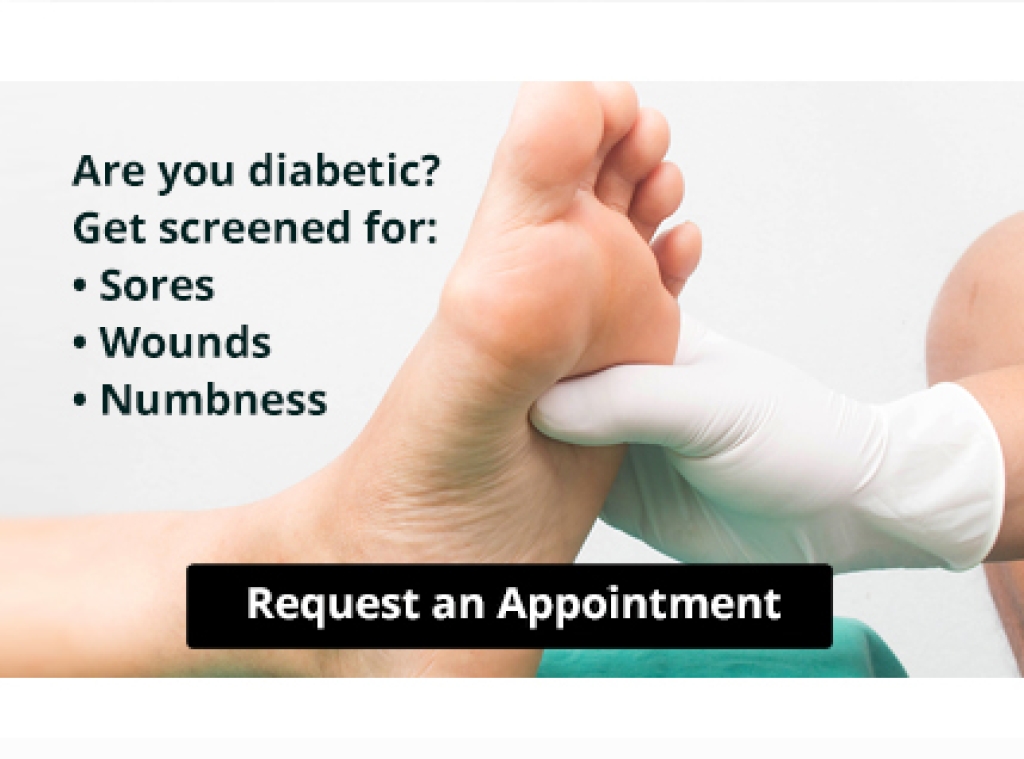
Wounds That Don't Heal Need to Be Checked

Your feet are covered most of the day. If you're diabetic, periodic screening is important for good health. Numbness is often a sign of diabetic foot and can mask a sore or wound.

Relief Solutions for an Ingrown Toenail

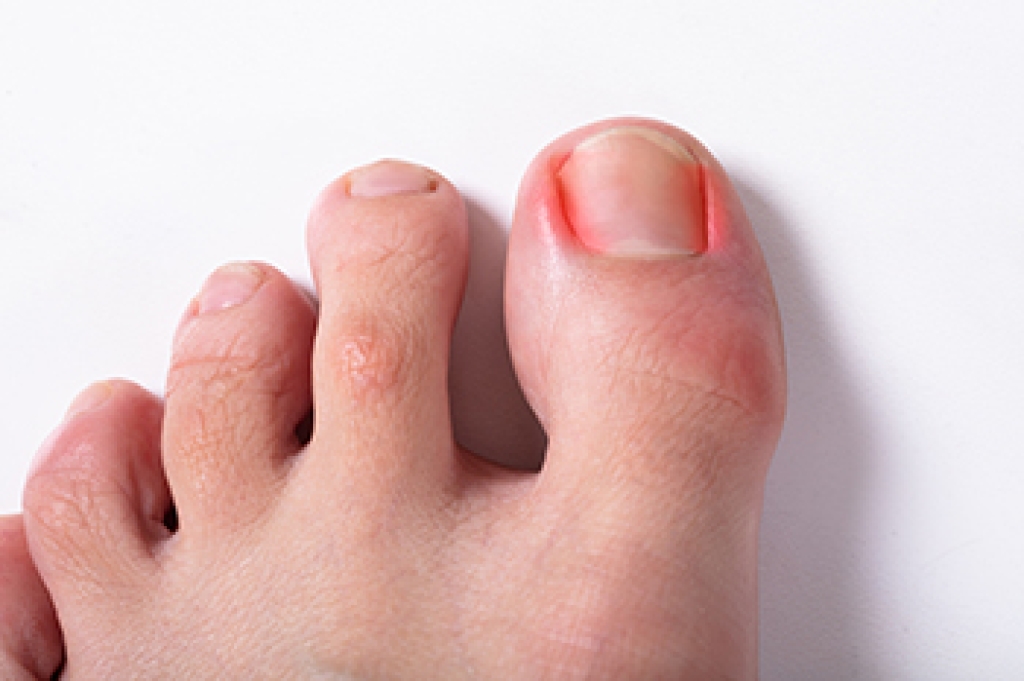
An ingrown toenail is a nail that grows into the skin instead of over it. It is a painful foot condition that generally affects the big toe. It may become infected if prompt medical treatment is not received. There are several reasons an ingrown toenail may develop. These can consist of wearing shoes or socks that are too tight, trimming the toenails incorrectly, or enduring a toe injury. It may become swollen and red, and pus may drain if it becomes infected. Some patients find relief when the affected foot is soaked in warm water, followed by gently pushing the skin away from the nail with a piece of cotton. It is also beneficial to wear shoes that are slightly larger to keep the nail away from the inside of the shoe. Ingrown toenails can be recurring so it is suggested that you visit a podiatrist for a permanent solution and this may include minor surgery for partial or full removal of the nail.

Ingrown toenails may initially present themselves as a minor discomfort, but they may progress into an infection in the skin without proper treatment. For more information about ingrown toenails, contact one of our podiatrists of Pennsylvania Foot & Ankle. Our doctors can provide the care you need to keep you pain-free and on your feet.

Ingrown Toenails

Ingrown toenails are caused when the corner or side of a toenail grows into the soft flesh surrounding it. They often result in redness, swelling, pain, and in some cases, infection. This condition typically affects the big toe and may recur if it is not treated properly.

Causes

  • Improper toenail trimming
  • Genetics
  • Improper shoe fitting
  • Injury from pedicures or nail picking
  • Abnormal gait
  • Poor hygiene

You are more likely to develop an ingrown toenail if you are obese, have diabetes, arthritis, or have any fungal infection in your nails. Additionally, people who have foot or toe deformities are at a higher risk of developing an ingrown toenail.

Symptoms

Some symptoms of ingrown toenails are redness, swelling, and pain. In rare cases, there may be a yellowish drainage coming from the nail.

Treatment

Ignoring an ingrown toenail can have serious complications. Infections of the nail border can progress to a deeper soft-tissue infection, which can then turn into a bone infection. You should always speak with your podiatrist if you suspect you have an ingrown toenail, especially if you have diabetes or poor circulation.

If you have any questions, please feel free to contact one of our offices located in Bensalem, Philadelphia, Northeast Philadelphia, Yardley, PA, and Hamilton, NJ . We offer the newest diagnostic and treatment technologies for all your foot care needs.
Read more about Ingrown Toenail Care

Gym Injuries

With increased sports and physical activity being done at gyms, being aware of injuries and how to prevent them is important. As with all body parts, harming one’s ankles and feet while at the gym is possible. The weight rack and treadmill are considered by experts to be the key culprits for injuries. Tips to avoid injuries at the gym include doing a proper warm-up and stretching before exercising, increasing frequency and intensity of movement at a steady pace, listening to the body, and adjusting workouts as needed. It is best to avoid sitting for long periods of time and to take multiple breaks throughout the day. If you should sustain an injury to your feet and ankles while at the gym, seek the counsel of a podiatrist who can make an accurate diagnosis and prescribe proper treatment. You will be able to get back to the gym as soon as possible if you give yourself time to properly heal.

Ankle and foot injuries are common among athletes and in many sports. They can be caused by several problems and may be potentially serious. If you are feeling pain or think you were injured in a sporting event or when exercising, consult with one of our podiatrists from Pennsylvania Foot & Ankle. Our doctors will assess your condition and provide you with quality foot and ankle treatment.

Common Injuries

The most common injuries that occur in sporting activities include:

  • Achilles Tendonitis
  • Achilles Tendon Rupture
  • Ankle Sprains
  • Broken Foot
  • Plantar Fasciitis
  • Stress Fractures
  • Turf Toe

Symptoms

Symptoms vary depending upon the injury and in some cases, there may be no symptoms at all. However, in most cases, some form of symptom is experienced. Pain, aching, burning, bruising, tenderness, tightness or stiffness, sensation loss, difficulty moving, and swelling are the most common symptoms.

Treatment

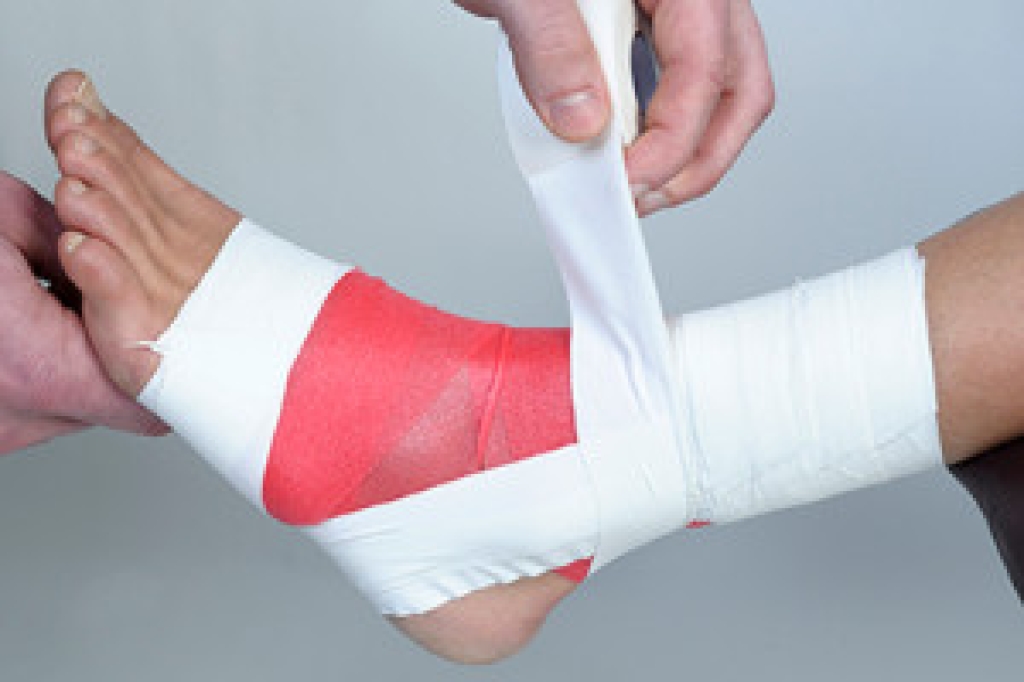
Just as symptoms vary depending upon the injury, so do treatment options. A common treatment method is known as the RICE method. This method involves rest, applying ice, compression and elevating the afflicted foot or ankle. If the injury appears to be more serious, surgery might be required, such as arthroscopic or reconstructive surgery. Lastly, rehabilitation or therapy might be needed to gain full functionality in the afflicted area. Any discomfort experienced by an athlete must be evaluated by a licensed, reputable medical professional.  

If you have any questions please contact one of our offices located in Bensalem, Philadelphia, Northeast Philadelphia, Yardley, PA, and Hamilton, NJ . We offer the newest diagnostic and treatment technologies for all your foot and ankle needs.

Read more about Sports Related Foot and Ankle Injuries

Swollen Feet Affects Most Pregnant Women

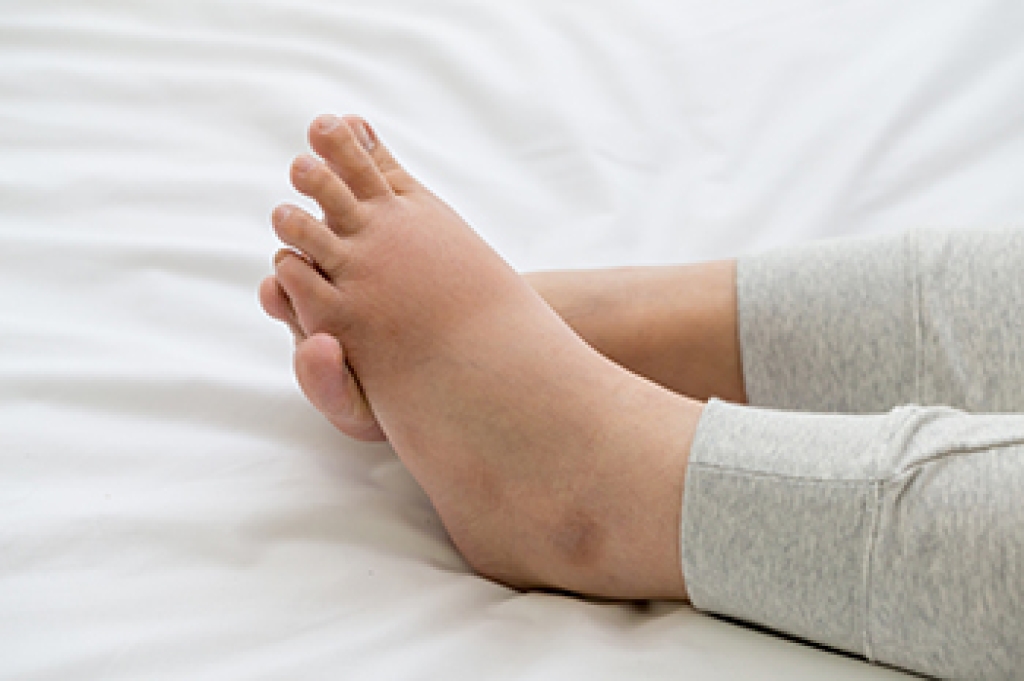
Swollen feet are a side effect that most pregnant women experience. The feet typically begin to swell in the second trimester and reach their peak during the last few weeks of pregnancy. This is a normal occurrence that happens when the blood becomes thicker, and the body produces more fluid to help support the growing baby. The excessive fluid will gradually decrease after the baby is born, but until that time, methods can be implemented which might help to ease the discomfort of swollen feet. These can include frequently elevating the feet, reducing caffeine intake, and drinking plenty of water daily. Many women who are pregnant during the summer may cool down by swimming or spending time in an air-conditioned room. If you have questions about how to alleviate swollen feet during pregnancy, please contact a podiatrist who can help you to feel more comfortable.

Pregnant women with swollen feet can be treated with a variety of different methods that are readily available. For more information about other cures for swollen feet during pregnancy, consult with one of our podiatrists from Pennsylvania Foot & Ankle. Our doctors will attend to all of your foot and ankle needs.

What Foot Problems Can Arise During Pregnancy?

One problem that can occur is overpronation, which occurs when the arch of the foot flattens and tends to roll inward.  This can cause pain and discomfort in your heels while you’re walking or even just standing up, trying to support your baby.  

Another problem is edema, or swelling in the extremities. This often affects the feet during pregnancy but tends to occur in the later stages. 

How Can I Keep My Feet Healthy During Pregnancy?

  • Wearing orthotics can provide extra support for the feet and help distribute weight evenly
  • Minimize the amount of time spent walking barefoot
  • Wear shoes with good arch support
  • Wear shoes that allow for good circulation to the feet
  • Elevate feet if you experience swelling
  • Massage your feet
  • Get regular, light exercise, such as walking, to promote blood circulation to the feet

If you have any questions, please feel free to contact one of our offices located in Bensalem, Philadelphia, Northeast Philadelphia, Yardley, PA, and Hamilton, NJ . We offer the newest diagnostic and treatment technologies for all your foot care needs.
Read more about Foot Care for Pregnant Women

Connect With Us