How Aging Can Seriously Affect the Feet

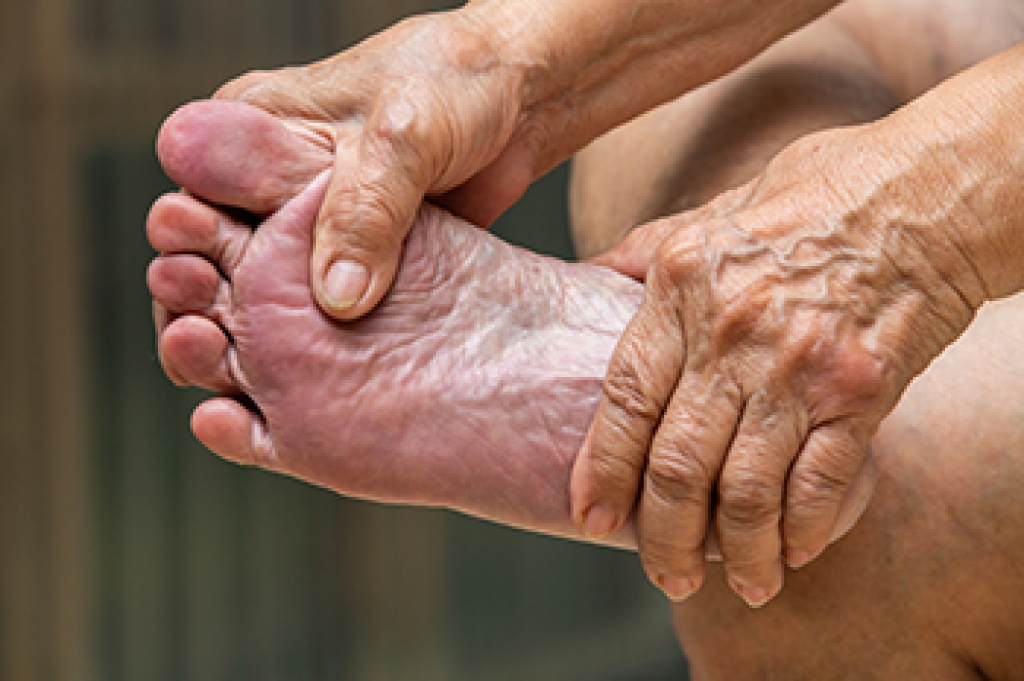
By the time you reach the age of 50, experts say that you will have walked around 75,000 miles. As a result, the general wear and tear on the feet becomes more apparent. Fat pads, skin, and bones get thinner. Feet that have been pushed into tight shoes for years become deformed. Tendons and ligaments lose strength and fail to rebound as quickly. Arches are apt to fall, causing flat feet that can result in longer feet and toes. But many older people continue to wear or buy the same shoe size. Osteoarthritis often sets in, causing inflammation in any number of the foot’s 33 joints. Older people with chronic conditions, such as diabetes, may develop neuropathy and peripheral artery disease, both of which can cause other serious foot problems. All that said, there are ways to lessen the effects of aging on your feet. Consider custom orthotics to counteract the natural decline in foot efficiency. Be on the lookout for sores that do not heal properly. Stretch or do mild exercises to promote circulatory health. Wear shoes that fit properly and offer ample support and cushioning. Pay attention to unusual or new foot pain. Finally, it is wise to consult a podiatrist for regular exams. 

If you need your feet checked, contact one of our podiatrists of Pennsylvania Foot & Ankle. Our doctors will attend to all of your foot and ankle needs and provide you with quality treatment.

Geriatrics and Podiatry
When people age, some common issues that may occur are bone density loss, dry skin, poor circulation, and rough brittle nails. These issues may also affect your foot health if the necessary steps are not taken to alleviate the problems.

It is important to take care of your feet because feet that are injured or diseased can affect your overall health. Having painful feet hinders your ability to do daily activities or may decrease your willingness to do the things that you need to do.

Visiting Your Geriatrician
As we age, health problems become more likely, so it is essential to visit your doctor for check-ups to ensure that you are doing the best you can to take care of your health. It is recommended to check your feet frequently for any possible cuts, bruises, swelling, corns or any other irregularities. 

Taking Care of Elderly Feet
Cracked or dry feet can be treated by applying moisturizer often. It is also important not to wear old socks because the older the sock is, the higher the possibility there will be that there is bacteria there. Wear fresh socks and make sure they fit properly.

Proper foot health means that you can have a more active lifestyle and you will not be bogged down by pain. Foot health also leads to good circulation, which is paramount for overall health.

If you have any questions, please feel free to contact one of our offices located in Bensalem, Philadelphia, Northeast Philadelphia, Yardley, PA, and Hamilton, NJ . We offer the newest diagnostic and treatment technologies for all your foot care needs.
Read more about Geriatrics and Podiatry

What Is Cuboid Syndrome?

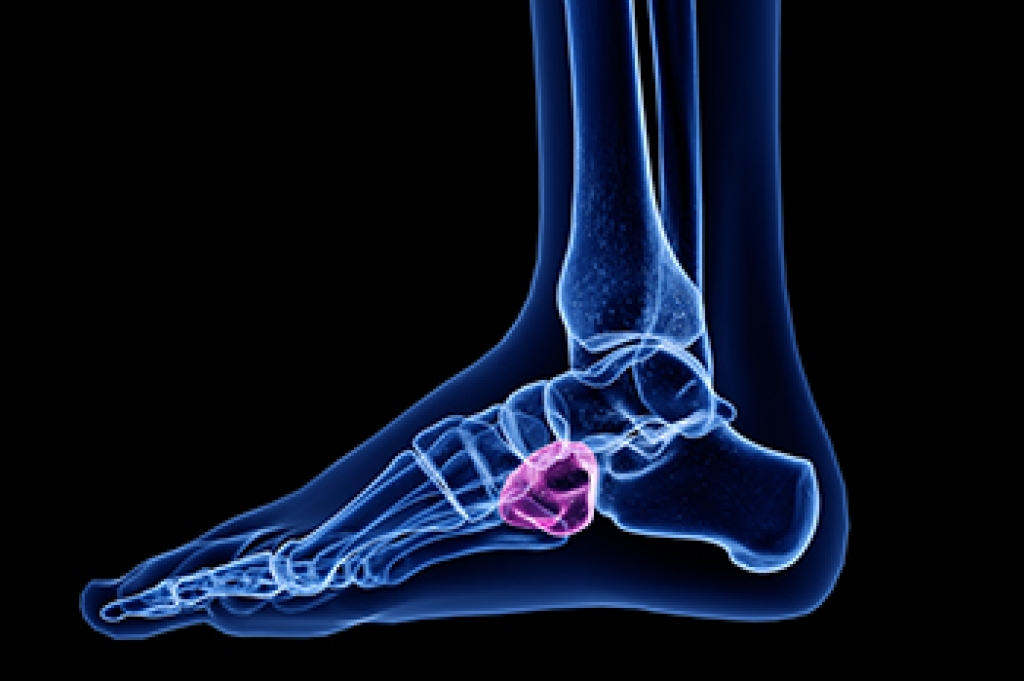
Cuboid syndrome is a condition that involves a disruption of the normal alignment of the cuboid bone with the heel bone, and it causes pain on the outside of the foot. The pain might feel like it originates from the outside of the ankle, and the person afflicted with it may limp or sway when walking to avoid placing weight on the affected area. Mild swelling or bruising might be seen on the outside and bottom of the mid-foot. This problem develop from a single event, such as an ankle sprain, or through repetitive impact to the area, like runners or dancers (particularly ballet dancers) might experience. A small “popping” might be felt on the outside of the mid-foot as well. Treatment of cuboid syndrome usually involves making sure shoes are well-fitting and comfortable, using soft orthotics, and doing stretching exercises to help mobilize the joint. In some instances, realignment of the cuboid bone is needed. If you feel pain in your mid-foot area and it is worsening, you might have a more severe case of cuboid syndrome. You can see a podiatrist who can properly diagnose the problem and provide appropriate treatment.

Cuboid syndrome, also known as cuboid subluxation, occurs when the joints and ligaments near the cuboid bone in the foot become torn. If you have cuboid syndrome, consult with one of our podiatrists from Pennsylvania Foot & Ankle. Our doctors will assess your condition and provide you with quality foot and ankle treatment.

Cuboid syndrome is a common cause of lateral foot pain, which is pain on the outside of the foot. The condition may happen suddenly due to an ankle sprain, or it may develop slowly overtime from repetitive tension through the bone and surrounding structures.

Causes

The most common causes of cuboid syndrome include:

  • Injury – The most common cause of this ailment is an ankle sprain.
  • Repetitive Strain – Tension placed through the peroneus longus muscle from repetitive activities such as jumping and running may cause excessive traction on the bone causing it to sublux.
  • Altered Foot Biomechanics – Most people suffering from cuboid subluxation have flat feet.

Symptoms

A common symptom of cuboid syndrome is pain along the outside of the foot which can be felt in the ankle and toes. This pain may create walking difficulties and may cause those with the condition to walk with a limp.

Diagnosis

Diagnosis of cuboid syndrome is often difficult, and it is often misdiagnosed. X-rays, MRIs and CT scans often fail to properly show the cuboid subluxation. Although there isn’t a specific test used to diagnose cuboid syndrome, your podiatrist will usually check if pain is felt while pressing firmly on the cuboid bone of your foot.

Treatment

Just as the range of causes varies widely, so do treatments. Some more common treatments are ice therapy, rest, exercise, taping, and orthotics.

If you have any questions, please feel free to contact one of our offices located in Bensalem, Philadelphia, Northeast Philadelphia, Yardley, PA, and Hamilton, NJ . We offer the newest diagnostic and treatment technologies for all your foot care needs.
Read more about Cuboid Syndrome

Are You Suffering From Ingrown Toenails?

If left untreated, an ingrown toenail can lead to more serious concerns, such as an infection. Knowing proper nail care can help in the prevention of an ingrown toenail. Give us a call, and get treated!

How to Avoid Potential Foot Conditions in Elderly People

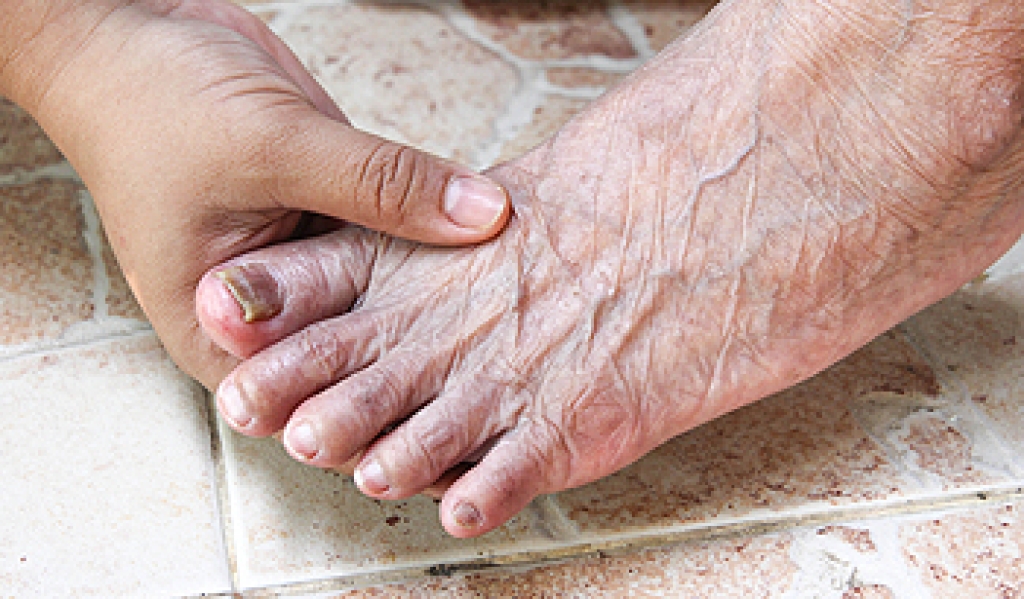
It is normal for the feet to flatten and become wider as the aging process occurs. As the fatty padding gradually wears down, the joints and bones of the feet are more susceptible to basic wear and tear. Range of motion and balance may be negatively affected, and injuries can happen more frequently. Foot care for the elderly can start with washing and drying the feet thoroughly every day, and this may be helpful in preventing bacterial, fungal , and viral infections. This is generally followed by applying a good moisturizer on the feet, which may help to prevent cracked heels from developing. Many people wear cotton socks after this, and this can help to lock in the moisture. When the toenails are properly trimmed, conditions that can include ingrown toenails may be avoided. Many elderly people are confined to a bed or chair for the majority of the day, and bedsores on the heels may develop as a result of this. This can be remedied by raising the heels in the air, which is known as “floating the heels’.  There are additional ways that can help elderly patients take proper care of their feet, and it is suggested that you speak with a podiatrist to learn about these methods.

Proper foot care is something many older adults forget to consider. If you have any concerns about your feet and ankles, contact one of our podiatrists from Pennsylvania Foot & Ankle. Our doctors can provide the care you need to keep you pain-free and on your feet.

The Elderly and Their Feet

As we age we start to notice many changes in our body, but the elder population may not notice them right away. Medical conditions may prevent the elderly to take notice of their foot health right away. Poor vision is a lead contributor to not taking action for the elderly.

Common Conditions 

  • Neuropathy – can reduce feeling in the feet and can hide many life-threatening medical conditions.
  • Reduced flexibility – prevents the ability of proper toenail trimming, and foot cleaning. If left untreated, it may lead to further medical issues.
  • Foot sores – amongst the older population can be serious before they are discovered. Some of the problematic conditions they may face are:
  • Gouging toenails affecting nearby toe
  • Shoes that don’t fit properly
  • Pressure sores
  • Loss of circulation in legs & feet
  • Edema & swelling of feet and ankles

Susceptible Infections

Diabetes and poor circulation can cause general loss of sensitivity over the years, turning a simple cut into a serious issue.

If you have any questions, please feel free to contact one of our offices located in Bensalem, Philadelphia, Northeast Philadelphia, Yardley, PA, and Hamilton, NJ . We offer the newest diagnostic and treatment technologies for all your foot care needs.
Read more about Taking Care of Elderly Feet

Foot Problems in Babies

Among things that can go wrong at birth, newborn foot problems are common. Clubfoot describes an array of deformities that cause a newborn baby’s feet to be twisted, pointing down, and inward. About half of babies born with clubfeet have it in both of their feet. Boys are more likely to be born with this than girls. Clubfoot is not painful, but it can cause long-term problems and affect the child’s ability to walk. Another condition affecting newborns is metatarsus adductus. This is detected when a baby’s toes and forefoot are pointed inward, and it is difficult to straighten them. The baby’s sole resembles a bean. Polydactyly means that a baby has an extra toe or toes. This affliction can run in a family but is not necessarily genetic. Congenital vertical talus is an unusual cause of a type of flatfoot in newborns. With this, the sole of the baby’s foot looks like the bottom of a rocking chair. Congenital curly toes occur when a baby’s toes are abnormally rotated and in a bent position. Overlapping toes happen when the baby’s fifth digit (baby toe) crosses over the top of the fourth toe. With proper treatment, these conditions can be corrected or dealt with, sometimes with surgery, in early childhood. If you have a baby born with a congenital foot problem, please consult with a podiatrist for proper diagnoses and treatments.

Congenital foot problems require immediate attention to avoid future complications. If you have any concerns, contact one of our podiatrists of Pennsylvania Foot & Ankle. Our doctors can provide the care you need to keep you pain-free and on your feet.

Congenital foot problems are deformities affecting the feet, toes, and/or ankles that children are born with. Some of these conditions have a genetic cause while others just happen. Some specific foot ailments that children may be born with include clubfeet, polydactyly/macrodactyly, and cleft foot. There are several other foot anomalies that can occur congenitally. What all of these conditions have in common is that a child may experience difficulty walking or performing everyday activities, as well as trouble finding footwear that fits their foot deformity. Some of these conditions are more serious than others. Consulting with a podiatrist as early as possible will help in properly diagnosing a child’s foot condition while getting the necessary treatment underway.

What are Causes of Congenital Foot Problem?

A congenital foot problem is one that happens to a child at birth. These conditions can be caused by a genetic predisposition, developmental or positional abnormalities during gestation, or with no known cause.

What are Symptoms of Congenital Foot Problems?

Symptoms vary by the congenital condition. Symptoms may consist of the following:

  • Clubfoot, where tendons are shortened, bones are shaped differently, and the Achilles tendon is tight, causing the foot to point in and down. It is also possible for the soles of the feet to face each other.
  • Polydactyly, which usually consists of a nubbin or small lump of tissue without a bone, a toe that is partially formed but has no joints, or an extra toe.
  • Vertical talus, where the talus bone forms in the wrong position causing other bones in the foot to line up improperly, the front of the foot to point up, and the bottom of the foot to stiffen, with no arch, and to curve out.
  • Tarsal coalition, when there is an abnormal connection of two or more bones in the foot leading to severe, rigid flatfoot.
  • Cleft foot, where there are missing toes, a V-shaped cleft, and other anatomical differences.
  • Macrodactyly, when the toes are abnormally large due to overgrowth of the underlying bone or soft tissue.

Treatment and Prevention

While there is nothing one can do to prevent congenital foot problems, raising awareness and receiving neonatal screenings are important. Early detection by taking your child to a podiatrist leads to the best outcome possible.

If you have any questions, please feel free to contact one of our offices located in Bensalem, Philadelphia, Northeast Philadelphia, Yardley, PA, and Hamilton, NJ . We offer the newest diagnostic and treatment technologies for all your foot care needs.

Read more about Congenital Foot Problems

Connect With Us