Connect With Us
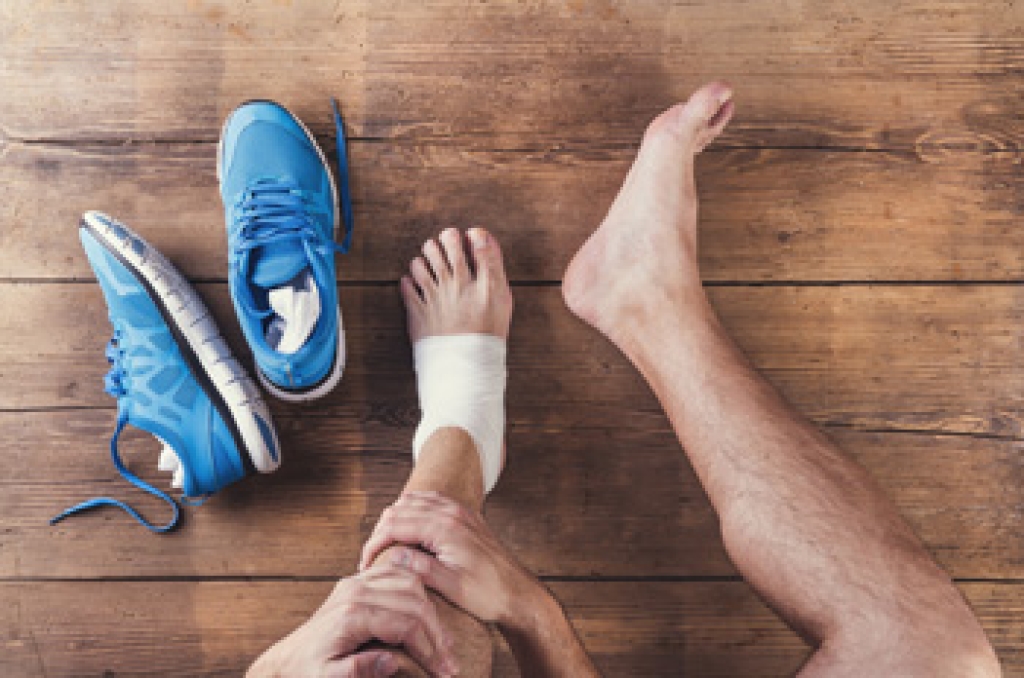
Foot and ankle health is important to runners, both those who run recreationally and those who run professionally. Runners are susceptible to a variety of overuse injuries, including pain in the heel, pain in the ball of the foot, stress fractures or Achilles tendon problems. Heel pain is most commonly associated with plantar fasciitis, which is the inflammation of the tendon that connects the heel bone to the ball of the foot. Pain in the ball of the foot can indicate a neuroma, a pinched nerve between the toes, or inflammation in the ball of the foot. Achilles tendon pain can indicate Achilles tendonitis, and rest will be necessary. Stress fractures, which occur as tiny breaks in the bones, can lead to swelling and pain, and they will need to be rested as well. If you are a frequent runner and are experiencing pain in the feet or ankles, make sure to consult with a podiatrist for proper diagnosis and treatment.
Exercising your feet regularly with the proper foot wear is a great way to prevent injuries. If you have any concerns about your feet, contact one of our podiatrists of Pennsylvania Foot & Ankle. Our doctors will treat your foot and ankle needs.
How to Prevent Running Injuries
Many common running injuries are caused by overuse and overtraining. When the back of the kneecap starts wearing out and starts causing pain in your knee, this is commonly referred to as runner’s knee. Runner’s knee is a decrease in strength in your quadriceps and can occur if you’re not wearing properly fitted or supporting shoes. To prevent runner’s knee, focusing on hip strengthening is a good idea, as well as strengthening your quads to keep the kneecaps aligned.
What Are Some Causes of Running Injuries?
- One cause of a common running injury is called iliotibial band syndrome.
- Plantar fasciitis is also another common injury.
- Stress fractures can occur from overtraining, lack of calcium, or even your running style.
Best Ways to Prevent Running Injuries
- Wear footwear that fits properly and suits your running needs.
- Running shoes are the only protective gear that runners have to safeguard them from injury.
- Make a training schedule. Adding strengthening exercises as well as regular stretching can help keep you strong and limber and can lessen the possibility of injuries.
- Stretching keeps muscles limber; this will help you gain better flexibility.
If you have any questions, please feel free to contact one of our offices located in Bensalem, Philadelphia, Northeast Philadelphia, Yardley, PA, and Hamilton, NJ . We offer the newest diagnostic and treatment technologies for all your foot care needs.
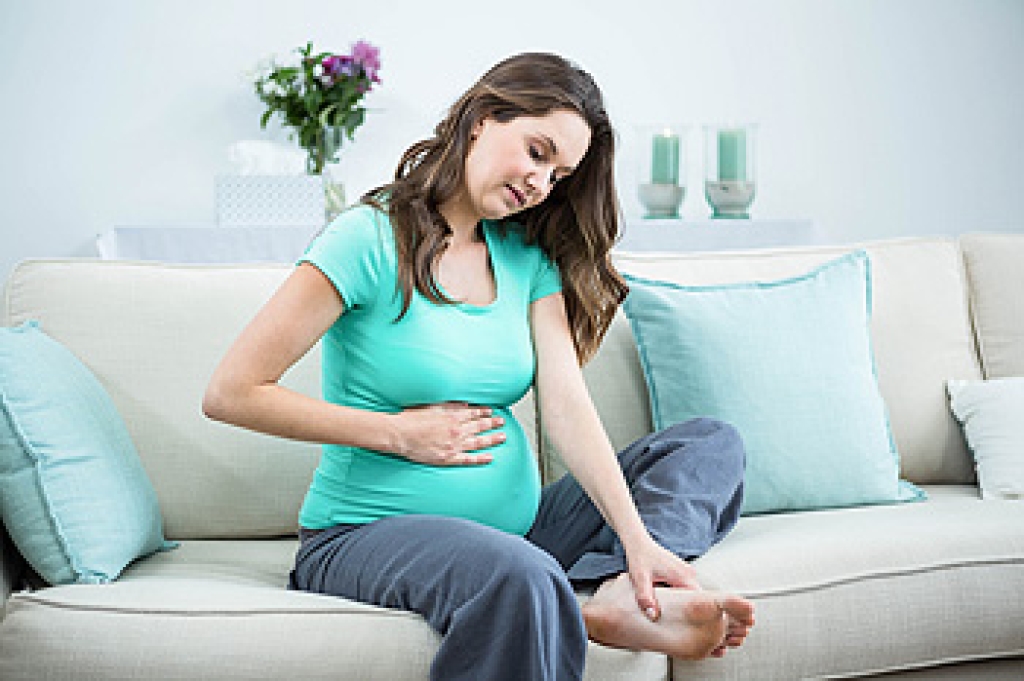
Pregnant women often experience foot pain, and a common ailment during pregnancy can include leg cramps. They may develop as a result of shortened calf muscles, and they can cause severe pain and discomfort. Additional reasons why foot cramps can develop may be from a vitamin deficiency, or an imbalance in electrolytes. This type of pain generally occurs in the third trimester, and will gradually diminish once the baby is born. Relief may be attained when the affected leg is stretched, and the foot is rotated several times in clockwise and counterclockwise directions. If you would like additional information on why leg cramps can occur during pregnancy, and how to prevent them, please consult with a podiatrist.
Pregnant women with swollen feet can be treated with a variety of different methods that are readily available. For more information about other cures for swollen feet during pregnancy, consult with one of our podiatrists from Pennsylvania Foot & Ankle. Our doctors will attend to all of your foot and ankle needs.
What Foot Problems Can Arise During Pregnancy?
One problem that can occur is overpronation, which occurs when the arch of the foot flattens and tends to roll inward. This can cause pain and discomfort in your heels while you’re walking or even just standing up, trying to support your baby.
Another problem is edema, or swelling in the extremities. This often affects the feet during pregnancy but tends to occur in the later stages.
How Can I Keep My Feet Healthy During Pregnancy?
If you have any questions, please feel free to contact one of our offices located in Bensalem, Philadelphia, Northeast Philadelphia, Yardley, PA, and Hamilton, NJ . We offer the newest diagnostic and treatment technologies for all your foot care needs.
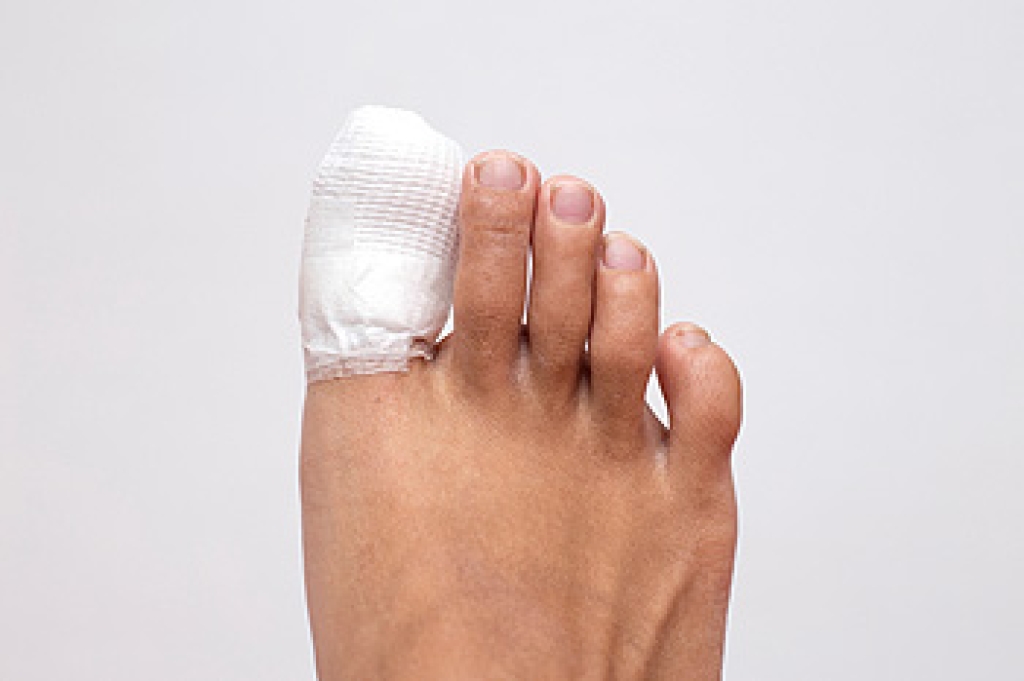
A broken toe is typically the result of trauma. Some examples include stubbing your toe against a piece of furniture, dropping something on your toe, or forcefully bending the toe while playing sports. In some cases small but repetitive injuries to the toe, especially from exercises like running and jumping, can cause a small crack to form in the bone known as a stress fracture. Symptoms of a broken toe include pain that worsens when the affected toe is moved or touched, swelling, bruising, and a decreased range of motion. You may hear a snap or pop in the toe at the time of injury which indicates that the bone may be affected. In more serious cases, the affected toe may look deformed, be pointed in the wrong direction, or be twisted outside of its normal position. Broken toes are diagnosed through physical examination and X-rays. If you believe you have broken your toe it is recommended that you seek the care of a podiatrist.
A broken toe can be very painful and lead to complications if not properly fixed. If you have any concerns about your feet, contact one of our podiatrists from Pennsylvania Foot & Ankle. Our doctors will treat your foot and ankle needs.
What to Know About a Broken Toe
Although most people try to avoid foot trauma such as banging, stubbing, or dropping heavy objects on their feet, the unfortunate fact is that it is a common occurrence. Given the fact that toes are positioned in front of the feet, they typically sustain the brunt of such trauma. When trauma occurs to a toe, the result can be a painful break (fracture).
Symptoms of a Broken Toe
Generally, it is best to stay off of the injured toe with the affected foot elevated.
Severe toe fractures may be treated with a splint, cast, and in some cases, minor surgery. Due to its position and the pressure it endures with daily activity, future complications can occur if the big toe is not properly treated.
If you have any questions, please feel free to contact one of our offices located in Bensalem, Philadelphia, Northeast Philadelphia, Yardley, PA, and Hamilton, NJ . We offer the newest diagnostic and treatment technologies for all your foot care needs.
Connect With Us