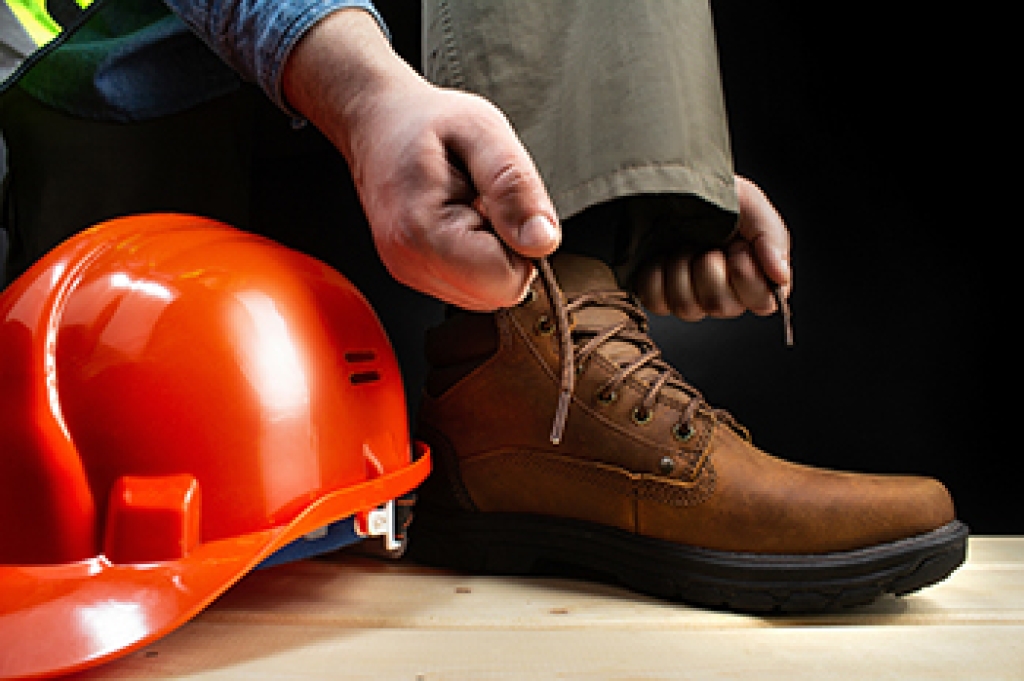
Types of Workplace Foot Injuries

Studies have shown the majority of workplace related injuries that affect the feet are punctures, crushing, sprains, lacerations, slips, trips, and falls. Stepping on nails, shards of glass, or other sharp objects can result in puncture wounds to the feet. These injuries can be particularly dangerous, as they can introduce bacteria into the body, possibly leading to infections. Sharp tools and equipment can cause lacerations to the feet, resulting in bleeding and the risk of infection. Slips and falls can be attributed to wet floors, cluttered walkways, or uneven surfaces. When an employee falls, the feet are often the first point of contact with the ground, making them susceptible to injuries such as fractures, sprains, and bruises. Standing for extended periods of time on hard flooring, combined with wearing ill fitting shoes, can lead to foot fatigue. Fatigue can set employees up for further injuries and decrease their alertness. The main way to avoid many of these types of injuries is by wearing protective footwear appropriate for the type of work environment. If you need help managing foot conditions that result from work related injuries, it is suggested that you consult a podiatrist.

While working on the feet, it is important to take the proper care of them. For more information about working on your feet, contact one of our podiatrists from Pennsylvania Foot & Ankle. Our doctors will treat your foot and ankle needs.

Working on Your Feet

Standing on your feet for long periods of time can cause stress and pain in your feet. Your whole body may experience change in terms of posture, back pain, bunions, callouses and or plantar warts. There are ways to avoid these conditions with proper foot care, smart choices and correct posture.

Positive Changes

Negative heeled shoe – Choosing this shoe type places the heel slightly lower than the ball of the foot. These are great for overall foot health. Find shoes that fit you correctly.

Go barefoot – Our feet were not designed to be enclosed for all hours of the day. Try to periodically expose your feet to air.

Eliminate Pain

Foot Exercises – Performing simple exercises, incorporating yoga and doing stretches are beneficial. This will allow increased blood flow to the area and muscles of the foot.

Achilles tendon – Stretching the foot out flat on the floor will relax the calf muscles and tendon. These exercises can be performed almost anywhere. Make sure you add these exercises to your daily regimen. 

With a little bit of this information and knowing more about foot health, you will notice changes. Foot stretches and proper footwear will help with pain and prevent further issues.

If you have any questions please contact one of our offices located in Bensalem, Philadelphia, Northeast Philadelphia, Yardley, PA, and Hamilton, NJ . We offer the newest diagnostic and treatment technologies for all your foot and ankle needs.
Read more about Working on Your Feet

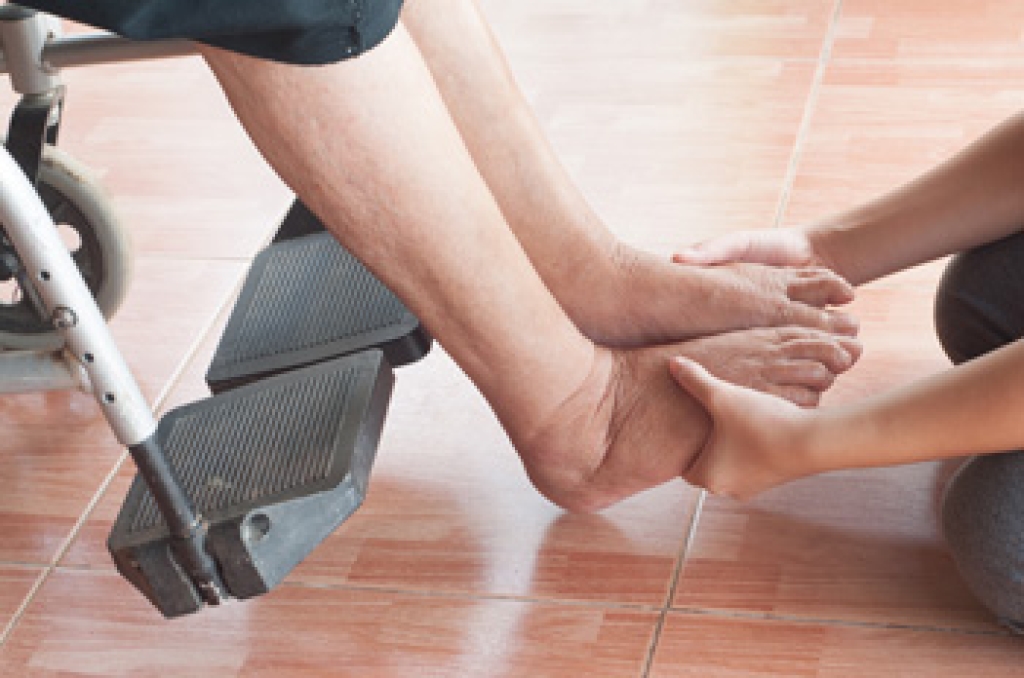
The Importance of Regular Foot Checks for the Elderly

As people age, their feet undergo changes, leading to potential issues like falls, foot ulcers, and discomfort. It is important to evaluate the feet as an essential part of older adults' regular health regimen that can identify and address foot-related concerns. Foot pain and ailments are prevalent among the elderly, necessitating consistent foot maintenance. Some individuals may struggle with basic foot care tasks, such as regular examination, washing, drying, moisturizing the feet, and trimming toenails. Additionally, a routine foot check can identify common issues and help in fall prevention. If you are elderly or taking care of an older person, it is suggested that you make an appointment with a podiatrist to set up a schedule for regular foot examinations and necessary care.

If you need your feet checked, contact one of our podiatrists of Pennsylvania Foot & Ankle. Our doctors will attend to all of your foot and ankle needs and provide you with quality treatment.

Geriatrics and Podiatry
When people age, some common issues that may occur are bone density loss, dry skin, poor circulation, and rough brittle nails. These issues may also affect your foot health if the necessary steps are not taken to alleviate the problems.

It is important to take care of your feet because feet that are injured or diseased can affect your overall health. Having painful feet hinders your ability to do daily activities or may decrease your willingness to do the things that you need to do.

Visiting Your Geriatrician
As we age, health problems become more likely, so it is essential to visit your doctor for check-ups to ensure that you are doing the best you can to take care of your health. It is recommended to check your feet frequently for any possible cuts, bruises, swelling, corns or any other irregularities. 

Taking Care of Elderly Feet
Cracked or dry feet can be treated by applying moisturizer often. It is also important not to wear old socks because the older the sock is, the higher the possibility there will be that there is bacteria there. Wear fresh socks and make sure they fit properly.

Proper foot health means that you can have a more active lifestyle and you will not be bogged down by pain. Foot health also leads to good circulation, which is paramount for overall health.

If you have any questions, please feel free to contact one of our offices located in Bensalem, Philadelphia, Northeast Philadelphia, Yardley, PA, and Hamilton, NJ . We offer the newest diagnostic and treatment technologies for all your foot care needs.

Read more about Geriatrics and Podiatry

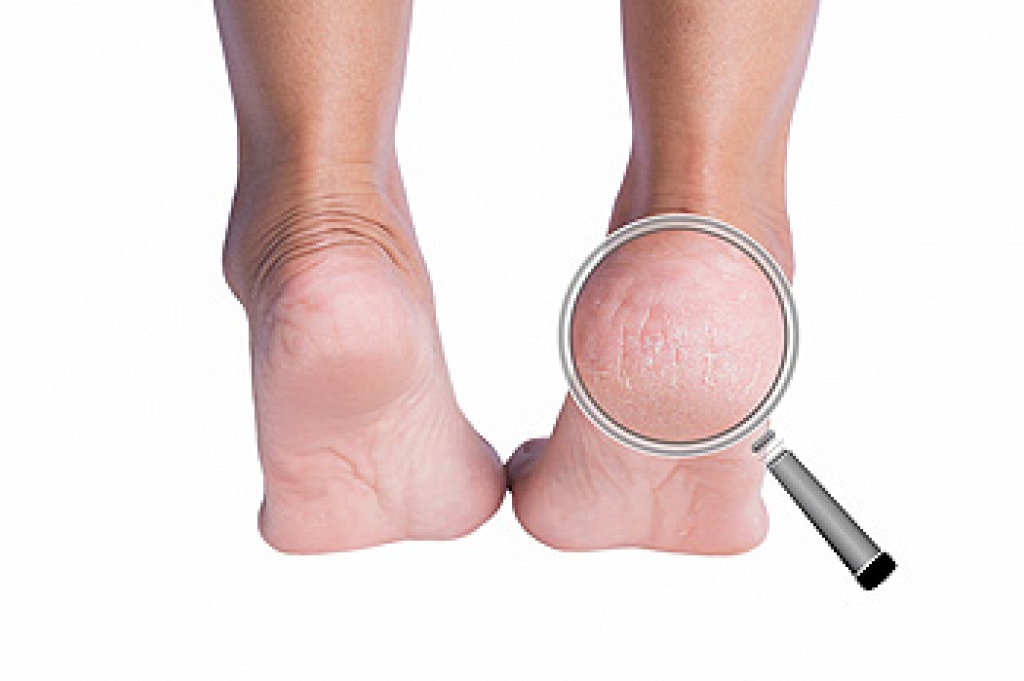
A Deeper Look at Adult Heel Fissures

Heel fissures, also known as cracked heels, are a prevalent foot issue among adults, and they can be both painful and unsightly. These fissures appear as dry, flaky skin, and are often accompanied by deep, painful cracks on the heels. Several factors contribute to the development of heel fissures. One of the primary culprits is dry skin, typically caused by environmental conditions, such as low humidity or excessive heat, which can lead to the loss of natural skin moisture. Walking barefoot, particularly on hard surfaces, can also increase the risk of developing heel fissures. Additionally, underlying health conditions, like diabetes or thyroid disorders, can affect skin health, making individuals more susceptible to these conditions. If heel fissures become severe, it is suggested that you consult a podiatrist to rule out underlying health issues, in addition to receiving appropriate treatment options. 

Cracked heels are unsightly and can cause further damage to your shoes and feet. If you have any concerns, contact one of our podiatrists from Pennsylvania Foot & Ankle. Our doctors can provide the care you need to keep you pain-free and on your feet.

Cracked Heels

Cracked heels appear unappealing and can make it harder for you walk around in sandals. Aside from looking unpleasant, cracked heels can also tear stockings, socks, and wear out your shoes. There are several methods to help restore a cracked heel and prevent further damage.

How Do You Get Them?

Dry skin is the number one culprit in creating cracked heels. Many athletes, walkers, joggers, and even swimmers suffer from cracked heels. Age and skin oil production play a role to getting cracked heels as well.

Promote Healing

Over the counter medicines can help, especially for those that need instant relief or who suffer from chronic dry feet.

Wear Socks – Wearing socks with medicated creams helps lock in moisture.

Moisturizers – Applying both day and night will help alleviate dryness which causes cracking.

Pumice Stones – These exfoliate and remove dead skin, which allows for smoother moisturizer application and better absorption into the skin. 

Change in Diet

Eating healthy with a well-balanced diet will give the skin a fresh and radiant look. Your body responds to the kinds of food you ingest. Omega-3 fatty acids and zinc supplements can also revitalize skin tissue.

Most importantly, seek professional help if unsure how to proceed in treating cracked heels. A podiatrist will help you with any questions or information needed. 

If you have any questions, please feel free to contact one of our offices located in Bensalem, Philadelphia, Northeast Philadelphia, Yardley, PA, and Hamilton, NJ . We offer the newest diagnostic and treatment technologies for all your foot care needs.

Read more about Solutions for Cracked Heels

Are You Suffering From Ingrown Toenails?

If left untreated, an ingrown toenail can lead to more serious concerns, such as an infection. Knowing proper nail care can help in the prevention of an ingrown toenail. Give us a call, and get treated!

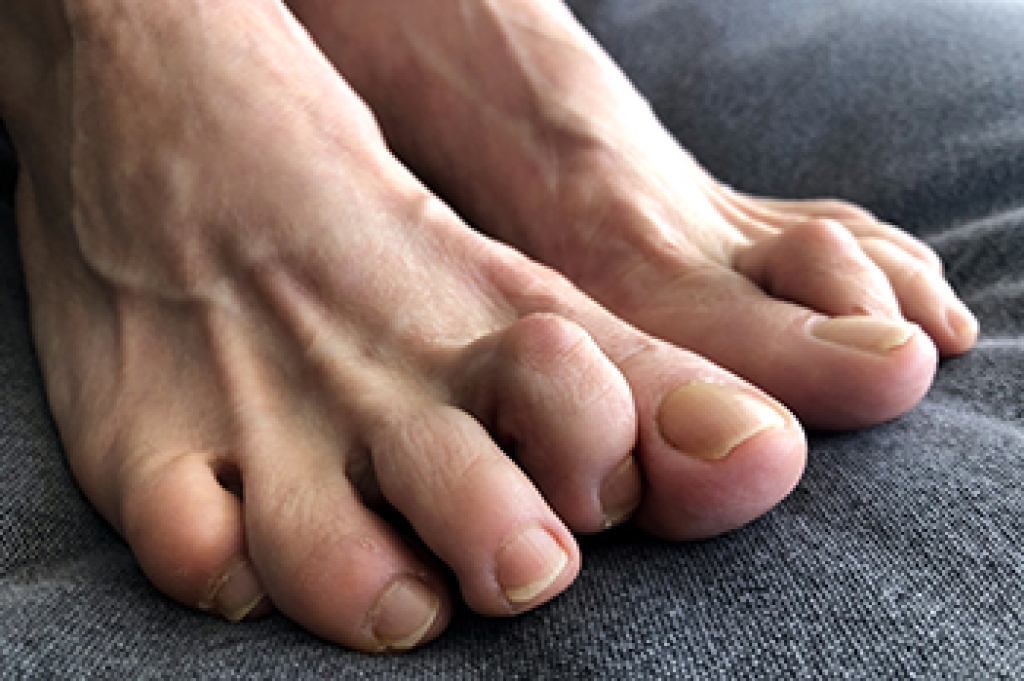
Risk Factors and Symptoms of Hammertoe

Hammertoe is a common foot deformity that affects the alignment of toes, causing them to bend or curl downward instead of pointing forward. This condition can occur in any toe but is most often observed in the second or third toe. While some individuals may have hammertoe from birth, it frequently develops over time due to factors like arthritis or wearing poorly fitting shoes, particularly those with tight, pointed toes. The most noticeable sign of hammertoe is an abnormal bending or curling of the toe. This deformity often leads to discomfort, especially when wearing shoes or walking. The persistent pressure on the bent toe can result in the formation of corns and calluses. A hammertoe may also restrict flexibility in the affected toe, which can impede normal movement. Several factors increase the likelihood of developing hammertoe. A family history of the condition can elevate your risk. The persistent use of tight or pointy-toed shoes is a common risk factor, as these footwear choices can force your toes into an abnormal position. Wearing improperly fitting shoes over an extended period can lead to hammertoe formation. For help in dealing with a hammertoe, it is suggested that you make an appointment with a podiatrist for an exam and treatment options.

Hammertoe

Hammertoes can be a painful condition to live with. For more information, contact one of our podiatrists from Pennsylvania Foot & Ankle. Our doctors will answer any of your foot- and ankle-related questions.

Hammertoe is a foot deformity that affects the joints of the second, third, fourth, or fifth toes of your feet. It is a painful foot condition in which these toes curl and arch up, which can often lead to pain when wearing footwear.

Symptoms

  • Pain in the affected toes
  • Development of corns or calluses due to friction
  • Inflammation
  • Redness
  • Contracture of the toes

Causes

Genetics – People who are genetically predisposed to hammertoe are often more susceptible

Arthritis – Because arthritis affects the joints in your toes, further deformities stemming from arthritis can occur

Trauma – Direct trauma to the toes could potentially lead to hammertoe

Ill-fitting shoes – Undue pressure on the front of the toes from ill-fitting shoes can potentially lead to the development of hammertoe

Treatment

Orthotics – Custom made inserts can be used to help relieve pressure placed on the toes and therefore relieve some of the pain associated with it

Medications – Oral medications such as anti-inflammatories or NSAIDs could be used to treat the pain and inflammation hammertoes causes. Injections of corticosteroids are also sometimes used

Surgery – In more severe cases where the hammertoes have become more rigid, foot surgery is a potential option

If you have any questions, please feel free to contact one of our offices located in Bensalem, Philadelphia, Northeast Philadelphia, Yardley, PA, and Hamilton, NJ . We offer the newest diagnostic and treatment technologies for all your foot care needs.

Read more about Hammertoe

Connect With Us