What to Do About Toe Pain

Toe pain is discomfort or soreness in one or more toes, commonly resulting from various conditions. Frequent causes can include injuries such as sprains or fractures, arthritis, bunions, hammertoes, and ingrown toenails. Toe pain can also arise from wearing tight or improperly fitting shoes, which can lead to blisters, calluses, and corns. For mild cases, resting the foot, wearing comfortable shoes, and taking pain medication may help to alleviate symptoms. For more severe pain, orthotic devices, prescribed medications, and in some cases, surgery might be needed. If you have persistent or severe toe pain, it is suggested that you visit a podiatrist, who can provide a proper diagnosis and treatment plan.

Toe pain can disrupt your daily activities. If you have any concerns, contact one of our podiatrists of Pennsylvania Foot & Ankle. Our doctors can provide the care you need to keep you pain-free and on your feet.

What Causes Toe Pain?

Most severe toe pain is caused due to a sports injury, trauma from dropping something heavy on the toe, or bumping into something rigid. Other problems can develop over time for various reasons.

Toe pain can be caused by one or more ailments. The most common include:

  • Trauma
  • Sports injury
  • Wearing shoes that are too tight
  • Arthritis
  • Gout
  • Corns and calluses
  • Hammertoe
  • Bunions
  • Blisters
  • Ingrown toenails
  • Sprains
  • Fractures (broken bones)
  • Dislocations

When to See a Podiatrist

  • Severe pain
  • Persistent pain that lasts more than a week
  • Signs of infection
  • Continued swelling
  • Pain that prevents walking

Diagnosis

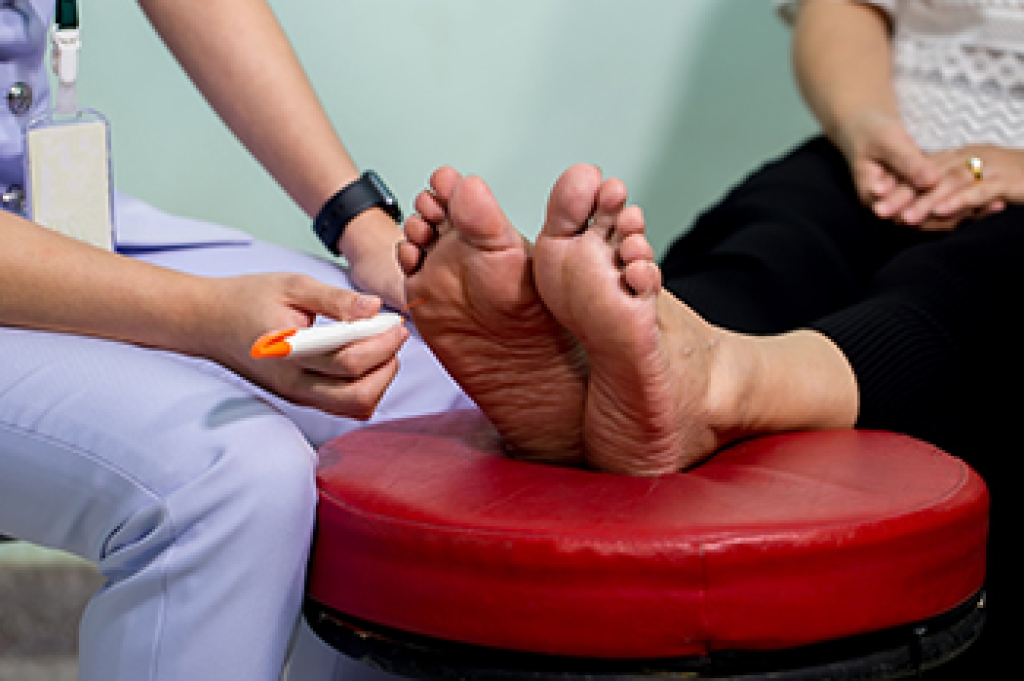
In many cases the cause of toe pain is obvious, but in others, a podiatrist may want to use more advanced methods to determine the problem. These can range from simple visual inspections and sensation tests to X-rays and MRI scans. Prior medical history, family medical history, and any recent physical traumatic events will all be taken into consideration for a proper diagnosis.

Treatment

Treatments for toe pain and injuries vary and may include shoe inserts, padding, taping, medicines, injections, and in some cases, surgery. If you believe that you have broken a toe, please see a podiatrist as soon as possible.

If you have any questions please contact one of our offices located in Bensalem, Philadelphia, Northeast Philadelphia, Yardley, PA, and Hamilton, NJ . We offer the newest diagnostic and treatment technologies for all your foot and ankle needs.

Read more about Toe Pain

How Foot Bones Work Together in Ballet

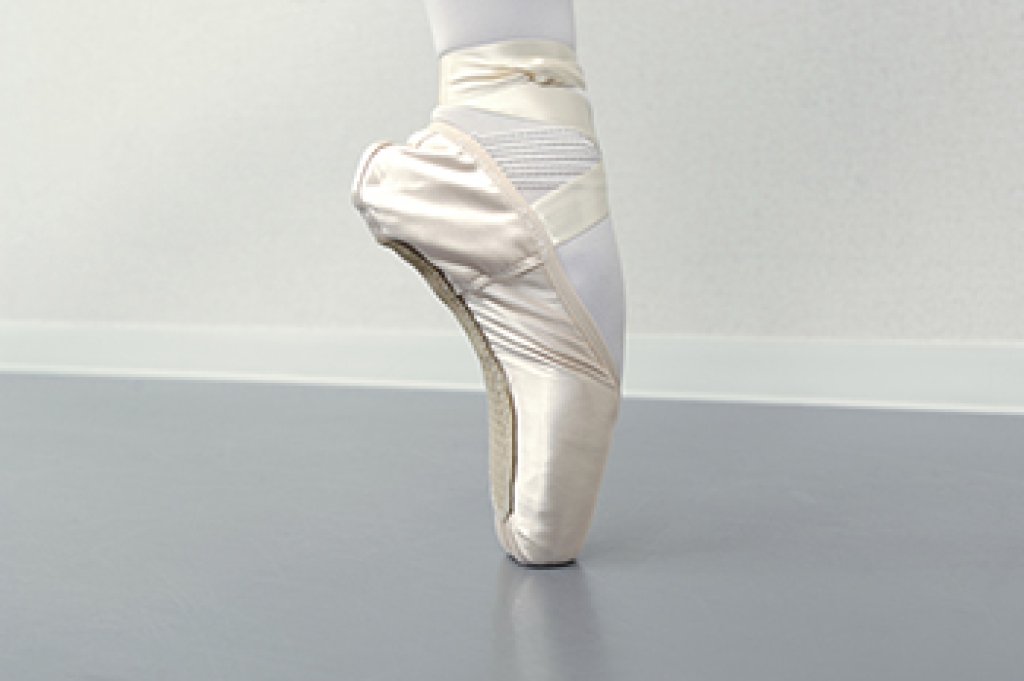
In ballet, the coordination of foot bones is essential for achieving fluid and graceful movements. During a tendu, the foot extends and stretches, with the bones and tendons working together to create a smooth, elongated line. A plié involves bending the knees while keeping the feet firmly grounded, requiring precise articulation of the ankle and foot bones to maintain balance and control. Port-de-bras, the movement of the arms in coordination with the feet, enhances overall fluidity and expression. Effective foot and ankle articulation involves strengthening the muscles and tendons surrounding these areas to ensure flexibility and stability. Proper technique and consistent practice help ballet dancers achieve aesthetic, elegant movements and avoid injury through careful, controlled use of the foot bones and surrounding structures. If you are a ballet dancer, and have injured your foot or ankle, it is suggested that you consult a podiatrist who can provide treatment and guide you on how to perform specific stretches for optimal results.

If you have any concerns about your feet, contact one of our podiatrists from Pennsylvania Foot & Ankle. Our doctors can provide the care you need to keep you pain-free and on your feet.

Biomechanics in Podiatry

Podiatric biomechanics is a particular sector of specialty podiatry with licensed practitioners who are trained to diagnose and treat conditions affecting the foot, ankle and lower leg. Biomechanics deals with the forces that act against the body, causing an interference with the biological structures. It focuses on the movement of the ankle, the foot and the forces that interact with them.

A History of Biomechanics

  • Biomechanics dates back to the BC era in Egypt where evidence of professional foot care has been recorded.
  • In 1974, biomechanics gained a higher profile from the studies of Merton Root, who claimed that by changing or controlling the forces between the ankle and the foot, corrections or conditions could be implemented to gain strength and coordination in the area.

Modern technological improvements are based on past theories and therapeutic processes that provide a better understanding of podiatric concepts for biomechanics. Computers can provide accurate information about the forces and patterns of the feet and lower legs.

Understanding biomechanics of the feet can help improve and eliminate pain, stopping further stress to the foot.

If you have any questions please feel free to contact one of our offices located in Bensalem, Philadelphia, Northeast Philadelphia, Yardley, PA, and Hamilton, NJ . We offer the newest diagnostic and treatment technologies for all your foot and ankle needs.
Read more about Biomechanics in Podiatry

Facts About Bunion Surgery

A bunion is a bony bump at the base of the big toe, causing it to lean toward the second toe. This deformity, consisting of bone and soft tissue, can result in significant discomfort. Bunions often develop from wearing tight or narrow shoes, particularly among women. Heredity also may play a part in bunion development. When lifestyle changes like wearing wider shoes and using protective pads do not alleviate the pain, bunion removal surgery, or a bunionectomy, may be necessary. This outpatient procedure can involve osteotomy to realign the toe or exostectomy to remove the bunion. Post-surgery, recovery typically takes six to eight weeks, with full recovery in four to six months. Patients initially wear a surgical boot or cast, and gradually transition to weight-bearing activities. Long-term success after bunion surgery hinges on proper footwear choices to prevent recurrence. If you are experiencing toe pain from a bunion, it is suggested that you schedule an appointment with a podiatrist for an exam, diagnosis, and treatment options.

If you are suffering from bunion pain, contact one of our podiatrists of Pennsylvania Foot & Ankle. Our doctors can provide the care you need to keep you pain-free and on your feet.

What Is a Bunion?

Bunions are painful bony bumps that usually develop on the inside of the foot at the joint of the big toe. As the deformity increases over time, it may become painful to walk and wear shoes. Women are more likely to exacerbate existing bunions since they often wear tight, narrow shoes that shift their toes together. Bunion pain can be relieved by wearing wider shoes with enough room for the toes.

Causes

  • Genetics – some people inherit feet that are more prone to bunion development
  • Inflammatory Conditions - rheumatoid arthritis and polio may cause bunion development

Symptoms

  • Redness and inflammation
  • Pain and tenderness
  • Callus or corns on the bump
  • Restricted motion in the big toe

In order to diagnose your bunion, your podiatrist may ask about your medical history, symptoms, and general health. Your doctor might also order an x-ray to take a closer look at your feet. Nonsurgical treatment options include orthotics, padding, icing, changes in footwear, and medication. If nonsurgical treatments don’t alleviate your bunion pain, surgery may be necessary.

If you have any questions, please feel free to contact one of our offices located in Bensalem, Philadelphia, Northeast Philadelphia, Yardley, PA, and Hamilton, NJ . We offer the newest diagnostic and treatment technologies for all your foot care needs.

Read more about What Are Bunions?

Managing an Infected Blister

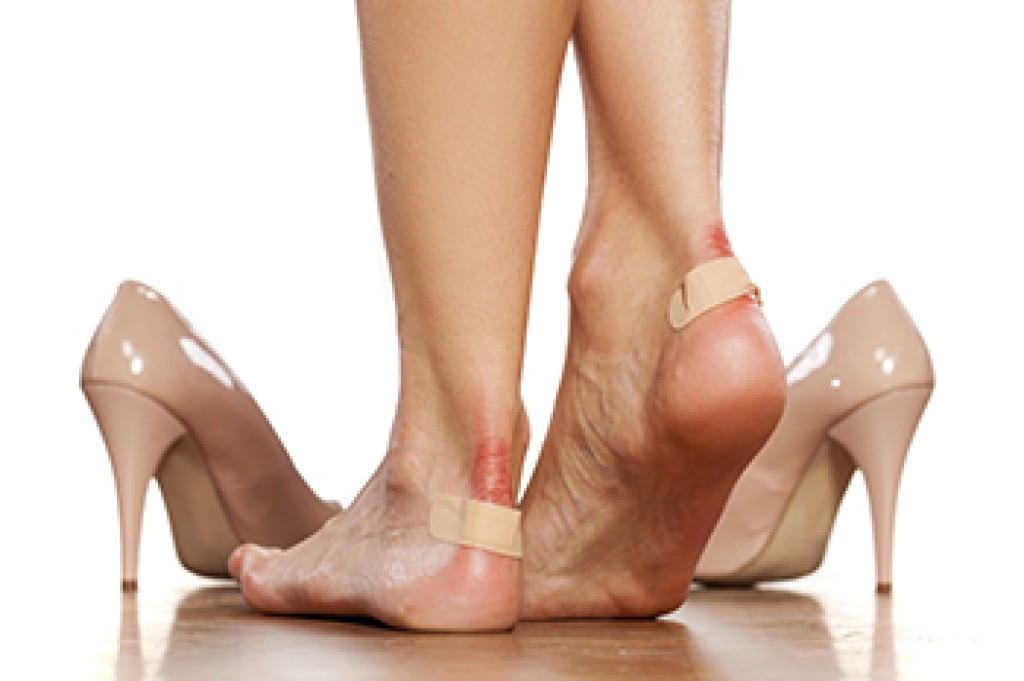
Blisters, often caused by friction from wearing ill-fitting shoes, are fluid-filled bubbles that protect injured skin. While they generally heal on their own, blisters can become infected if the protective skin breaks. An infected blister may feel warm, produce pus, and emit a foul odor. Other symptoms can include increased pain, swelling, and bleeding. Without proper care, an infected blister can lead to serious complications like cellulitis or sepsis, both of which require urgent medical attention. It is important to keep the blister clean and monitor it closely for signs of infection. If an infection is suspected, a podiatrist can provide the appropriate treatment, which might involve draining the blister and prescribing antibiotics or antifungal medications. Podiatrists are equipped to manage and treat infected blisters effectively, ensuring proper healing and preventing further health risks. If you have a foot blister that has become infected, it is suggested that you schedule an appointment with a podiatrist for an exam and treatment options.

Blisters may appear as a single bubble or in a cluster. They can cause a lot of pain and may be filled with pus, blood, or watery serum. If your feet are hurting, contact one of our podiatrists of Pennsylvania Foot & Ankle. Our doctors can provide the care you need to keep you pain-free and on your feet.

Foot Blisters

Foot blisters are often the result of friction. This happens due to the constant rubbing from shoes, which can lead to pain.

What Are Foot Blisters?

A foot blister is a small fluid-filled pocket that forms on the upper-most layer of the skin. Blisters are filled with clear fluid and can lead to blood drainage or pus if the area becomes infected.

Symptoms

(Blister symptoms may vary depending on what is causing them)

  • Bubble of skin filled with fluid
  • Redness
  • Moderate to severe pain
  • Itching

Prevention & Treatment

In order to prevent blisters, you should be sure to wear comfortable shoes with socks that cushion your feet and absorb sweat. Breaking a blister open may increase your chances of developing an infection. However, if your blister breaks, you should wash the area with soap and water immediately and then apply a bandage to the affected area. If your blisters cause severe pain it is important that you call your podiatrist right away.

If you have any questions, please feel free to contact one of our offices located in Bensalem, Philadelphia, Northeast Philadelphia, Yardley, PA, and Hamilton, NJ . We offer the newest diagnostic and treatment technologies for all your foot care needs.

Read more about Blisters

Gout Pain Can Be Managed

Gout is a painful, inflammatory form of arthritis. Those affected will typically feel an intense stiffness in the joints of their feet, particularly in the big toe. Schedule a visit to learn about how gout can be managed and treated.

Tips for Diabetic Foot Care

Ensuring optimal foot health is essential for individuals with diabetes. Through a daily foot care routine, a diabetic individual can significantly reduce the effect of complications, such as peripheral neuropathy and artery disease. Maintaining stable glucose levels helps to preserve nerve and blood vessel health in the feet. Suggestions for diabetic foot care include undergoing an annual review of your feet with a podiatrist who is trained to recognize foot problems related to diabetes. It is also helpful to regularly inspect your feet for signs of redness, pain, swelling, or skin damage, and be vigilant for any changes in sensation. Conduct the touch-the-toes test to assess feeling in your toes, and take notice of sores or cuts in the feet or ankles that do not heal promptly. Prioritize proper toenail care to prevent ingrown nails that can lead to infections. Avoid using corn removing plasters or blades to prevent skin damage, and opt for wearing well-fitting shoes that provide adequate support and protection. By adhering to these measures and seeking help from a podiatrist as needed, diabetic patients can more effectively manage their foot health. If you have diabetes, It is suggested that you include a podiatrist as an active member of your health care team. 

Diabetic foot care is important in preventing foot ailments such as ulcers. If you are suffering from diabetes or have any other concerns about your feet, contact one of our podiatrists from Pennsylvania Foot & Ankle. Our doctors can provide the care you need to keep you pain-free and on your feet.

Diabetic Foot Care

Diabetes affects millions of people every year. The condition can damage blood vessels in many parts of the body, especially the feet. Because of this, taking care of your feet is essential if you have diabetes, and having a podiatrist help monitor your foot health is highly recommended.

The Importance of Caring for Your Feet

  • Routinely inspect your feet for bruises or sores.
  • Wear socks that fit your feet comfortably.
  • Wear comfortable shoes that provide adequate support.

Patients with diabetes should have their doctor monitor their blood levels, as blood sugar levels play such a huge role in diabetic care. Monitoring these levels on a regular basis is highly advised.

It is always best to inform your healthcare professional of any concerns you may have regarding your feet, especially for diabetic patients. Early treatment and routine foot examinations are keys to maintaining proper health, especially because severe complications can arise if proper treatment is not applied.

If you have any questions, please feel free to contact one of our offices located in Bensalem, Philadelphia, Northeast Philadelphia, Yardley, PA, and Hamilton, NJ . We offer the newest diagnostic and treatment technologies for all your foot care needs.

Read more about Diabetic Foot Care

Making Sure Shoes Fit Right

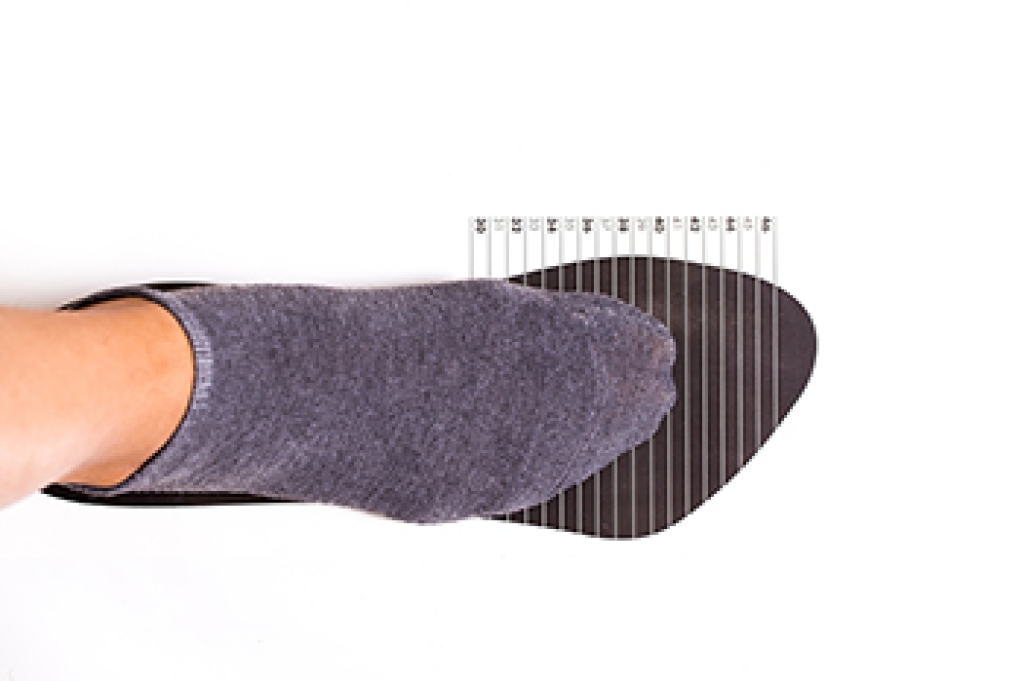
Proper shoe fitting is important for both comfort and performance, with different needs for walking and running shoes. Walking shoes prioritize support and cushioning to handle the consistent, moderate impact of walking while running shoes are designed to absorb the higher impact and repetitive strain of running. Understanding your foot type is essential in selecting the right shoe. Neutral feet maintain a balanced stride, rigid feet need more cushioning to absorb shock, and flexible feet benefit from stability features to control excessive movement. To determine your foot type, observe your arches. Low arches indicate flexible feet, high arches suggest rigid feet and neutral arches are balanced. Additionally, examining your shoe wear pattern can reveal your tread type. In the store, ensure shoes fit well without rubbing or pinching, as these issues can lead to discomfort or injury. If you are in the market for new shoes, it is suggested that you visit a podiatrist for personalized advice.

Finding a properly-fitting shoe is important in reducing injuries and preventing foot problems. For more information about treatment, contact one of our podiatrists from Pennsylvania Foot & Ankle. Our doctors will treat your foot and ankle needs.

Proper Shoe Fitting

A common concern when it comes to foot health, having properly fitted shoes can help prevent injuries to the foot. Out feet affect our posture and gait, which in turn affects the biomechanics and overall bodily structure. With 33 joints, 26 bones, and over 100 ligaments, the potential for serious injury is much greater than one realizes. Although the feet cease growth in adulthood, they still change shape as they mature. Here are some factors to consider when it comes to investing in proper fitting shoes:

  • Be sure the shoes fit correctly right away
  • Ensure the ball of your foot fits comfortably in the widest portion of the shoes
  • Even though they may look fashionable, improper fitting shoes can either create adverse conditions or exacerbate existing ones you may already have
  • Walk along a carpeted surface to ensure the shoes comfortably fit during normal activity

Keeping in mind how shoes fit the biomechanics of your body, properly-fitting shoes are vitally important. Fortunately, it is not difficult to acquire footwear that fits correctly. Be sure to wear shoes that support the overall structure of your body. Do your feet a favor and invest in several pairs of well-fitted shoes today.

If you have any questions, please feel free to contact one of our offices located in Bensalem, Philadelphia, Northeast Philadelphia, Yardley, PA, and Hamilton, NJ . We offer the newest diagnostic and treatment technologies for all your foot care needs.

Read more about How to Get a Proper Shoe Fit

Dangers of Blood Clots in Your Foot

Blood clots in the feet, also known as venous blood clots, pose significant health risks and require immediate medical attention. These clots can be caused by several factors, including poor blood circulation due to prolonged sitting or lying down, diabetes, and dehydration. Damaged veins from injury, infection, or surgery are other contributing factors. In addition, blood clots in the feet can result from taking certain medications like birth control pills, hormone therapy drugs, glucocorticoids, and antidepressants. Symptoms such as swelling, discoloration, varicose veins, and intense pain or numbness in the foot are indicators of potential blood clots. If left untreated, blood clots can travel to vital organs, potentially causing life-threatening conditions like pulmonary embolism, heart attack, or stroke. A podiatrist can play a critical role in managing blood clots in the feet by diagnosing the condition, providing appropriate treatments like blood thinners or thrombolytic therapy, and offering preventive measures. If you have developed blood clots in the feet, it is suggested that you make an appointment with a podiatrist for an exam and treatment options.

While poor circulation itself isn’t a condition; it is a symptom of another underlying health condition you may have. If you have any concerns with poor circulation in your feet contact one of our podiatrists of Pennsylvania Foot & Ankle. Our doctors will treat your foot and ankle needs.

Poor Circulation in the Feet

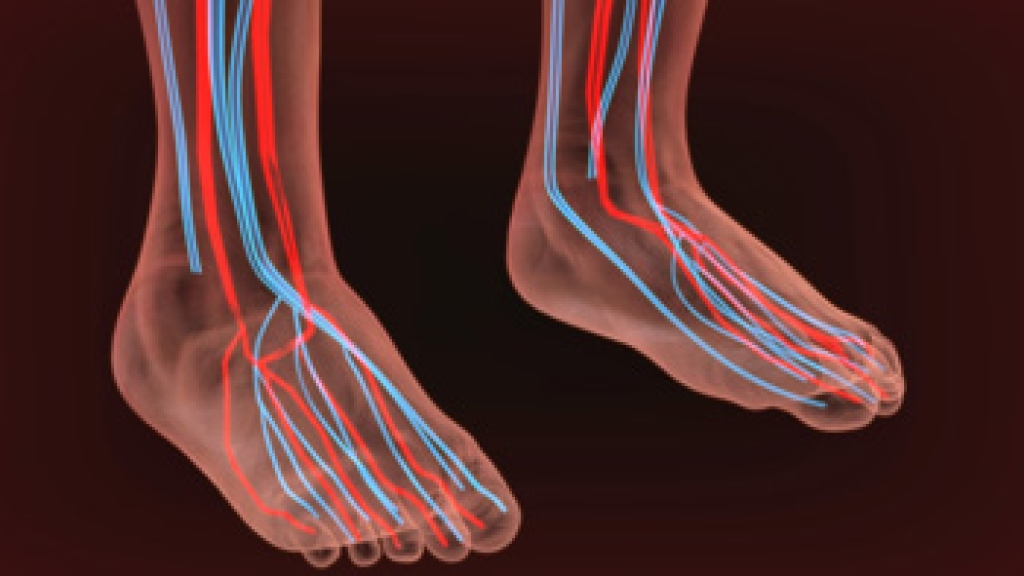
Peripheral artery disease (PAD) can potentially lead to poor circulation in the lower extremities. PAD is a condition that causes the blood vessels and arteries to narrow. In a linked condition called atherosclerosis, the arteries stiffen up due to a buildup of plaque in the arteries and blood vessels. These two conditions can cause a decrease in the amount of blood that flows to your extremities, therefore resulting in pain.

Symptoms

Some of the most common symptoms of poor circulation are:

  • Numbness
  • Tingling
  • Throbbing or stinging pain in limbs
  • Pain
  • Muscle Cramps

Treatment for poor circulation often depends on the underlying condition that causes it. Methods for treatment may include insulin for diabetes, special exercise programs, surgery for varicose veins, or compression socks for swollen legs.

As always, see a podiatrist as he or she will assist in finding a regimen that suits you. A podiatrist can also prescribe you any needed medication. 

If you have any questions, please feel free to contact one of our offices located in Bensalem, Philadelphia, Northeast Philadelphia, Yardley, PA, and Hamilton, NJ . We offer the newest diagnostic and treatment technologies for all your foot care needs.

Read more about Causes Symptoms and Treatment for Poor Circulation in the Feet

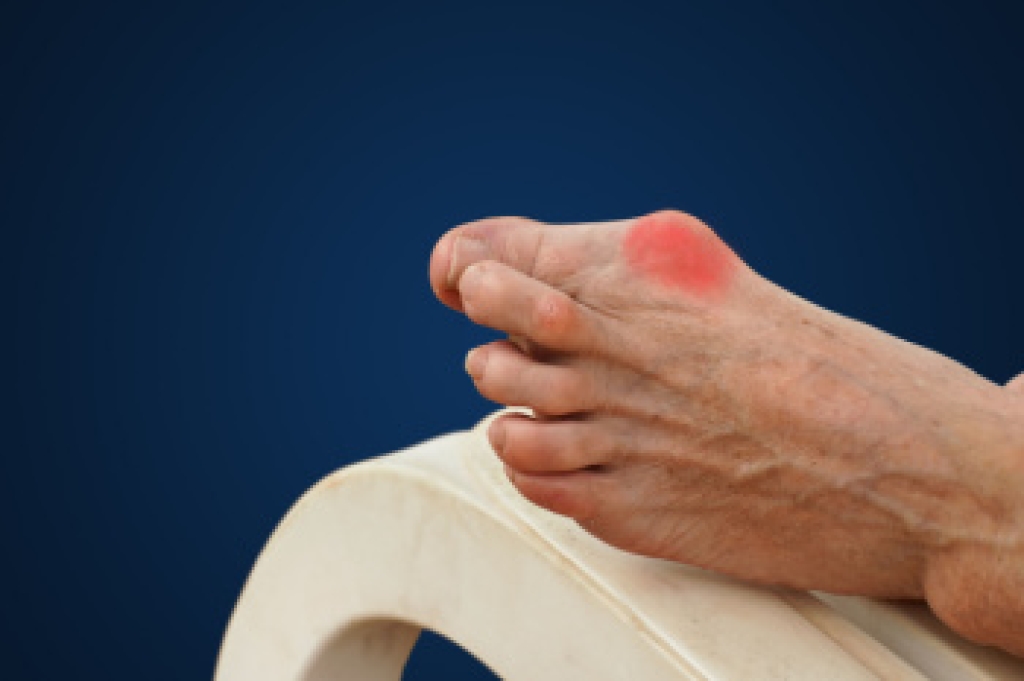
Are Bunions Affecting Your Everyday Life?

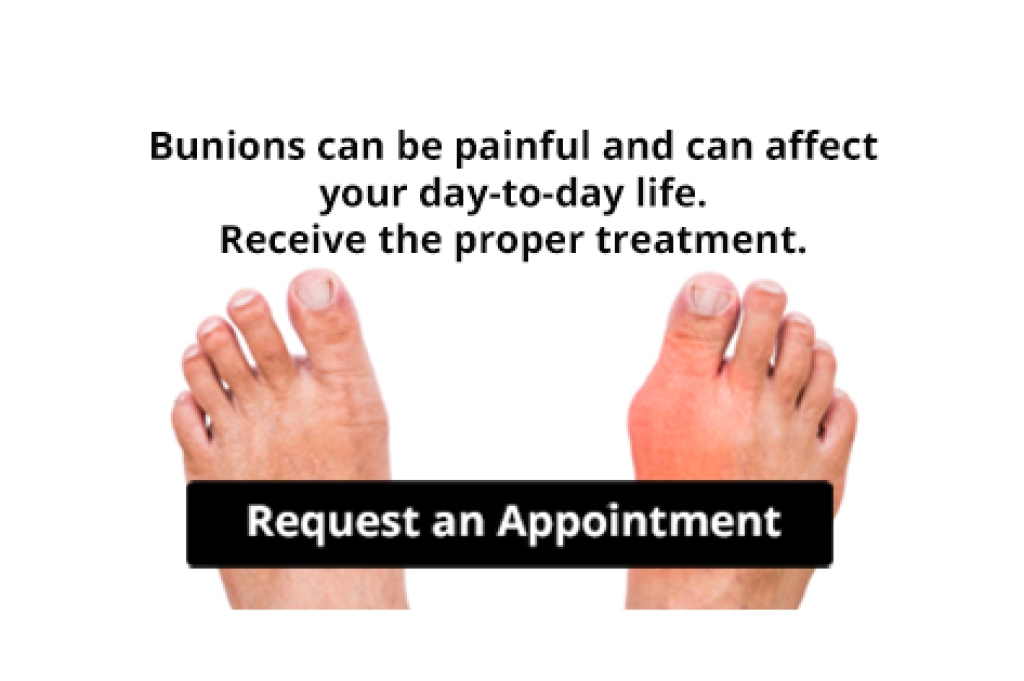
Have you noticed a bony protrusion on the side of your big toe? If so, you may have developed the foot condition known as a bunion. Don't let bunions interfere with your daily activities.

Connect With Us