
Do you suffer from heel pain when you get up in the morning? If so, you should seek professional help and have a proper diagnosis performed. Heel pain can be caused by several different foot-related conditions.
Do you suffer from heel pain when you get up in the morning? If so, you should seek professional help and have a proper diagnosis performed. Heel pain can be caused by several different foot-related conditions.
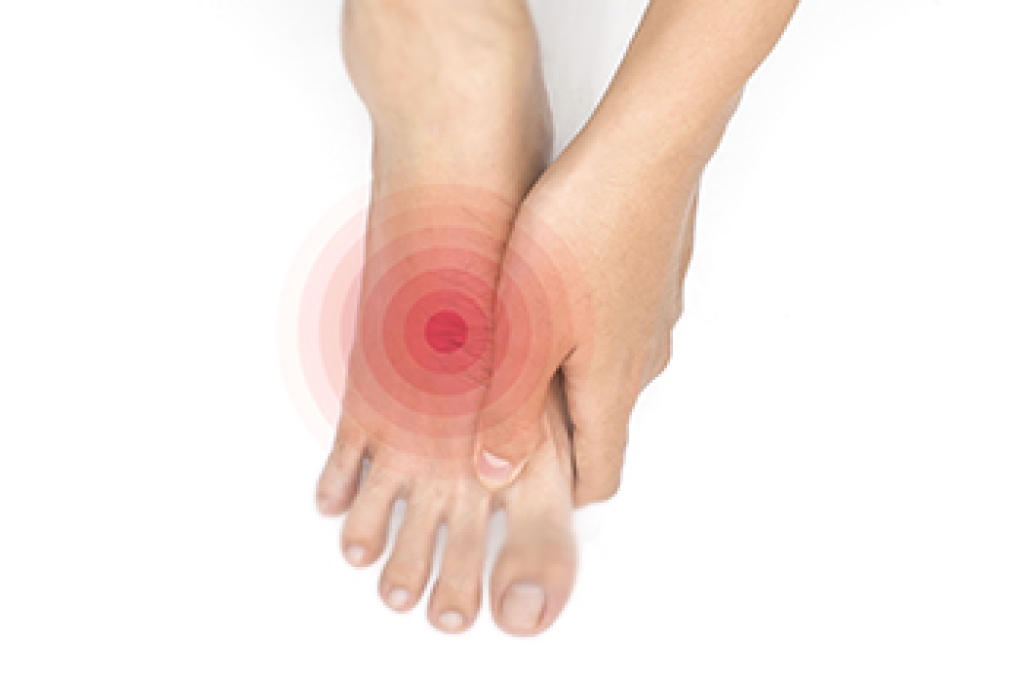
A common side effect of diabetes is the tendency to develop peripheral neuropathy and circulation problems. Both are the result of long-term high blood sugar levels. As a result, the feet may become numb and the ability to heal may be impeded. These consequences can lead to the development of foot ulcers. Because the feet become numb, cuts and cracks in the skin may not be felt, and because of arterial disease that constricts the blood vessels to the extremities, healing takes longer. For those reasons, a daily routine of foot care is essential to anyone with diabetes. Medical professionals, such as podiatrists, suggest that washing and drying the feet daily is a must. Examining the feet for sores or cuts should happen daily. Keeping the feet elevated as often as possible is also a good idea. Experts also recommend changing to footwear that fits well, and wearing socks can help to protect the feet. For treatment of foot problems related to diabetes, it is suggested that you make regular visits to a podiatrist.
Diabetic foot care is important in preventing foot ailments such as ulcers. If you are suffering from diabetes or have any other concerns about your feet, contact one of our podiatrists from Pennsylvania Foot & Ankle. Our doctors can provide the care you need to keep you pain-free and on your feet.
Diabetic Foot Care
Diabetes affects millions of people every year. The condition can damage blood vessels in many parts of the body, especially the feet. Because of this, taking care of your feet is essential if you have diabetes, and having a podiatrist help monitor your foot health is highly recommended.
The Importance of Caring for Your Feet
Patients with diabetes should have their doctor monitor their blood levels, as blood sugar levels play such a huge role in diabetic care. Monitoring these levels on a regular basis is highly advised.
It is always best to inform your healthcare professional of any concerns you may have regarding your feet, especially for diabetic patients. Early treatment and routine foot examinations are keys to maintaining proper health, especially because severe complications can arise if proper treatment is not applied.
If you have any questions, please feel free to contact one of our offices located in Bensalem, Philadelphia, Northeast Philadelphia, Yardley, PA, and Hamilton, NJ . We offer the newest diagnostic and treatment technologies for all your foot care needs.
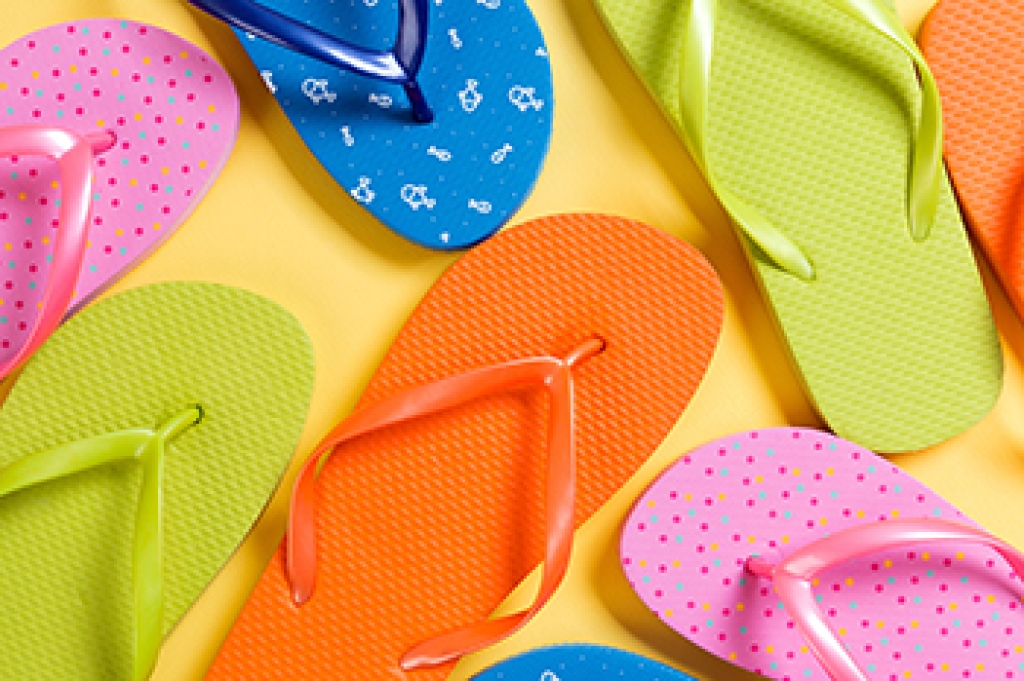
Flip-flops are easy to wear, which makes them a popular shoe choice for the summer months. Despite their simplicity, they may potentially harm the feet. Many flip-flops are made of flimsy materials and lack adequate cushioning in the heel area. Heel pain may ensue, possibly leading to plantar fasciitis. Pain may also develop in the middle of the arch which may be a symptom of tibial tendonitis. The toes may become cramped from keeping the shoe on the foot, and cause the entire foot to ache. People who enjoy wearing flip-flops may benefit from walking shorter distances in them or limiting the places they are worn. They are ideal shoes to wear to the beach, pool, or locker rooms, but are not suited for other environments. It is beneficial to purchase flip-flops that have a stiff sole, and this may help to provide adequate arch support. If you have questions about how flip-flops can affect the feet, it is suggested that you confer with a podiatrist who can provide you with useful information.
Flip-flops can cause a lot of problems for your feet. If you have any concerns about your feet or ankles, contact one of our podiatrists from Pennsylvania Foot & Ankle. Our doctors will assist you with all of your foot and ankle needs.
Flip-Flops and Feet
Flip-flops have managed to become a summer essential for a lot of people. While the shoes may be stylish and easy to slip on and off, they can be dangerous to those who wear them too often. These shoes might protect you from fungal infections such as athlete’s foot, but they can also give you foot pain and sprained ankles if you trip while wearing them.
When Are They Okay to Wear?
Flip-flops should only be worn for very short periods of time. They can help protect your feet in places that are crawling with fungi, such as gym locker rooms. Athlete’s foot and plantar warts are two common fungi that flip-flops may help protect your feet against.
Why Are They Bad for My Feet?
These shoes do not offer any arch support, so they are not ideal for everyday use. They also do not provide shock absorption or heel cushioning which can be problematic for your feet. Additionally, you may suffer from glass cuts, puncture wounds, and stubbed toes since they offer little protection for your feet.
More Reasons Why They Are Bad for Your Feet
If you have any questions, please feel free to contact one of our offices located in Bensalem, Philadelphia, Northeast Philadelphia, Yardley, PA, and Hamilton, NJ . We offer the newest diagnostic and treatment technologies for all your foot care needs.
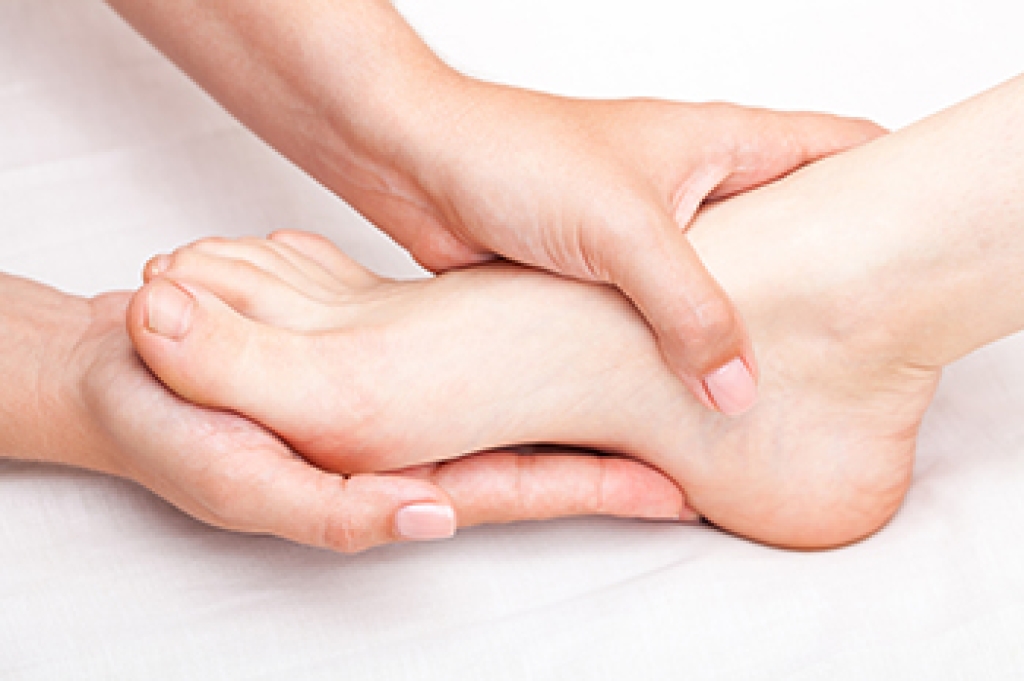
A plantar fibroma is a firm mass found under the skin on the sole of the foot. It is a benign growth and may be noticed while walking or standing. It is defined as excess collagen, which may cause chronic pain, in addition to gradually increasing in size. A potential cause for a plantar fibroma to develop may be trauma that has happened to the plantar fascia. This can range from a puncture to the skin from repetitive motions, like running or climbing. Studies suggest there may be genetic factors responsible for a plantar fibroma, and they may affect people of European descent more than other nationalities. This condition may be more prevalent among people with existing conditions, such as diabetes, liver disease, or specific seizure disorders. If you notice a growth in the bottom of your foot, it is suggested that you consult with a podiatrist who can guide you toward the correct treatment options.
A plantar fibroma may disrupt your daily activities. If you have any concerns, contact one of our podiatrists of Pennsylvania Foot & Ankle. Our doctors can provide the care you need to keep you pain-free and on your feet.
Plantar Fibroma
A plantar fibroma is a fibrous knot in the arch of the foot. It is embedded in the plantar fascia which is a band of tissue that extends from the heel to the toes along the bottom of the foot. There can be multiple plantar fibromas in the feet at the same time. There are no known causes for this condition. If you have a plantar fibroma, there will be a bump in the arch of your foot that cannot be missed. Any associated pain is most often due to a shoe rubbing against the nodule. Non-surgical options, such as steroid injections, physical therapy, and orthotics should be tried first. Surgery is a last resort and is the only thing that will remove a plantar fibroma entirely. Consult with a podiatrist for a proper diagnosis and to determine the treatment regimen that is right for you.
What Causes a Plantar Fibroma?
While there are no specific causes identified, a plantar fibroma can possibly come from genetic predisposition or the formation of scar tissue that forms from healing the tears in the plantar fascia.
What Are the Symptoms of a Plantar Fibroma?
There will be a noticeable lump in the arch of the foot that may or may not cause pain. If pain is felt, it is typically because a shoe is rubbing up against the lump or when walking or standing barefoot.
Treatment and Prevention
A plantar fibroma will not disappear without treatment, but it can get smaller and be a non-issue. If pain persists, a podiatrist examines the foot and when the arch of the foot is pressed, pain can be felt down to the toes. An MRI or biopsy might be performed to help diagnose or evaluate the plantar fibroma. The following non-surgical options are generally enough to reduce the size and pain of these nodules:
Surgery is considered if the mass increases in size and the patient continues to feel pain after non-surgical methods are tried.
If you have any questions, please feel free to contact one of our offices located in Bensalem, Philadelphia, Northeast Philadelphia, Yardley, PA, and Hamilton, NJ . We offer the newest diagnostic and treatment technologies for all your foot care needs.

Custom orthotics, or shoe inserts, should be periodically replaced. Orthotics must fit properly to give you the best results. Protect your feet and ankles!
Connect With Us
