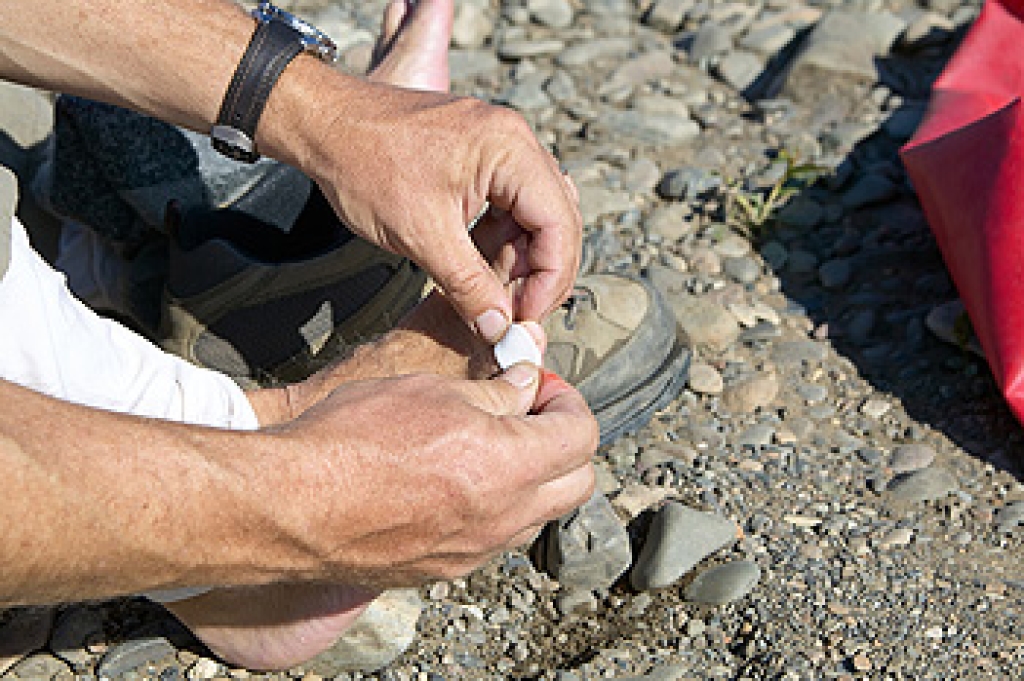
Causes and Prevention of Friction Blisters

There are many causes of blisters but the most common is friction. The formation of a friction blister is the body’s way of protecting the layers of skin. They often appear on your feet after walking or running for long periods. If the feet are warm or damp, the risk of a blister developing increases. The friction on the outer layer of skin on the toe or heel against the inside of a shoe can cause the blister to tear. This causes a plasma-like fluid to leak and fill the gap. The fluid encourages new skin cells to develop as well as form a new covering. Eventually, a new top skin layer forms and the blister subsides. But that sequence of events is largely dependent upon stopping the activity that caused the friction and replacing the shoes too. Putting on protective bandages can help to eliminate pain. If you have a blister that has become extremely painful or possibly infected, it is wise to visit a podiatrist for proper treatment.

Blisters may appear as a single bubble or in a cluster. They can cause a lot of pain and may be filled with pus, blood, or watery serum. If your feet are hurting, contact one of our podiatrists of Pennsylvania Foot & Ankle. Our doctors can provide the care you need to keep you pain-free and on your feet.

Foot Blisters

Foot blisters are often the result of friction. This happens due to the constant rubbing from shoes, which can lead to pain.

What Are Foot Blisters?

A foot blister is a small fluid-filled pocket that forms on the upper-most layer of the skin. Blisters are filled with clear fluid and can lead to blood drainage or pus if the area becomes infected.

Symptoms

(Blister symptoms may vary depending on what is causing them)

  • Bubble of skin filled with fluid
  • Redness
  • Moderate to severe pain
  • Itching

Prevention & Treatment

In order to prevent blisters, you should be sure to wear comfortable shoes with socks that cushion your feet and absorb sweat. Breaking a blister open may increase your chances of developing an infection. However, if your blister breaks, you should wash the area with soap and water immediately and then apply a bandage to the affected area. If your blisters cause severe pain it is important that you call your podiatrist right away.

If you have any questions, please feel free to contact one of our offices located in Bensalem, Philadelphia, Northeast Philadelphia, Yardley, PA, and Hamilton, NJ . We offer the newest diagnostic and treatment technologies for all your foot care needs.
Read more about Blisters

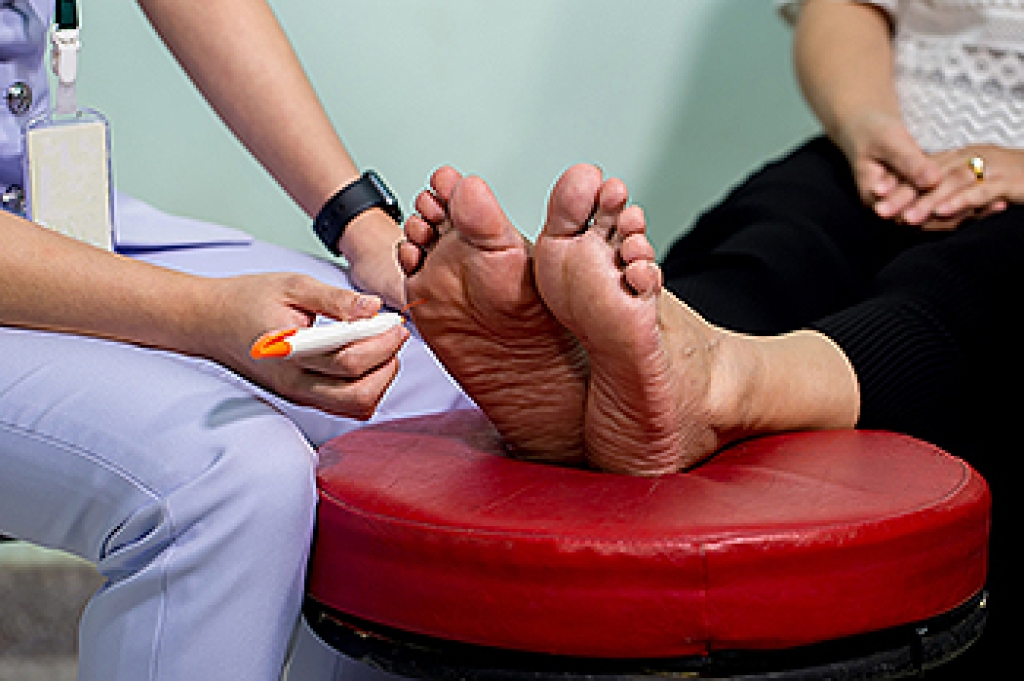
Practicing Good Foot Care Is Essential for Diabetic Patients

It is important for diabetic patients to practice exceptional foot care because of an increase for an infection to occur when there is a cut, scrape, or bruise on the bottom of the foot. A person who has diabetes has elevated blood sugar, and it is beneficial to monitor these levels daily. Many diabetic patients experience neuropathy when their blood sugar is high, and this can possibly cause the inability to feel if there are existing cuts on the feet. There are several everyday techniques that can be implemented for patients to practice, and this may help them protect the health of their feet. These can include washing and drying the feet thoroughly daily, followed by using a mirror, if necessary, to look at the soles of the feet. It is beneficial to refrain from walking barefoot, and wearing shoes that are comfortable and fit correctly is crucial in maintaining good foot care. Additionally, when the nails are properly trimmed weekly, this may prevent unwanted foot conditions such as ingrown toenails from developing. If you have diabetes, it is strongly suggested that you are under the care of a podiatrist who can offer you correct management tips.

Diabetic foot care is important in preventing foot ailments such as ulcers. If you are suffering from diabetes or have any other concerns about your feet, contact one of our podiatrists from Pennsylvania Foot & Ankle. Our doctors can provide the care you need to keep you pain-free and on your feet.

Diabetic Foot Care

Diabetes affects millions of people every year. The condition can damage blood vessels in many parts of the body, especially the feet. Because of this, taking care of your feet is essential if you have diabetes, and having a podiatrist help monitor your foot health is highly recommended.

The Importance of Caring for Your Feet

  • Routinely inspect your feet for bruises or sores.
  • Wear socks that fit your feet comfortably.
  • Wear comfortable shoes that provide adequate support.

Patients with diabetes should have their doctor monitor their blood levels, as blood sugar levels play such a huge role in diabetic care. Monitoring these levels on a regular basis is highly advised.

It is always best to inform your healthcare professional of any concerns you may have regarding your feet, especially for diabetic patients. Early treatment and routine foot examinations are keys to maintaining proper health, especially because severe complications can arise if proper treatment is not applied.

If you have any questions, please feel free to contact one of our offices located in Bensalem, Philadelphia, Northeast Philadelphia, Yardley, PA, and Hamilton, NJ . We offer the newest diagnostic and treatment technologies for all your foot care needs.

Read more about Diabetic Foot Care

Various Reasons Why Bunions May Develop

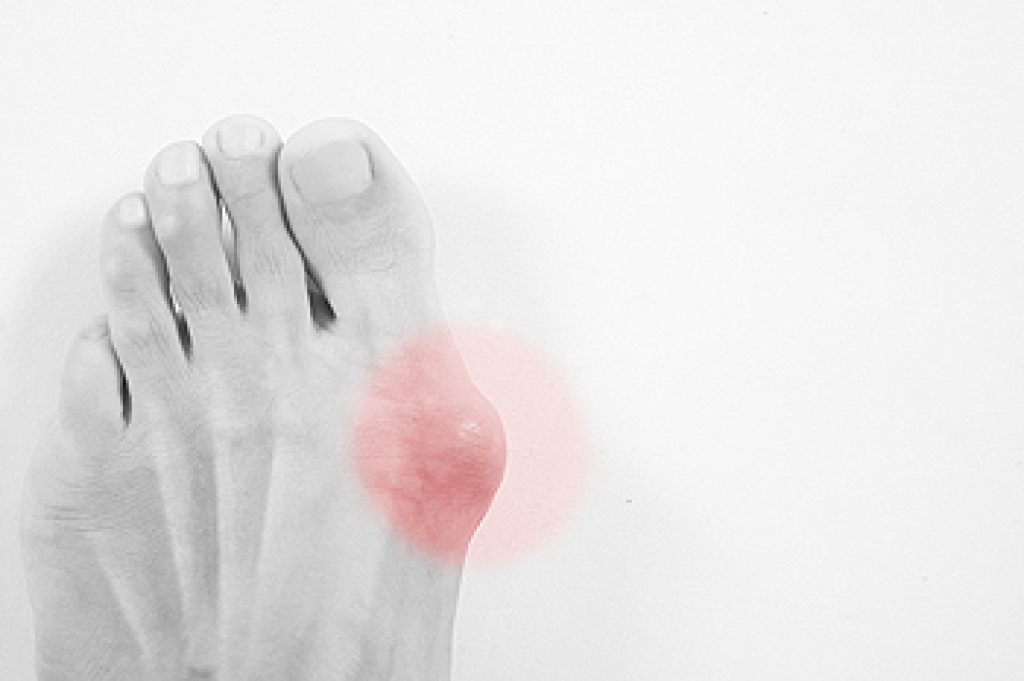
The common foot condition known as a bunion can be unflattering. It is a deformity that affects approximately 30% of the population. A bunion is defined as a bony lump that forms on the side of the big toe. Research has shown it can develop from genetic reasons or possibly from the shoes that are worn. Many people wear shoes that do not have adequate room for the toes to move freely in, and a bunion may start to form. Additional reasons why a bunion can occur include enduring an injury that may alter the structure of the foot. This may contribute to having damaged ligaments, and can cause a misalignment of the big toe. If the bunion is large, it may cause the big toe to shift toward the other toes, and this can cause pain and discomfort. Patients often need to purchase larger shoes that can accommodate the bunion, and it is suggested that medical attention is sought. There are several treatment options for bunions, and if you are afflicted with one, it is strongly advised that you contact a podiatrist who can guide you toward the best one for you.

If you are suffering from bunions, contact one of our podiatrists of Pennsylvania Foot & Ankle. Our doctors can provide the care you need to keep you pain-free and on your feet.

What Is a Bunion?

A bunion is formed of swollen tissue or an enlargement of boney growth, usually located at the base joint of the toe that connects to the foot. The swelling occurs due to the bones in the big toe shifting inward, which impacts the other toes of the foot. This causes the area around the base of the big toe to become inflamed and painful.

Why Do Bunions Form?

Genetics – Susceptibility to bunions are often hereditary

Stress on the feet – Poorly fitted and uncomfortable footwear that places stress on feet, such as heels, can worsen existing bunions

How Are Bunions Diagnosed?

Podiatrists often perform two tests – blood tests and x-rays – when trying to diagnose bunions, especially in the early stages of development. Blood tests help determine if the foot pain is being caused by something else, such as arthritis, while x-rays provide a clear picture of your bone structure to your provider.

How Are Bunions Treated?

  • Refrain from wearing heels or similar shoes that cause discomfort
  • Select wider shoes that can provide more comfort and reduce pain
  • Anti-inflammatory and pain management drugs
  • Orthotics or foot inserts
  • Surgery

If you have any questions, please feel free to contact one of our offices located in Bensalem, Philadelphia, Northeast Philadelphia, Yardley, PA, and Hamilton, NJ . We offer the newest diagnostic and treatment technologies for all your foot care needs.
Read more about What Are Bunions?

Gout Pain Can Be Managed

Gout is a painful, inflammatory form of arthritis. Those affected will typically feel an intense stiffness in the joints of their feet, particularly in the big toe. Schedule a visit to learn about how gout can be managed and treated.

Pain From Morton’s Neuroma

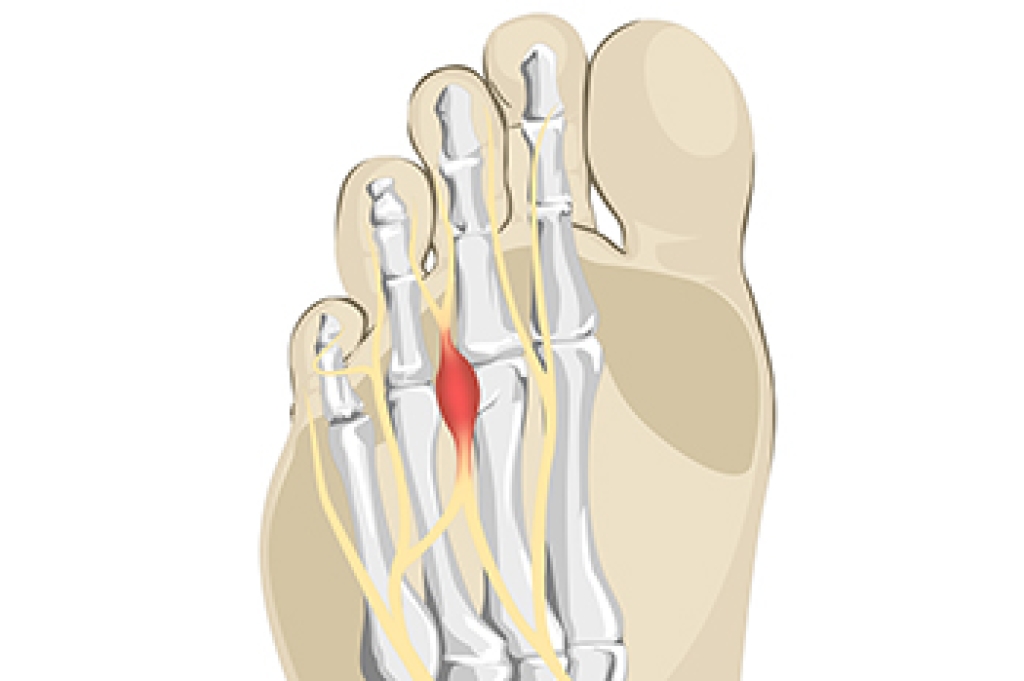
A Morton’s neuroma refers to thickening of nerve tissue at the base of the 3rd or 4th toe. While the precise cause of this condition is unknown, it is thought to form from pressure, irritation, or injury of nerves leading to the toes. This condition can cause one to feel like there is a lump or knot near the ball of the foot, like they are walking on a pebble, or wearing socks that have become bunched up. There can be an achy, sharp, or burning pain in the ball of the foot, or tingling, numbness, or cramping in the forefoot or toes. A Morton’s neuroma can become swollen and painful. One can develop a Morton’s neuroma from wearing shoes that are too narrow where the toes are squeezed together or high-heeled shoes where the body weight is forced onto the ball of the foot. Non-invasive treatments for Morton’s neuroma include wearing properly fitted shoes, with heels less than two inches in height, wide toe boxes, and thick soles, using padding in shoes to take the pressure off the nerve, or taping the feet to redistribute body weight and ease inflammation. Medication and injections can also help relieve pain and pressure of this ailment. Custom orthotics can be made to provide support if one has an abnormal foot structure, such as flat feet or overlapping toes causing the condition. Surgery can be performed if a Morton’s neuroma becomes large or fails to be relieved with more conservative treatment options. Left untreated, a Morton’s neuroma can become worse. For this reason, it is suggested that you visit a podiatrist for a proper diagnosis and treatment that fits the severity of your specific foot problem.

Morton’s neuroma is a very uncomfortable condition to live with. If you think you have Morton’s neuroma, contact one of our podiatrists of Pennsylvania Foot & Ankle. Our doctors will attend to all of your foot care needs and answer any of your related questions.  

Morton’s Neuroma

Morton's neuroma is a painful foot condition that commonly affects the areas between the second and third or third and fourth toe, although other areas of the foot are also susceptible. Morton’s neuroma is caused by an inflamed nerve in the foot that is being squeezed and aggravated by surrounding bones.

What Increases the Chances of Having Morton’s Neuroma?

  • Ill-fitting high heels or shoes that add pressure to the toe or foot
  • Jogging, running or any sport that involves constant impact to the foot
  • Flat feet, bunions, and any other foot deformities

Morton’s neuroma is a very treatable condition. Orthotics and shoe inserts can often be used to alleviate the pain on the forefront of the feet. In more severe cases, corticosteroids can also be prescribed. In order to figure out the best treatment for your neuroma, it’s recommended to seek the care of a podiatrist who can diagnose your condition and provide different treatment options.

If you have any questions, please feel free to contact one of our offices located in Bensalem, Philadelphia, Northeast Philadelphia, Yardley, PA, and Hamilton, NJ . We offer the newest diagnostic and treatment technologies for all your foot care needs.

Read more about What is Morton's Neuroma?

Connect With Us