
Have your child's feet been examined lately? Healthy feet are happy feet. If your child is complaining of foot pain, it may be a sign of underlying problems.
Have your child's feet been examined lately? Healthy feet are happy feet. If your child is complaining of foot pain, it may be a sign of underlying problems.
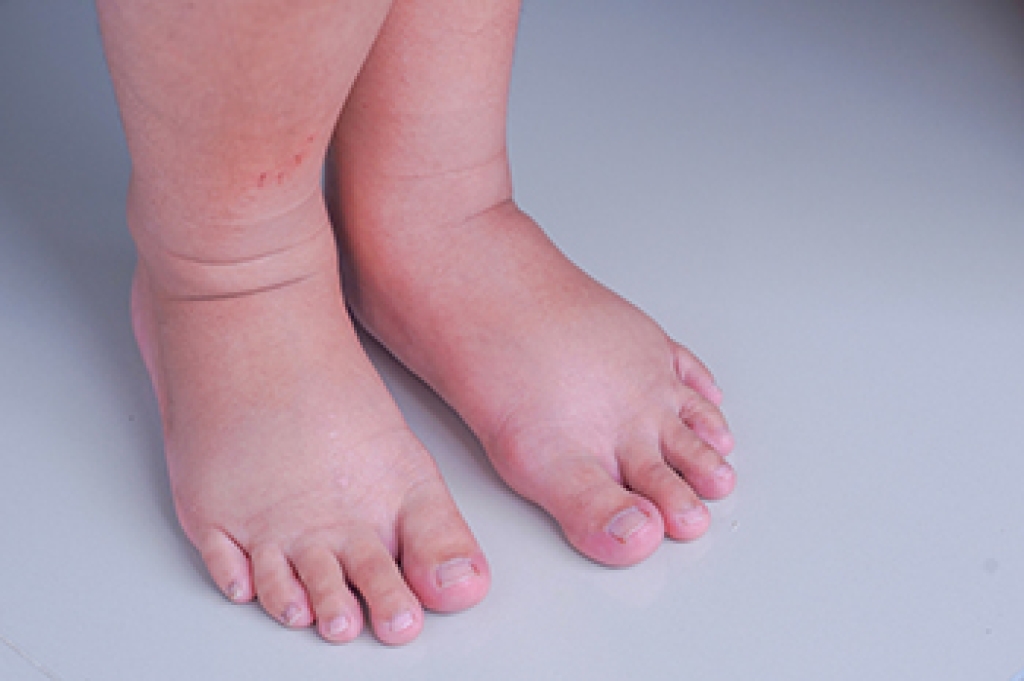
Pregnancy is a remarkable journey filled with countless changes to the body, and one question that often arises is whether the feet grow during this time. The answer, for the most part, is yes and no. During pregnancy, a woman's body goes through significant hormonal changes, including an increase in the hormone relaxin. This helps prepare the body for childbirth by loosening ligaments. This hormone can also affect the ligaments and joints in the feet, causing them to relax and potentially lead to a temporary increase in foot size during pregnancy. Swelling, a common side effect of pregnancy, can also make feet appear larger. However, it is essential to note that this growth also is usually temporary. After giving birth, and once hormonal levels return to normal, many women find that their feet return to their pre-pregnancy size. However, some may experience lasting changes, particularly if they gain a significant amount of weight during pregnancy. While it is possible for feet to appear to grow during pregnancy due to hormonal changes and swelling, these changes are generally not permanent. It's important to monitor foot health during pregnancy and wear shoes that fit properly, regardless of their size. If you have questions about foot growth during pregnancy, it is suggested that you confer with a podiatrist who can provide you with the information you are seeking.
Pregnant women with swollen feet can be treated with a variety of different methods that are readily available. For more information about other cures for swollen feet during pregnancy, consult with one of our podiatrists from Pennsylvania Foot & Ankle. Our doctors will attend to all of your foot and ankle needs.
What Foot Problems Can Arise During Pregnancy?
One problem that can occur is overpronation, which occurs when the arch of the foot flattens and tends to roll inward. This can cause pain and discomfort in your heels while you’re walking or even just standing up, trying to support your baby.
Another problem is edema, or swelling in the extremities. This often affects the feet during pregnancy but tends to occur in the later stages.
How Can I Keep My Feet Healthy During Pregnancy?
If you have any questions, please feel free to contact one of our offices located in Bensalem, Philadelphia, Northeast Philadelphia, Yardley, PA, and Hamilton, NJ . We offer the newest diagnostic and treatment technologies for all your foot care needs.
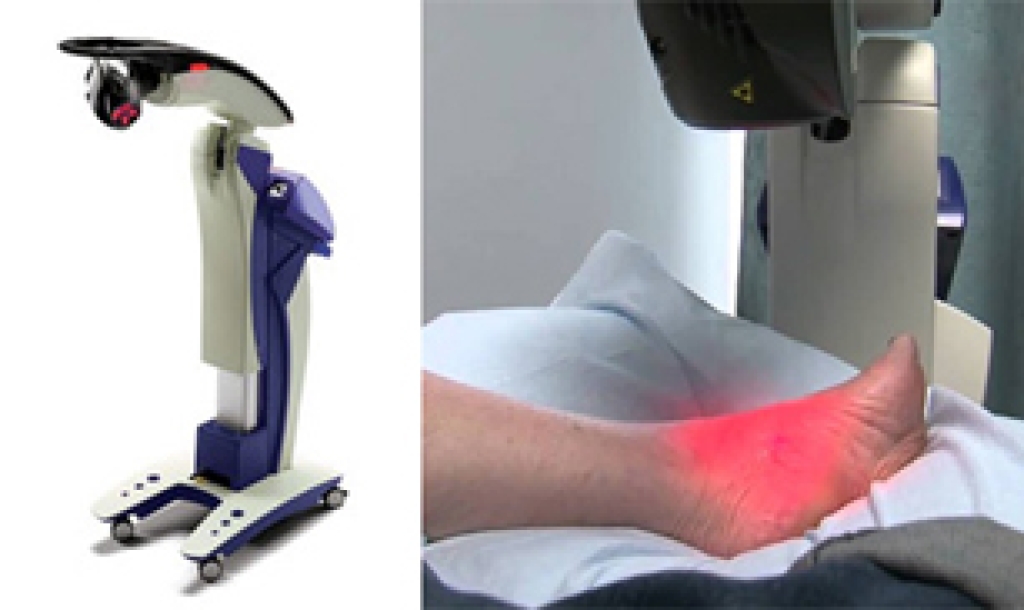
Tendinopathy involves inflammation in and around tendons, often resulting from injury. Low-level laser therapy, which uses monochromatic, coherent, short-wavelength light, has been used since the 1960s to treat tendon injuries. Though investigations are ongoing, some researchers exploring the success of this type of therapy for tendinopathy found that low-level laser therapy consistently shows promise in treating tendinopathy. Patients report improvements in pain, range of motion, and motor function. Combining laser therapy with exercise programs also yielded positive results. If you suffer from tendon pain in your feet or ankles, it is suggested that you make an appointment with a podiatrist to see if this type of treatment can help you.
MLS Laser Therapy is a successful alternative for treating any pain you may be experiencing related to certain podiatric conditions. If you are interested in MLS Laser Therapy, consult with one of our podiatrists from Pennsylvania Foot & Ankle. Our doctors will assess your condition and provide you with quality foot and ankle treatment.
MLS Laser Therapy
Multiwave Locked System (MLS) Laser Therapy is a patented, FDA-cleared technology that helps relieve pain and inflammation from a number of podiatric conditions, including:
MLS Laser Therapy is an ideal alternative to surgery and prescription medication, as it has no negative side effects and encourages accelerated healing. Among its many clinical benefits, MLS Laser Therapy also:
If you have any questions, please feel free to contact one of our offices located in Bensalem, Philadelphia, Northeast Philadelphia, Yardley, PA, and Hamilton, NJ . We offer the newest diagnostic and treatment technologies for all your foot care needs.
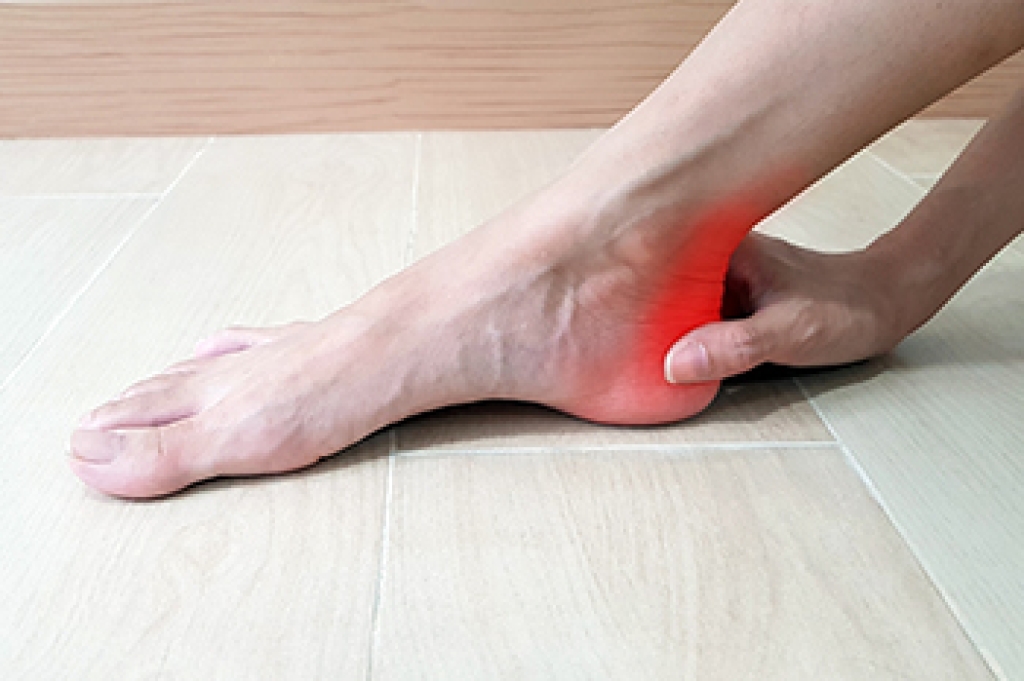
The Achilles tendon, the body's largest tendon, is susceptible to injury due to its limited blood supply and exposure to various forces. Aging and increased activity, especially in sports involving speed, heighten the risk of Achilles tendon problems. These issues are becoming more common with the active aging population. Injuries can develop suddenly or gradually, often requiring extended healing periods. A thorough history and physical examination are necessary for accurate diagnosis and tailored treatment. The primary approach for treatment involves rest and nonsteroidal anti-inflammatory drugs. Additional interventions such as physical therapy, orthotics, or surgery may be necessary in severe cases. If you have Achilles tendon pain or an injury, it is suggested that you make an appointment with a podiatrist for a proper diagnosis and treatment tailored to your situation.
Achilles tendon injuries need immediate attention to avoid future complications. If you have any concerns, contact one of our podiatrists of Pennsylvania Foot & Ankle. Our doctors can provide the care you need to keep you pain-free and on your feet.
What Is the Achilles Tendon?
The Achilles tendon is a tendon that connects the lower leg muscles and calf to the heel of the foot. It is the strongest tendon in the human body and is essential for making movement possible. Because this tendon is such an integral part of the body, any injuries to it can create immense difficulties and should immediately be presented to a doctor.
What Are the Symptoms of an Achilles Tendon Injury?
There are various types of injuries that can affect the Achilles tendon. The two most common injuries are Achilles tendinitis and ruptures of the tendon.
Achilles Tendinitis Symptoms
Rupture Symptoms
Treatment and Prevention
Achilles tendon injuries are diagnosed by a thorough physical evaluation, which can include an MRI. Treatment involves rest, physical therapy, and in some cases, surgery. However, various preventative measures can be taken to avoid these injuries, such as:
If you have any questions please feel free to contact one of our offices located in Bensalem, Philadelphia, Northeast Philadelphia, Yardley, PA, and Hamilton, NJ . We offer the newest diagnostic tools and technology to treat your foot and ankle needs.

Your feet are covered most of the day. If you're diabetic, periodic screening is important for good health. Numbness is often a sign of diabetic foot and can mask a sore or wound.
Connect With Us
