
If left untreated, an ingrown toenail can lead to more serious concerns, such as an infection. Knowing proper nail care can help in the prevention of an ingrown toenail. Give us a call, and get treated!
If left untreated, an ingrown toenail can lead to more serious concerns, such as an infection. Knowing proper nail care can help in the prevention of an ingrown toenail. Give us a call, and get treated!
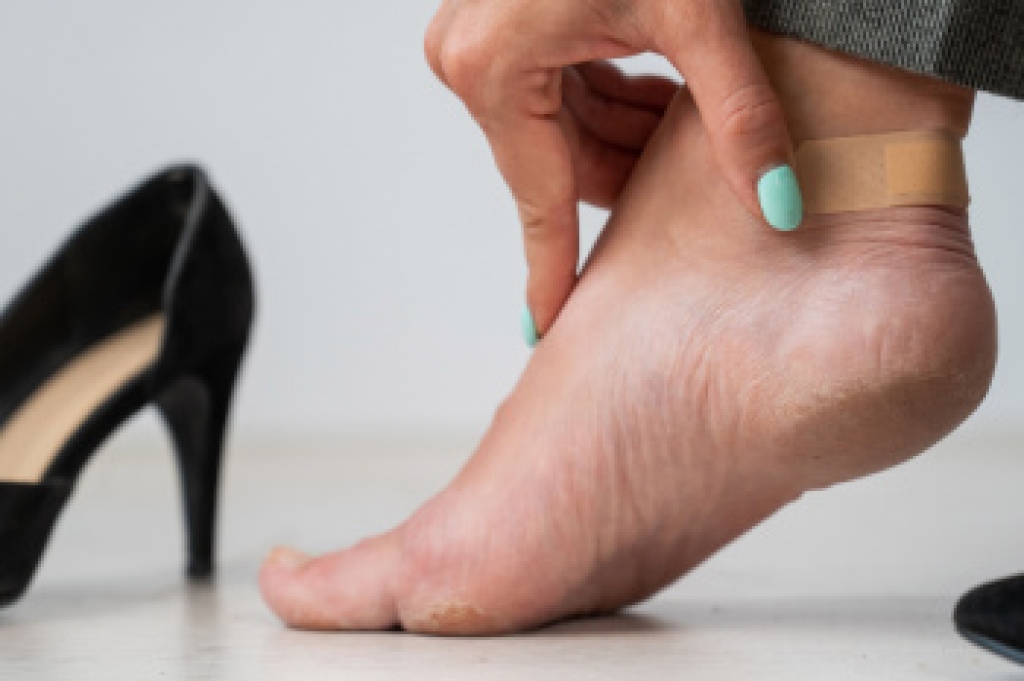 Edema, which is caused by excess fluid retention in the body, can also result in the development of blisters on the feet. These blisters are caused by the swelling that occurs when fluid collects in the tissues, causing pressure to be put on the skin. The skin then becomes more susceptible to friction and rubbing, especially in areas where it makes contact with shoes or socks. The increased friction can cause the formation of blisters, which can lead to pain and discomfort. Blisters caused by edema mainly appear on the feet and ankles, making daily activities like walking and wearing shoes difficult and painful. It is important to address the underlying cause of edema to prevent the formation of blisters. A podiatrist can provide personalized treatment options to manage edema and alleviate foot discomfort. Recommendations include compression socks or orthotic inserts to reduce swelling and friction. If you are developing blisters caused by edema, it is suggested that you visit a podiatrist for an exam and appropriate treatment options.
Blisters are prone to making everyday activities extremely uncomfortable. If your feet are hurting, contact one of our podiatrists of Pennsylvania Foot & Ankle. Our doctors can provide the care you need to keep you pain-free and on your feet.
Foot Blisters
Foot blisters develop as a result of constantly wearing tight or ill-fitting footwear. This happens due to the constant rubbing from the shoe, which can often lead to pain.
What Are Foot Blisters?
A foot blister is a small fluid-filled pocket that forms on the upper-most layer of the skin. Blisters are filled with clear fluid and can lead to blood drainage or pus if the area becomes infected.
How Do Blisters Form?
Blisters on the feet are often the result of constant friction of skin and material, usually by shoe rubbing. Walking in sandals, boots, or shoes that don’t fit properly for long periods of time can result in a blister. Having consistent foot moisture and humidity can easily lead to blister formation.
Prevention & Treatment
It is important to properly care for the affected area in order to prevent infection and ease the pain. Do not lance the blister and use a Band-Aid to provide pain relief. Also, be sure to keep your feet dry and wear proper fitting shoes. If you see blood or pus in a blister, seek assistance from a podiatrist.
If you have any questions, please feel free to contact one of our offices located in Bensalem, Philadelphia, Northeast Philadelphia, Yardley, PA, and Hamilton, NJ . We offer the newest diagnostic and treatment technologies for all your foot care needs.

In the world of childhood mishaps, toe injuries rank among the most prevalent, encompassing a spectrum of ailments from jammed toes to fractures. Jammed toes often occur during vigorous play or sports, where sudden stops or collisions can cause the toe to forcefully bend, leading to pain and swelling. Toenail injuries are another common occurrence, typically the result of stubbing or dropping heavy objects on the toe, causing pain, bleeding, or even toenail loss. Additionally, subungual hematoma, characterized by blood pooling under the toenail, often arises from trauma or repetitive pressure on the toe, causing discomfort and discoloration. Fractures, though less frequent, can happen due to severe impact or twisting motions, resulting in pain, swelling, and potential deformity. If your child has endured a toe injury, it is suggested that you contact a podiatrist who can offer appropriate treatment options.
Toe pain can disrupt your daily activities. If you have any concerns, contact one of our podiatrists of Pennsylvania Foot & Ankle. Our doctors can provide the care you need to keep you pain-free and on your feet.
What Causes Toe Pain?
Most severe toe pain is caused due to a sports injury, trauma from dropping something heavy on the toe, or bumping into something rigid. Other problems can develop over time for various reasons.
Toe pain can be caused by one or more ailments. The most common include:
When to See a Podiatrist
Diagnosis
In many cases the cause of toe pain is obvious, but in others, a podiatrist may want to use more advanced methods to determine the problem. These can range from simple visual inspections and sensation tests to X-rays and MRI scans. Prior medical history, family medical history, and any recent physical traumatic events will all be taken into consideration for a proper diagnosis.
Treatment
Treatments for toe pain and injuries vary and may include shoe inserts, padding, taping, medicines, injections, and in some cases, surgery. If you believe that you have broken a toe, please see a podiatrist as soon as possible.
If you have any questions please contact one of our offices located in Bensalem, Philadelphia, Northeast Philadelphia, Yardley, PA, and Hamilton, NJ . We offer the newest diagnostic and treatment technologies for all your foot and ankle needs.
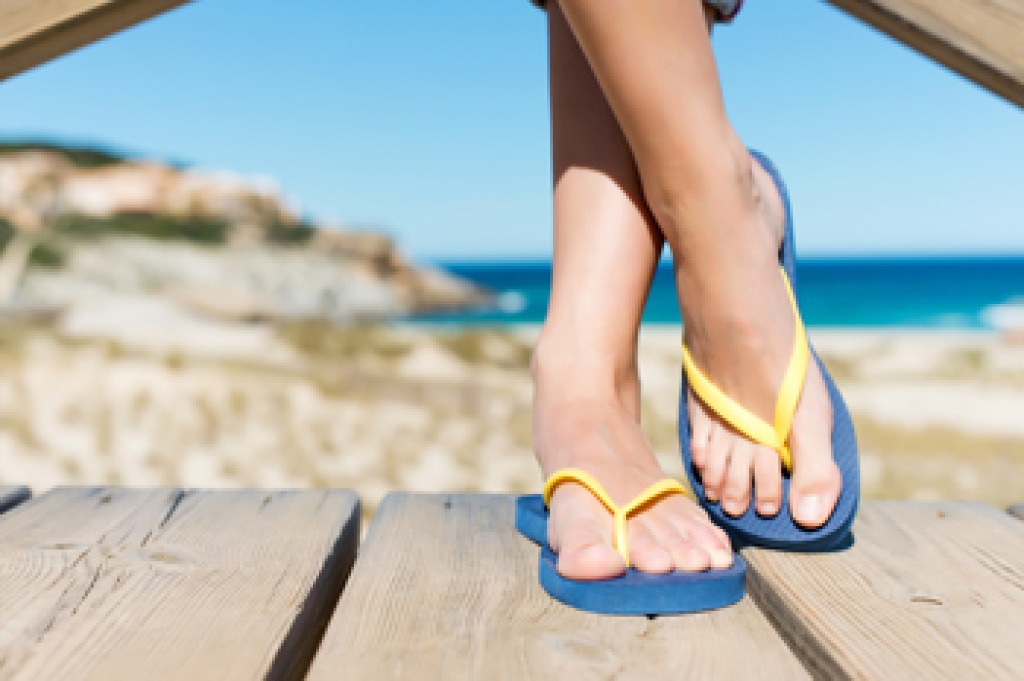
Flip-flops are a popular choice for casual footwear, especially as the weather warms up. However, their impact on foot health is a subject of ongoing debate. Typically, flip-flops offer minimal support to the arches of the feet, which can lead to problems such as plantar fasciitis or other forms of foot pain. The design of flip-flops forces the toes to grip the soles in order to keep the footwear in place while walking. This unnatural holding action can alter the way one walks, potentially causing long-term changes in foot structure and gait. The lack of cushioning and support also means that the feet are more vulnerable to injuries from stepping on sharp objects or from the stress of walking on hard surfaces. If you enjoy wearing flip-flops and are experiencing foot discomfort or changes in your walking pattern, it is suggested that you consult a podiatrist to determine the best footwear for your needs.
Flip-flops are not always the best choice of footwear. If you have any concerns about your feet or ankles, contact one of our podiatrists from Pennsylvania Foot & Ankle. Our doctors will assist you with all of your foot and ankle needs.
Flip-Flops and Feet
When the weather starts warming up, people enjoy wearing flip-flops. Flip-flops are comfortable, stylish, and easy to slip on and off; they're perfect for any summer beach goer. However, these shoes can cause harm to the feet.
How Can Flip-Flops Affect Me Long-Term?
Are There Injuries Associated with Flip-Flops?
Yes. Since flip-flops are relatively weak and do not provide the same amount of support as sneakers, people who wear flip-flops regularly are more susceptible to injuries. On top of that, the open nature of the shoe makes your feet more prone to other problems, such as cuts and even infections. Common injuries and ailments include:
I like Wearing Flip-Flops. Are There Safe Alternatives?
When buying flip-flops, try to find ones that have sturdy soles and that are made of high-quality materials that will support for your feet. These flip-flops will cost more but will also last longer as a result.
If you have any questions, please feel free to contact one of our offices located in Bensalem, Philadelphia, Northeast Philadelphia, Yardley, PA, and Hamilton, NJ . We offer the newest diagnostic and treatment technologies for all your foot care needs.

Have your child's feet been examined lately? Healthy feet are happy feet. If your child is complaining of foot pain, it may be a sign of underlying problems.
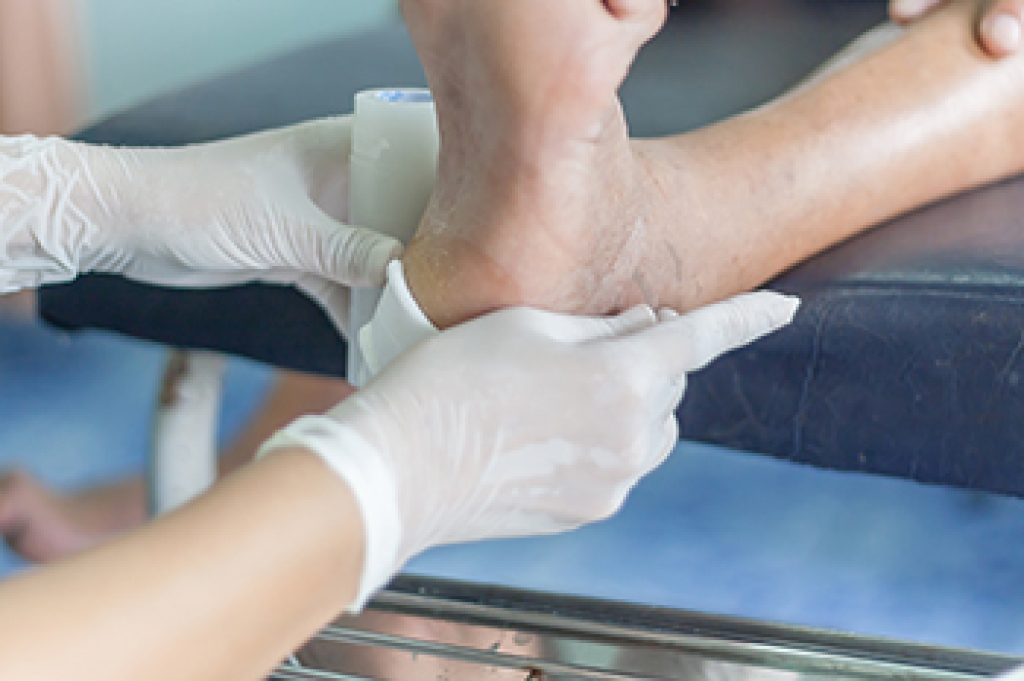
Foot ulcers are open wounds that develop on the feet, often affecting individuals with diabetes or impaired circulation. They typically occur due to a combination of factors, including neuropathy, which is nerve damage, poor blood flow, and pressure from footwear. Foot ulcers can vary in severity, from shallow sores to deep craters, and if left untreated, they can lead to serious complications such as infection and possibly amputation. The primary cause of foot ulcers is prolonged pressure or friction on the skin, which can result from wearing ill-fitting shoes, walking barefoot, or excessive rubbing. In diabetic individuals, high blood sugar levels can further exacerbate the risk by damaging nerves and blood vessels, impairing the body's ability to heal. Other contributing factors may include poor hygiene, smoking, obesity, and a history of foot problems. Recognizing the signs of a foot ulcer, such as redness, swelling, or drainage, is vital for prompt treatment and prevention of complications. If you have a foot wound, it is strongly suggested that you consult a podiatrist who can diagnose its severity, and offer treatment options that are right for you.
Wound care is an important part in dealing with diabetes. If you have diabetes and a foot wound or would like more information about wound care for diabetics, consult with one of our podiatrists from Pennsylvania Foot & Ankle. Our doctors will assess your condition and provide you with quality foot and ankle treatment.
What Is Wound Care?
Wound care is the practice of taking proper care of a wound. This can range from the smallest to the largest of wounds. While everyone can benefit from proper wound care, it is much more important for diabetics. Diabetics often suffer from poor blood circulation which causes wounds to heal much slower than they would in a non-diabetic.
What Is the Importance of Wound Care?
While it may not seem apparent with small ulcers on the foot, for diabetics, any size ulcer can become infected. Diabetics often also suffer from neuropathy, or nerve loss. This means they might not even feel when they have an ulcer on their foot. If the wound becomes severely infected, amputation may be necessary. Therefore, it is of the upmost importance to properly care for any and all foot wounds.
How to Care for Wounds
The best way to care for foot wounds is to prevent them. For diabetics, this means daily inspections of the feet for any signs of abnormalities or ulcers. It is also recommended to see a podiatrist several times a year for a foot inspection. If you do have an ulcer, run the wound under water to clear dirt from the wound; then apply antibiotic ointment to the wound and cover with a bandage. Bandages should be changed daily and keeping pressure off the wound is smart. It is advised to see a podiatrist, who can keep an eye on it.
If you have any questions please contact one of our offices located in Bensalem, Philadelphia, Northeast Philadelphia, Yardley, PA, and Hamilton, NJ . We offer the newest diagnostic and treatment technologies for all your foot and ankle needs.
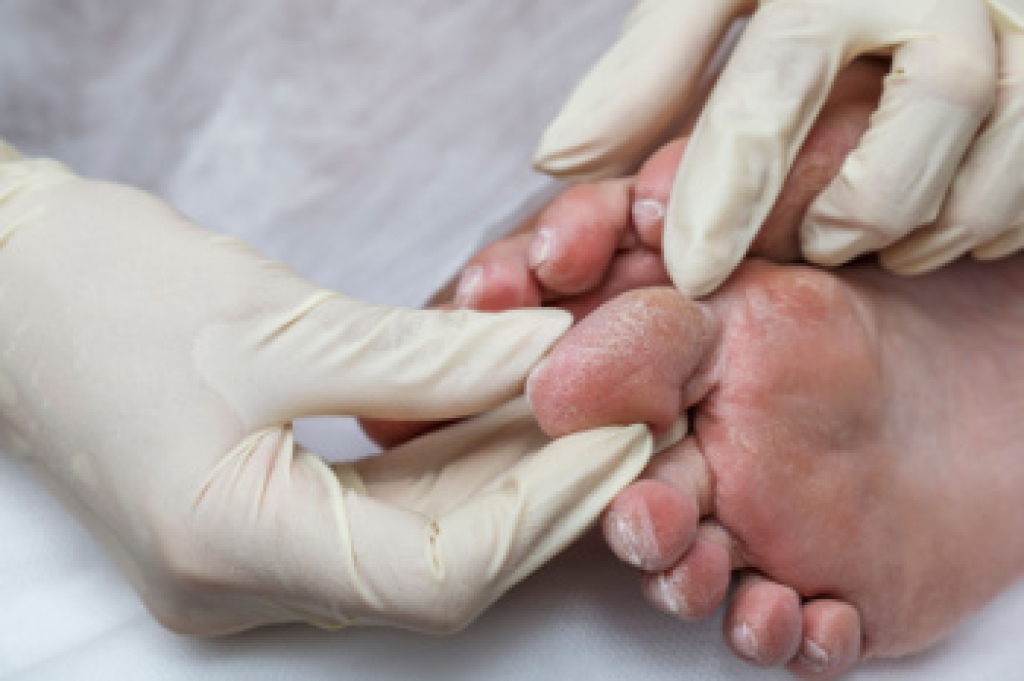
Beyond the well-known effects on your lungs and heart, smoking can also severely affect your feet, particularly through a condition known as Buerger’s disease. This disease targets the blood vessels in the arms and legs, causing swelling and reduced blood flow, which leads to the formation of clots. Consequently, individuals may experience pain, open sores or ulcers, and gangrene, which if not properly treated by a podiatrist may lead to limb loss. While the precise cause of Buerger’s disease remains uncertain, one undeniable link is tobacco use. Chemicals in tobacco irritate blood vessel linings, which then triggers inflammation and constriction. Nearly all diagnosed cases of Buerger’s disease are associated with tobacco use, whether through cigarettes, cigars, or chewing tobacco. Prevention is key, and that begins with quitting smoking and avoiding all forms of tobacco. But prioritizing your foot health is also essential, and by seeking guidance from a podiatrist you can manage symptoms and receive the needed wound care. If you're experiencing any symptoms, it is suggested that you make an appointment with a podiatrist for an exam and treatment.
When dealing with systemic disease of the feet, it is extremely important to check the affected areas routinely so that any additional problems are caught quickly. If you have any concerns about your feet and ankles contact one of our podiatrists from Pennsylvania Foot & Ankle. Our doctors will assist you with all of your podiatric needs.
Systemic Diseases of the Feet
Systemic diseases affect the whole body, and symptoms usually are displayed in the feet. This condition can make a patient’s ability to walk unbearable. Systemic diseases include gout, diabetes mellitus, neurological disorders, and arthritis.
Gout – is caused by an excess of uric acid in the body. Common symptoms include pain, inflammation, and redness at the metatarsal/phalangeal joint of the base big toe. Gout can be treated by NSAIDs to relieve pain and inflammation, and other drugs that lower the acid levels in the body.
Diabetes mellitus – is an increase in the level of blood sugar that the body cannot counteract with its own insulin. Failure to produce enough insulin is a factor in Diabetes.
Diabetes of the Feet
Diabetic Neuropathy – may lead to damaged nerves and affect the feet through numbness and loss of sensation.
Peripheral Vascular Disease – can restrict the blood flow to the feet, and often times lead to amputation of the feet.
If you have any questions please contact one of our offices located in Bensalem, Philadelphia, Northeast Philadelphia, Yardley, PA, and Hamilton, NJ . We offer the newest diagnostic and treatment technologies for all your foot and ankle needs.
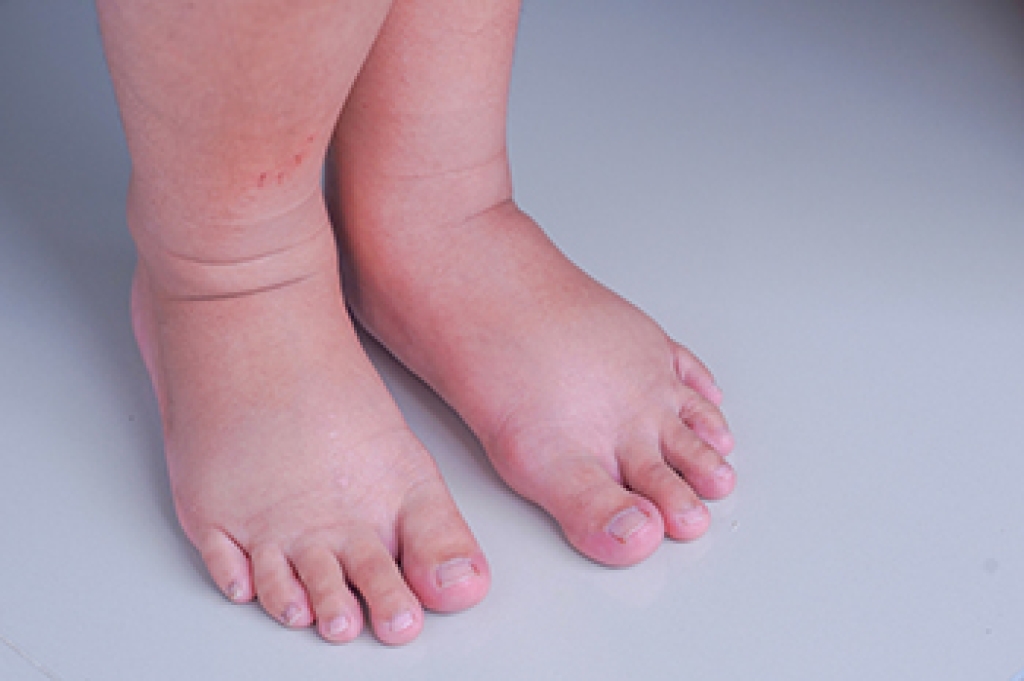
Swollen feet, a common and often uncomfortable condition, can stem from various factors. One primary cause is fluid retention, which occurs when excess fluid accumulates in the tissues, leading to swelling and puffiness. This fluid buildup can result from prolonged standing or sitting, particularly in hot weather, as well as hormonal changes during pregnancy or menstruation. Additionally, certain medical conditions, such as heart failure, kidney disease, or liver problems, can impair the body's ability to regulate fluid levels and contribute to swelling in the feet and ankles. Injuries such as sprains or fractures may also lead to swelling as the body responds to tissue damage and inflammation. Furthermore, lifestyle factors like obesity or poor circulation can exacerbate swelling in the lower extremities. Identifying the underlying cause of swollen feet is essential for proper management and treatment, which may include lifestyle modifications, medication, or medical intervention to address the root issue and alleviate discomfort. A podiatrist can determine the cause of swollen feet. If you have this condition, it is suggested that you confer with this foot doctor who can offer appropriate treatment solutions.
Swollen feet can be a sign of an underlying condition. If you have any concerns, contact one of our podiatrists of Pennsylvania Foot & Ankle. Our doctors can provide the care you need to keep you pain-free and on your feet.
Swollen feet are a common ailment among pregnant women and people who stand or sit for extended periods. Aging may increase the possibility of swollen feet and patients who are obese often notice when their feet are swelling too. There may be medical reasons why swollen feet occur:
Swollen feet can also be caused by bone and tendon conditions, including fractures, arthritis, and tendinitis. Additionally, there may be skin and toenail conditions and an infection may cause the feet to swell. Patients who take medicine to treat high blood pressure may be prone to getting swollen feet.
Many patients elevate their feet to help relieve the swelling and this is generally a temporary remedy. When a podiatrist is consulted the reason behind the swelling can be uncovered and subsequently treated.
If you have any questions please contact one of our offices located in Bensalem, Philadelphia, Northeast Philadelphia, Yardley, PA, and Hamilton, NJ . We offer the newest diagnostic and treatment technologies for all your foot and ankle needs.

Your feet are covered most of the day. If you're diabetic, periodic screening is important for good health. Numbness is often a sign of diabetic foot and can mask a sore or wound.
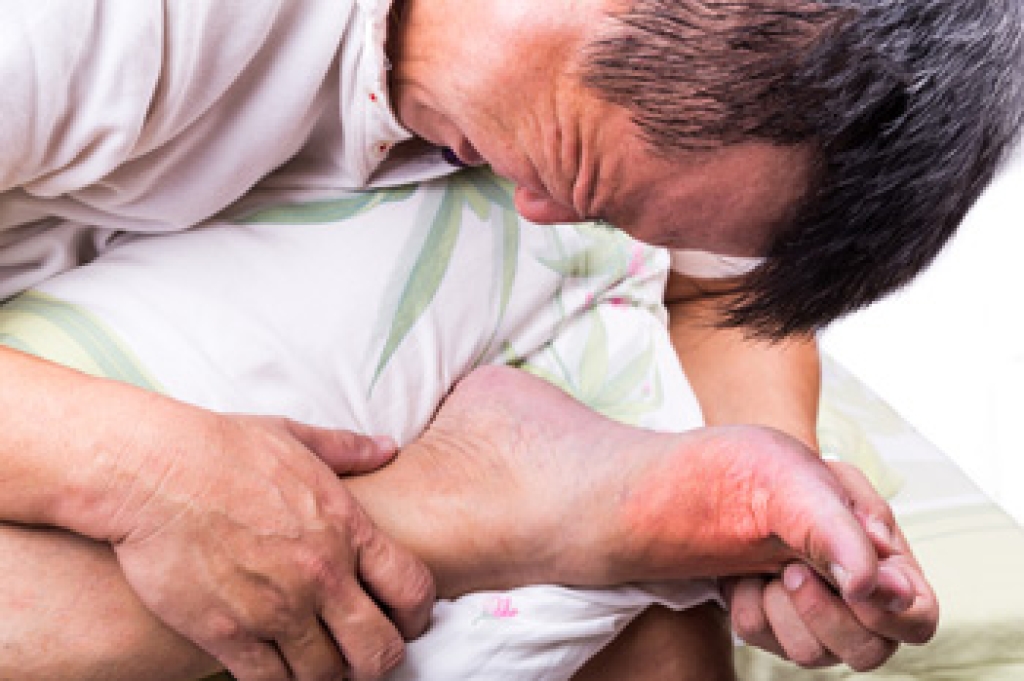
Gout, often characterized by sudden and intense joint pain, is a type of inflammatory arthritis that predominantly affects men. This condition occurs when uric acid levels in the blood become elevated, leading to the formation of urate crystals in the joints. Men are more susceptible to gout than women, with the risk increasing with age. Several factors contribute to this gender disparity, including hormonal differences, genetic predisposition, and lifestyle factors such as diet and alcohol consumption. The symptoms of gout typically appear in the joint of the big toe, causing swelling, redness, and extreme pain, although other joints may also be affected. Beyond the physical discomfort, gout can have a significant impact on quality of life, leading to decreased mobility, increased risk of disability, and psychological distress. Managing gout involves a combination of medication, lifestyle modifications, and dietary changes aimed at reducing uric acid levels and preventing recurrent attacks. If you have experienced one or more gout attacks, it is suggested that you are under the care of a podiatrist who can help you manage this condition.
Gout is a painful condition that can be treated. If you are seeking treatment, contact one of our podiatrists from Pennsylvania Foot & Ankle. Our doctors will treat your foot and ankle needs.
What Is Gout?
Gout is a form of arthritis that is characterized by sudden, severe attacks of pain, redness, and tenderness in the joints. The condition usually affects the joint at the base of the big toe. A gout attack can occur at any random time, such as the middle of the night while you are asleep.
Symptoms
Risk Factors
Prior to visiting your podiatrist to receive treatment for gout, there are a few things you should do beforehand. If you have gout you should write down your symptoms--including when they started and how often you experience them, important medical information you may have, and any questions you may have. Writing down these three things will help your podiatrist in assessing your specific situation so that he or she may provide the best route of treatment for you.
If you have any questions, please feel free to contact one of our offices located in Bensalem, Philadelphia, Northeast Philadelphia, Yardley, PA, and Hamilton, NJ . We offer the newest diagnostic and treatment technologies for all your foot care needs.
Connect With Us
