
If you are suffering from tenderness, pain, or stiffness in the joints of your feet or ankles, call us to schedule an appointment.
If you are suffering from tenderness, pain, or stiffness in the joints of your feet or ankles, call us to schedule an appointment.
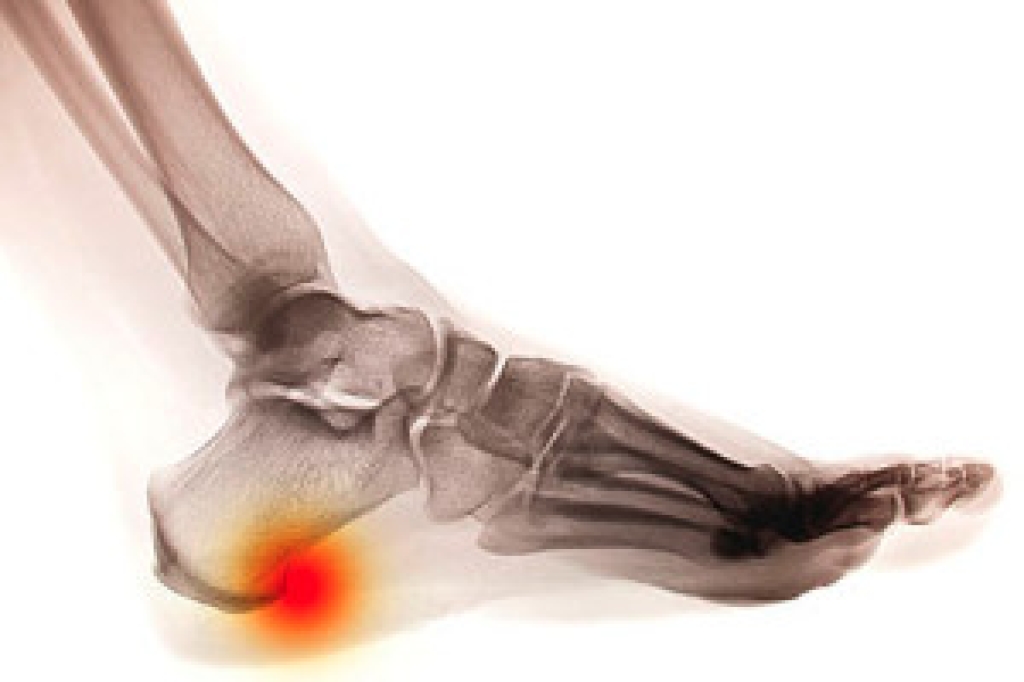 A heel spur is a bony growth that forms on the heel of the foot. It consists of a calcium deposit which forms under the heel bone. This condition often produces severe pain and discomfort, and may become worse while putting pressure on the heel. Many patients find mild relief by wearing shoe inserts, as this may be beneficial in reducing impact on the heel. Additionally, it can help to wear shoes that have excess cushioning in the heel area, because this can aid in minimizing inflammation. A proper diagnosis is generally achieved by performing an X-ray of the foot, which can determine the size and location of the heel spur. If you have developed a heel spur, it is advised that you speak to a podiatrist so proper treatment can begin.
Heel spurs can be incredibly painful and sometimes may make you unable to participate in physical activities. To get medical care for your heel spurs, contact one of our podiatrists from Pennsylvania Foot & Ankle. Our doctors will do everything possible to treat your condition.
Heels Spurs
Heel spurs are formed by calcium deposits on the back of the foot where the heel is. This can also be caused by small fragments of bone breaking off one section of the foot, attaching onto the back of the foot. Heel spurs can also be bone growth on the back of the foot and may grow in the direction of the arch of the foot.
Older individuals usually suffer from heel spurs and pain sometimes intensifies with age. One of the main condition's spurs are related to is plantar fasciitis.
Pain
The pain associated with spurs is often because of weight placed on the feet. When someone is walking, their entire weight is concentrated on the feet. Bone spurs then have the tendency to affect other bones and tissues around the foot. As the pain continues, the feet will become tender and sensitive over time.
Treatments
There are many ways to treat heel spurs. If one is suffering from heel spurs in conjunction with pain, there are several methods for healing. Medication, surgery, and herbal care are some options.
If you have any questions, please feel free to contact one of our offices located in Bensalem, Philadelphia, Northeast Philadelphia, Yardley, PA, and Hamilton, NJ . We offer the newest diagnostic and treatment technologies for all your foot care needs.
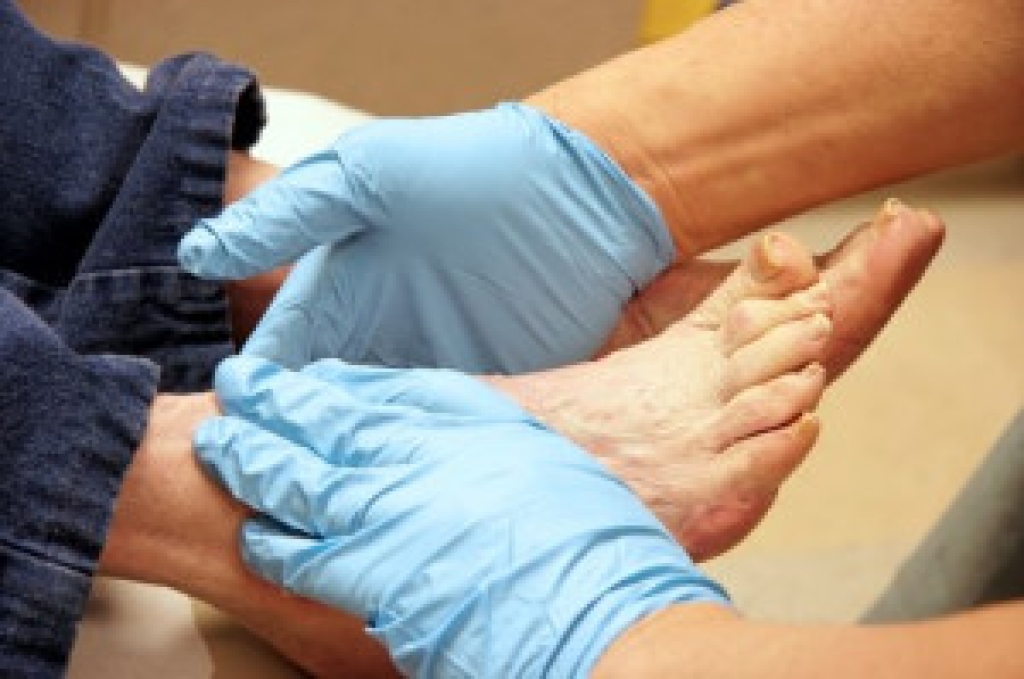 Diabetics are at increased risk for foot complications, as many diabetics have reduced blood flow and damaged nerves. There are a few measures to take to protect your feet. First, examine your feet daily. If you cannot see your feet completely, use a mirror or have someone assist you. Look for cuts, discoloration, and sores. Make sure your toenails are cut and filed as well. Additionally, do not walk barefoot. You should assure that the lining on your shoes and socks are smooth before wearing them. Another step to remember is to avoid subjecting your feet to extreme temperatures. Check showers or bodies of water before entering. When possible, elevate your legs and wiggle your toes in order to help your circulation. Remembering these tips could prevent amputation, or even life-threatening complications. Diabetics should be going to a podiatrist twice a year for an exam, as well as speaking with a podiatrist when questions arise.
Diabetic Limb Salvage
Diabetic limb salvage can be an effective way in preventing the need for limb amputation. If you have a foot ulcer and diabetes, consult with one of our podiatrists from Pennsylvania Foot & Ankle. Our doctors will assess your condition and provide you with quality foot and ankle treatment.
What Is Diabetic Limb Salvage?
Diabetic limb salvage is the attempt of saving a limb, such as the foot, that has an infected ulcer, from amputation. Podiatrists also try to make sure that there is enough function in the foot after the salvage that it is still usable. Those with diabetes experience poor blood circulation, which prevents proper healing of an ulcer. If the ulcer is left uncheck, it could become infected, which could result in the need for amputation.
Diabetes is the number one cause of non-traumatic amputations in the United States. Amputation has been found to lead to higher mortality rates. This translates into higher healthcare costs, and a reduced quality of life and mobility for amputees. Podiatrists have attempted to increase the prevalence of limb salvage in an attempt to solve these issues.
Diagnosis and Treatment
Limb salvage teams have grown in recent years that utilize a number of different treatments to save the infected limb. This includes podiatrists that specialize in wound care, rehabilitation, orthotics, and surgery. Through a combination of these methods, limb salvage has been found to be an effective treatment for infected limbs, and as an alternative to amputation. Podiatrists will first evaluate the potential for limb salvage and determine if the limb can be saved or must be amputated.
If you have any questions, please feel free to contact one of our offices located in Bensalem, Philadelphia, Northeast Philadelphia, Yardley, PA, and Hamilton, NJ . We offer the newest diagnostic and treatment technologies for all your foot care needs.
 Your child may experience heel pain during a growth spurt. This condition is commonly known as Sever’s disease. Since the heel grows faster than the rest of the leg, the tendons experience extra strain. Symptoms of Sever’s disease include pain in one or both of the heels, tenderness that increases during exercise, and trouble walking. Oftentimes, the best treatment is rest. The condition does not cause long-term issues and should subside after a few months. However, sometimes doctors will recommend that a child takes NSAIDs such as ibuprofen, performs stretching routines, and wears supportive shoes. Be especially cognizant for Sever’s disease if your child plays a sport that includes running or jumping on hard surfaces. If your child is experiencing heel pain, be sure to contact a podiatrist.
Sever's disease often occurs in children and teens. If your child is experiencing foot or ankle pain, see one of our podiatrists from Pennsylvania Foot & Ankle. Our doctors can treat your child’s foot and ankle needs.
Sever’s Disease
Sever’s disease is also known as calcaneal apophysitis, which is a medical condition that causes heel pain I none or both feet. The disease is known to affect children between the ages of 8 and 14.
Sever’s disease occurs when part of the child’s heel known as the growth plate (calcaneal epiphysis) is attached to the Achilles tendon. This area can suffer injury when the muscles and tendons of the growing foot do not keep pace with bone growth. Therefore, the constant pain which one experiences at the back of the heel will make the child unable to put any weight on the heel. The child is then forced to walk on their toes.
Symptoms
Acute pain – Pain associated with Sever’s disease is usually felt in the heel when the child engages in physical activity such as walking, jumping and or running.
Highly active – Children who are very active are among the most susceptible in experiencing Sever’s disease, because of the stress and tension placed on their feet.
If you have any questions, please feel free to contact one of our offices located in Bensalem, Philadelphia, Northeast Philadelphia, Yardley, PA, and Hamilton, NJ . We offer the newest diagnostic and treatment technologies for all your foot care needs.

Gout is a painful, inflammatory form of arthritis. Those affected will typically feel an intense stiffness in the joints of their feet, particularly in the big toe. Schedule a visit to learn about how gout can be managed and treated.
Connect With Us
