Understanding Heel Pain and Achilles Tendonitis

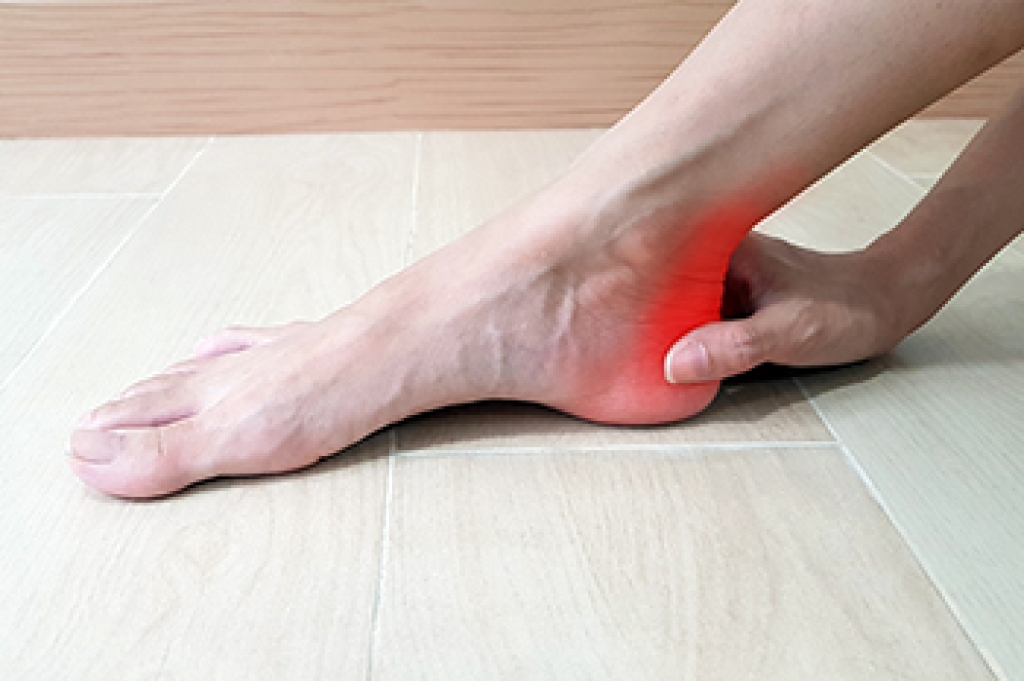
Heel pain is a frequent concern, and one common cause is Achilles tendonitis. This condition is the inflammation of the Achilles tendon, which connects the calf muscles to the heel bone. Causes may include overuse, sudden increases in physical activity, or repetitive strain from sports. Risk factors include tight calf muscles, flat feet, or wearing shoes that lack adequate support. Symptoms often include stiffness, swelling, and pain that worsens with movement. A podiatrist can diagnose the Achilles tendonitis, provide treatment such as targeted stretching exercises or orthotics, and help prevent further injury. If you are struggling with heel pain or suspect you have Achilles tendonitis, it is suggested that you consult a podiatrist who can provide an accurate diagnosis and effective treatment solutions.

Achilles tendon injuries need immediate attention to avoid future complications. If you have any concerns, contact one of our podiatrists of Pennsylvania Foot & Ankle. Our doctors can provide the care you need to keep you pain-free and on your feet.

What Is the Achilles Tendon?

The Achilles tendon is a tendon that connects the lower leg muscles and calf to the heel of the foot. It is the strongest tendon in the human body and is essential for making movement possible. Because this tendon is such an integral part of the body, any injuries to it can create immense difficulties and should immediately be presented to a doctor.

What Are the Symptoms of an Achilles Tendon Injury?

There are various types of injuries that can affect the Achilles tendon. The two most common injuries are Achilles tendinitis and ruptures of the tendon.

Achilles Tendinitis Symptoms

  • Inflammation
  • Dull to severe pain
  • Increased blood flow to the tendon
  • Thickening of the tendon

Rupture Symptoms

  • Extreme pain and swelling in the foot
  • Total immobility

Treatment and Prevention

Achilles tendon injuries are diagnosed by a thorough physical evaluation, which can include an MRI. Treatment involves rest, physical therapy, and in some cases, surgery. However, various preventative measures can be taken to avoid these injuries, such as:

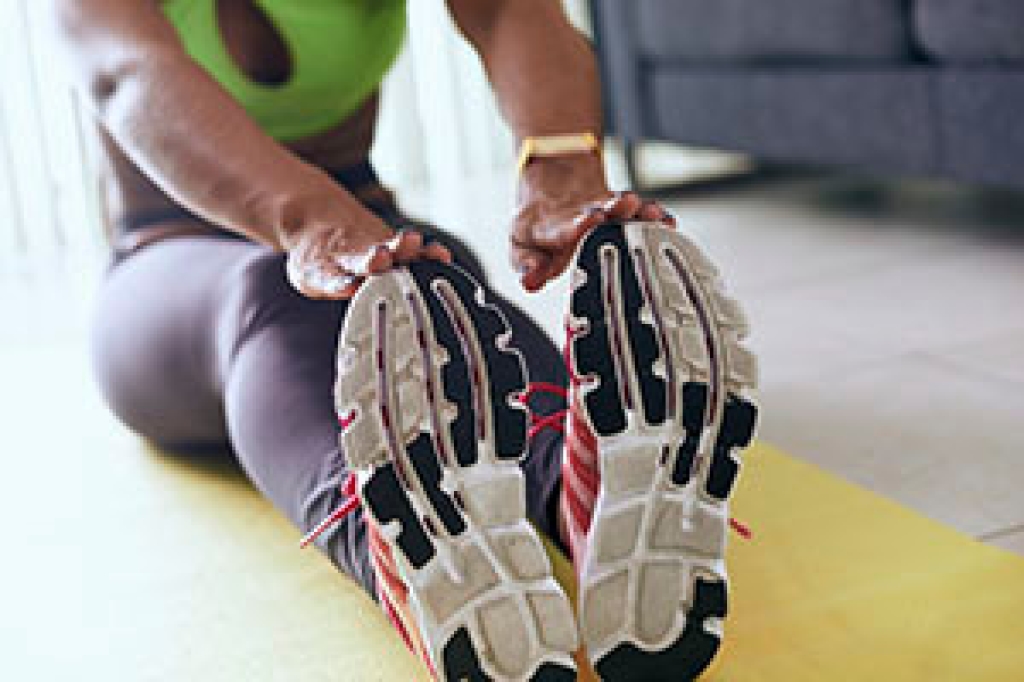
  • Thorough stretching of the tendon before and after exercise
  • Strengthening exercises like calf raises, squats, leg curls, leg extensions, leg raises, lunges, and leg presses

If you have any questions please feel free to contact one of our offices located in Bensalem, Philadelphia, Northeast Philadelphia, Yardley, PA, and Hamilton, NJ . We offer the newest diagnostic tools and technology to treat your foot and ankle needs.
Read more about Achilles Tendon Injuries

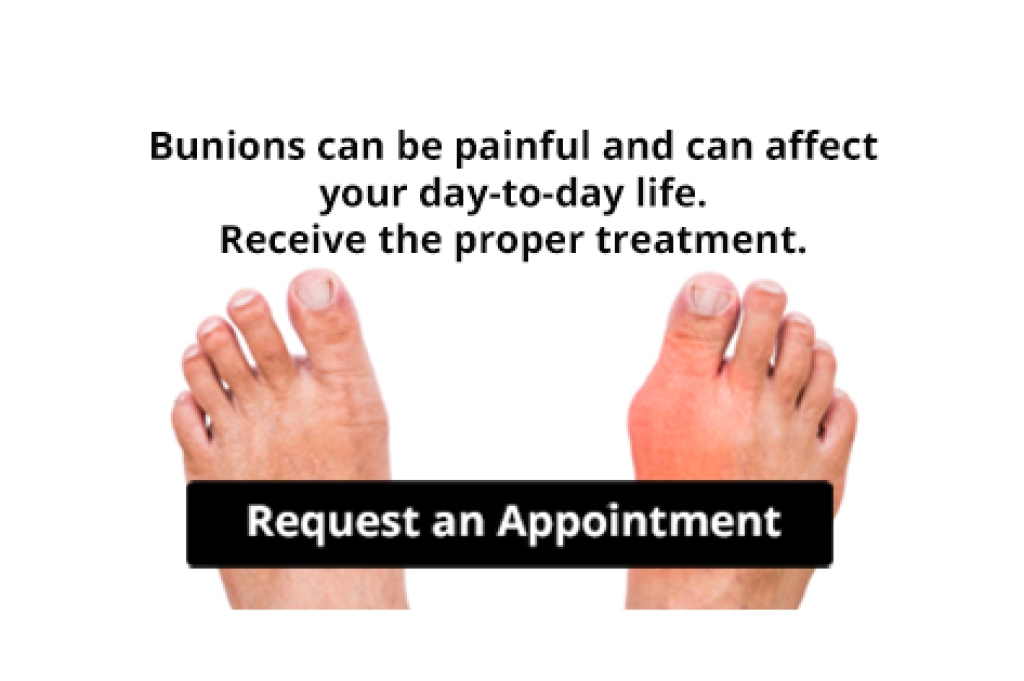
Are Bunions Affecting Your Everyday Life?

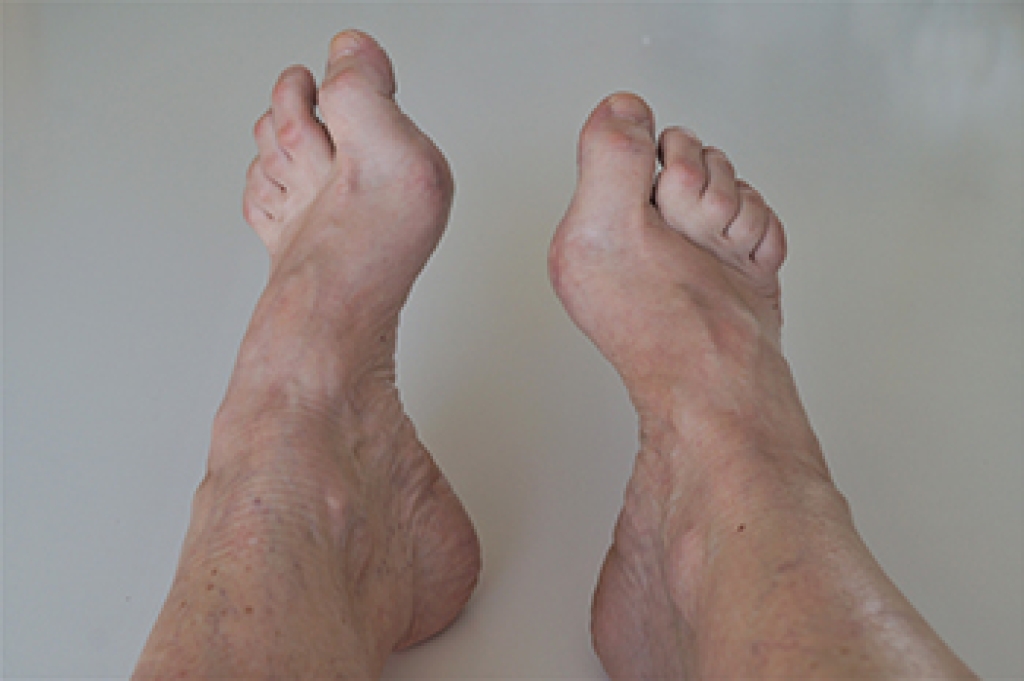
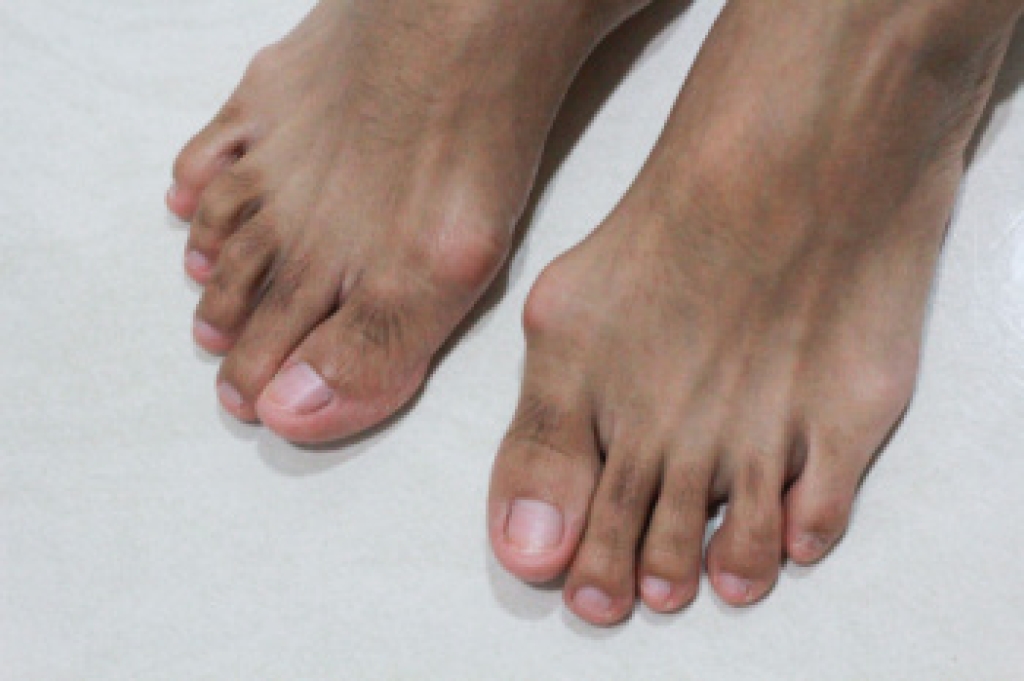
Have you noticed a bony protrusion on the side of your big toe? If so, you may have developed the foot condition known as a bunion. Don't let bunions interfere with your daily activities.

Understanding Bunions and Their Causes

Bunions are bony bumps that form at the base of the big toe when the joint shifts out of alignment. They can be caused by a variety of factors, including genetics, wearing tight or narrow shoes, and arthritis. Other factors are foot injuries or abnormal foot mechanics, such as flat feet or overpronation. Symptoms include a visible bump on the side of the foot, redness, swelling, pain, and difficulty finding in comfortable footwear. The affected area may feel tender or stiff, and walking can become increasingly uncomfortable as the bunion worsens. A podiatrist can diagnose bunions through a physical examination and imaging tests like X-rays to assess the severity of the deformity. Treatment options range from conservative measures, such as padding, orthotics, and shoe modifications, to minimally invasive or traditional surgery, in more severe cases. Early care can help reduce pain and prevent progression. If you have the beginning signs of a bunion, it is suggested that you schedule an appointment with a podiatrist to discuss symptoms and develop an effective treatment plan.

If you are suffering from bunions, contact one of our podiatrists of Pennsylvania Foot & Ankle. Our doctors can provide the care you need to keep you pain-free and on your feet.

What Is a Bunion?

A bunion is formed of swollen tissue or an enlargement of boney growth, usually located at the base joint of the toe that connects to the foot. The swelling occurs due to the bones in the big toe shifting inward, which impacts the other toes of the foot. This causes the area around the base of the big toe to become inflamed and painful.

Why Do Bunions Form?

Genetics – Susceptibility to bunions are often hereditary

Stress on the feet – Poorly fitted and uncomfortable footwear that places stress on feet, such as heels, can worsen existing bunions

How Are Bunions Diagnosed?

Podiatrists often perform two tests – blood tests and x-rays – when trying to diagnose bunions, especially in the early stages of development. Blood tests help determine if the foot pain is being caused by something else, such as arthritis, while x-rays provide a clear picture of your bone structure to your provider.

How Are Bunions Treated?

  • Refrain from wearing heels or similar shoes that cause discomfort
  • Select wider shoes that can provide more comfort and reduce pain
  • Anti-inflammatory and pain management drugs
  • Orthotics or foot inserts
  • Surgery

If you have any questions, please feel free to contact one of our offices located in Bensalem, Philadelphia, Northeast Philadelphia, Yardley, PA, and Hamilton, NJ . We offer the newest diagnostic and treatment technologies for all your foot care needs.

Read more about What Are Bunions?

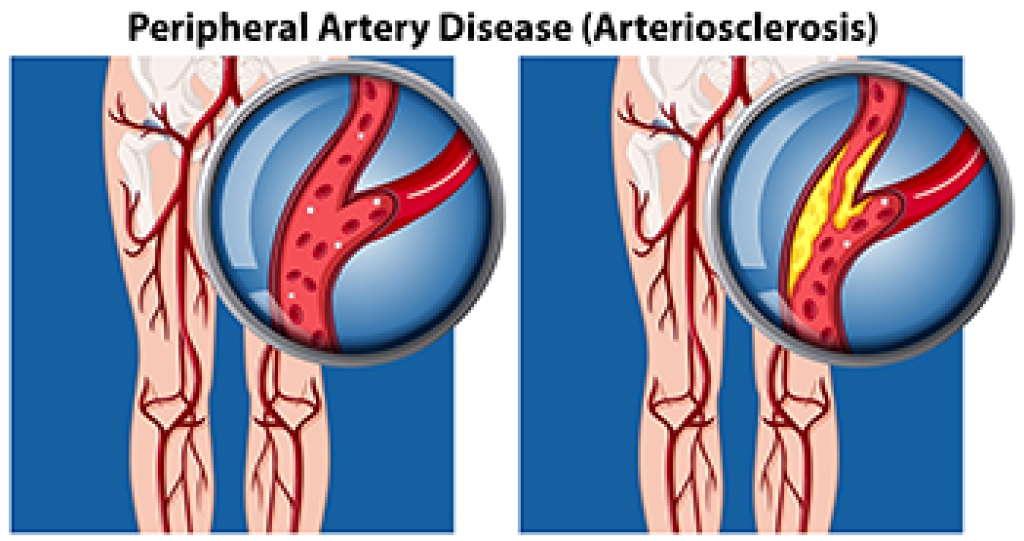
Peripheral Arterial Disease and Its Impact on the Feet

Peripheral arterial disease is a condition where the arteries that carry blood to the legs and feet become narrowed. When circulation is reduced, the feet may feel cold, wounds may heal very slowly, and walking can cause cramping or pain. The skin can sometimes appear pale, shiny, or thin due to the lack of proper blood flow. In more advanced stages, ulcers or sores may develop, which can be difficult to treat without medical attention. Lifestyle factors such as smoking, high cholesterol, and diabetes can increase the risk of this condition. Maintaining healthy habits, staying active, and protecting the feet from injury are all important for prevention. If you notice persistent leg pain, non-healing wounds, or changes in skin color, it is suggested that you seek evaluation from a podiatrist to receive timely and appropriate treatment.

Peripheral artery disease can pose a serious risk to your health. It can increase the risk of stroke and heart attack. If you have symptoms of peripheral artery disease, consult with one of our podiatrists from Pennsylvania Foot & Ankle. Our doctors will assess your condition and provide you with quality foot and ankle treatment.

Peripheral artery disease (PAD) is when arteries are constricted due to plaque (fatty deposits) build-up. This results in less blood flow to the legs and other extremities. The main cause of PAD is atherosclerosis, in which plaque builds up in the arteries.

Symptoms

Symptoms of PAD include:

  • Claudication (leg pain from walking)
  • Numbness in legs
  • Decrease in growth of leg hair and toenails
  • Paleness of the skin
  • Erectile dysfunction
  • Sores and wounds on legs and feet that won’t heal
  • Coldness in one leg

It is important to note that a majority of individuals never show any symptoms of PAD.

Diagnosis

While PAD occurs in the legs and arteries, Podiatrists can diagnose PAD. Podiatrists utilize a test called an ankle-brachial index (ABI). An ABI test compares blood pressure in your arm to you ankle to see if any abnormality occurs. Ultrasound and imaging devices may also be used.

Treatment

Fortunately, lifestyle changes such as maintaining a healthy diet, exercising, managing cholesterol and blood sugar levels, and quitting smoking, can all treat PAD. Medications that prevent clots from occurring can be prescribed. Finally, in some cases, surgery may be recommended.

If you have any questions, please feel free to contact one of our offices located in Bensalem, Philadelphia, Northeast Philadelphia, Yardley, PA, and Hamilton, NJ . We offer the newest diagnostic and treatment technologies for all your foot care needs.

Read more about Peripheral Artery Disease

A Focused Mind May Help to Prevent Running Injuries

There are many people that enjoy running as a hobby, stress reliever, or possibly to accomplish a personal goal. Rehabilitation or extensive healing times may be avoided when proper techniques that can prevent running injuries are practiced. These can include developing a focused attitude, and increasing physical strength, which may help to increase stamina. Additionally, many people find it beneficial to follow a professional training program. The legs may feel better when a foam roller is used, which may help to protect the joints. If you would like more information about how running injuries can affect the feet and how to possibly prevent them, it is suggested that you consult with a podiatrist. 

All runners should take extra precaution when trying to avoid injury. If you have any concerns about your feet, contact one of our podiatrists of Pennsylvania Foot & Ankle. Our doctors will treat your foot and ankle needs.
How to Prevent Running Injuries

There are a lot of mistakes a runner can make prior to a workout that can induce injury. A lot of athletes tend to overstretch before running, instead of saving those workouts for a post-run routine. Deep lunges and hand-to-toe hamstring pulls should be performed after a workout instead of during a warmup. Another common mistake is jumping into an intense routine before your body is physically prepared for it. You should try to ease your way into long-distance running instead of forcing yourself to rush into it.

More Tips for Preventing Injury

  • Incorporate Strength Training into Workouts - This will help improve the body’s overall athleticism
  • Improve and Maintain Your Flexibility – Stretching everyday will help improve overall performance
  • “Warm Up” Before Running and “Cool Down” Afterward – A warm up of 5-10 minutes helps get rid of lactic acid in the muscles and prevents delayed muscle soreness
  • Cross-Training is Crucial
  • Wear Proper Running Shoes
  • Have a Formal Gait Analysis – Poor biomechanics can easily cause injury

If you have any questions, please feel free to contact one of our offices located in Bensalem, Philadelphia, Northeast Philadelphia, Yardley, PA, and Hamilton, NJ . We offer the newest diagnostic and treatment technologies for all your foot care needs.

Read more about Preventing Running Injuries

Are You Suffering From Ingrown Toenails?

If left untreated, an ingrown toenail can lead to more serious concerns, such as an infection. Knowing proper nail care can help in the prevention of an ingrown toenail. Give us a call, and get treated!

Causes and Symptoms of Ankle Sprains

A sprained ankle occurs when the ligaments that support the ankle joint are torn, or stretched beyond their limits, and is usually the result of an unexpected twist or roll of the foot. Ankle sprains often happen during sports that involve sudden changes in direction, running on uneven ground, wearing high-heels or flip-flops, or stepping awkwardly off a curb. A previous ankle injury can increase the chance of re-spraining due to reduced stability and balance. Symptoms include pain, swelling, bruising, and tenderness surrounding the ankle, depending on the severity. A mild sprain may still allow walking, while a severe sprain can cause sharp pain, instability, and difficulty bearing weight. Sprains are classified as grade 1 with mild stretching, grade 2 with partial tearing, and grade 3 with complete rupture of the ligament. A podiatrist can diagnose the severity of the sprain and provide appropriate treatment. If you believe you have sprained an ankle, it is suggested that you schedule an appointment with a podiatrist for an evaluation and treatment options.

Although ankle sprains are common, they aren’t always minor injuries. If you need your ankle injury looked at, contact one of our podiatrists from Pennsylvania Foot & Ankle. Our doctors can provide the care you need to keep you pain-free and on your feet.

How Does an Ankle Sprain Occur?

Ankle sprains are the result of a tear in the ligaments within the ankle. These injuries may happen when you make a rapid shifting movement while your foot is planted. A less common way to sprain your ankle is when your ankle rolls inward while your foot turns outward.

What Are the Symptoms?

  • Pain at the sight of the tear
  • Bruising/Swelling
  • Ankle area is tender to touch
  • In severe cases, may hear/feel something tear
  • Skin discoloration

Preventing a Sprain

  • Wearing appropriate shoes for the occasion
  • Stretching before exercises and sports
  • Knowing your limits

Treatment of a Sprain

In many cases, the RICE method (Rest, Ice, Compression, and Elevate) is used to treat ankle sprains. However, you should see a podiatrist to see which treatment option would work best with your injury. In severe cases, surgery may be required.

It is important to ask your doctor about rehab options after you receive treatment for your injury. Stretching, strength training, and balance exercises may help the ankle heal while also preventing further injury.

If you have any questions, please feel free to contact one of our offices located in Bensalem, Philadelphia, Northeast Philadelphia, Yardley, PA, and Hamilton, NJ . We offer the newest diagnostic and treatment technologies for all your foot care needs.

Read more about Ankle Sprains

Causes of Cracked Heels Include Vitamin Deficiency

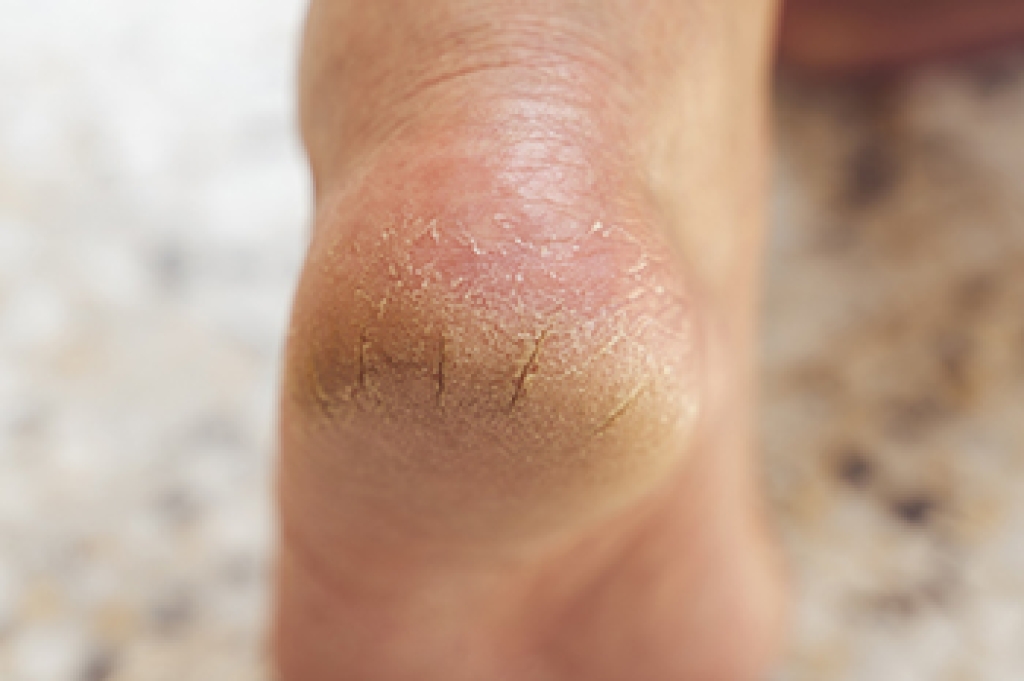
Cracked heels are more than a cosmetic concern and may signal underlying health issues, including vitamin deficiencies. Lack of vitamin E can reduce skin elasticity, vitamin B3 deficiency may cause dryness and inflammation, and low vitamin C can impair healing and collagen production. Other causes of cracked heels include skin conditions like eczema, fungal infections such as athlete's foot, or frequently walking barefoot which increases pressure on the skin. A podiatrist can assess the root cause, provide treatments to soften and heal the skin, and recommend lifestyle changes or supplements, if needed. Cracked heels can be painful, and may interfere with completing daily activities. If you have developed this condition, it is suggested that you promptly consult a podiatrist who can provide effective relief and treatment remedies.

If the skin on your feet starts to crack, you may want to see a podiatrist to find treatment. If you have any concerns, contact one of our podiatrists from Pennsylvania Foot & Ankle. Our doctors can provide the care you need to keep you pain-free and on your feet.

Cracked Heels

It is important to moisturize your cracked heels in order to prevent pain, bleeding, and infection. The reason cracked heels form is because the skin on the foot is too dry to support the immense pressure placed on them. When the foot expands, the dry skin on the foot begins to split.

Ways to Help Heal Them

  • Invest in a good foot cream
  • Try Using Petroleum Jelly
  • Ease up on Soaps
  • Drink Plenty of Water

Ways to Prevent Cracked Heels

  • Moisturize After Showering
  • Skip a Shower
  • Keep Shower Water Lukewarm
  • Don’t Scrub Your Feet

If you are unsure how to proceed in treating cracked heels, seek guidance from a podiatrist. Your doctor will help you with any questions or information you may need. 

If you have any questions, please feel free to contact one of our offices located in Bensalem, Philadelphia, Northeast Philadelphia, Yardley, PA, and Hamilton, NJ . We offer the newest diagnostic and treatment technologies for all your foot care needs.

Read more about Solutions for Cracked Heels

Problems Caused by High Arches

High arches, also known as pes cavus, occur when the arch of the foot is raised higher than normal, creating an exaggerated curve from the heel to the toes. Having high arches places uneven pressure on the feet, often concentrating weight on the heel and the ball of the foot. People with high arches may experience pain in the arches, toes, or ankles due to the extra strain on the metatarsals and surrounding structures. Shortened foot length, difficulty fitting into shoes, and instability during walking or running are also common problems. The excess pressure can lead to calluses, ankle sprains, hammertoes, or even stress fractures. A podiatrist can evaluate the structure and flexibility of the foot, order imaging if needed, and recommend proper support or surgery in severe cases. If you have arch pain, it is suggested that you make an appointment with a podiatrist for an evaluation and treatment.

If you have any concerns about your feet, contact one of our podiatrists from Pennsylvania Foot & Ankle. Our doctors can provide the care you need to keep you pain-free and on your feet.

Biomechanics in Podiatry

Podiatric biomechanics is a particular sector of specialty podiatry with licensed practitioners who are trained to diagnose and treat conditions affecting the foot, ankle and lower leg. Biomechanics deals with the forces that act against the body, causing an interference with the biological structures. It focuses on the movement of the ankle, the foot and the forces that interact with them.

A History of Biomechanics

  • Biomechanics dates back to the BC era in Egypt where evidence of professional foot care has been recorded.
  • In 1974, biomechanics gained a higher profile from the studies of Merton Root, who claimed that by changing or controlling the forces between the ankle and the foot, corrections or conditions could be implemented to gain strength and coordination in the area.

Modern technological improvements are based on past theories and therapeutic processes that provide a better understanding of podiatric concepts for biomechanics. Computers can provide accurate information about the forces and patterns of the feet and lower legs.

Understanding biomechanics of the feet can help improve and eliminate pain, stopping further stress to the foot.

If you have any questions please feel free to contact one of our offices located in Bensalem, Philadelphia, Northeast Philadelphia, Yardley, PA, and Hamilton, NJ . We offer the newest diagnostic and treatment technologies for all your foot and ankle needs.

Read more about The Importance of Biomechanics in Podiatry

Do Your Child's Feet Hurt?

Have your child's feet been examined lately? Healthy feet are happy feet. If your child is complaining of foot pain, it may be a sign of underlying problems.

Connect With Us