What Is Fat Pad Atrophy?

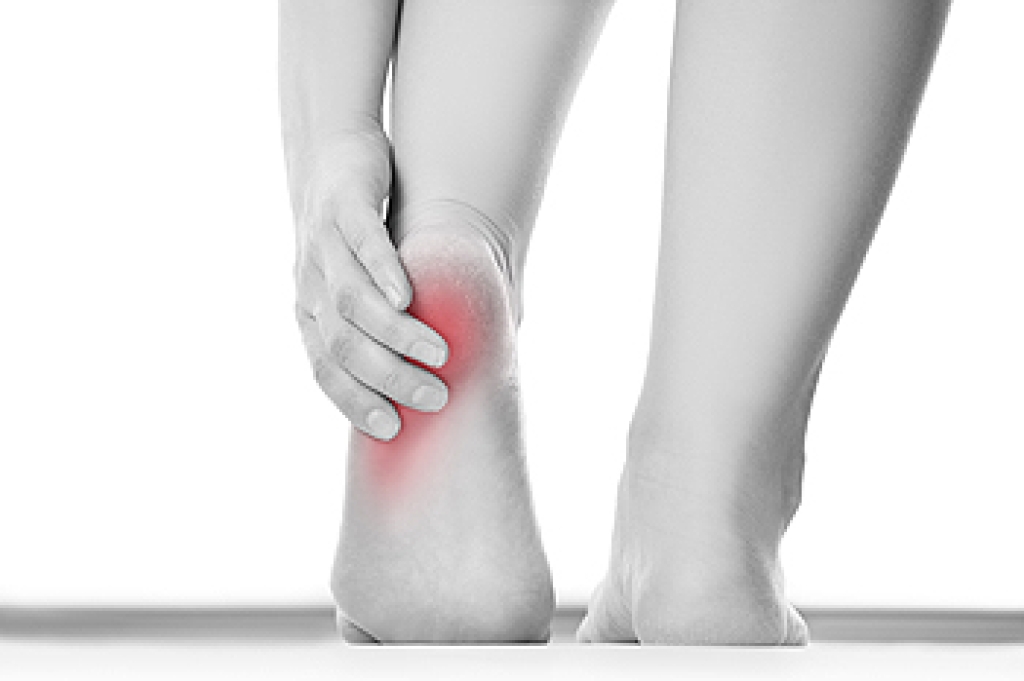
The fat pad is a thick layer of fat located underneath the balls and heels of the feet. It provides cushioning to minimize the effects of friction and pressure on the feet, while also anchoring the feet to help you shift your body weight. Fat pad atrophy is the gradual loss of fat from the ball or the heel of the foot. This process is often associated with aging, but may also be caused by collapsed bones, high arches, foot injuries, arthritis, improper footwear, diabetes, steroid injections, certain medications, and genetic factors. Fat pad atrophy leads to symptoms such as pain in the balls and heels of the feet, swelling, and the formation of calluses. Pain is usually at its worst when walking, standing for prolonged periods of time, or wearing high heels. If you are experiencing fat pad atrophy, it is suggested that you seek the care of a podiatrist.

Many people suffer from bouts of heel pain. For more information, contact one of our podiatrists of Pennsylvania Foot & Ankle. Our doctors can provide the care you need to keep you pain-free and on your feet.

Causes of Heel Pain

Heel pain is often associated with plantar fasciitis. The plantar fascia is a band of tissues that extends along the bottom of the foot. A rip or tear in this ligament can cause inflammation of the tissue.

Achilles tendonitis is another cause of heel pain. Inflammation of the Achilles tendon will cause pain from fractures and muscle tearing. Lack of flexibility is also another symptom.

Heel spurs are another cause of pain. When the tissues of the plantar fascia undergo a great deal of stress, it can lead to ligament separation from the heel bone, causing heel spurs.

Why Might Heel Pain Occur?

  • Wearing ill-fitting shoes                
  • Wearing non-supportive shoes
  • Weight change           
  • Excessive running

Treatments

Heel pain should be treated as soon as possible for immediate results. Keeping your feet in a stress-free environment will help. If you suffer from Achilles tendonitis or plantar fasciitis, applying ice will reduce the swelling. Stretching before an exercise like running will help the muscles. Using all these tips will help make heel pain a condition of the past.

If you have any questions, please feel free to contact one of our offices located in Bensalem, Philadelphia, Northeast Philadelphia, Yardley, PA, and Hamilton, NJ . We offer the newest diagnostic and treatment technologies for all your foot care needs.

Read more about Heel Pain

Why Live with Pain and Numbness in Your Feet?

Suffering from this type of pain? You may have the foot condition known as Morton's neuroma. Morton's neuroma may develop as a result of ill-fitting footwear and existing foot deformities. We can help.

When Cracked Heels Become Painful

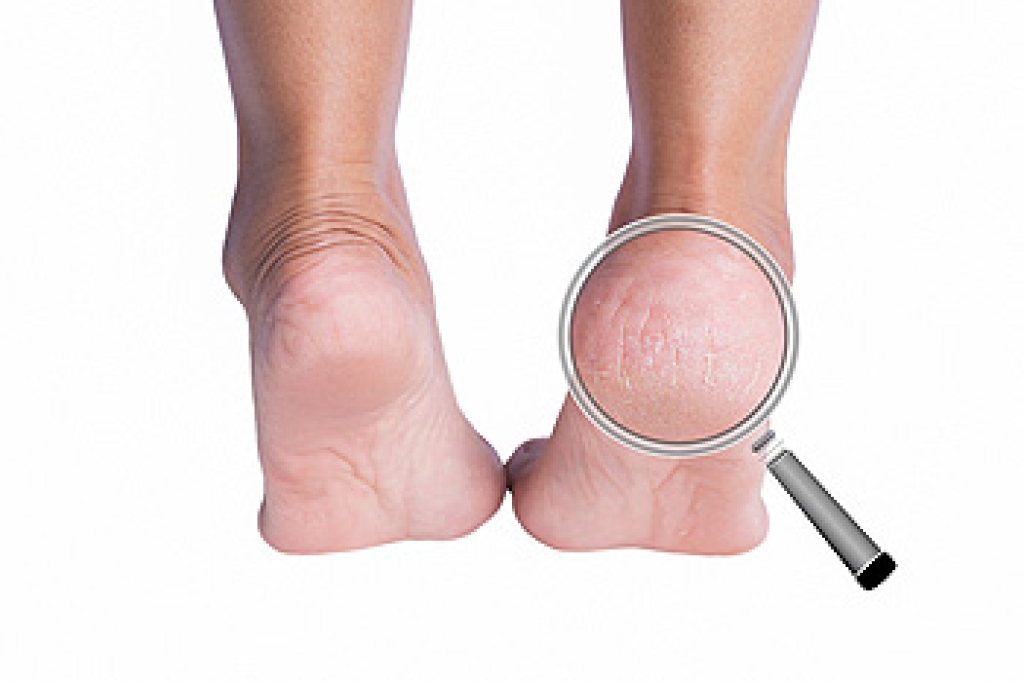
Heel fissures (cracked heels) that deepen may not only be unattractive, but painful. Left untreated, they may form hardened calluses, bleed, or even become infected. Cracked heels are usually the result of dry skin. Sometimes, this is exacerbated by obesity—which can cause dry skin to stiffen and crack when it is overly stretched. Standing on hard flooring for prolonged periods, as well as wearing poorly fitting or open-back shoes, or having certain foot disorders, psoriasis, eczema, and other medical conditions may also contribute to the development of cracked heels. You can help prevent heel fissures from occurring by keeping your feet hydrated with emollient or humectant moisturizers, limiting your time in the shower or bath, and opting for warm, rather than hot, water. Severely cracked or bleeding heels should be cared for by a podiatrist who can help prevent them from becoming infected.

If the skin on your feet starts to crack, you may want to see a podiatrist to find treatment. If you have any concerns, contact one of our podiatrists from Pennsylvania Foot & Ankle. Our doctors can provide the care you need to keep you pain-free and on your feet.

Cracked Heels

It is important to moisturize your cracked heels in order to prevent pain, bleeding, and infection. The reason cracked heels form is because the skin on the foot is too dry to support the immense pressure placed on them. When the foot expands, the dry skin on the foot begins to split.

Ways to Help Heal Them

  • Invest in a good foot cream
  • Try Using Petroleum Jelly
  • Ease up on Soaps
  • Drink Plenty of Water

Ways to Prevent Cracked Heels

  • Moisturize After Showering
  • Skip a Shower
  • Keep Shower Water Lukewarm
  • Don’t Scrub Your Feet

If you are unsure how to proceed in treating cracked heels, seek guidance from a podiatrist. Your doctor will help you with any questions or information you may need. 

If you have any questions, please feel free to contact one of our offices located in Bensalem, Philadelphia, Northeast Philadelphia, Yardley, PA, and Hamilton, NJ . We offer the newest diagnostic and treatment technologies for all your foot care needs.
Read more about Solutions for Cracked Heels

Recovering From Tenosynovitis

Tenosynovitis is an inflammation of a tendon and its synovium, or lining. This condition can affect the feet or ankles and occur due to injury, repetitive overuse, excessive pressure on the tendon, or an infection. Tenosynovitis usually affects athletes, ballet dancers, and older adults. While recovering from this condition, it is suggested that you limit your leg and foot movement to decrease stress on the tendon and prevent further damage. Applying ice or heat to the area can help reduce swelling and pain. At home, you may need to wear a splint, brace, or walking boot, and may need crutches to get around. It is important to follow your doctor’s instructions so that you can recover fully and return to your usual activities as soon as possible. If you are experiencing ankle pain, please consult with a podiatrist. 

Ankle pain can have many different causes and the pain may potentially be serious. If you have ankle pain, consult with one of our podiatrists from Pennsylvania Foot & Ankle. Our doctors will assess your condition and provide you with quality foot and ankle treatment.

Ankle pain is any condition that causes pain in the ankle. Due to the fact that the ankle consists of tendons, muscles, bones, and ligaments, ankle pain can come from a number of different conditions.

Causes

The most common causes of ankle pain include:

  • Types of arthritis (rheumatoid, osteoarthritis, and gout)
  • Ankle sprains
  • Broken ankles
  • Achilles tendinitis
  • Achilles tendon rupture
  • Stress fractures
  • Tarsal tunnel syndrome
  • Plantar fasciitis

Symptoms

Symptoms of ankle injury vary based upon the condition. Pain may include general pain and discomfort, swelling, aching, redness, bruising, burning or stabbing sensations, and/or loss of sensation.

Diagnosis

Due to the wide variety of potential causes of ankle pain, podiatrists will utilize a number of different methods to properly diagnose ankle pain. This can include asking for personal and family medical histories and of any recent injuries. Further diagnosis may include sensation tests, a physical examination, and potentially x-rays or other imaging tests.

Treatment

Just as the range of causes varies widely, so do treatments. Some more common treatments are rest, ice packs, keeping pressure off the foot, orthotics and braces, medication for inflammation and pain, and surgery.

If you have any questions please feel free to contact one of our offices located in Bensalem, Philadelphia, Northeast Philadelphia, Yardley, PA, and Hamilton, NJ . We offer the newest diagnostic tools and technology to treat your foot and ankle needs.

Read more about Ankle Pain

How Common Are Ankle Sprains?

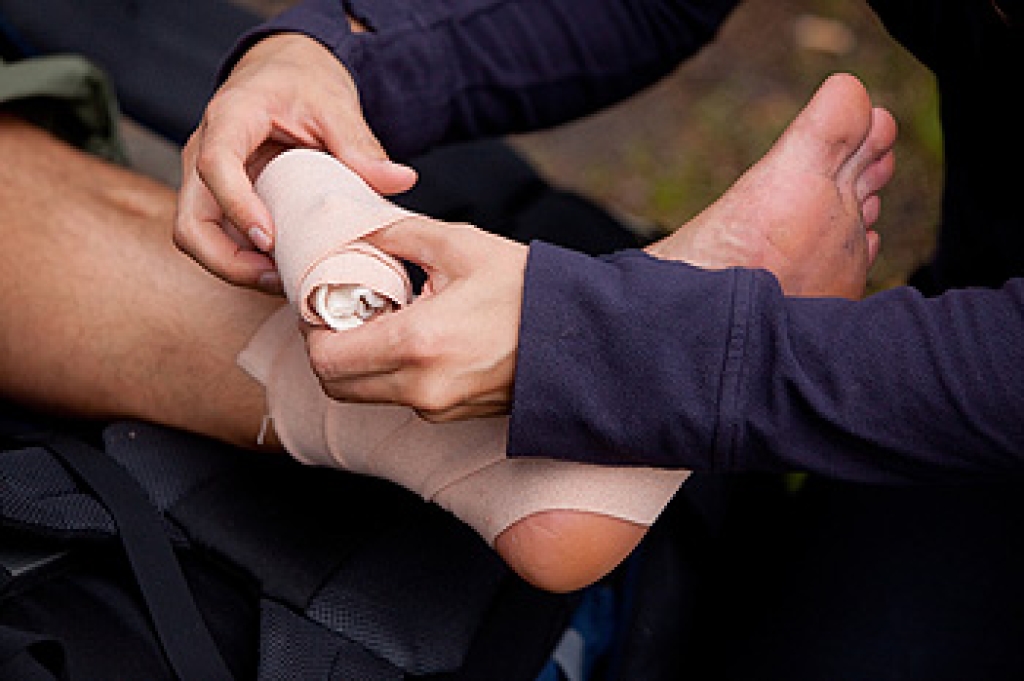
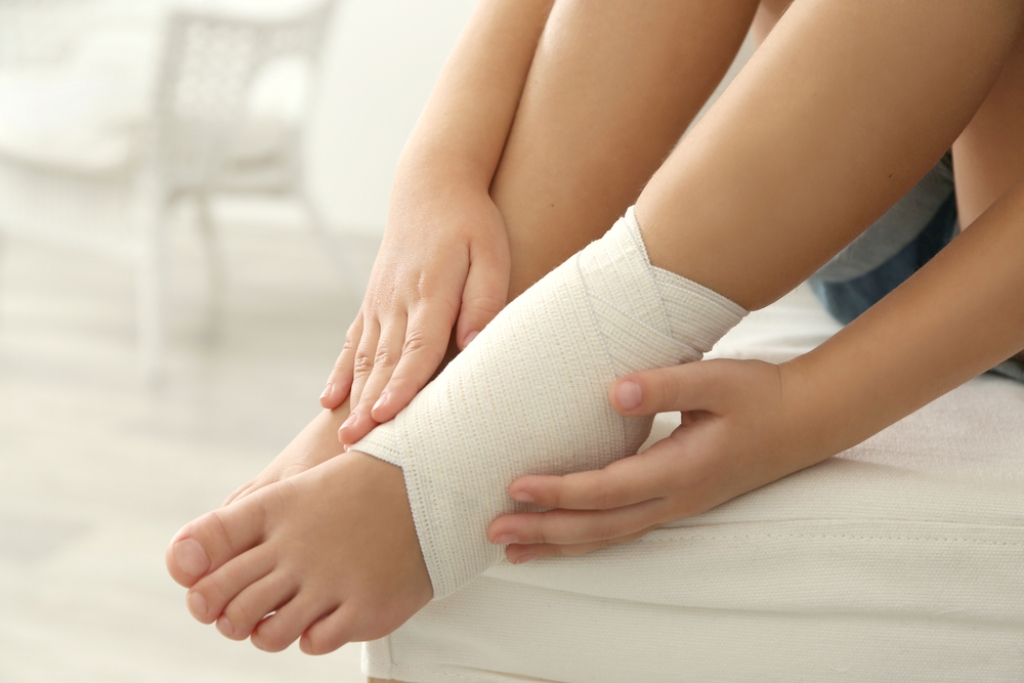
Ankle sprains are extremely common, affecting approximately 25,000 people each day. They occur when one or more ligaments in the ankle are overstretched or torn. This usually happens from a sudden twisting or turning of the ankle, while waking, running, jumping, dancing, or playing a sport. Immediately following the injury, it can be beneficial to follow the R.I.C.E. acronym for sprained ankle care. R.I.C.E. stands for rest, ice, compress, and elevate. Rest your ankle by not putting more weight on it than absolutely necessary. Apply ice to the ankle to reduce pain and swelling. Compressing the ankle can also help control swelling, and provides support to the area, as often ankle sprains are accompanied by ankle joint instability. Elevate the foot while resting by propping it up higher than heart level. If you suspect that you have sprained your ankle, it is strongly suggested that you see a podiatrist as soon as possible. The podiatrist will be able to diagnose the ankle sprain, determine the severity of the injury, and prescribe the appropriate treatments. 

Ankle sprains are common but need immediate attention. If you need your feet checked, contact one of our podiatrists from Pennsylvania Foot & Ankle. Our doctors can provide the care you need to keep you pain-free and on your feet.

How Does an Ankle Sprain Occur?

Ankle sprains take place when the ligaments in your ankle are torn or stretched beyond their limits. There are multiple ways that the ankle can become injured, including twisting or rolling over onto your ankle, putting undue stress on it, or causing trauma to the ankle itself.

What Are the Symptoms?

  • Mild to moderate bruising
  • Limited mobility
  • Swelling
  • Discoloration of the skin (depending on severity)

Preventing a Sprain

  • Wearing appropriate shoes for the occasion
  • Stretching before exercises and sports
  • Knowing your limits

Treatment of a Sprain

Treatment of a sprain depends on the severity.  Many times, people are told to rest and remain off their feet completely, while others are given an air cast. If the sprain is very severe, surgery may be required.

If you have suffered an ankle sprain previously, you may want to consider additional support such as a brace and regular exercises to strengthen the ankle.

If you have any questions please feel free to contact one of our offices located in Bensalem, Philadelphia, Northeast Philadelphia, Yardley, PA, and Hamilton, NJ . We offer the newest diagnostic tools and technology to treat your foot and ankle needs.

Read more about Ankle Sprains

Connect With Us