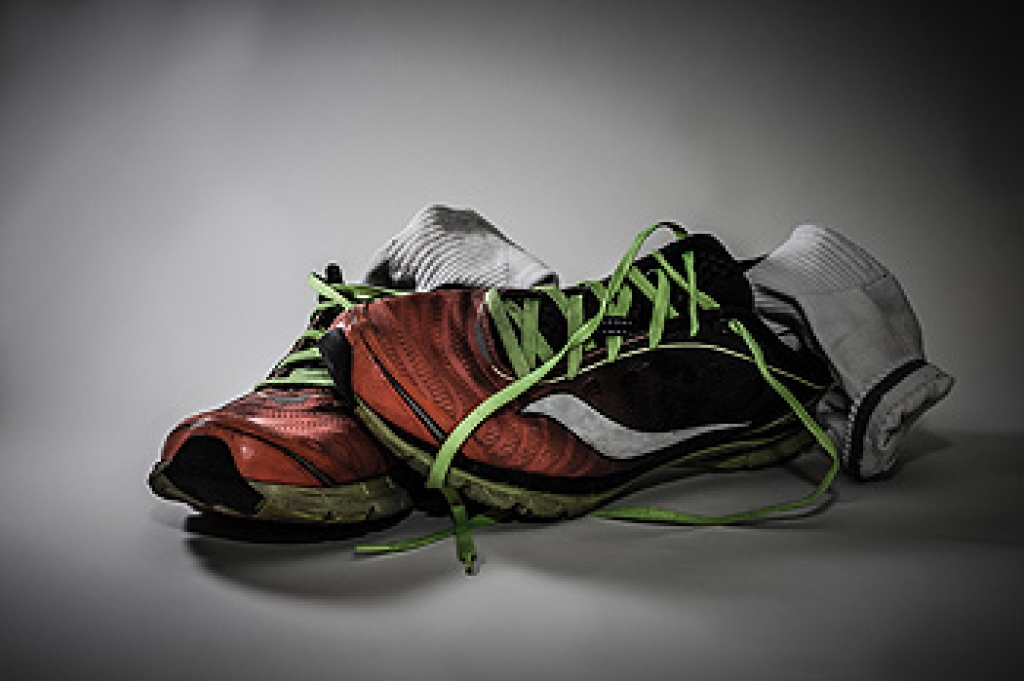
How to Prevent Athlete’s Foot

The symptoms of a condition that is referred to as athlete’s foot may consist of dry, flaky and cracked skin between the toes or on the soles of the feet. It is typically caused by a fungus which thrives in warm and moist areas. These may include public swimming pools, shower room floors, or locker rooms. It is known to be extremely contagious, and there are measures that can be implemented to avoid contracting athlete’s foot. These may consist of wearing appropriate shoes in public areas, and keeping your shoes and socks dry. Additionally, it may be helpful to wash and dry your feet daily, followed by utilizing a powder between the toes. This may aid in keeping the feet dry. If you have athlete’s foot, it is advised to consult with a podiatrist who can properly diagnosis and treat this condition.

Athlete’s Foot

Athlete’s foot is often an uncomfortable condition to experience. Thankfully, podiatrists specialize in treating athlete’s foot and offer the best treatment options. If you have any questions about athlete’s foot, consult with one of our podiatrists from Pennsylvania Foot & Ankle. Our doctors will assess your condition and provide you with quality treatment.

What Is Athlete’s Foot?

Tinea pedis, more commonly known as athlete’s foot, is a non-serious and common fungal infection of the foot. Athlete’s foot is contagious and can be contracted by touching someone who has it or infected surfaces. The most common places contaminated by it are public showers, locker rooms, and swimming pools. Once contracted, it grows on feet that are left inside moist, dark, and warm shoes and socks.

Prevention

The most effective ways to prevent athlete’s foot include:

  • Thoroughly washing and drying feet
  • Avoid going barefoot in locker rooms and public showers
  • Using shower shoes in public showers
  • Wearing socks that allow the feet to breathe
  • Changing socks and shoes frequently if you sweat a lot

Symptoms

Athlete’s foot initially occurs as a rash between the toes. However, if left undiagnosed, it can spread to the sides and bottom of the feet, toenails, and if touched by hand, the hands themselves. Symptoms include:

  • Redness
  • Burning
  • Itching
  • Scaly and peeling skin

Diagnosis and Treatment

Diagnosis is quick and easy. Skin samples will be taken and either viewed under a microscope or sent to a lab for testing. Sometimes, a podiatrist can diagnose it based on simply looking at it. Once confirmed, treatment options include oral and topical antifungal medications.

If you have any questions, please feel free to contact one of our offices located in Bensalem, Philadelphia, Northeast Philadelphia, Yardley, PA, and Hamilton, NJ . We offer the newest diagnostic and treatment technologies for all your foot care needs.
Read more about How to Deal with Athlete's Foot

Flip Flops May Provide Inadequate Stability

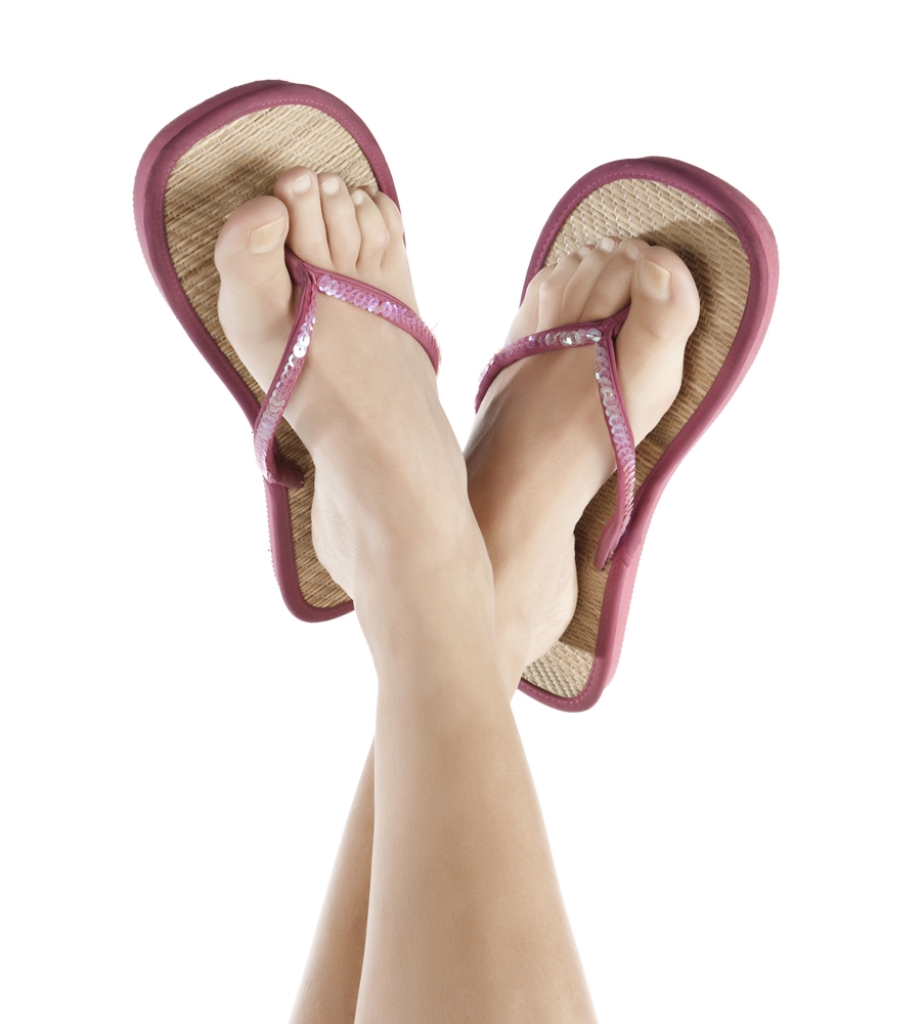
The name of the shoes that are known as flip flops comes from the sound that is made while they are being worn. Despite the fact they are a popular summer shoe and are fun to wear, they may cause subtle changes to the foot as a result of the change in gait. The majority of flip flops do not provide adequate support and stability for the foot, and this may cause the toes to grip the front of the shoe. Pain may gradually be felt in the sole of the foot, and this may be indicative of plantar fasciitis. Many people find their ankles may roll inward while walking in an effort to keep the shoe on, and this may lead to unwanted ankle problems. There may be other choices of shoes to wear that can positively affect the foot, and if you would like additional information about this, it is suggested to speak to a podiatrist.

Flip-flops are not always the best choice of footwear. If you have any concerns about your feet or ankles, contact one of our podiatrists from Pennsylvania Foot & Ankle. Our doctors will assist you with all of your foot and ankle needs.

Flip-Flops and Feet

When the weather starts warming up, people enjoy wearing flip-flops.  Flip-flops are comfortable, stylish, and easy to slip on and off; they're perfect for any summer beach goer.  However, these shoes can cause harm to the feet.

How Can Flip-Flops Affect Me Long-Term?

  • Ankle problems
  • Hip problems
  • Lower back problems
  • Pain in the balls of the feet
  • Problems with foot arches
  • Changes in the way you walk

Are There Injuries Associated with Flip-Flops?

Yes.  Since flip-flops are relatively weak and do not provide the same amount of support as sneakers, people who wear flip-flops regularly are more susceptible to injuries. On top of that, the open nature of the shoe makes your feet more prone to other problems, such as cuts and even infections.  Common injuries and ailments include:

  • Sprained ankles
  • Blisters
  • Infections
  • Cuts and Scrapes

I like Wearing Flip-Flops. Are There Safe Alternatives?

When buying flip-flops, try to find ones that have sturdy soles and that are made of high-quality materials that will support for your feet.  These flip-flops will cost more but will also last longer as a result.

If you have any questions, please feel free to contact one of our offices located in Bensalem, Philadelphia, Northeast Philadelphia, Yardley, PA, and Hamilton, NJ . We offer the newest diagnostic and treatment technologies for all your foot care needs.
Read more about Flip Flops and Feet

Does My Child Have Toenail Fungus?

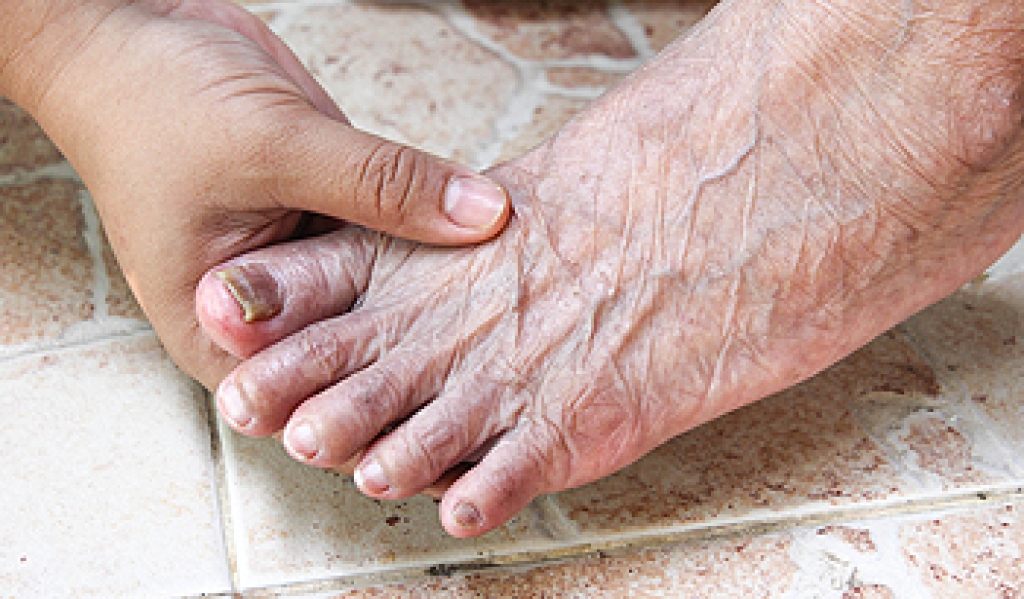
If you notice your child’s toenails are becoming yellow or white, he or she may have a toenail fungus. It is caused by a virus that lives in moist and warm environments and is considered to be contagious. This may occur if your child walks barefoot in public pools and surrounding areas. Additionally, it may develop from wearing shoes and socks for an extended period of time, which may cause the feet to become sweaty and warm. If your child is afflicted with toenail fungus, it may be beneficial to make sure the feet get washed often, in addition to properly trimming the toenails. If you notice your child has these symptoms, it is advised that you speak to a podiatrist who can prescribe effective medication.

For more information about treatment, contact one of our podiatrists of Pennsylvania Foot & Ankle. Our doctors can provide the care you need to keep you pain-free and on your feet.

Toenail Fungus Treatment

Toenail fungus is a condition that affects many people and can be especially hard to get rid of. Fortunately, there are several methods to go about treating and avoiding it.

Antifungals & Deterrence

Oral antifungal medicine has been shown to be effective in many cases. It is important to consult with a podiatrist to determine the proper regiment for you, or potentially explore other options.

Applying foot powder on the feet and shoes helps keep the feet free of moisture and sweat.

Sandals or open toed shoes – Wearing these will allow air movement and help keep feet dry. They also expose your feet to light, which fungus cannot tolerate. Socks with moisture wicking material also help as well.

If you have any questions please contact one of our offices located in Bensalem, Philadelphia, Northeast Philadelphia, Yardley, PA, and Hamilton, NJ . We offer the newest diagnostic and treatment technologies for all your foot and ankle needs.

Read more about How to Treat Your Toenail Fungus

Symptoms of an Achilles Tendon Injury

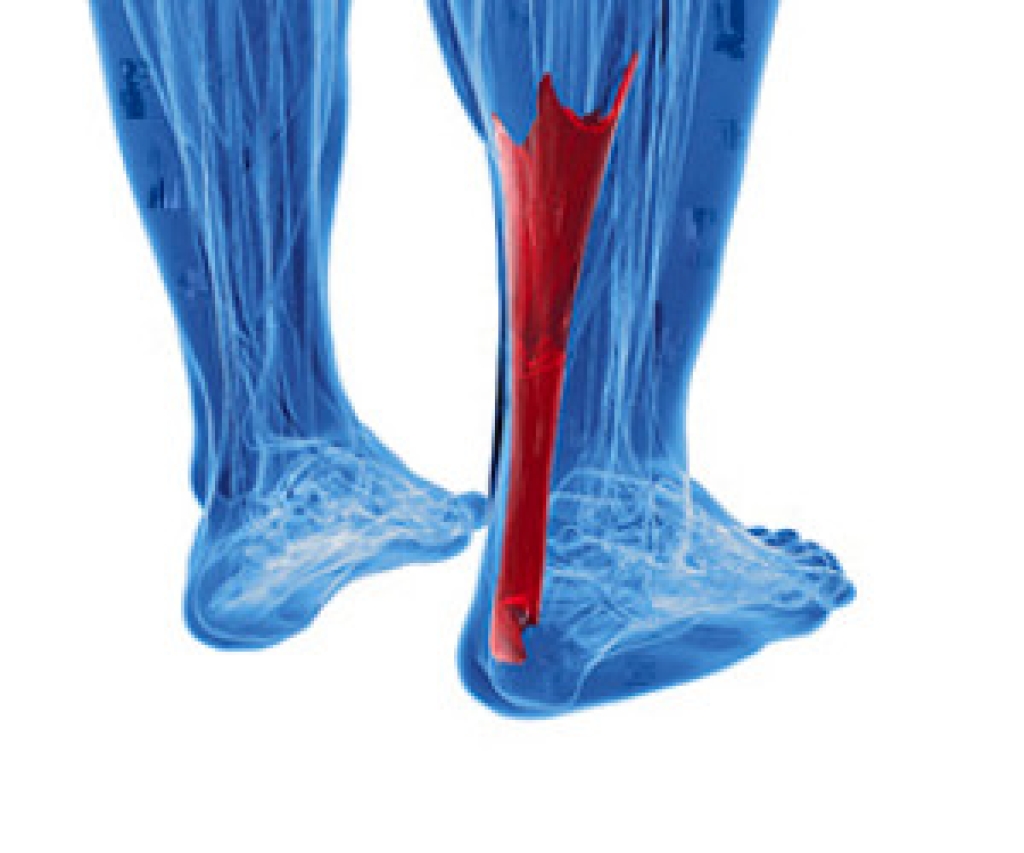
The Achilles tendon is considered to be the largest tendon in the body. Its function is to connect the heel to the calf muscles, and it is important for this tendon to maintain its flexibility and strength. It is typically put under pressure for the majority of the day as walking or running and jumping activities are completed. If an injury should occur to the Achilles tendon, it may become swollen and inflamed. This type of injury is known as tendonitis. A common symptom that can be associated with this condition may be pain in the heel and surrounding areas. If a rupture should occur, you may hear a popping sound emanating from the back of the heel. This is typically indicative of a serious injury, and medical attention should be sought as quickly as possible. If you have any pain in the back of the calf or in the heel, please consult with a podiatrist who can properly diagnose and treat an Achilles tendon injury.

Achilles tendon injuries need immediate attention to avoid future complications. If you have any concerns, contact one of our podiatrists of Pennsylvania Foot & Ankle. Our doctors can provide the care you need to keep you pain-free and on your feet.

What Is the Achilles Tendon?

The Achilles tendon is a tendon that connects the lower leg muscles and calf to the heel of the foot. It is the strongest tendon in the human body and is essential for making movement possible. Because this tendon is such an integral part of the body, any injuries to it can create immense difficulties and should immediately be presented to a doctor.

What Are the Symptoms of an Achilles Tendon Injury?

There are various types of injuries that can affect the Achilles tendon. The two most common injuries are Achilles tendinitis and ruptures of the tendon.

Achilles Tendinitis Symptoms

  • Inflammation
  • Dull to severe pain
  • Increased blood flow to the tendon
  • Thickening of the tendon

Rupture Symptoms

  • Extreme pain and swelling in the foot
  • Total immobility

Treatment and Prevention

Achilles tendon injuries are diagnosed by a thorough physical evaluation, which can include an MRI. Treatment involves rest, physical therapy, and in some cases, surgery. However, various preventative measures can be taken to avoid these injuries, such as:

  • Thorough stretching of the tendon before and after exercise
  • Strengthening exercises like calf raises, squats, leg curls, leg extensions, leg raises, lunges, and leg presses

If you have any questions please feel free to contact one of our offices located in Bensalem, Philadelphia, Northeast Philadelphia, Yardley, PA, and Hamilton, NJ . We offer the newest diagnostic tools and technology to treat your foot and ankle needs.

Read more about What are Achilles Tendon Injuries

Is Foot Therapy Effective?

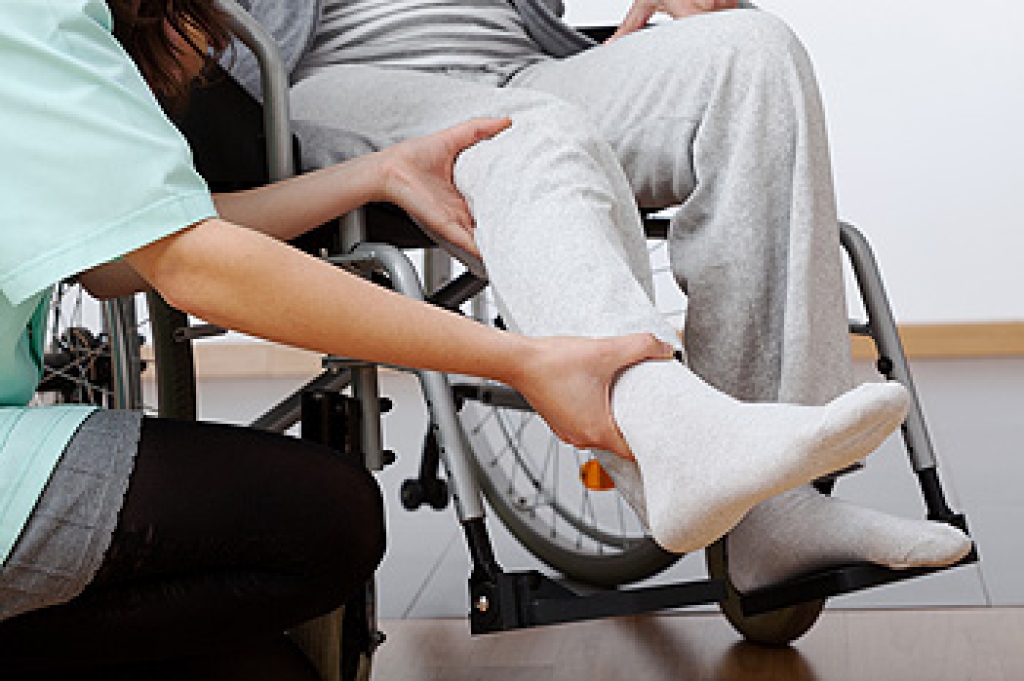
If an injury should occur to the foot or ankle, foot therapy may be an avenue that is pursued to obtain mild relief. There are many foot conditions that would benefit from having physical therapy performed, and these may include plantar fasciitis, or foot and ankle stress fractures. Some patients find it helpful to use this form of therapy to aid in recovering from foot or ankle surgery, and it may help in regaining full range of motion. Additionally, flexibility and overall strength in the feet and ankles may improve when specific muscles are stretched. If you would like to know more about the benefits of foot therapy, please consult with a podiatrist who can properly guide you.

Foot therapy is often necessary for those recovering from either foot deformities or foot injuries. If you have concerns regarding therapy, consult with one of our podiatrists from Pennsylvania Foot & Ankle. Our doctors can provide the care you need to keep you pain-free and on your feet.

Most Common Injuries

People who are active or athletes are prone to a variety of injuries. Therefore, it is often important to take part in physical therapy in order to quickly get back on the right track. 

What to Do When Injured

Physical Therapy – This specialized treatment will focus on the affected area, speeding up recovery and the overall healing process. It is a proven method that has helped millions of people return from any injury.

During physical therapy you will undergo regimented training to get back into full form. Training is often very difficult, especially at first when the foot feels weak. Physical therapy often involves:

Basic stretching and twisting exercises – getting the feet’s mobility and flexibility up.

Massaging – the therapist will massage the injured area in order to activate the muscles and relax them.

Strengthening Exercises – this allows the muscles in the affected area to regain their full strength, a vital step towards full recovery.

If you have any questions, please feel free to contact one of our offices located in Bensalem, Philadelphia, Northeast Philadelphia, Yardley, PA, and Hamilton, NJ . We offer the newest diagnostic and treatment technologies for all your foot care needs.
Read more about Foot Therapy for Sports Injuries

What Causes Cracked Heels?

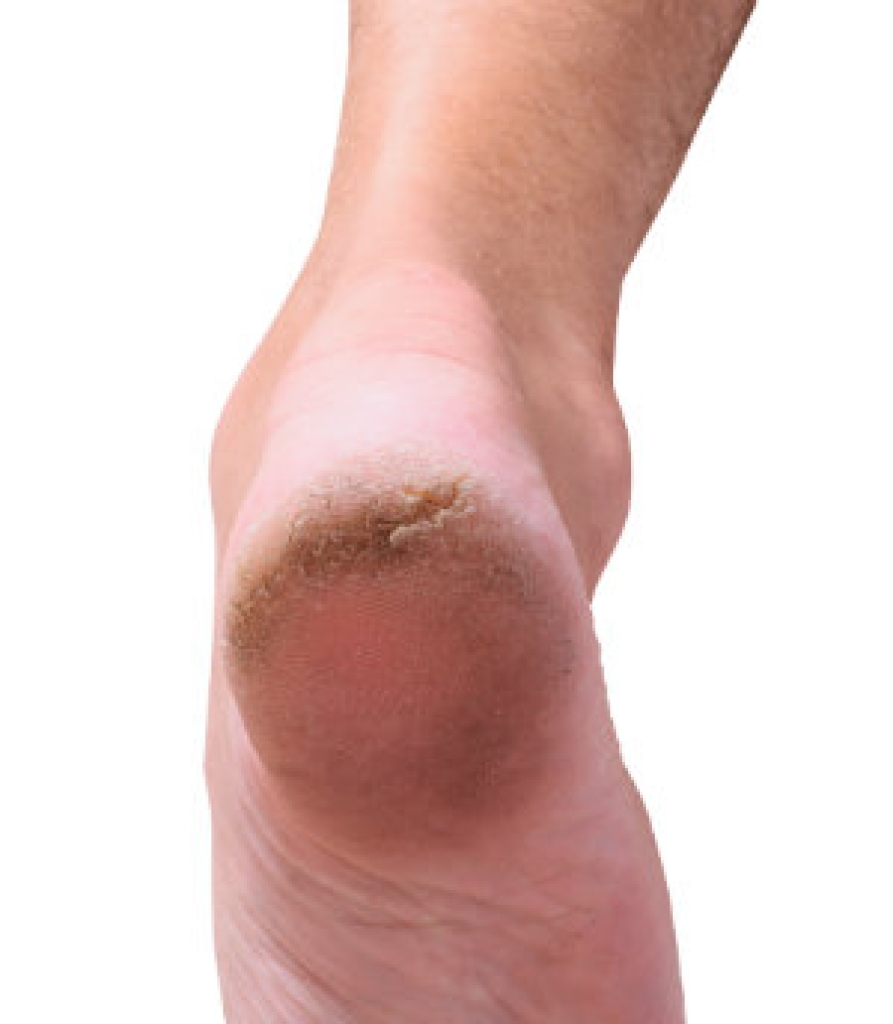
If you notice thickened skin in the heel area of your foot, you may have a condition that is known as cracked heels. This may typically cause severe pain and discomfort as cracks, or fissures form in the skin of the heel. There are reasons why this may occur, which may include standing for extended periods of time, or wearing shoes that have an open back which exposes the heel. Additionally, there may be medical conditions that can cause cracked heels, including diabetes, certain vitamin deficiencies, psoriasis, or fungal infections. Symptoms that many patients experience may include pain, or flaking skin. Mild relief may be found when a good moisturizer is applied frequently to the skin on the heels. If you are afflicted with cracked heels, it is suggested to consult with a podiatrist to discuss proper treatment methods that are correct for you.

Cracked heels are unsightly and can cause further damage to your shoes and feet. If you have any concerns, contact one of our podiatrists from Pennsylvania Foot & Ankle. Our doctors can provide the care you need to keep you pain-free and on your feet.

Cracked Heels

Cracked heels appear unappealing and can make it harder for you walk around in sandals. Aside from looking unpleasant, cracked heels can also tear stockings, socks, and wear out your shoes. There are several methods to help restore a cracked heel and prevent further damage.

How Do You Get Them?

Dry skin is the number one culprit in creating cracked heels. Many athletes, walkers, joggers, and even swimmers suffer from cracked heels. Age and skin oil production play a role to getting cracked heels as well.

Promote Healing

Over the counter medicines can help, especially for those that need instant relief or who suffer from chronic dry feet.

Wear Socks – Wearing socks with medicated creams helps lock in moisture.

Moisturizers – Applying both day and night will help alleviate dryness which causes cracking.

Pumice Stones – These exfoliate and remove dead skin, which allows for smoother moisturizer application and better absorption into the skin. 

Change in Diet

Eating healthy with a well-balanced diet will give the skin a fresh and radiant look. Your body responds to the kinds of food you ingest. Omega-3 fatty acids and zinc supplements can also revitalize skin tissue.

Most importantly, seek professional help if unsure how to proceed in treating cracked heels. A podiatrist will help you with any questions or information needed. 

If you have any questions, please feel free to contact one of our offices located in Bensalem, Philadelphia, Northeast Philadelphia, Yardley, PA, and Hamilton, NJ . We offer the newest diagnostic and treatment technologies for all your foot care needs.
Read more about Solutions for Cracked Heels

What Causes Bunions to Develop?

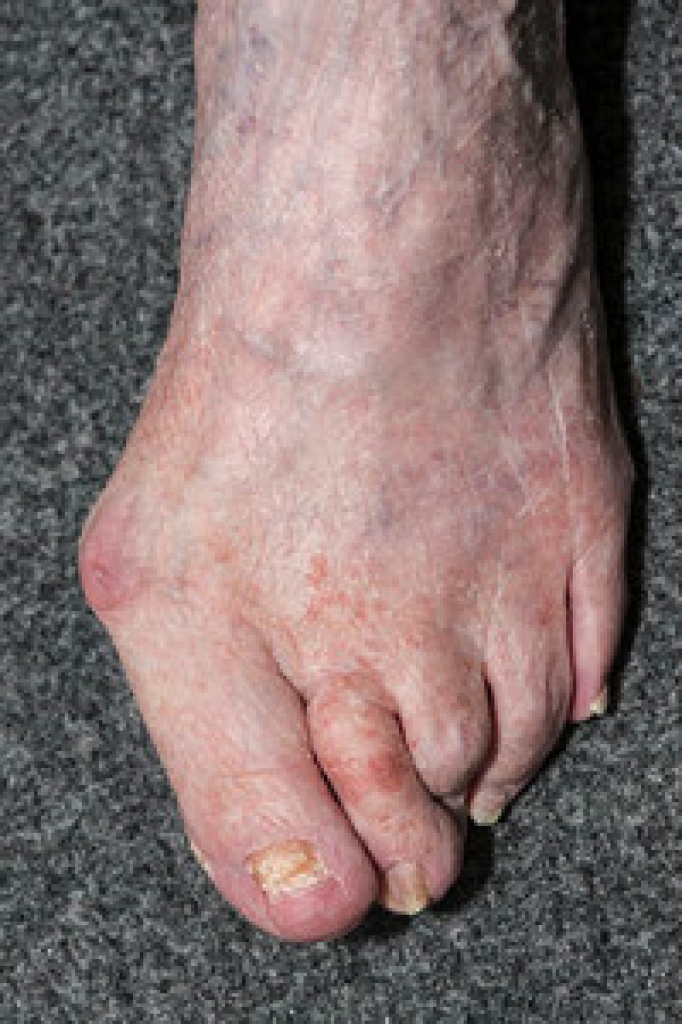
Patients that have bunions may notice a bump that has formed on the side of the big toe. This may happen when the big toe leans in toward the other toes, causing the bone to gradually protrude. Many patients may notice soreness at the base of the bunion, in addition to skin that has become hardened and callused. Research has indicated that bunions may be genetic, or may develop as a result of medical conditions that may include gout and rheumatoid arthritis. Additionally, bunions may develop if incorrect shoes are worn which may not provide adequate room for the toes to move freely. Treatment options may include wearing custom-made orthotics, or cushioning the area with a bunion pad. If you notice a bunion developing, it is suggested to speak to a podiatrist who can guide you toward proper treatment.

If you are suffering from bunions, contact one of our podiatrists of Pennsylvania Foot & Ankle. Our doctors can provide the care you need to keep you pain-free and on your feet.

What Is a Bunion?

A bunion is formed of swollen tissue or an enlargement of boney growth, usually located at the base joint of the toe that connects to the foot. The swelling occurs due to the bones in the big toe shifting inward, which impacts the other toes of the foot. This causes the area around the base of the big toe to become inflamed and painful.

Why Do Bunions Form?

Genetics – Susceptibility to bunions are often hereditary

Stress on the feet – Poorly fitted and uncomfortable footwear that places stress on feet, such as heels, can worsen existing bunions

How Are Bunions Diagnosed?

Podiatrists often perform two tests – blood tests and x-rays – when trying to diagnose bunions, especially in the early stages of development. Blood tests help determine if the foot pain is being caused by something else, such as arthritis, while x-rays provide a clear picture of your bone structure to your provider.

How Are Bunions Treated?

  • Refrain from wearing heels or similar shoes that cause discomfort
  • Select wider shoes that can provide more comfort and reduce pain
  • Anti-inflammatory and pain management drugs
  • Orthotics or foot inserts
  • Surgery

If you have any questions, please feel free to contact one of our offices located in Bensalem, Philadelphia, Northeast Philadelphia, Yardley, PA, and Hamilton, NJ . We offer the newest diagnostic and treatment technologies for all your foot care needs.
Read more about Bunions

High Heels and Morton’s Neuroma

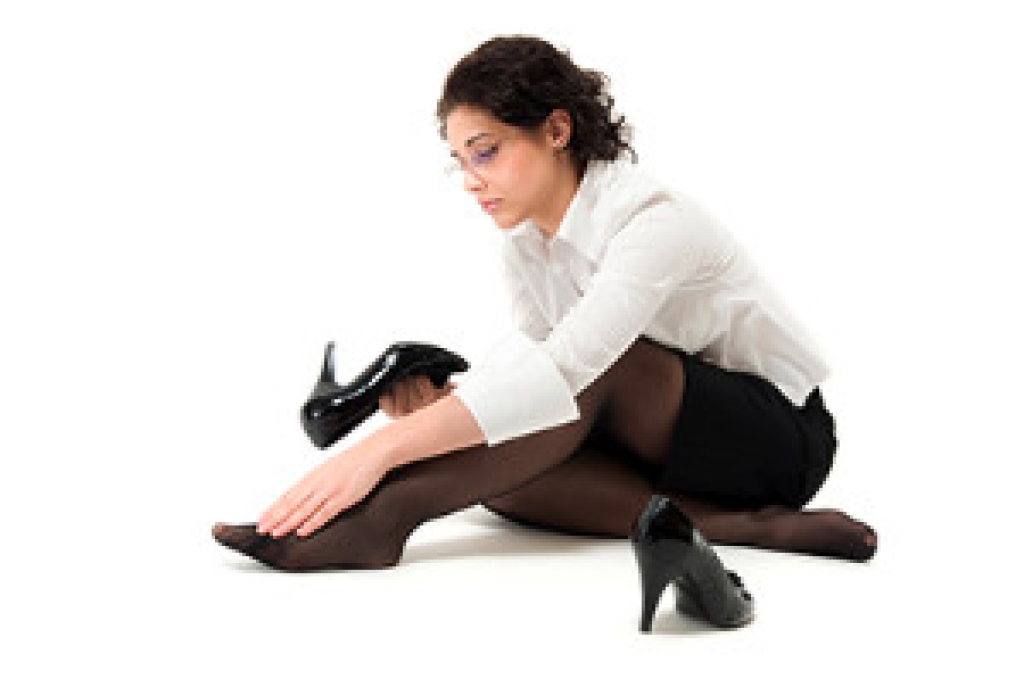
High heels have become a normal part of many women's lives. Unfortunately, wearing high heels too often can lead to health complications. One of these health complications is Morton’s neuroma, which is a complication involving swelling along a nerve in the foot. This swelling results in burning pain, numbness, and tingling. This affliction is more common in women than men, which might be because it is more common for women to wear high heels. High heels put the foot in an unnatural position and push toes together. Wearing high heels often, can lead to subtle bone shifts that increase the risk for a neuroma to form. Usually, the discomfort caused by this condition can be briefly relieved by taking off your shoes and moving your feet around. Continuing to wear high heels for extended periods of time will aggravate your foot and cause the symptoms to come back. If you feel that you may have a Morton’s neuroma, then it is suggested you speak with a podiatrist about proper treatment methods.

Morton’s neuroma is a very uncomfortable condition to live with. If you think you have Morton’s neuroma, contact one of our podiatrists of Pennsylvania Foot & Ankle. Our doctors will attend to all of your foot care needs and answer any of your related questions.  

Morton’s Neuroma

Morton's neuroma is a painful foot condition that commonly affects the areas between the second and third or third and fourth toe, although other areas of the foot are also susceptible. Morton’s neuroma is caused by an inflamed nerve in the foot that is being squeezed and aggravated by surrounding bones.

What Increases the Chances of Having Morton’s Neuroma?

  • Ill-fitting high heels or shoes that add pressure to the toe or foot
  • Jogging, running or any sport that involves constant impact to the foot
  • Flat feet, bunions, and any other foot deformities

Morton’s neuroma is a very treatable condition. Orthotics and shoe inserts can often be used to alleviate the pain on the forefront of the feet. In more severe cases, corticosteroids can also be prescribed. In order to figure out the best treatment for your neuroma, it’s recommended to seek the care of a podiatrist who can diagnose your condition and provide different treatment options.

If you have any questions, please feel free to contact one of our offices located in Bensalem, Philadelphia, Northeast Philadelphia, Yardley, PA, and Hamilton, NJ . We offer the newest diagnostic and treatment technologies for all your foot care needs.
Read more about Morton's Neuroma

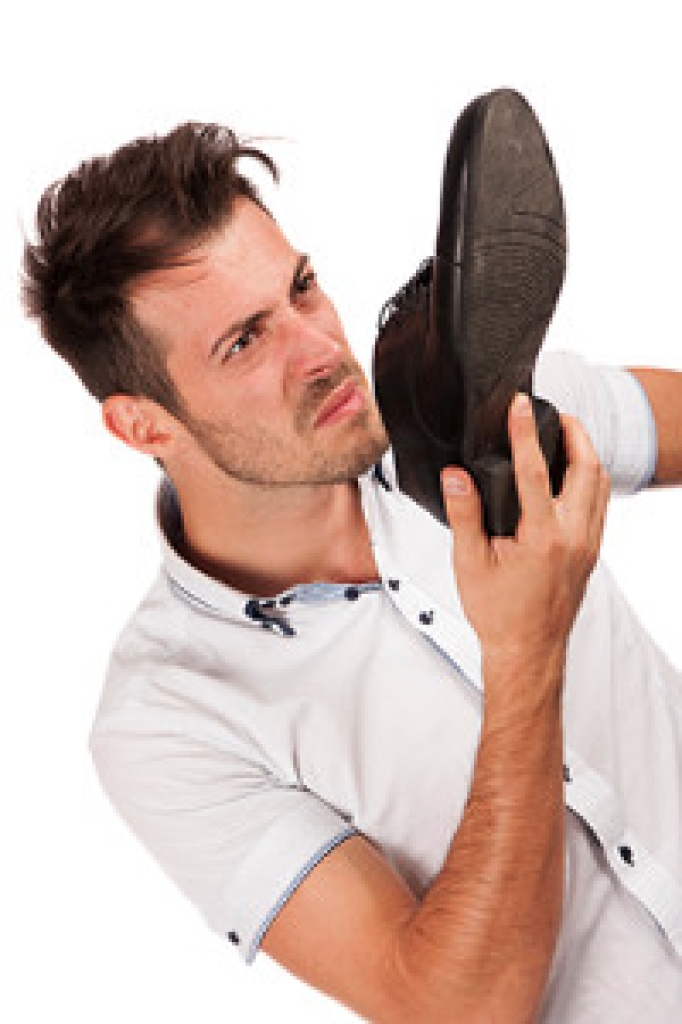
How to Combat Foot Odor

Sweaty feet are common and can unfortunately result in unpleasant odors. Those with hyperhidrosis of the feet, are especially prone to this inconvenience. Thankfully, there are ways to help eliminate or reduce foot odor caused by excessive sweat. Changing your socks mid-day and applying antifungal powder can help prevent dampness and fungus growth. The antifungal powder absorbs moisture and helps to keep fresh socks dry and clean. Washing your feet daily is also essential, even if you don’t shower every day. Cleaning your feet with antibacterial soap once a day, and applying antifungal powder helps to keep your feet dry and odor free. Applying essential oils such as tea tree and eucalyptus will also help eliminate odors, while adding a new pleasant smell to your feet. These essential oils have anti-inflammatory, antibacterial, and antiseptic properties, which makes them perfect for battling sweaty feet. If you have hyperhidrosis or feel that your feet sweat excessively, it is suggested that you speak with a podiatrist to learn more about treatment options.

If you are suffering from hyperhidrosis contact one of our podiatrists of Pennsylvania Foot & Ankle. Our doctors can provide the care you need to attend to all of your foot and ankle needs.

Hyperhidrosis of the Feet

Hyperhidrosis is a rare disorder that can cause people to have excessive sweating of their feet. This can usually occur all on its own without rigorous activity involved. People who suffer from hyperhidrosis may also experience sweaty palms.

Although it is said that sweating is a healthy process meant to cool down the body temperature and to maintain a proper internal temperature, hyperhidrosis may prove to be a huge hindrance on a person’s everyday life.

Plantar hyperhidrosis is considered to be the main form of hyperhidrosis. Secondary hyperhidrosis can refer to sweating that occurs in areas other than the feet or hands and armpits. Often this may be a sign of it being related to another medical condition such as menopause, hyperthyroidism and even Parkinson’s disease.

In order to alleviate this condition, it is important to see your doctor so that they may prescribe the necessary medications so that you can begin to live a normal life again. If this is left untreated, it is said that it will persist throughout an individual’s life.

A last resort approach would be surgery, but it is best to speak with your doctor to find out what may be the best treatment for you.

If you have any questions, please feel free to contact one of our offices located in Bensalem, Philadelphia, Northeast Philadelphia, Yardley, PA, and Hamilton, NJ . We offer the newest diagnostic and treatment technologies for all your foot care needs.
Read more about Hyperhidrosis of the Feet

Treating Cuboid Syndrome

Cuboid syndrome is caused by the cuboid bone shifting out of alignment with surrounding bones, which then may cause pain in the middle of the foot. There are various forms of treatment for cuboid syndrome, including home remedies and help from a medical professional. The first step in treating this condition involves rest, because reducing activity that puts pressure on the injured area might give the bone space to heal. Home remedies involve, resting, icing, compressing and elevating the foot. If the pain perseveres, then it may be time to seek help from a medical professional. Two examples of possible treatments are the cuboid whip and the cuboid squeeze. Both options involve manipulating the cuboid bone back into place. Manipulation should be more successful when it is done within 24 hours after the injury occurs, so seeking professional help is important. Foot manipulation may not be the best option if an individual is dealing with other foot conditions, so if you feel that you may have cuboid syndrome or have similar pain, then it is recommended to speak to a podiatrist to find the right treatment for your specific needs.

Cuboid syndrome, also known as cuboid subluxation, occurs when the joints and ligaments near the cuboid bone in the foot become torn. If you have cuboid syndrome, consult with one of our podiatrists from Pennsylvania Foot & Ankle. Our doctors will assess your condition and provide you with quality foot and ankle treatment.

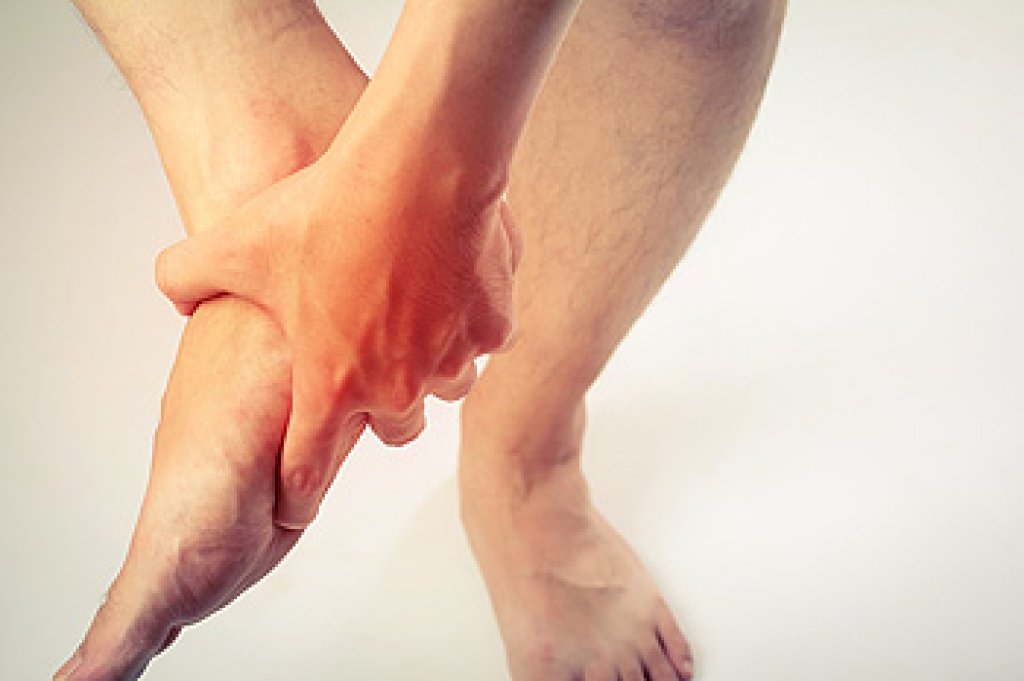
Cuboid syndrome is a common cause of lateral foot pain, which is pain on the outside of the foot. The condition may happen suddenly due to an ankle sprain, or it may develop slowly overtime from repetitive tension through the bone and surrounding structures.

Causes

The most common causes of cuboid syndrome include:

  • Injury – The most common cause of this ailment is an ankle sprain.
  • Repetitive Strain – Tension placed through the peroneus longus muscle from repetitive activities such as jumping and running may cause excessive traction on the bone causing it to sublux.
  • Altered Foot Biomechanics – Most people suffering from cuboid subluxation have flat feet.

Symptoms

A common symptom of cuboid syndrome is pain along the outside of the foot which can be felt in the ankle and toes. This pain may create walking difficulties and may cause those with the condition to walk with a limp.

Diagnosis

Diagnosis of cuboid syndrome is often difficult, and it is often misdiagnosed. X-rays, MRIs and CT scans often fail to properly show the cuboid subluxation. Although there isn’t a specific test used to diagnose cuboid syndrome, your podiatrist will usually check if pain is felt while pressing firmly on the cuboid bone of your foot.

Treatment

Just as the range of causes varies widely, so do treatments. Some more common treatments are ice therapy, rest, exercise, taping, and orthotics.

If you have any questions, please feel free to contact one of our offices located in Bensalem, Philadelphia, Northeast Philadelphia, Yardley, PA, and Hamilton, NJ . We offer the newest diagnostic and treatment technologies for all your foot care needs.
Read more about Cuboid Syndrome

Connect With Us