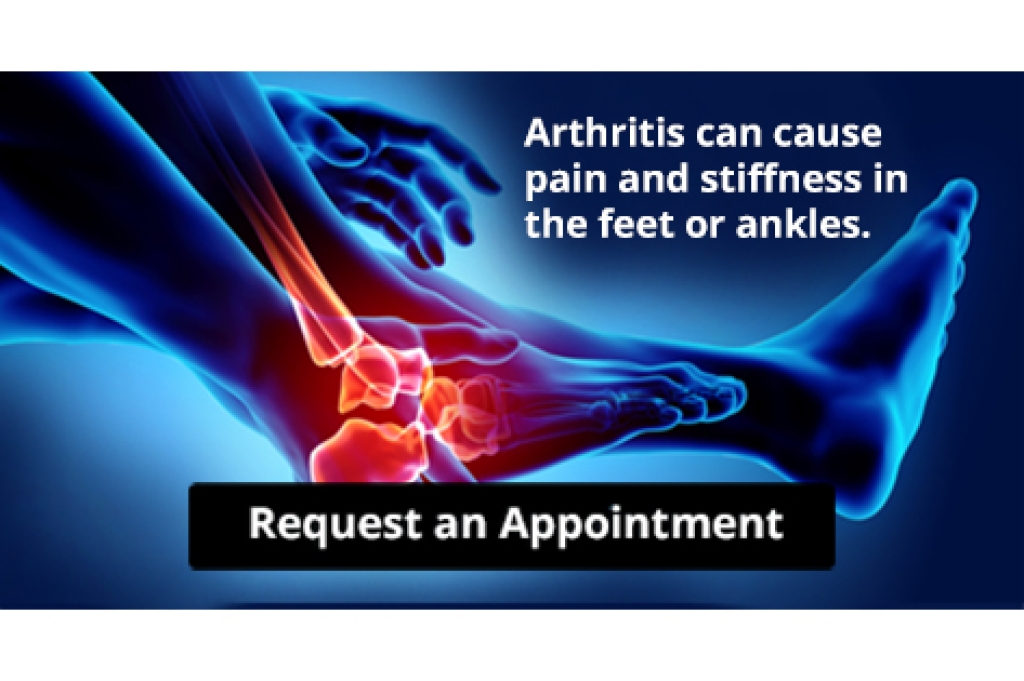
If you are suffering from tenderness, pain, or stiffness in the joints of your feet or ankles, call us to schedule an appointment.
If you are suffering from tenderness, pain, or stiffness in the joints of your feet or ankles, call us to schedule an appointment.
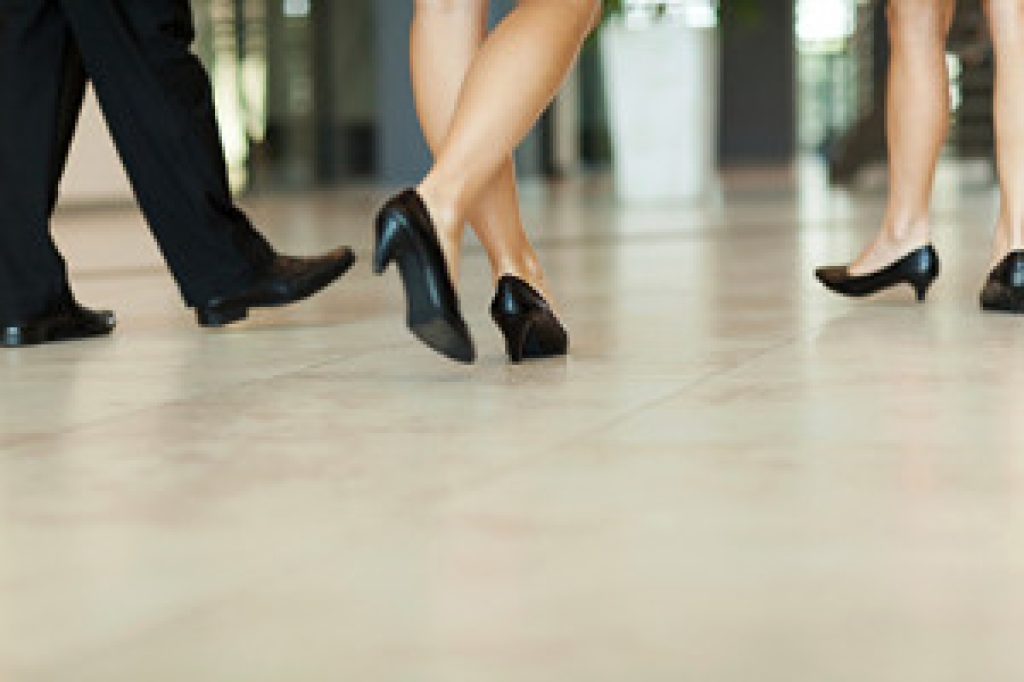
Once it was thought that sitting down too often was bad for one’s health, and that it is far better to stand. However, prolonged standing can also be bad for your overall health, and particularly for the health of your lower limbs. Standing for long periods of time can lead to muscle soreness and fatigue, as well as lower limb swelling. If in addition to standing all day, you also wear poorly-fitted or uncomfortable shoes, stand still without walking or stretching, and rarely take breaks to sit down, you may be at an increased risk of various foot and ankle problems, such as plantar fasciitis and varicose veins. If you stand for prolonged periods of time and are experiencing any pain or discomfort in your lower limbs, please see a podiatrist.
While working on the feet, it is important to take the proper care of them. For more information about working on your feet, contact one of our podiatrists from Pennsylvania Foot & Ankle. Our doctors will treat your foot and ankle needs.
Working on Your Feet
Standing on your feet for long periods of time can cause stress and pain in your feet. Your whole body may experience change in terms of posture, back pain, bunions, callouses and or plantar warts. There are ways to avoid these conditions with proper foot care, smart choices and correct posture.
Positive Changes
Negative heeled shoe – Choosing this shoe type places the heel slightly lower than the ball of the foot. These are great for overall foot health. Find shoes that fit you correctly.
Go barefoot – Our feet were not designed to be enclosed for all hours of the day. Try to periodically expose your feet to air.
Eliminate Pain
Foot Exercises – Performing simple exercises, incorporating yoga and doing stretches are beneficial. This will allow increased blood flow to the area and muscles of the foot.
Achilles tendon – Stretching the foot out flat on the floor will relax the calf muscles and tendon. These exercises can be performed almost anywhere. Make sure you add these exercises to your daily regimen.
With a little bit of this information and knowing more about foot health, you will notice changes. Foot stretches and proper footwear will help with pain and prevent further issues.
If you have any questions please contact one of our offices located in Bensalem, Philadelphia, Northeast Philadelphia, Yardley, PA, and Hamilton, NJ . We offer the newest diagnostic and treatment technologies for all your foot and ankle needs.
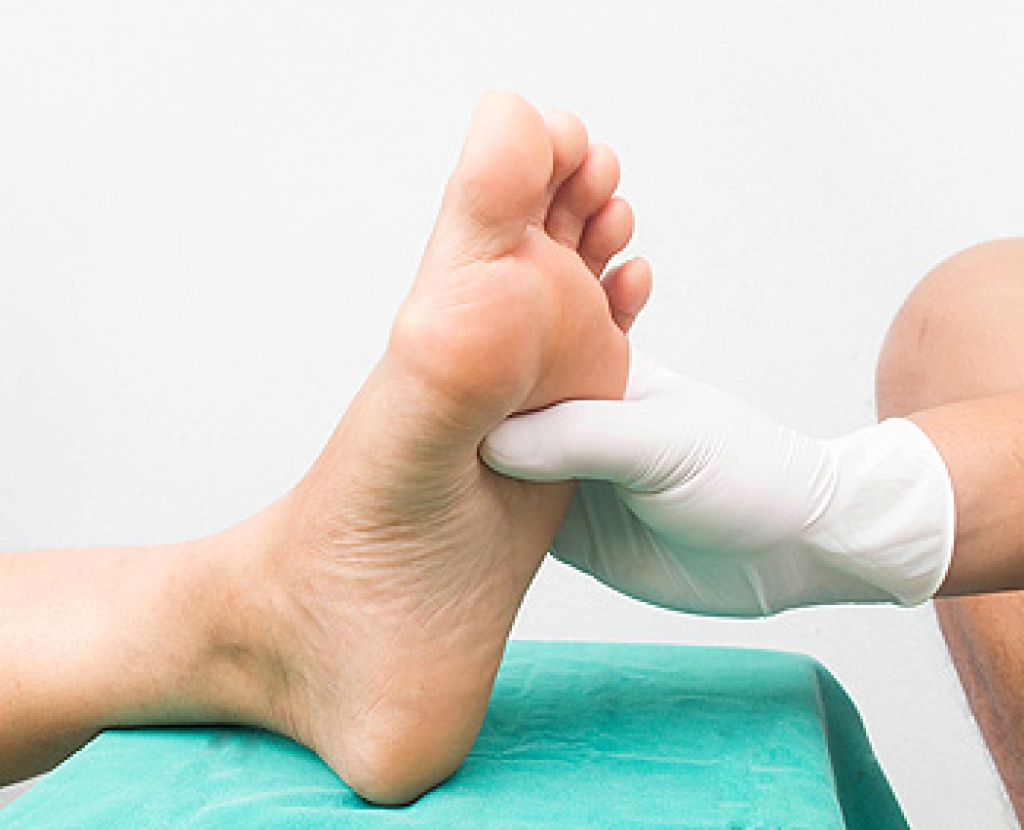
Diabetic patients can suffer serious medical complications if a foot wound is left untreated. This is because high blood sugar levels can impact the circulatory and nervous systems, leading to poor circulation and nerve damage, particularly in the feet. There are methods that can be implemented which can help to prevent complications from diabetes. These can include washing and drying the feet thoroughly, wearing shoes that fit correctly, and trimming the toenails properly. If you have diabetes, it is strongly suggested that you are under the care of a podiatrist who can help you to effectively manage your foot health.
Diabetic foot care is important in preventing foot ailments such as ulcers. If you are suffering from diabetes or have any other concerns about your feet, contact one of our podiatrists from Pennsylvania Foot & Ankle. Our doctors can provide the care you need to keep you pain-free and on your feet.
Diabetic Foot Care
Diabetes affects millions of people every year. The condition can damage blood vessels in many parts of the body, especially the feet. Because of this, taking care of your feet is essential if you have diabetes, and having a podiatrist help monitor your foot health is highly recommended.
The Importance of Caring for Your Feet
Patients with diabetes should have their doctor monitor their blood levels, as blood sugar levels play such a huge role in diabetic care. Monitoring these levels on a regular basis is highly advised.
It is always best to inform your healthcare professional of any concerns you may have regarding your feet, especially for diabetic patients. Early treatment and routine foot examinations are keys to maintaining proper health, especially because severe complications can arise if proper treatment is not applied.
If you have any questions, please feel free to contact one of our offices located in Bensalem, Philadelphia, Northeast Philadelphia, Yardley, PA, and Hamilton, NJ . We offer the newest diagnostic and treatment technologies for all your foot care needs.
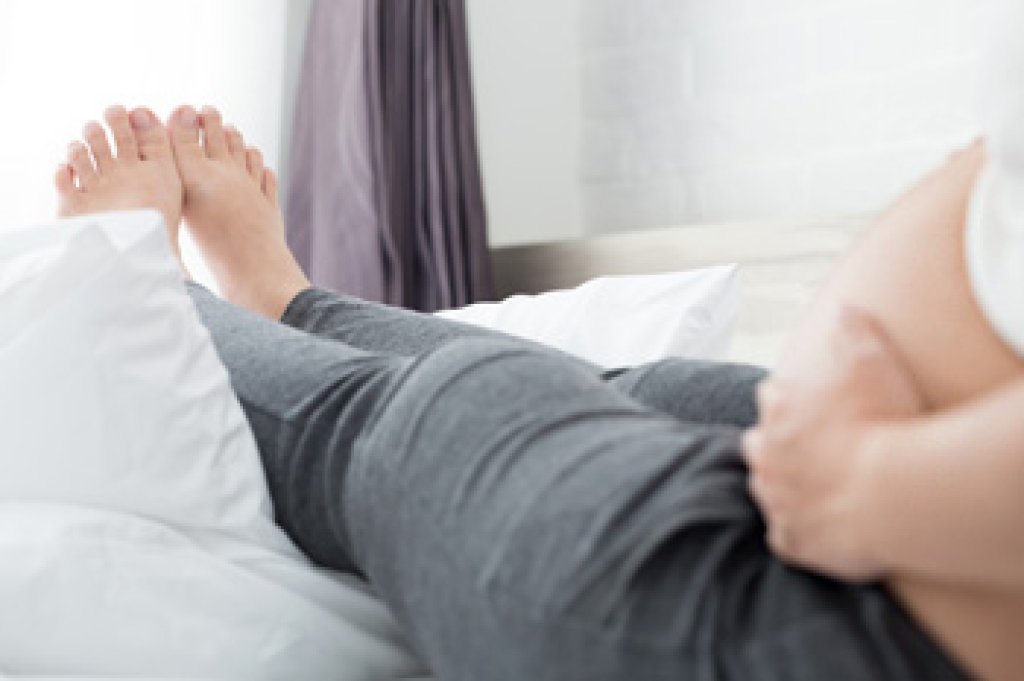
A woman’s body can produce much more fluid and blood during pregnancy, which can lead to swelling and pain in the feet, ankles, and other parts of the body. Although this swelling, or edema, will affect most pregnant women, there are a few things they can do which may help alleviate symptoms and keep their feet more comfortable. Pregnant women should keep themselves hydrated throughout the day, and also limit salt intake. Elevating the feet for at least one hour is an easy way to improve blood circulation, while relieving pressure on the veins and reducing swelling. Shoes should be both supportive and wide enough to accommodate feet that have swollen during pregnancy. Soaking the feet for 15 minutes in the tub or a basin filled with warm water and Epsom salt can do wonders to relieve swollen, achy feet, and provide some much-needed self care. A podiatrist can provide additional information on proper footwear, and offer treatments to relieve swelling and keep feet safe and healthy throughout pregnancy.
Pregnant women with swollen feet can be treated with a variety of different methods that are readily available. For more information about other cures for swollen feet during pregnancy, consult with one of our podiatrists from Pennsylvania Foot & Ankle. Our doctors will attend to all of your foot and ankle needs.
What Foot Problems Can Arise During Pregnancy?
One problem that can occur is overpronation, which occurs when the arch of the foot flattens and tends to roll inward. This can cause pain and discomfort in your heels while you’re walking or even just standing up, trying to support your baby.
Another problem is edema, or swelling in the extremities. This often affects the feet during pregnancy but tends to occur in the later stages.
How Can I Keep My Feet Healthy During Pregnancy?
If you have any questions, please feel free to contact one of our offices located in Bensalem, Philadelphia, Northeast Philadelphia, Yardley, PA, and Hamilton, NJ . We offer the newest diagnostic and treatment technologies for all your foot care needs.
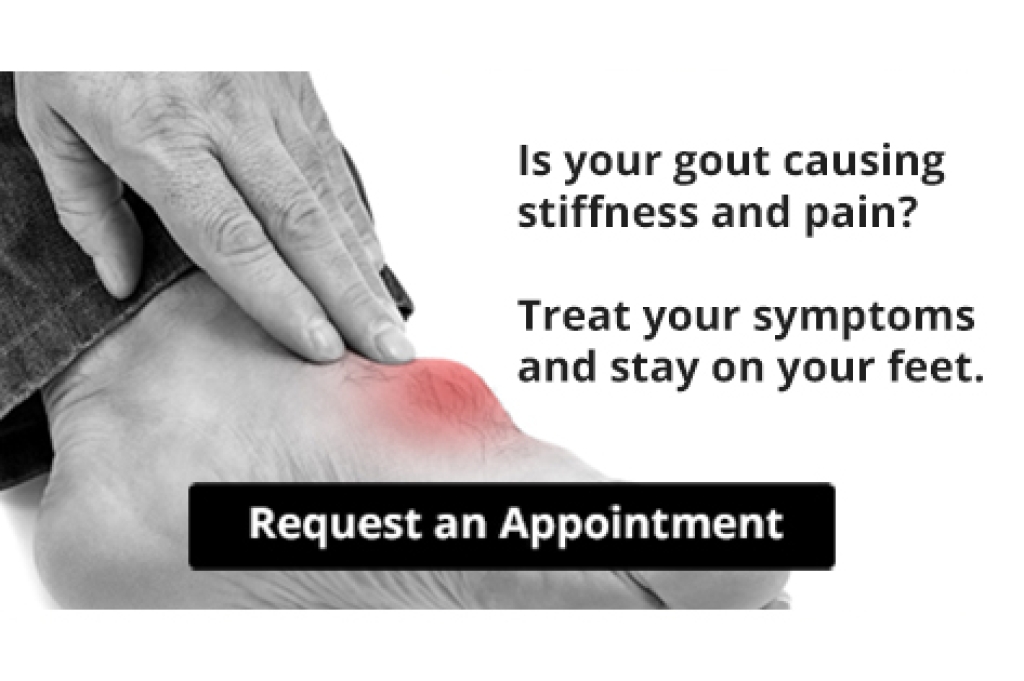
Gout is a painful, inflammatory form of arthritis. Those affected will typically feel an intense stiffness in the joints of their feet, particularly in the big toe. Schedule a visit to learn about how gout can be managed and treated.
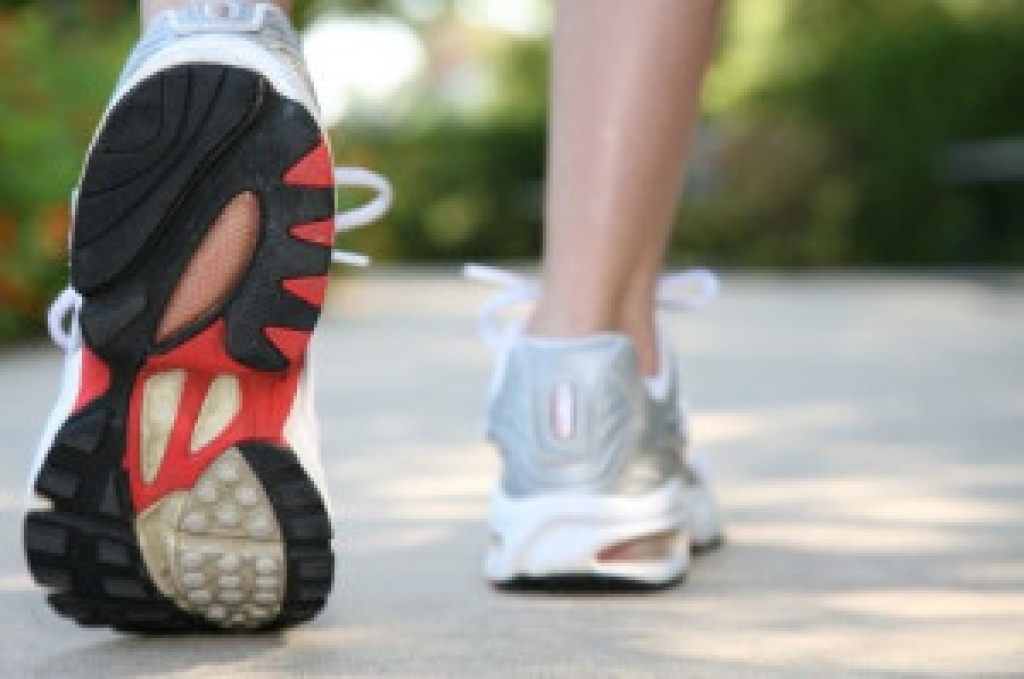
Walking shoes and running shoes are designed to accommodate different types of weight distribution, impact, and strides. Walking is a low-impact activity where an individual’s body weight rolls from heel to toe—distributing it evenly throughout the feet. Running is a high-impact activity requiring the body to absorb approximately three times its weight in various parts of the foot, depending on the running style and speed of movement. Walking shoes have a thick outsole and are generally more structured than a running shoe. They offer cushioned midsoles, stability and support for the heel, ankles and calves, and wide toe boxes. Running shoes come in a range of styles to help alleviate the force various running strides put on different areas of the feet. They are typically lighter weight than walking shoes to allow airflow, but provide extra cushioning at the heel and toe. Running shoes also have varying levels of support but are typically more flexible than walking shoes. A podiatrist can suggest walking and running shoes and create custom orthotics that are best suited for an individual’s specific foot structure and needs.
For more information about walking shoes versus running shoes, consult with one of our podiatrists from Pennsylvania Foot & Ankle. Our doctors can measure your feet to determine what your needs are and help you find an appropriate pair of footwear.
Foot Health: The Differences between Walking & Running Shoes
There are great ways to stay in shape: running and walking are two great exercises to a healthy lifestyle. It is important to know that running shoes and walking shoes are not interchangeable. There is a key difference on how the feet hit the ground when someone is running or walking. This is why one should be aware that a shoe is designed differently for each activity.
You may be asking yourself what the real differences are between walking and running shoes and the answers may shock you.
Differences
Walking doesn’t involve as much stress or impact on the feet as running does. However, this doesn’t mean that you should be any less prepared. When you’re walking, you land on your heels and have your foot roll forward. This rolling motion requires additional support to the feet.
Flexibility – Walking shoes are designed to have soft, flexible soles. This allows the walker to push off easily with each step.
If you have any questions, please feel free to contact one of our offices located in Bensalem, Philadelphia, Northeast Philadelphia, Yardley, PA, and Hamilton, NJ . We offer the newest diagnostic and treatment technologies for all your foot care needs.
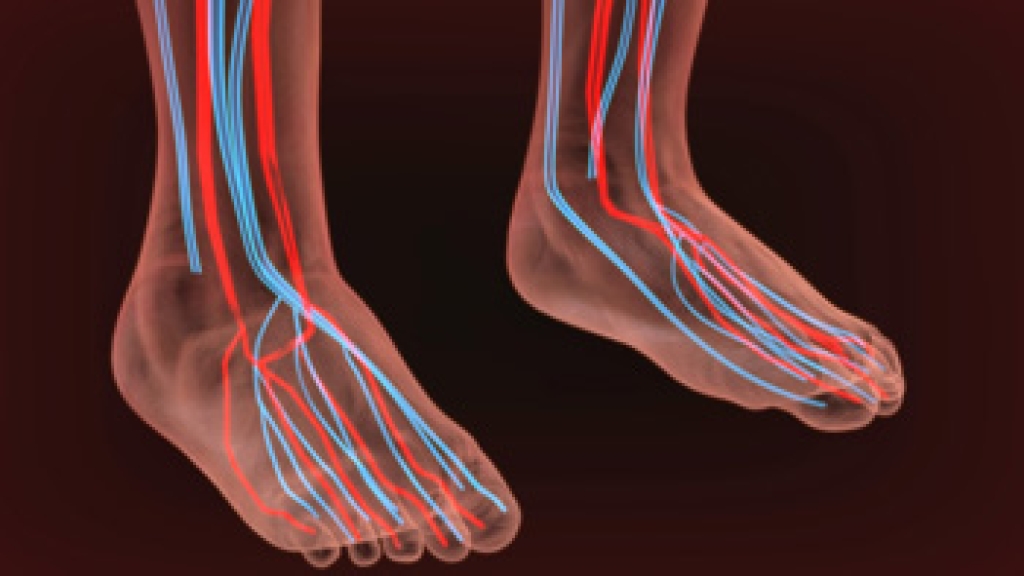
Peripheral artery disease or “PAD”, is a medical condition in which there is inadequate blood flow to the lower limbs due to a buildup of plaque in the arteries. Plaque is a fatty substance that clings to the walls of the arteries, making them narrow and harden. PAD is fairly common, affecting 20% of people over the age of 65, and can lead to serious complications if left undetected. However, many people who have PAD have no symptoms. Those that do have symptoms may notice an increase in leg pain, fatigue, and cramps while walking or exercising, numbness, achiness, or heaviness in the legs, skin discoloration, poor nail and hair growth, and the development of poorly healing wounds on the legs and feet. If you are over the age of 65, have diabetes, have high blood pressure, high cholesterol, or a history of heart disease, stroke, or metabolic syndrome, then you are at an increased risk for PAD. A podiatrist can help diagnose this condition and offer treatment options that will reduce foot and ankle pain and restore mobility.
Peripheral artery disease can pose a serious risk to your health. It can increase the risk of stroke and heart attack. If you have symptoms of peripheral artery disease, consult with one of our podiatrists from Pennsylvania Foot & Ankle. Our doctors will assess your condition and provide you with quality foot and ankle treatment.
Peripheral artery disease (PAD) is when arteries are constricted due to plaque (fatty deposits) build-up. This results in less blood flow to the legs and other extremities. The main cause of PAD is atherosclerosis, in which plaque builds up in the arteries.
Symptoms
Symptoms of PAD include:
It is important to note that a majority of individuals never show any symptoms of PAD.
Diagnosis
While PAD occurs in the legs and arteries, Podiatrists can diagnose PAD. Podiatrists utilize a test called an ankle-brachial index (ABI). An ABI test compares blood pressure in your arm to you ankle to see if any abnormality occurs. Ultrasound and imaging devices may also be used.
Treatment
Fortunately, lifestyle changes such as maintaining a healthy diet, exercising, managing cholesterol and blood sugar levels, and quitting smoking, can all treat PAD. Medications that prevent clots from occurring can be prescribed. Finally, in some cases, surgery may be recommended.
If you have any questions, please feel free to contact one of our offices located in Bensalem, Philadelphia, Northeast Philadelphia, Yardley, PA, and Hamilton, NJ . We offer the newest diagnostic and treatment technologies for all your foot care needs.
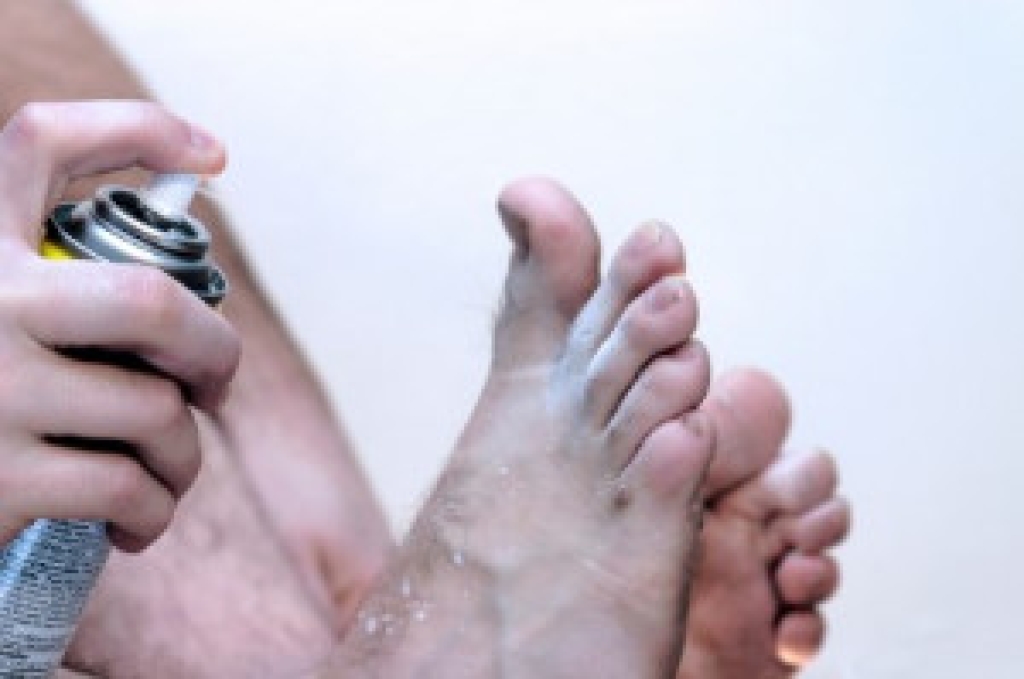 Athlete’s foot is a fungal infection caused by fungi that thrive and grow in warm and moist environments such as showers, locker rooms, and pools. Because Athlete’s foot is very contagious, it can even spread from towels, floors, or clothing. Athlete’s foot presents itself as a red, scaly rash between the toes. The infection will become itchy and form blisters, and the skin will become cracked and peel. As the infection spreads to the toenails, they will become thick and discolored as well. If left untreated, the infection can spread to the entire foot and even to the hands. Because of how contagious it is, it is important to keep the feet dry and to not share any personal items such as socks, shoes, or towels. If you notice the signs of Athlete’s foot, visiting a podiatrist is suggested.
Athlete’s Foot
Athlete’s foot is often an uncomfortable condition to experience. Thankfully, podiatrists specialize in treating athlete’s foot and offer the best treatment options. If you have any questions about athlete’s foot, consult with one of our podiatrists from Pennsylvania Foot & Ankle. Our doctors will assess your condition and provide you with quality treatment.
What Is Athlete’s Foot?
Tinea pedis, more commonly known as athlete’s foot, is a non-serious and common fungal infection of the foot. Athlete’s foot is contagious and can be contracted by touching someone who has it or infected surfaces. The most common places contaminated by it are public showers, locker rooms, and swimming pools. Once contracted, it grows on feet that are left inside moist, dark, and warm shoes and socks.
Prevention
The most effective ways to prevent athlete’s foot include:
Symptoms
Athlete’s foot initially occurs as a rash between the toes. However, if left undiagnosed, it can spread to the sides and bottom of the feet, toenails, and if touched by hand, the hands themselves. Symptoms include:
Diagnosis and Treatment
Diagnosis is quick and easy. Skin samples will be taken and either viewed under a microscope or sent to a lab for testing. Sometimes, a podiatrist can diagnose it based on simply looking at it. Once confirmed, treatment options include oral and topical antifungal medications.
If you have any questions, please feel free to contact one of our offices located in Bensalem, Philadelphia, Northeast Philadelphia, Yardley, PA, and Hamilton, NJ . We offer the newest diagnostic and treatment technologies for all your foot care needs.
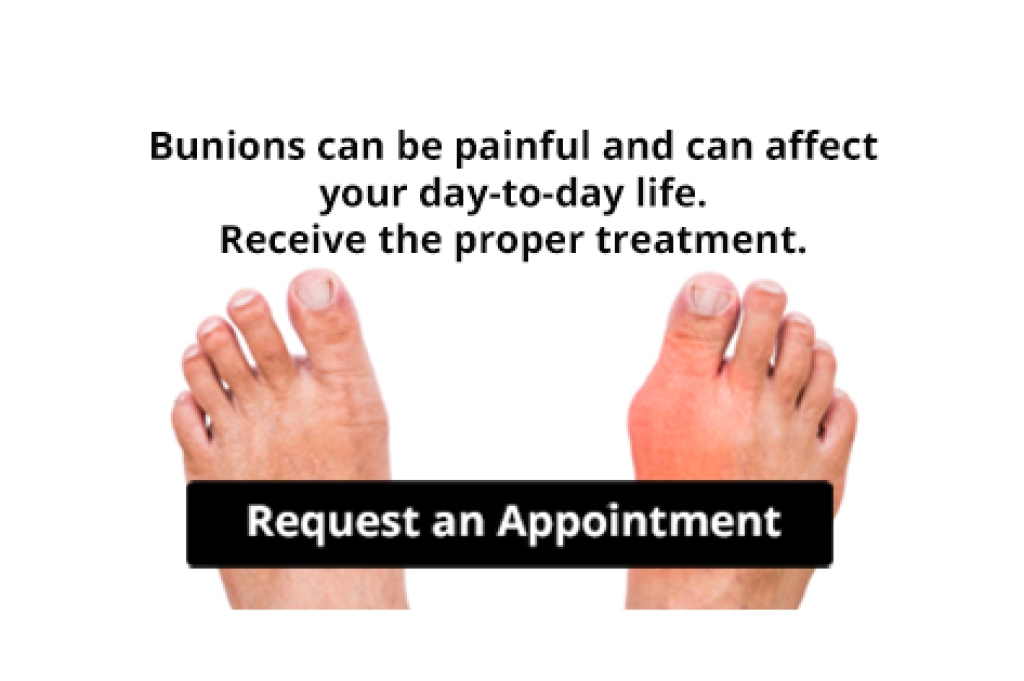
Have you noticed a bony protrusion on the side of your big toe? If so, you may have developed the foot condition known as a bunion. Don't let bunions interfere with your daily activities.
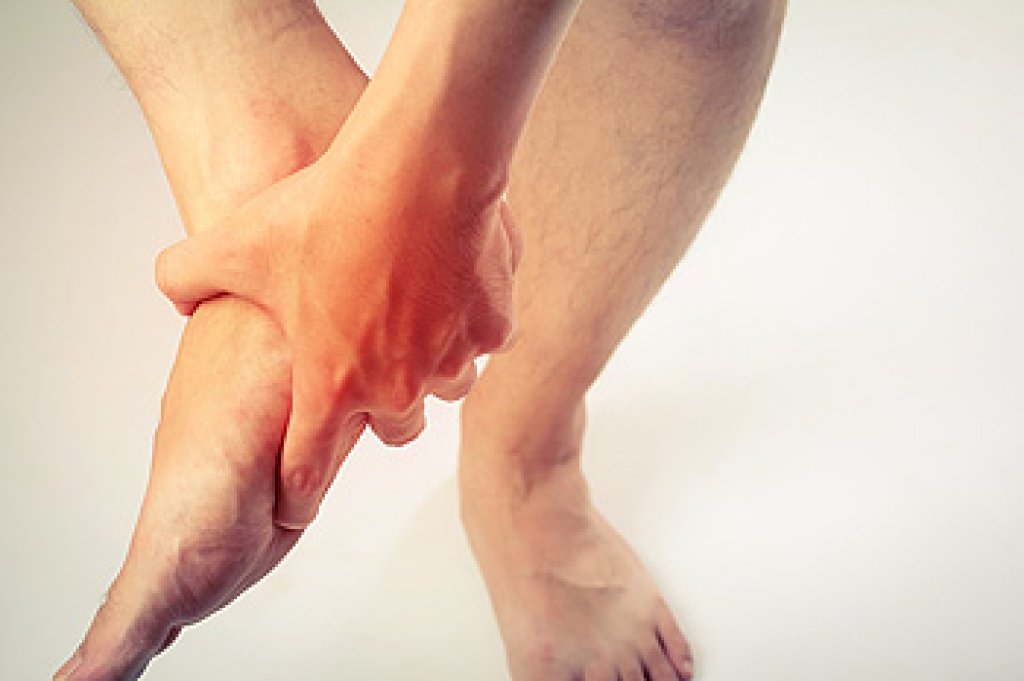
Cuboid syndrome is a condition in which the cuboid bone, located in the middle of the foot, becomes misaligned due to injury. This can cause sharp pain on the outer side of the foot, as well as underneath the foot. The pain can come on suddenly and gradually worsen while you walk or stand, but can be relieved by taking weight off of the affected foot. You may also notice mild swelling along the outside of the foot. The symptoms of cuboid syndrome can make it difficult or impossible to walk, and pain can persist for days or even weeks. If you are experiencing foot pain, it is strongly suggested that you seek the care of a podiatrist, who can diagnose and treat your condition.
Cuboid syndrome, also known as cuboid subluxation, occurs when the joints and ligaments near the cuboid bone in the foot become torn. If you have cuboid syndrome, consult with one of our podiatrists from Pennsylvania Foot & Ankle. Our doctors will assess your condition and provide you with quality foot and ankle treatment.
Cuboid syndrome is a common cause of lateral foot pain, which is pain on the outside of the foot. The condition may happen suddenly due to an ankle sprain, or it may develop slowly overtime from repetitive tension through the bone and surrounding structures.
Causes
The most common causes of cuboid syndrome include:
Symptoms
A common symptom of cuboid syndrome is pain along the outside of the foot which can be felt in the ankle and toes. This pain may create walking difficulties and may cause those with the condition to walk with a limp.
Diagnosis
Diagnosis of cuboid syndrome is often difficult, and it is often misdiagnosed. X-rays, MRIs and CT scans often fail to properly show the cuboid subluxation. Although there isn’t a specific test used to diagnose cuboid syndrome, your podiatrist will usually check if pain is felt while pressing firmly on the cuboid bone of your foot.
Treatment
Just as the range of causes varies widely, so do treatments. Some more common treatments are ice therapy, rest, exercise, taping, and orthotics.
If you have any questions, please feel free to contact one of our offices located in Bensalem, Philadelphia, Northeast Philadelphia, Yardley, PA, and Hamilton, NJ . We offer the newest diagnostic and treatment technologies for all your foot care needs.
Connect With Us
