
Suffering from this type of pain? You may have the foot condition known as Morton's neuroma. Morton's neuroma may develop as a result of ill-fitting footwear and existing foot deformities. We can help.
Suffering from this type of pain? You may have the foot condition known as Morton's neuroma. Morton's neuroma may develop as a result of ill-fitting footwear and existing foot deformities. We can help.
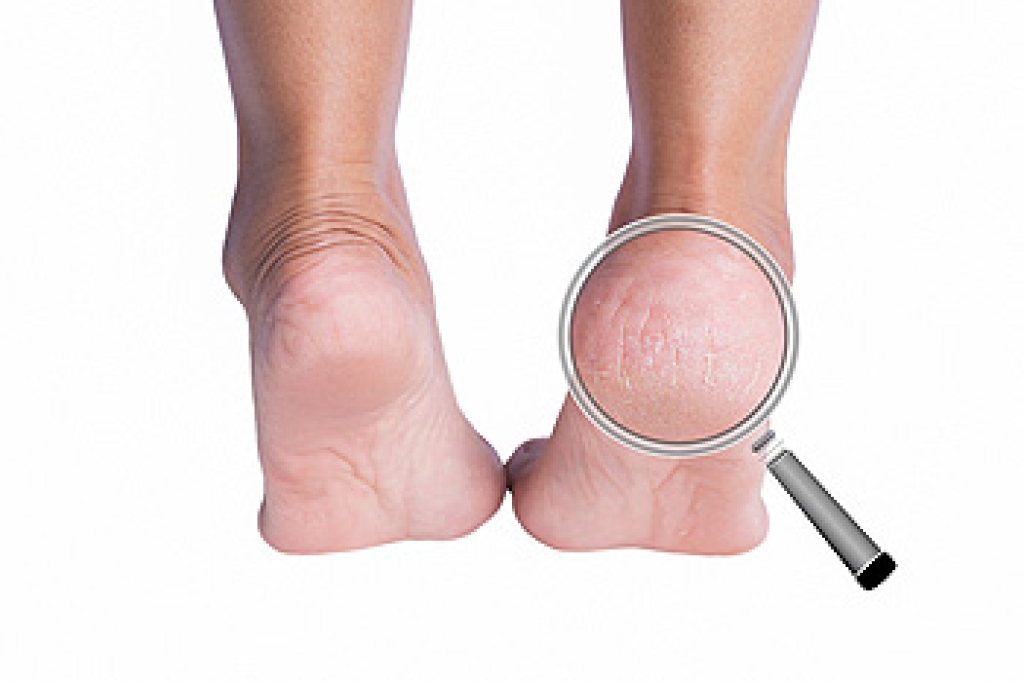
Heel fissures (cracked heels) that deepen may not only be unattractive, but painful. Left untreated, they may form hardened calluses, bleed, or even become infected. Cracked heels are usually the result of dry skin. Sometimes, this is exacerbated by obesity—which can cause dry skin to stiffen and crack when it is overly stretched. Standing on hard flooring for prolonged periods, as well as wearing poorly fitting or open-back shoes, or having certain foot disorders, psoriasis, eczema, and other medical conditions may also contribute to the development of cracked heels. You can help prevent heel fissures from occurring by keeping your feet hydrated with emollient or humectant moisturizers, limiting your time in the shower or bath, and opting for warm, rather than hot, water. Severely cracked or bleeding heels should be cared for by a podiatrist who can help prevent them from becoming infected.
If the skin on your feet starts to crack, you may want to see a podiatrist to find treatment. If you have any concerns, contact one of our podiatrists from Pennsylvania Foot & Ankle. Our doctors can provide the care you need to keep you pain-free and on your feet.
Cracked Heels
It is important to moisturize your cracked heels in order to prevent pain, bleeding, and infection. The reason cracked heels form is because the skin on the foot is too dry to support the immense pressure placed on them. When the foot expands, the dry skin on the foot begins to split.
Ways to Help Heal Them
Ways to Prevent Cracked Heels
If you are unsure how to proceed in treating cracked heels, seek guidance from a podiatrist. Your doctor will help you with any questions or information you may need.
If you have any questions, please feel free to contact one of our offices located in Bensalem, Philadelphia, Northeast Philadelphia, Yardley, PA, and Hamilton, NJ . We offer the newest diagnostic and treatment technologies for all your foot care needs.
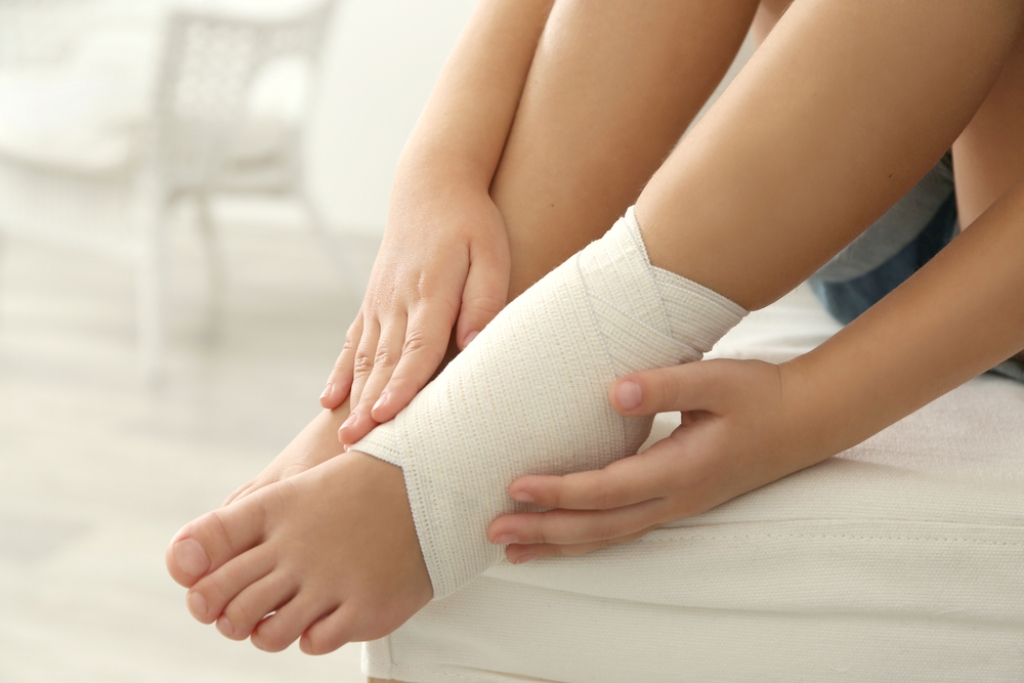
Tenosynovitis is an inflammation of a tendon and its synovium, or lining. This condition can affect the feet or ankles and occur due to injury, repetitive overuse, excessive pressure on the tendon, or an infection. Tenosynovitis usually affects athletes, ballet dancers, and older adults. While recovering from this condition, it is suggested that you limit your leg and foot movement to decrease stress on the tendon and prevent further damage. Applying ice or heat to the area can help reduce swelling and pain. At home, you may need to wear a splint, brace, or walking boot, and may need crutches to get around. It is important to follow your doctor’s instructions so that you can recover fully and return to your usual activities as soon as possible. If you are experiencing ankle pain, please consult with a podiatrist.
Ankle pain can have many different causes and the pain may potentially be serious. If you have ankle pain, consult with one of our podiatrists from Pennsylvania Foot & Ankle. Our doctors will assess your condition and provide you with quality foot and ankle treatment.
Ankle pain is any condition that causes pain in the ankle. Due to the fact that the ankle consists of tendons, muscles, bones, and ligaments, ankle pain can come from a number of different conditions.
Causes
The most common causes of ankle pain include:
Symptoms
Symptoms of ankle injury vary based upon the condition. Pain may include general pain and discomfort, swelling, aching, redness, bruising, burning or stabbing sensations, and/or loss of sensation.
Diagnosis
Due to the wide variety of potential causes of ankle pain, podiatrists will utilize a number of different methods to properly diagnose ankle pain. This can include asking for personal and family medical histories and of any recent injuries. Further diagnosis may include sensation tests, a physical examination, and potentially x-rays or other imaging tests.
Treatment
Just as the range of causes varies widely, so do treatments. Some more common treatments are rest, ice packs, keeping pressure off the foot, orthotics and braces, medication for inflammation and pain, and surgery.
If you have any questions please feel free to contact one of our offices located in Bensalem, Philadelphia, Northeast Philadelphia, Yardley, PA, and Hamilton, NJ . We offer the newest diagnostic tools and technology to treat your foot and ankle needs.
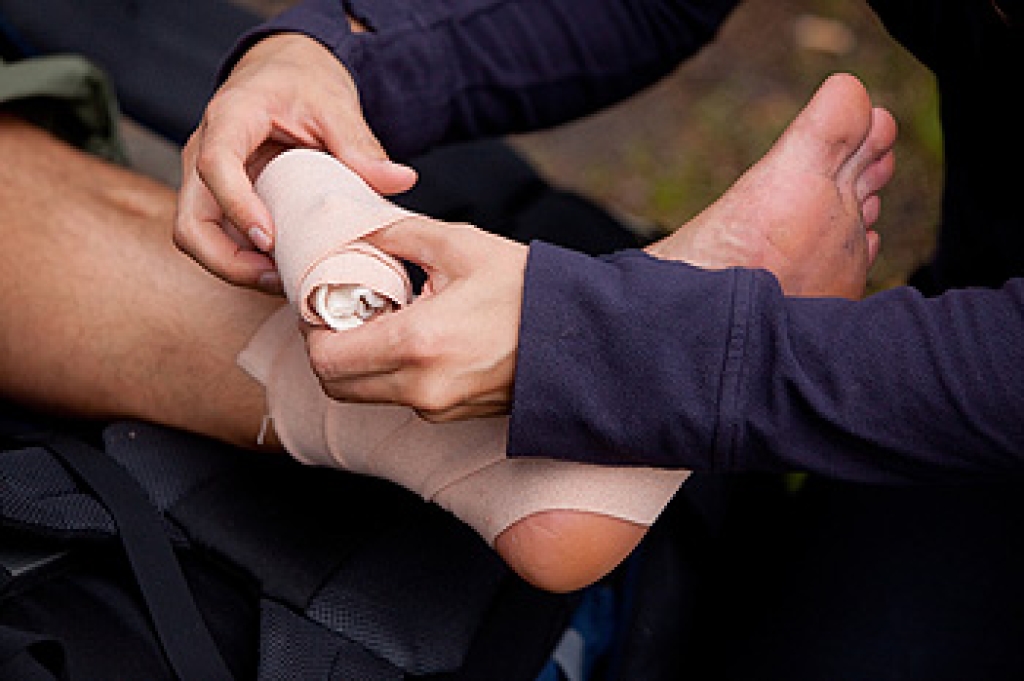
Ankle sprains are extremely common, affecting approximately 25,000 people each day. They occur when one or more ligaments in the ankle are overstretched or torn. This usually happens from a sudden twisting or turning of the ankle, while waking, running, jumping, dancing, or playing a sport. Immediately following the injury, it can be beneficial to follow the R.I.C.E. acronym for sprained ankle care. R.I.C.E. stands for rest, ice, compress, and elevate. Rest your ankle by not putting more weight on it than absolutely necessary. Apply ice to the ankle to reduce pain and swelling. Compressing the ankle can also help control swelling, and provides support to the area, as often ankle sprains are accompanied by ankle joint instability. Elevate the foot while resting by propping it up higher than heart level. If you suspect that you have sprained your ankle, it is strongly suggested that you see a podiatrist as soon as possible. The podiatrist will be able to diagnose the ankle sprain, determine the severity of the injury, and prescribe the appropriate treatments.
Ankle sprains are common but need immediate attention. If you need your feet checked, contact one of our podiatrists from Pennsylvania Foot & Ankle. Our doctors can provide the care you need to keep you pain-free and on your feet.
How Does an Ankle Sprain Occur?
Ankle sprains take place when the ligaments in your ankle are torn or stretched beyond their limits. There are multiple ways that the ankle can become injured, including twisting or rolling over onto your ankle, putting undue stress on it, or causing trauma to the ankle itself.
What Are the Symptoms?
Preventing a Sprain
Treatment of a Sprain
Treatment of a sprain depends on the severity. Many times, people are told to rest and remain off their feet completely, while others are given an air cast. If the sprain is very severe, surgery may be required.
If you have suffered an ankle sprain previously, you may want to consider additional support such as a brace and regular exercises to strengthen the ankle.
If you have any questions please feel free to contact one of our offices located in Bensalem, Philadelphia, Northeast Philadelphia, Yardley, PA, and Hamilton, NJ . We offer the newest diagnostic tools and technology to treat your foot and ankle needs.

Plantar warts are small growths that develop on parts of the feet that bear weight. They're typically found on the bottom of the foot. Don't live with plantar warts, and call us today!
Connect With Us
