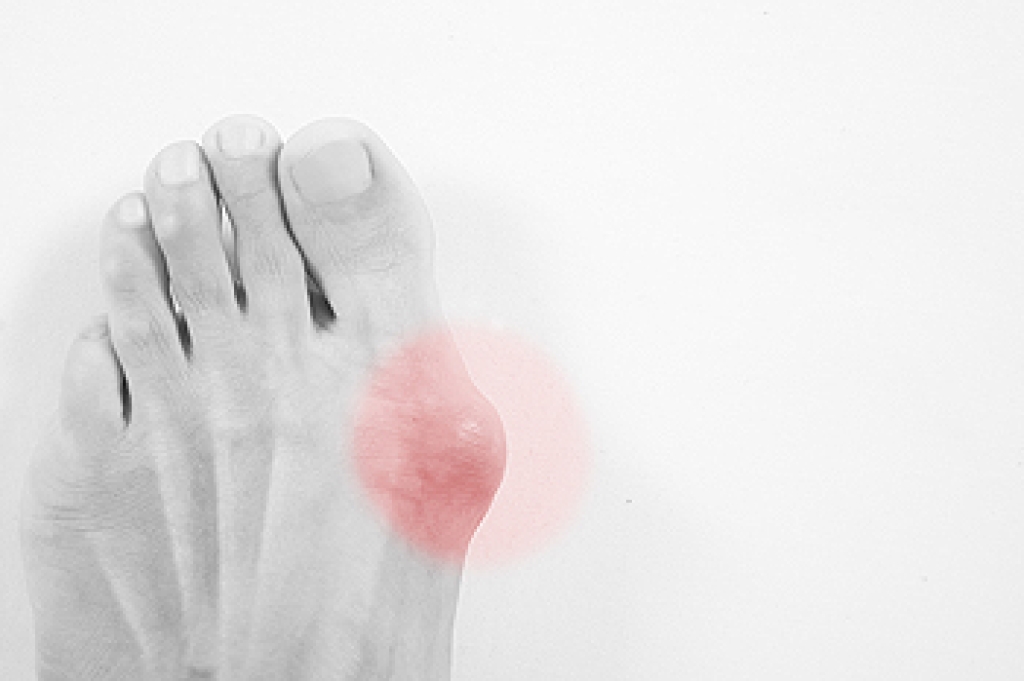
What You Need to Know About Your Bunion

When the base of your big toe begins to jut outwards, that is normally a sign that you may have a bunion. This can occur due to a deformity with the toe joint, causing the big toe to begin to bend towards your other toes. Unfortunately, bunions are often accompanied with both pain and discomfort felt in the affected area. When this occurs, it is suggested you seek professional care from a podiatrist. They may develop due to hereditary reasons, as well as due to wearing tightly fitted shoes, socks, or tights, that do not conform to the shape of your foot. Bunion pads can be worn to help alleviate the pressure felt on the bunion, and icing the affected joint can be used as a means to lessen the pain experienced. For a proper diagnosis and an advised treatment plan, we suggest you consult with a podiatrist.

If you are suffering from bunion pain, contact one of our podiatrists of Pennsylvania Foot & Ankle. Our doctors can provide the care you need to keep you pain-free and on your feet.

What Is a Bunion?

Bunions are painful bony bumps that usually develop on the inside of the foot at the joint of the big toe. As the deformity increases over time, it may become painful to walk and wear shoes. Women are more likely to exacerbate existing bunions since they often wear tight, narrow shoes that shift their toes together. Bunion pain can be relieved by wearing wider shoes with enough room for the toes.

Causes

  • Genetics – some people inherit feet that are more prone to bunion development
  • Inflammatory Conditions - rheumatoid arthritis and polio may cause bunion development

Symptoms

  • Redness and inflammation
  • Pain and tenderness
  • Callus or corns on the bump
  • Restricted motion in the big toe

In order to diagnose your bunion, your podiatrist may ask about your medical history, symptoms, and general health. Your doctor might also order an x-ray to take a closer look at your feet. Nonsurgical treatment options include orthotics, padding, icing, changes in footwear, and medication. If nonsurgical treatments don’t alleviate your bunion pain, surgery may be necessary.

If you have any questions, please feel free to contact one of our offices located in Bensalem, Philadelphia, Northeast Philadelphia, Yardley, PA, and Hamilton, NJ . We offer the newest diagnostic and treatment technologies for all your foot care needs.
Read more about What Are Bunions?

Simple Foot Care May Prevent Painful Conditions

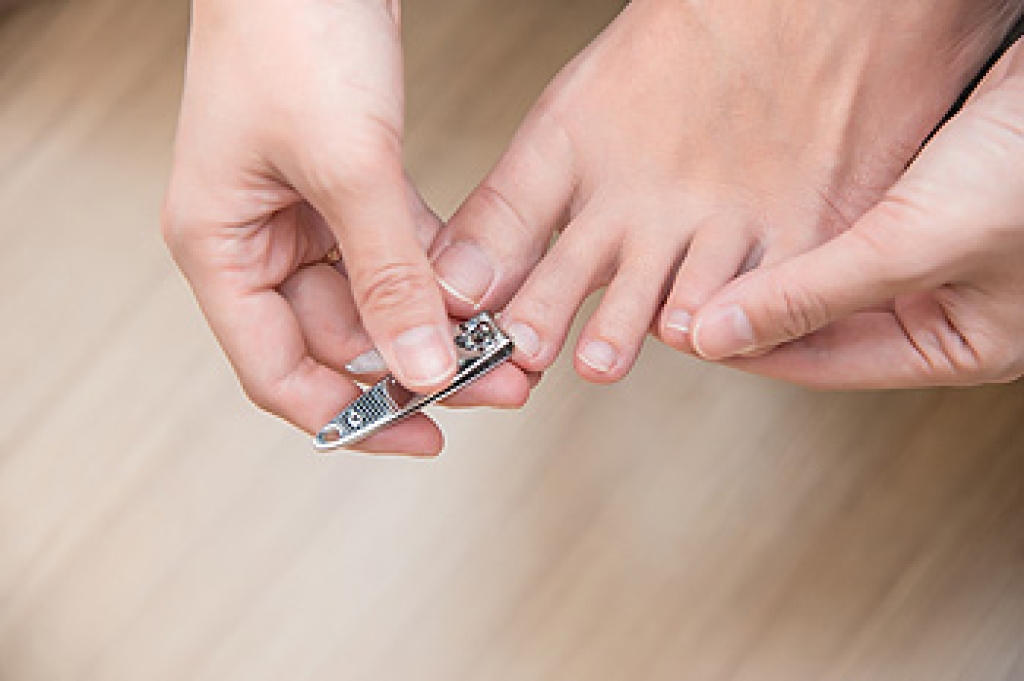
When the feet are cared for properly and on a regular basis, uncomfortable foot conditions may be prevented. There are routines that are easy to follow which can help assure the feet stay in optimum condition. These can include washing and drying the feet thoroughly, followed by using a good moisturizer. Additionally, when the toenails are trimmed, it is best to cut the nails straight across instead of at an angle. This may be helpful in preventing ingrown toenails from developing. Despite the fact that many people like to wear high heels, research has indicated it is beneficial to wear them for limited times, in addition to alternating them with shoes that have a lower heel. Athlete’s foot may be avoided when appropriate shoes are worn in public shower rooms, and surrounding areas. If you would like more information about how to properly care for  your feet on an everyday basis, please consult with a podiatrist.

Everyday foot care is very important to prevent infection and other foot ailments. If you need your feet checked, contact one of our podiatrists from Pennsylvania Foot & Ankle. Our doctors can provide the care you need to keep you pain-free and on your feet.

Everyday Foot Care

Often, people take care of their bodies, face and hair more so than they do for their feet. But the feet are a very important aspect of our bodies, and one that we should pay more attention to. Without our feet, we would not be able to perform most daily tasks.

It is best to check your feet regularly to make sure there are no new bruises or cuts that you may not have noticed before. For dry feet, moisturizer can easily be a remedy and can be applied as often as necessary to the affected areas. Wearing shoes that fit well can also help you maintain good foot health, as well as making it easier to walk and do daily activities without the stress or pain of ill-fitting shoes, high heels, or even flip flops. Wearing clean socks with closed shoes is important to ensure that sweat and bacteria do not accumulate within the shoe. Clean socks help to prevent Athlete’s foot, fungi problems, bad odors, and can absorb sweat.

If you have any questions, please feel free to contact one of our offices located in Bensalem, Philadelphia, Northeast Philadelphia, Yardley, PA, and Hamilton, NJ . We offer the newest diagnostic and treatment technologies for all your foot care needs.

Read more about Everyday Foot Care

What is the Plantar Fascia?

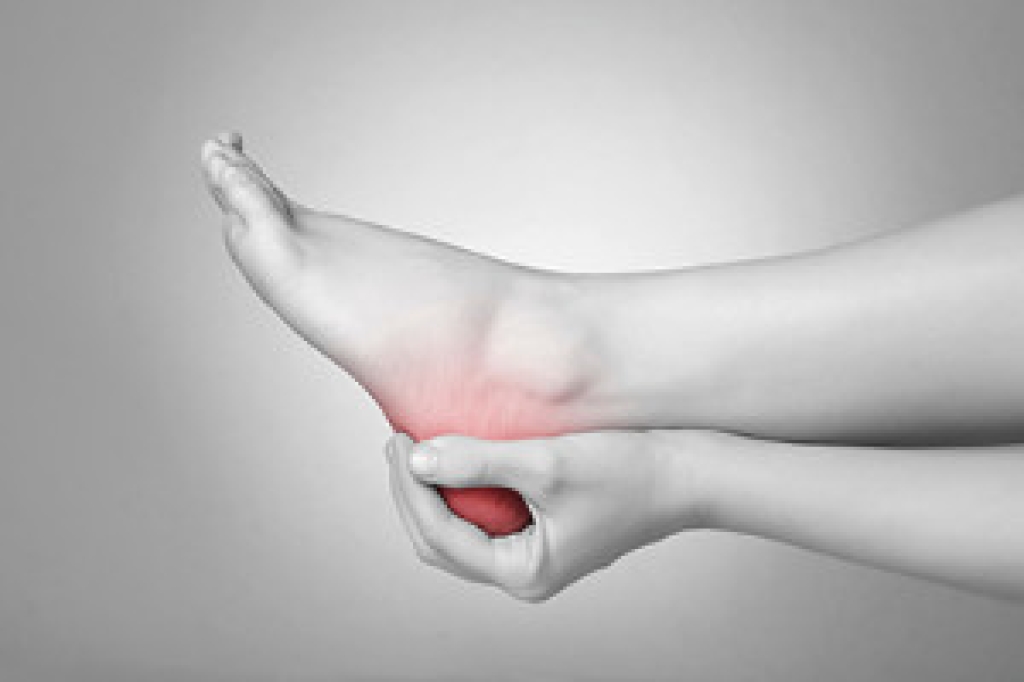
The medical condition that is known as plantar fasciitis is generally accompanied by severe pain and discomfort in the heel. It is an inflammation of the plantar fascia, and if this condition becomes severe, it may become difficult to walk. This band of tissue is located on the bottom of the foot, and its function is to connect the heel to the toes. Additionally, a healthy plantar fascia may prevent the formation of flat feet, as well as provide stability as the patient walks and runs. Inflammation of this portion of tissue can be caused by being overweight, or from wearing shoes that do not fit correctly. Effective treatment methods may consist of taping or massaging the foot. In severe cases, surgery may be necessary to help diminish the pain from plantar fasciitis. If you are suffering from this ailment, it is strongly advised that you consult with a podiatrist who can determine the best treatment option for you.

Plantar fasciitis can be very painful and inconvenient. If you are experiencing heel pain or symptoms of plantar fasciitis, contact one of our podiatrists  from Pennsylvania Foot & Ankle. Our doctors can provide the care you need to keep you pain-free and on your feet.

What Is Plantar Fasciitis?

Plantar fasciitis is the inflammation of the thick band of tissue that runs along the bottom of your foot, known as the plantar fascia, and causes mild to severe heel pain.

What Causes Plantar Fasciitis?

  • Excessive running
  • Non-supportive shoes
  • Overpronation
  • Repeated stretching and tearing of the plantar fascia

How Can It Be Treated?

  • Conservative measures – anti-inflammatories, ice packs, stretching exercises, physical therapy, orthotic devices
  • Shockwave therapy – sound waves are sent to the affected area to facilitate healing and are usually used for chronic cases of plantar fasciitis
  • Surgery – usually only used as a last resort when all else fails. The plantar fascia can be surgically detached from the heel

While very treatable, plantar fasciitis is definitely not something that should be ignored. Especially in severe cases, speaking to your doctor right away is highly recommended to avoid complications and severe heel pain. Your podiatrist can work with you to provide the appropriate treatment options tailored to your condition.

If you have any questions, please feel free to contact one of our offices located in Bensalem, Philadelphia, Northeast Philadelphia, Yardley, PA, and Hamilton, NJ . We offer the newest diagnostic and treatment technologies for all your foot care needs.
Read more about Plantar Fasciitis

Do Your Child's Feet Hurt?

Have your child's feet been examined lately? Healthy feet are happy feet. If your child is complaining of foot pain, it may be a sign of underlying problems.

Possible Treatment Methods for Cuboid Syndrome

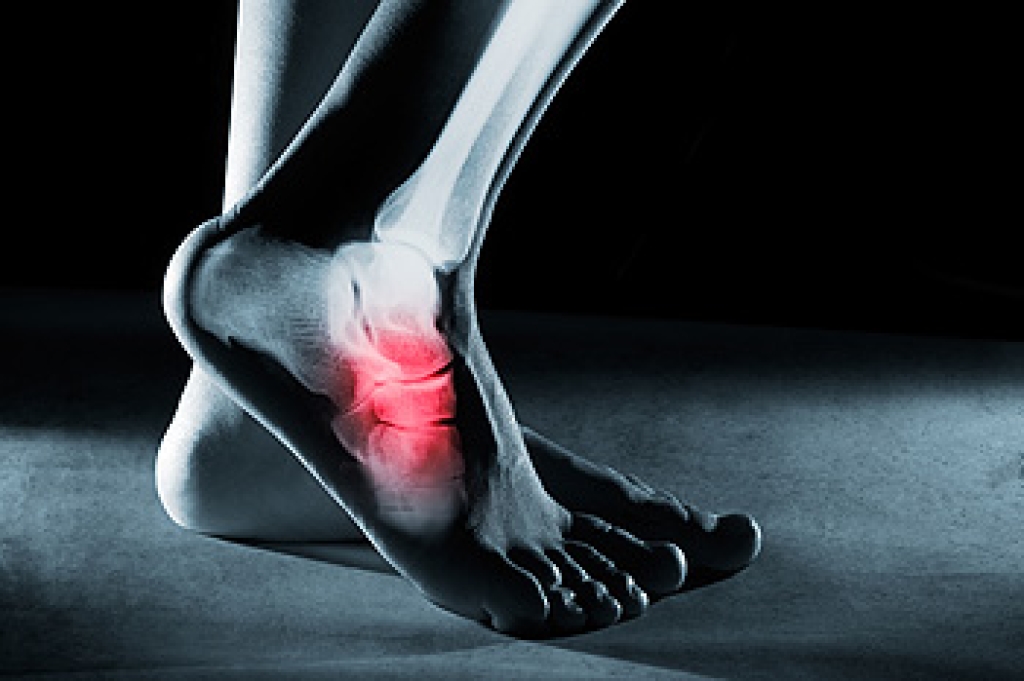
Damage that occurs to the joints and ligaments surrounding the cuboid bone may lead to a condition that is known as cuboid syndrome. Cuboid syndrome typically occurs when the nerve becomes compressed. This condition is often caused by participating in activities that involve running and jumping. The pain that typically accompanies this condition is felt on the outside of the foot, and can cause severe discomfort. Additional symptoms may include a tingling or burning sensation, and it may be difficult to walk. Relief may be found when larger shoes are worn, and it may also be beneficial to wear custom made orthotics that are designed to perfectly fit your feet. In severe cases, surgery may be a necessary treatment method. Once the ligament is cut, there may be adequate room for the affected nerve to expand. If you feel you have developed this ailment, it is advised that you seek the counsel of a podiatrist who can properly treat this condition.

Cuboid syndrome, also known as cuboid subluxation, occurs when the joints and ligaments near the cuboid bone in the foot become torn. If you have cuboid syndrome, consult with one of our podiatrists from Pennsylvania Foot & Ankle. Our doctors will assess your condition and provide you with quality foot and ankle treatment.

Cuboid syndrome is a common cause of lateral foot pain, which is pain on the outside of the foot. The condition may happen suddenly due to an ankle sprain, or it may develop slowly overtime from repetitive tension through the bone and surrounding structures.

Causes

The most common causes of cuboid syndrome include:

  • Injury – The most common cause of this ailment is an ankle sprain.
  • Repetitive Strain – Tension placed through the peroneus longus muscle from repetitive activities such as jumping and running may cause excessive traction on the bone causing it to sublux.
  • Altered Foot Biomechanics – Most people suffering from cuboid subluxation have flat feet.

Symptoms

A common symptom of cuboid syndrome is pain along the outside of the foot which can be felt in the ankle and toes. This pain may create walking difficulties and may cause those with the condition to walk with a limp.

Diagnosis

Diagnosis of cuboid syndrome is often difficult, and it is often misdiagnosed. X-rays, MRIs and CT scans often fail to properly show the cuboid subluxation. Although there isn’t a specific test used to diagnose cuboid syndrome, your podiatrist will usually check if pain is felt while pressing firmly on the cuboid bone of your foot.

Treatment

Just as the range of causes varies widely, so do treatments. Some more common treatments are ice therapy, rest, exercise, taping, and orthotics.

If you have any questions, please feel free to contact one of our offices located in Bensalem, Philadelphia, Northeast Philadelphia, Yardley, PA, and Hamilton, NJ . We offer the newest diagnostic and treatment technologies for all your foot care needs.

Read more about All About Cuboid Syndrome

Connect With Us