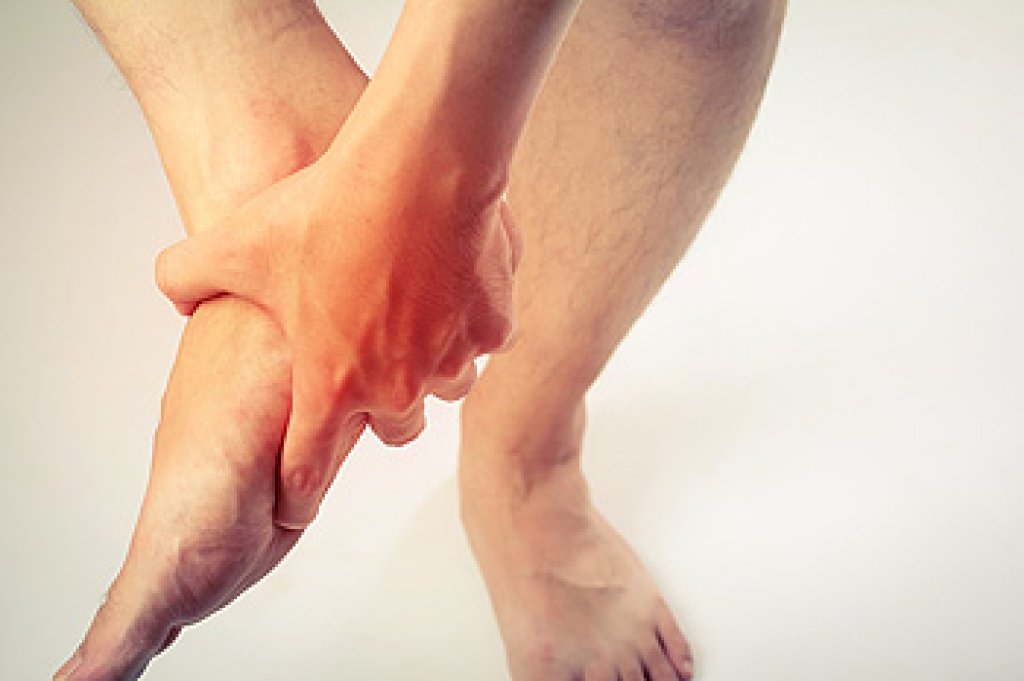
What Does Cuboid Syndrome Feel Like?

Cuboid syndrome is a condition in which the cuboid bone, located in the middle of the foot, becomes misaligned due to injury. This can cause sharp pain on the outer side of the foot, as well as underneath the foot. The pain can come on suddenly and gradually worsen while you walk or stand, but can be relieved by taking weight off of the affected foot. You may also notice mild swelling along the outside of the foot. The symptoms of cuboid syndrome can make it difficult or impossible to walk, and pain can persist for days or even weeks. If you are experiencing foot pain, it is strongly suggested that you seek the care of a podiatrist, who can diagnose and treat your condition. 

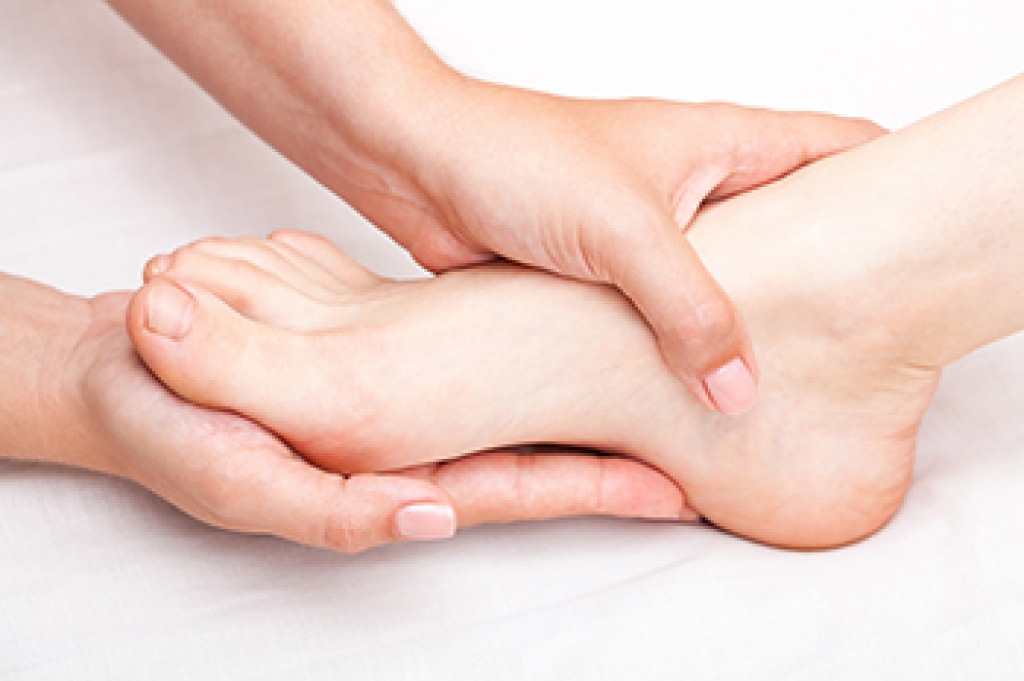
Cuboid syndrome, also known as cuboid subluxation, occurs when the joints and ligaments near the cuboid bone in the foot become torn. If you have cuboid syndrome, consult with one of our podiatrists from Pennsylvania Foot & Ankle. Our doctors will assess your condition and provide you with quality foot and ankle treatment.

Cuboid syndrome is a common cause of lateral foot pain, which is pain on the outside of the foot. The condition may happen suddenly due to an ankle sprain, or it may develop slowly overtime from repetitive tension through the bone and surrounding structures.

Causes

The most common causes of cuboid syndrome include:

  • Injury – The most common cause of this ailment is an ankle sprain.
  • Repetitive Strain – Tension placed through the peroneus longus muscle from repetitive activities such as jumping and running may cause excessive traction on the bone causing it to sublux.
  • Altered Foot Biomechanics – Most people suffering from cuboid subluxation have flat feet.

Symptoms

A common symptom of cuboid syndrome is pain along the outside of the foot which can be felt in the ankle and toes. This pain may create walking difficulties and may cause those with the condition to walk with a limp.

Diagnosis

Diagnosis of cuboid syndrome is often difficult, and it is often misdiagnosed. X-rays, MRIs and CT scans often fail to properly show the cuboid subluxation. Although there isn’t a specific test used to diagnose cuboid syndrome, your podiatrist will usually check if pain is felt while pressing firmly on the cuboid bone of your foot.

Treatment

Just as the range of causes varies widely, so do treatments. Some more common treatments are ice therapy, rest, exercise, taping, and orthotics.

If you have any questions, please feel free to contact one of our offices located in Bensalem, Philadelphia, Northeast Philadelphia, Yardley, PA, and Hamilton, NJ . We offer the newest diagnostic and treatment technologies for all your foot care needs.
Read more about All About Cuboid Syndrome

Two Forms of Hyperhidrosis

When the feet sweat profusely, it is referred to as plantar hyperhidrosis. Many patients find it is an uncomfortable and embarrassing condition and it may even cause difficulty in participating in social events. There are two types of this condition. The most common form is called primary focal hyperhidrosis and this type occurs when the nerves responsible for signaling your sweat glands become overactive. Research has indicated this form may be caused by genetic factors, or it can possibly develop from excess emotional stress. The less common form, called secondary hyperhidrosis occurs when excess sweating is due to a medical condition like diabetes, low blood sugar, thyroid problems, heart attack, or nervous system disorders. Mild relief may be found when inner soles are worn, and powder is used inside the shoes as this may help to absorb a large amount of sweat. If you notice your feet are sweating more than normal, it is suggested that you consult with a podiatrist who can guide you toward the correct treatment methods. 

If you are suffering from hyperhidrosis contact one of our podiatrists of Pennsylvania Foot & Ankle. Our doctors can provide the care you need to attend to all of your foot and ankle needs.

Hyperhidrosis of the Feet

Hyperhidrosis is a rare disorder that can cause people to have excessive sweating of their feet. This can usually occur all on its own without rigorous activity involved. People who suffer from hyperhidrosis may also experience sweaty palms.

Although it is said that sweating is a healthy process meant to cool down the body temperature and to maintain a proper internal temperature, hyperhidrosis may prove to be a huge hindrance on a person’s everyday life.

Plantar hyperhidrosis is considered to be the main form of hyperhidrosis. Secondary hyperhidrosis can refer to sweating that occurs in areas other than the feet or hands and armpits. Often this may be a sign of it being related to another medical condition such as menopause, hyperthyroidism and even Parkinson’s disease.

In order to alleviate this condition, it is important to see your doctor so that they may prescribe the necessary medications so that you can begin to live a normal life again. If this is left untreated, it is said that it will persist throughout an individual’s life.

A last resort approach would be surgery, but it is best to speak with your doctor to find out what may be the best treatment for you.

If you have any questions, please feel free to contact one of our offices located in Bensalem, Philadelphia, Northeast Philadelphia, Yardley, PA, and Hamilton, NJ . We offer the newest diagnostic and treatment technologies for all your foot care needs.

Read more about Hyperhidrosis of the Feet

Caring For Elderly Feet

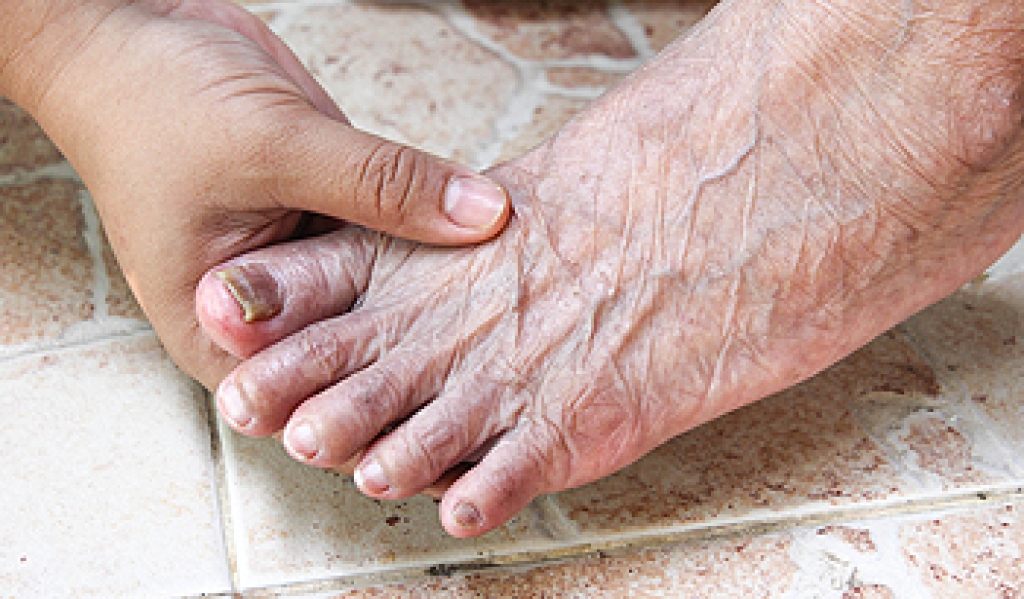
Did you know that by the time the average American reaches just 50 years old, they have likely already walked 75,000 miles? So much activity can, unsurprisingly, cause wear and tear in the feet. This wear and tear becomes more apparent as we age, resulting in foot pain and other foot problems. Many seniors are prone to foot conditions such as fungal toenail infections, athlete’s foot, dry skin, plantar fasciitis, bunions, and Morton’s neuroma. Systemic health conditions such as diabetes, peripheral neuropathy, and poor circulation also become increasingly common with age and can affect the feet. When caring for elderly feet, it is important to keep the feet dry, wear comfortable shoes, trim the toenails appropriately, and perform regular foot inspections to identify any problems or irregularities early. If you or a loved one are older, please seek the care of a podiatrist who can help you maintain the health of your feet.

Proper foot care is something many older adults forget to consider. If you have any concerns about your feet and ankles, contact one of our podiatrists from Pennsylvania Foot & Ankle. Our doctors can provide the care you need to keep you pain-free and on your feet.

The Elderly and Their Feet

As we age we start to notice many changes in our body, but the elder population may not notice them right away. Medical conditions may prevent the elderly to take notice of their foot health right away. Poor vision is a lead contributor to not taking action for the elderly.

Common Conditions 

  • Neuropathy – can reduce feeling in the feet and can hide many life-threatening medical conditions.
  • Reduced flexibility – prevents the ability of proper toenail trimming, and foot cleaning. If left untreated, it may lead to further medical issues.
  • Foot sores – amongst the older population can be serious before they are discovered. Some of the problematic conditions they may face are:
  • Gouging toenails affecting nearby toe
  • Shoes that don’t fit properly
  • Pressure sores
  • Loss of circulation in legs & feet
  • Edema & swelling of feet and ankles

Susceptible Infections

Diabetes and poor circulation can cause general loss of sensitivity over the years, turning a simple cut into a serious issue.

If you have any questions, please feel free to contact one of our offices located in Bensalem, Philadelphia, Northeast Philadelphia, Yardley, PA, and Hamilton, NJ . We offer the newest diagnostic and treatment technologies for all your foot care needs.
Read more about Elderly Foot Care

Are You Suffering From Ingrown Toenails?

If left untreated, an ingrown toenail can lead to more serious concerns, such as an infection. Knowing proper nail care can help in the prevention of an ingrown toenail. Give us a call, and get treated!

Gout Can Produce Extreme Pain

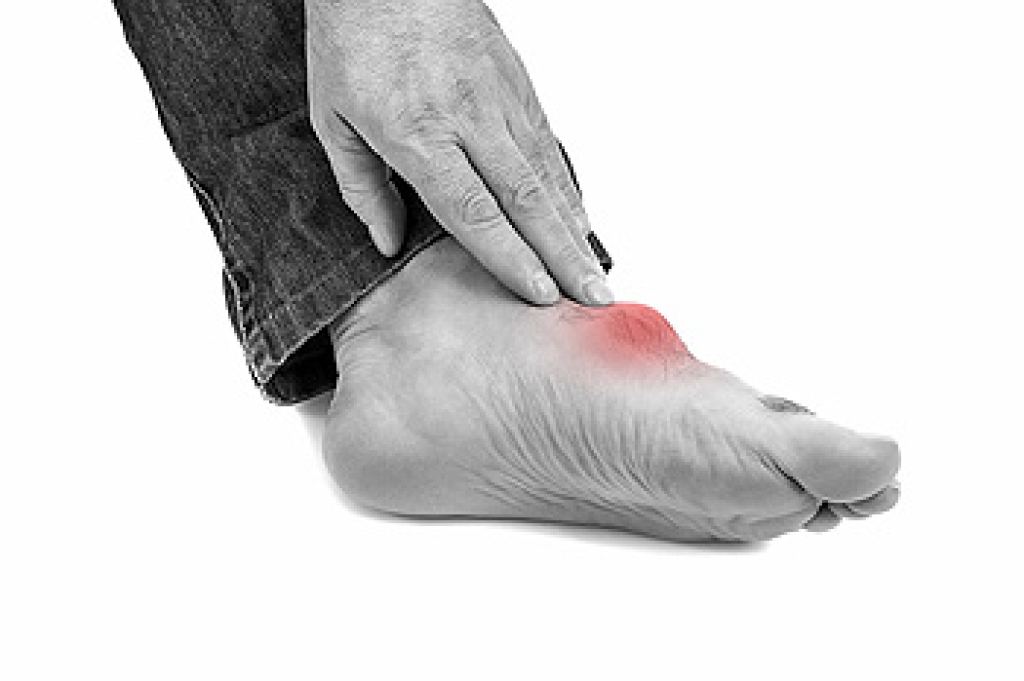
The most common form of inflammatory arthritis is referred to as gout. It is a condition that affects approximately four percent of Americans, and can be caused by genetic factors and eating habits. Common symptoms of this foot condition can include extreme tenderness, debilitating pain in the joints of the big toe, possibly causing difficulty in walking, and the toe may appear to be swollen. Some of the foods that can cause gout to develop include shellfish, red meat, and drinks that are made with large amounts of sugar. The pain comes from excess uric acid caused by elevated purine amounts that form in the joints, and can produce sensations that can feel like crystals in the feet. Mild relief may be found when lifestyle changes occur that include reducing the amount of food that is eaten with high purine levels. If you have frequent gout attacks, it is strongly advised that you are under the care of a podiatrist who can help you with proper treatment and prevention options.

Gout is a painful condition that can be treated. If you are seeking treatment, contact one of our podiatrists from Pennsylvania Foot & Ankle. Our doctors will treat your foot and ankle needs.

What Is Gout?

Gout is a form of arthritis that is characterized by sudden, severe attacks of pain, redness, and tenderness in the joints. The condition usually affects the joint at the base of the big toe. A gout attack can occur at any random time, such as the middle of the night while you are asleep.

Symptoms

  • Intense Joint Pain - Usually around the large joint of your big toe, and it most severe within the first four to twelve hours
  • Lingering Discomfort - Joint discomfort may last from a few days to a few weeks
  • Inflammation and Redness -Affected joints may become swollen, tender, warm and red
  • Limited Range of Motion - May experience a decrease in joint mobility

Risk Factors

  • Genetics - If family members have gout, you’re more likely to have it
  • Medications - Diuretic medications can raise uric acid levels
  • Gender/Age - Gout is more common in men until the age of 60. It is believed that estrogen protects women until that point
  • Diet - Eating red meat and shellfish increases your risk
  • Alcohol - Having more than two alcoholic drinks per day increases your risk
  • Obesity - Obese people are at a higher risk for gout

Prior to visiting your podiatrist to receive treatment for gout, there are a few things you should do beforehand. If you have gout you should write down your symptoms--including when they started and how often you experience them, important medical information you may have, and any questions you may have. Writing down these three things will help your podiatrist in assessing your specific situation so that he or she may provide the best route of treatment for you.

If you have any questions, please feel free to contact one of our offices located in Bensalem, Philadelphia, Northeast Philadelphia, Yardley, PA, and Hamilton, NJ . We offer the newest diagnostic and treatment technologies for all your foot care needs.

Read more about Gout

Connect With Us