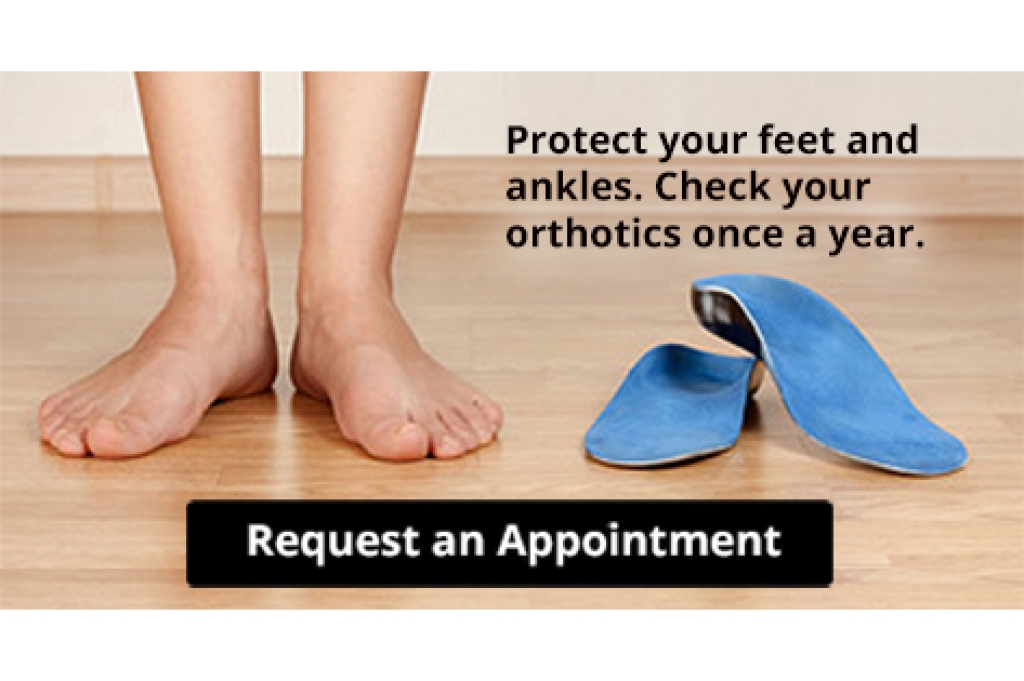
Custom orthotics, or shoe inserts, should be periodically replaced. Orthotics must fit properly to give you the best results. Protect your feet and ankles!
Custom orthotics, or shoe inserts, should be periodically replaced. Orthotics must fit properly to give you the best results. Protect your feet and ankles!
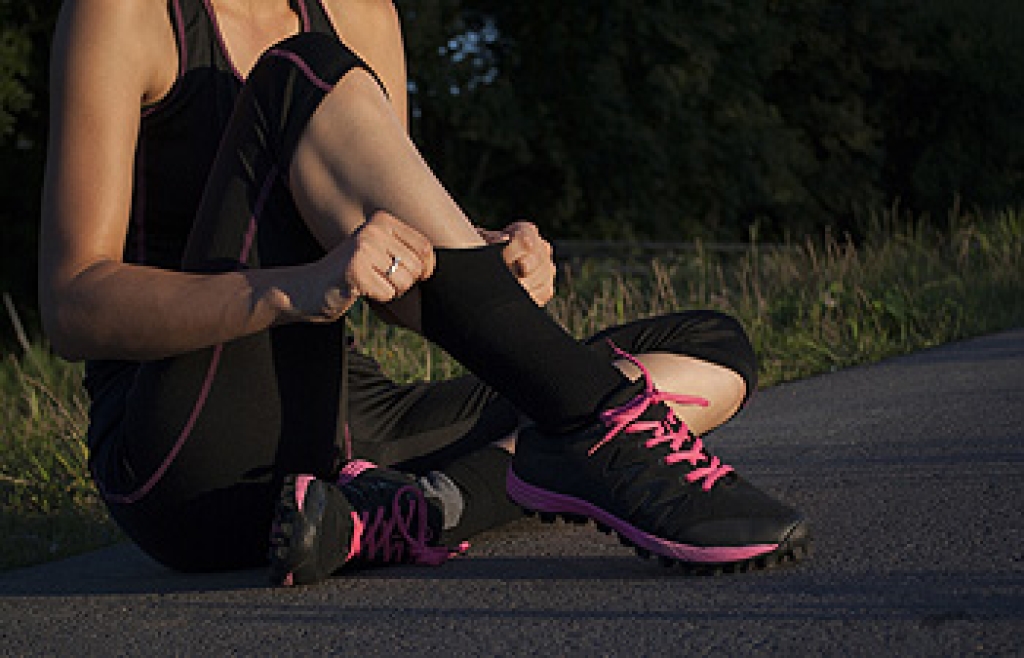
While searching for the right running shoe, you may have come across the term “heel to toe drop,” but what does this mean? The heel to toe drop is the difference in height between the heel and forefoot area of the running shoes. This is measured in millimeters. Shoes are divided into four categories based on the size of the heel to toe drop. There is zero drop (0mm), low drop (1-4mm), mid drop (5-8mm), and high drop (8+mm). The most common heel drop in standard running shoes measures about 10mm. The heel to toe drop can affect your gait, foot strike pattern, and running form, so it may be beneficial to select shoes that compliment or compensate for your gait and any foot or ankle issues that you may have. A podiatrist can examine your feet for any issues and perform a gait analysis to help determine what kind of running shoes would be best for you.
You should always make sure your running shoes fit properly in order to avoid injury. For more information, contact one of our podiatrists from Pennsylvania Foot & Ankle. Our doctors can provide the care you need to keep you pain-free and on your feet.
Choosing the Right Running Shoe for Your Foot Type
Improper shoe sizing can cause a myriad of problems for your feet. Shoes that don’t fit you properly can lead to muscular imbalances in your body, which can result in foot, knee, and hip injuries.
Tips for Finding the Right Running Shoe
If you have any questions, please feel free to contact one of our offices located in Bensalem, Philadelphia, Northeast Philadelphia, Yardley, PA, and Hamilton, NJ . We offer the newest diagnostic and treatment technologies for all your foot care needs.
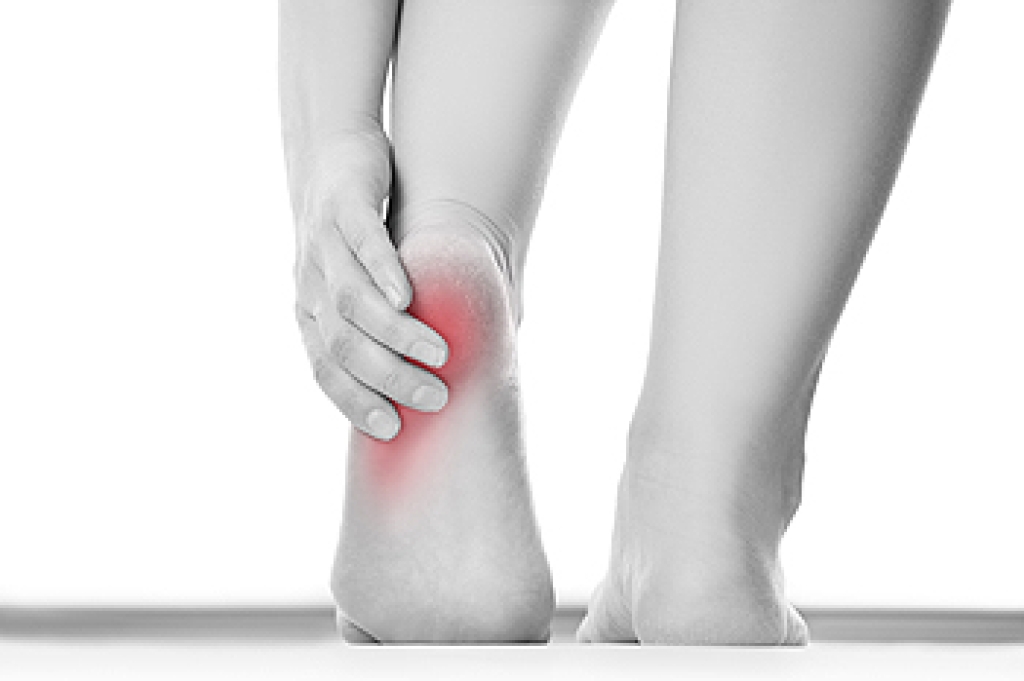 Sever’s disease, also known as calcaneal apophysitis, is an overuse injury of the growth plate in the heel bone. This condition typically affects children between the ages of 8 and 14 who participate in sports or running and jumping activities. It is thought to be caused by the Achilles tendon pulling repetitively on the heel’s growth plate, creating tiny injuries that can become inflamed and painful. Sever's disease can affect either one foot or both feet at the same time. It affects both feet in about sixty percent of cases. This condition is typically treated with rest, footwear and activity modifications, and over the counter anti-inflammatory medications. If your child complains of heel pain, it is suggested that you take them to see a podiatrist right away.
Sever's disease often occurs in children and teens. If your child is experiencing foot or ankle pain, see one of our podiatrists from Pennsylvania Foot & Ankle. Our doctors can treat your child’s foot and ankle needs.
Sever’s Disease
Sever’s disease is also known as calcaneal apophysitis, which is a medical condition that causes heel pain I none or both feet. The disease is known to affect children between the ages of 8 and 14.
Sever’s disease occurs when part of the child’s heel known as the growth plate (calcaneal epiphysis) is attached to the Achilles tendon. This area can suffer injury when the muscles and tendons of the growing foot do not keep pace with bone growth. Therefore, the constant pain which one experiences at the back of the heel will make the child unable to put any weight on the heel. The child is then forced to walk on their toes.
Symptoms
Acute pain – Pain associated with Sever’s disease is usually felt in the heel when the child engages in physical activity such as walking, jumping and or running.
Highly active – Children who are very active are among the most susceptible in experiencing Sever’s disease, because of the stress and tension placed on their feet.
If you have any questions, please feel free to contact one of our offices located in Bensalem, Philadelphia, Northeast Philadelphia, Yardley, PA, and Hamilton, NJ . We offer the newest diagnostic and treatment technologies for all your foot care needs.
The fat pad is a thick layer of fat located underneath the balls and heels of the feet. It provides cushioning to minimize the effects of friction and pressure on the feet, while also anchoring the feet to help you shift your body weight. Fat pad atrophy is the gradual loss of fat from the ball or the heel of the foot. This process is often associated with aging, but may also be caused by collapsed bones, high arches, foot injuries, arthritis, improper footwear, diabetes, steroid injections, certain medications, and genetic factors. Fat pad atrophy leads to symptoms such as pain in the balls and heels of the feet, swelling, and the formation of calluses. Pain is usually at its worst when walking, standing for prolonged periods of time, or wearing high heels. If you are experiencing fat pad atrophy, it is suggested that you seek the care of a podiatrist.
Many people suffer from bouts of heel pain. For more information, contact one of our podiatrists of Pennsylvania Foot & Ankle. Our doctors can provide the care you need to keep you pain-free and on your feet.
Causes of Heel Pain
Heel pain is often associated with plantar fasciitis. The plantar fascia is a band of tissues that extends along the bottom of the foot. A rip or tear in this ligament can cause inflammation of the tissue.
Achilles tendonitis is another cause of heel pain. Inflammation of the Achilles tendon will cause pain from fractures and muscle tearing. Lack of flexibility is also another symptom.
Heel spurs are another cause of pain. When the tissues of the plantar fascia undergo a great deal of stress, it can lead to ligament separation from the heel bone, causing heel spurs.
Why Might Heel Pain Occur?
Treatments
Heel pain should be treated as soon as possible for immediate results. Keeping your feet in a stress-free environment will help. If you suffer from Achilles tendonitis or plantar fasciitis, applying ice will reduce the swelling. Stretching before an exercise like running will help the muscles. Using all these tips will help make heel pain a condition of the past.
If you have any questions, please feel free to contact one of our offices located in Bensalem, Philadelphia, Northeast Philadelphia, Yardley, PA, and Hamilton, NJ . We offer the newest diagnostic and treatment technologies for all your foot care needs.
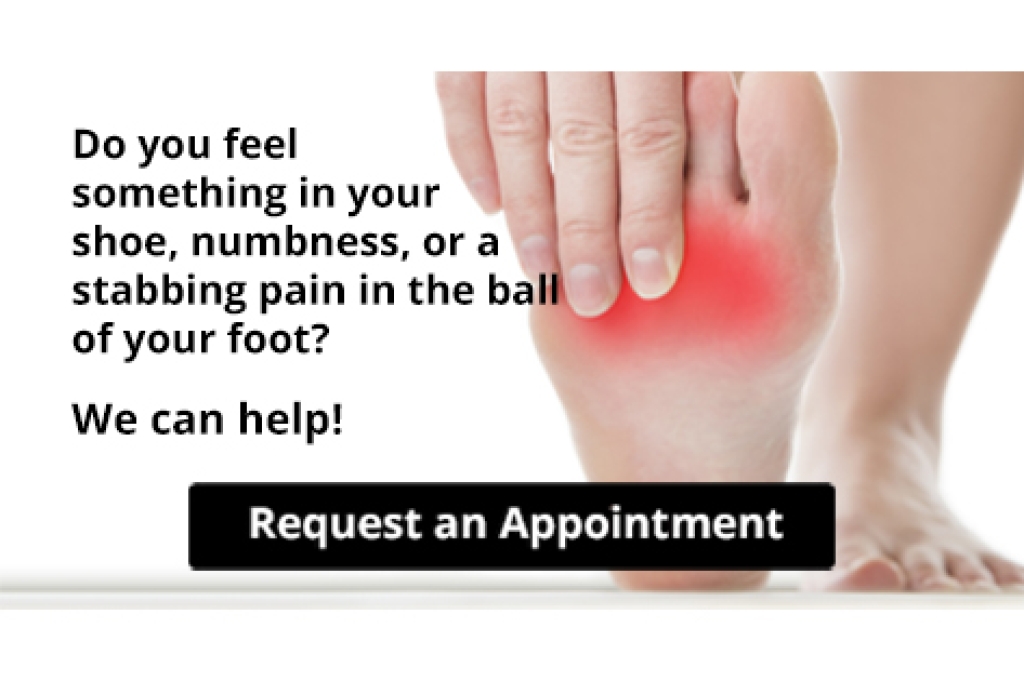
Suffering from this type of pain? You may have the foot condition known as Morton's neuroma. Morton's neuroma may develop as a result of ill-fitting footwear and existing foot deformities. We can help.
Connect With Us
