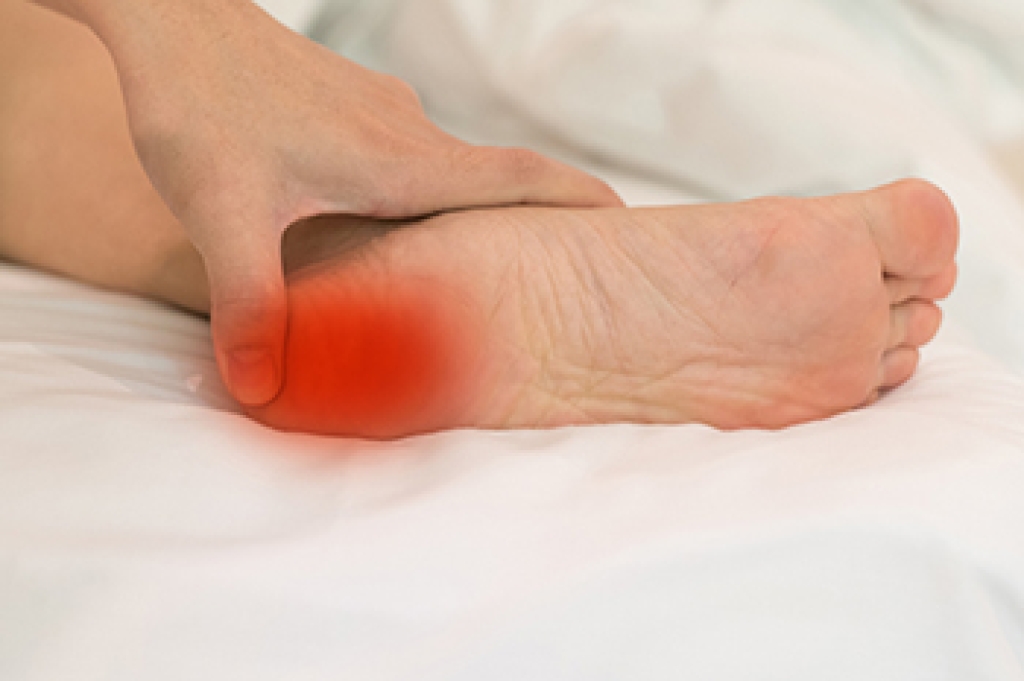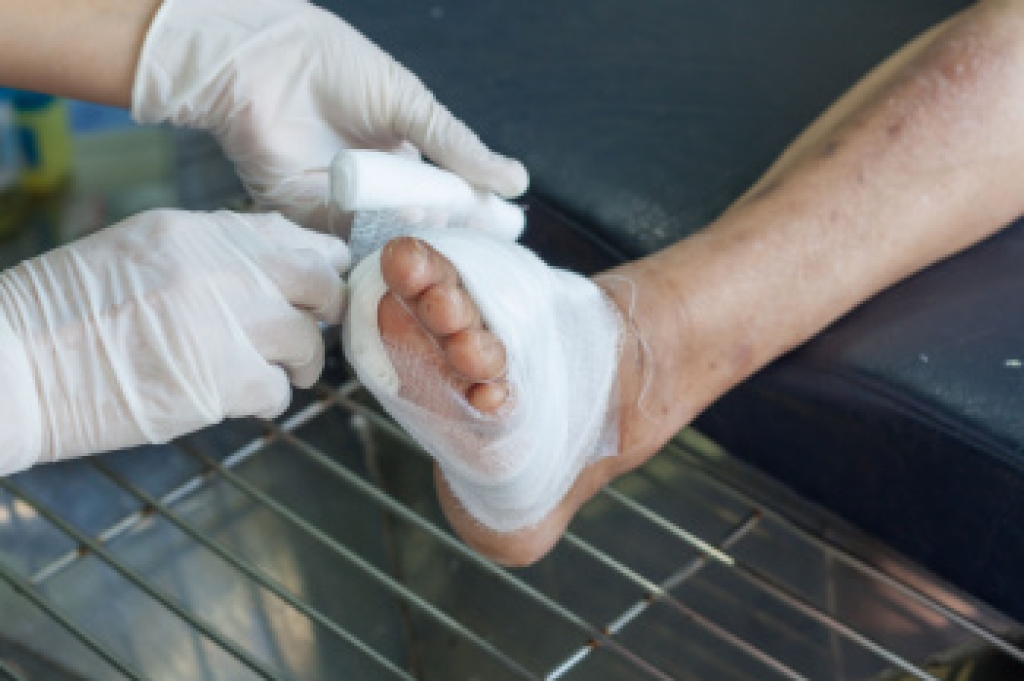
Important Facts to Know about Diabetic Feet

Diabetic feet represent a significant concern for individuals living with diabetes, as the condition can lead to various complications affecting foot health. One critical fact about diabetic feet is the increased risk of nerve damage, known as peripheral neuropathy, which can result in reduced sensation and difficulty detecting injuries or ulcers. Additionally, diabetes can impair blood circulation, leading to poor wound healing and an increased susceptibility to infections. Individuals with diabetes are also prone to developing foot ulcers, which, if left untreated, can escalate into serious complications such as gangrene and amputation. Proper foot care and regular inspections are essential for individuals with diabetes to prevent complications. This includes keeping the feet clean and moisturized, wearing comfortable and well-fitting shoes, inspecting the feet daily for cuts or sores, and seeking prompt medical attention for any signs of infection or injury. If you have diabetes, it is strongly suggested that you are under the care of a podiatrist who can help you manage this serious condition.

Diabetic foot care is important in preventing foot ailments such as ulcers. If you are suffering from diabetes or have any other concerns about your feet, contact one of our podiatrists from Pennsylvania Foot & Ankle. Our doctors can provide the care you need to keep you pain-free and on your feet.

Diabetic Foot Care

Diabetes affects millions of people every year. The condition can damage blood vessels in many parts of the body, especially the feet. Because of this, taking care of your feet is essential if you have diabetes, and having a podiatrist help monitor your foot health is highly recommended.

The Importance of Caring for Your Feet

  • Routinely inspect your feet for bruises or sores.
  • Wear socks that fit your feet comfortably.
  • Wear comfortable shoes that provide adequate support.

Patients with diabetes should have their doctor monitor their blood levels, as blood sugar levels play such a huge role in diabetic care. Monitoring these levels on a regular basis is highly advised.

It is always best to inform your healthcare professional of any concerns you may have regarding your feet, especially for diabetic patients. Early treatment and routine foot examinations are keys to maintaining proper health, especially because severe complications can arise if proper treatment is not applied.

If you have any questions, please feel free to contact one of our offices located in Bensalem, Philadelphia, Northeast Philadelphia, Yardley, PA, and Hamilton, NJ . We offer the newest diagnostic and treatment technologies for all your foot care needs.
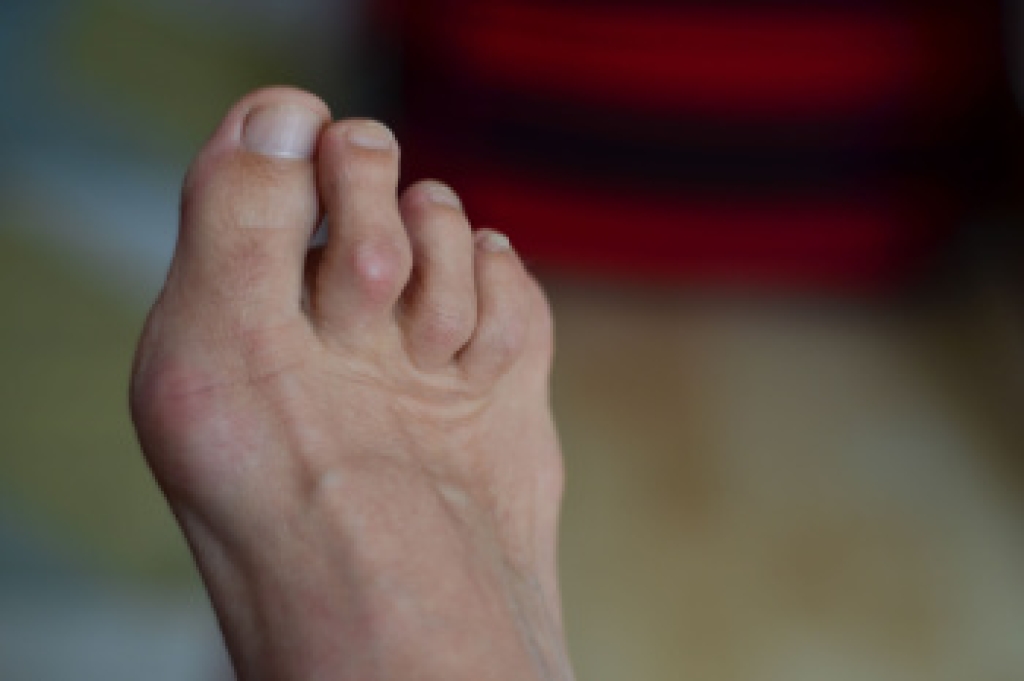

Read more about Diabetic Foot Care

What Are Causes of Hammertoe?

Hammertoe, a common foot deformity, can be attributed to various underlying factors, including rheumatoid arthritis, bunions, and corns. Rheumatoid arthritis, an autoimmune condition characterized by inflammation in the joints, can lead to the weakening of the muscles and ligaments in the toes, causing them to contract and deform over time. Similarly, bunions, bony protrusions that form at the base of the big toe, can exert pressure on adjacent toes, causing them to bend abnormally. Additionally, corns, thickened areas of skin caused by friction or pressure, can also contribute to hammertoe by forcing the toes into a bent position. Over time, these factors can result in the development of hammertoe, characterized by a permanent bend in one or more toes. Understanding the relationship between rheumatoid arthritis, bunions, corns, and hammertoe is important for implementing preventive measures and seeking appropriate treatment to alleviate symptoms and prevent further deformity. If you have developed this foot condition, it is suggested that you consult a podiatrist who can treat hammertoe.

Hammertoes can be a painful condition to live with. For more information, contact one of our podiatrists of Pennsylvania Foot & Ankle. Our doctors will answer any of your foot- and ankle-related questions.

Hammertoe

Hammertoe is a foot deformity that occurs due to an imbalance in the muscles, tendons, or ligaments that normally hold the toe straight. It can be caused by the type of shoes you wear, your foot structure, trauma, and certain disease processes.

Symptoms

  • Painful and/or difficult toe movement
  • Swelling
  • Joint stiffness
  • Calluses/Corns
  • Physical deformity

Risk Factors

  • Age – The risk of hammertoe increases with age
  • Sex – Women are more likely to have hammertoe compared to men
  • Toe Length – You are more likely to develop hammertoe if your second toe is longer than your big toe
  • Certain Diseases – Arthritis and diabetes may make you more likely to develop hammertoe

Treatment

If you have hammertoe, you should change into a more comfortable shoe that provides enough room for your toes. Exercises such as picking up marbles may strengthen and stretch your toe muscles. Nevertheless, it is important to seek assistance from a podiatrist in order to determine the severity of your hammertoe and see which treatment option will work best for you.

If you have any questions, please feel free to contact one of our offices located in Bensalem, Philadelphia, Northeast Philadelphia, Yardley, PA, and Hamilton, NJ . We offer the newest diagnostic and treatment technologies for all your foot care needs.
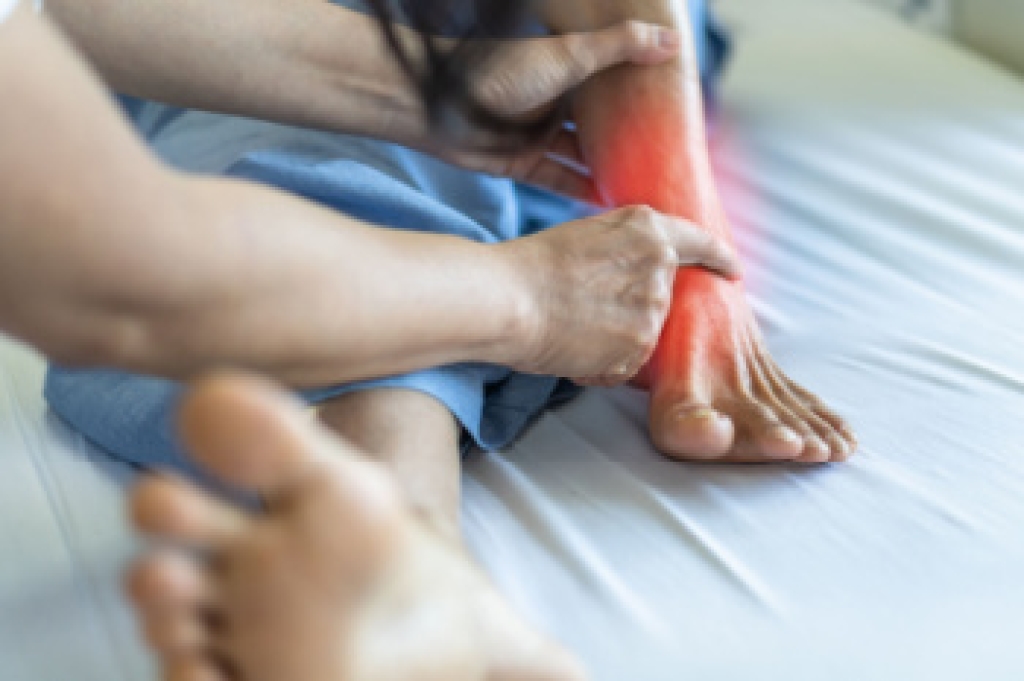
Read more about What Are Hammertoes?

It's Time for Beautiful Feet

You don't need an excuse to have beautiful nails. Step outside without worrying about the appearance of your feet.

Diagnosis and Symptoms of Tarsal Tunnel Syndrome

Tarsal tunnel syndrome, or TTS, is a condition characterized by compression of the tibial nerve as it travels through the tarsal tunnel, located on the inner side of the ankle beneath the ankle bone. This compression leads to various symptoms affecting the foot and ankle. Diagnosis of TTS involves a thorough examination by a podiatrist, including a detailed medical history and physical assessment. Common symptoms of tarsal tunnel syndrome include tingling, burning, or shooting pain along the inner ankle and the sole of the foot. Some individuals may experience numbness or weakness in the affected area, which can worsen with prolonged standing or walking. As the condition progresses, symptoms may intensify, impacting daily activities and overall quality of life. If you have pain in this part of your foot, it is strongly suggested that you visit a podiatrist who can accurately diagnose and treat tarsal tunnel syndrome.

Tarsal tunnel syndrome can be very uncomfortable to live with. If you are experiencing tarsal tunnel syndrome, contact one of our podiatrists of Pennsylvania Foot & Ankle. Our doctors can provide the care you need to keep you pain-free and on your feet.

Tarsal Tunnel Syndrome

Tarsal tunnel syndrome, which can also be called tibial nerve dysfunction, is an uncommon condition of misfiring peripheral nerves in the foot. The tibial nerve is the peripheral nerve in the leg responsible for sensation and movement of the foot and calf muscles. In tarsal tunnel syndrome, the tibial nerve is damaged, causing problems with movement and feeling in the foot of the affected leg.

Common Cause of Tarsal Tunnel Syndrome

  • Involves pressure or an injury, direct pressure on the tibial nerve for an extended period of time, sometimes caused by other body structures close by or near the knee.
  • Diseases that damage nerves, including diabetes, may cause tarsal tunnel syndrome.
  • At times, tarsal tunnel syndrome can appear without an obvious cause in some cases.

The Effects of Tarsal Tunnel Syndrome

  • Different sensations, an afflicted person may experience pain, tingling, burning or other unusual sensations in the foot of the affected leg.
  • The foot muscles, toes and ankle become weaker, and curling your toes or flexing your foot can become difficult.
  • If condition worsens, infections and ulcers may develop on the foot that is experiencing the syndrome.

A physical exam of the leg can help identify the presence of tarsal tunnel syndrome. Medical tests, such as a nerve biopsy, are also used to diagnose the condition. Patients may receive physical therapy and prescriptive medication. In extreme cases, some may require surgery.

If you have any questions please contact one of our offices located in Bensalem, Philadelphia, Northeast Philadelphia, Yardley, PA, and Hamilton, NJ . We offer the newest diagnostic and treatment technologies for all your foot and ankle needs.

Read more about Tarsal Tunnel Syndrome

Exploring Sever's Disease

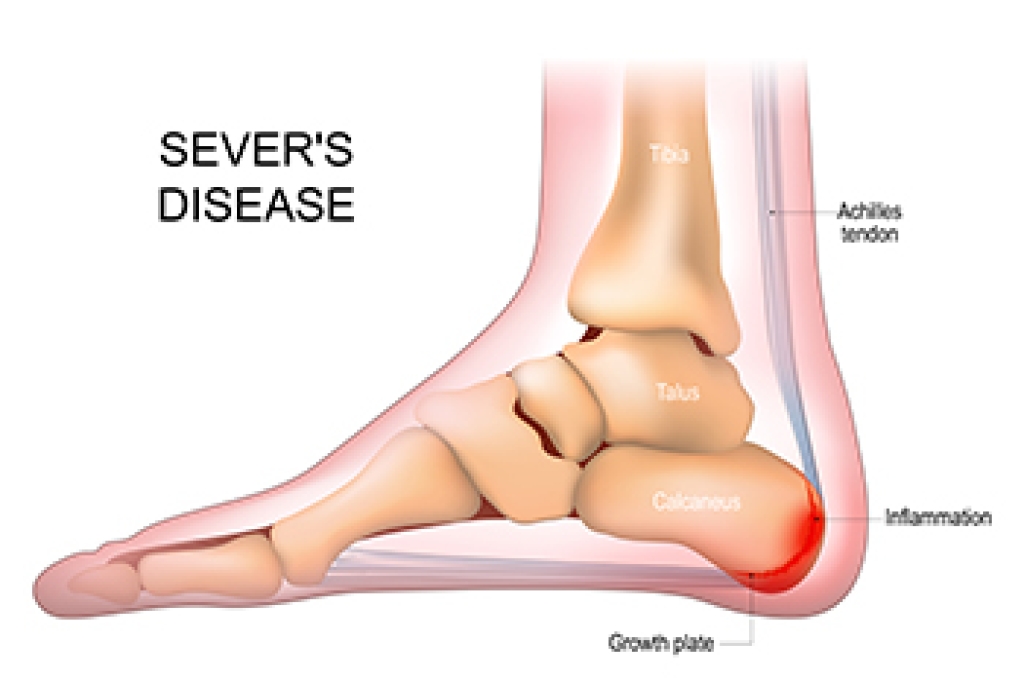
Sever's disease, despite its name, is not actually a disease but rather a common condition affecting children during periods of rapid growth. Also known as calcaneal apophysitis, Sever's disease occurs when the growth plate at the back of the heel bone becomes inflamed due to repetitive stress or overuse. This condition commonly affects active children and adolescents, particularly those involved in sports like running or jumping. Symptoms of Sever's disease typically include heel pain, tenderness, and swelling, which may worsen with physical activity and improve with rest. Although Sever's disease is temporary and does not cause long-term damage, it can be debilitating and affect a child's participation in sports and daily activities. With proper care and management, most children recover from Sever's disease within a few weeks to months, allowing them to resume their normal activities pain-free. If your child has heel pain and participates in sporting activities, it may be possible Sever’s disease has developed. It is suggested that you consult a podiatrist who can help you to manage this condition.

Sever's disease often occurs in children and teens. If your child is experiencing foot or ankle pain, see one of our podiatrists from Pennsylvania Foot & Ankle. Our doctors can treat your child’s foot and ankle needs.

Sever’s Disease

Sever’s disease is also known as calcaneal apophysitis, which is a medical condition that causes heel pain I none or both feet. The disease is known to affect children between the ages of 8 and 14.

Sever’s disease occurs when part of the child’s heel known as the growth plate (calcaneal epiphysis) is attached to the Achilles tendon. This area can suffer injury when the muscles and tendons of the growing foot do not keep pace with bone growth. Therefore, the constant pain which one experiences at the back of the heel will make the child unable to put any weight on the heel. The child is then forced to walk on their toes.

Symptoms

Acute pain – Pain associated with Sever’s disease is usually felt in the heel when the child engages in physical activity such as walking, jumping and or running.

Highly active – Children who are very active are among the most susceptible in experiencing Sever’s disease, because of the stress and tension placed on their feet.

If you have any questions, please feel free to contact one of our offices located in Bensalem, Philadelphia, Northeast Philadelphia, Yardley, PA, and Hamilton, NJ . We offer the newest diagnostic and treatment technologies for all your foot care needs.
Read more about Sever's Disease

Definition and Causes of Foot Stress Fractures

Foot stress fractures, although often underestimated, can pose significant challenges to individuals, particularly those engaged in high-impact activities or sports. These fractures occur when excessive and repetitive stress is placed on the bones of the foot, leading to small cracks or fissures. Common causes of foot stress fractures include sudden increases in physical activity, wearing inadequate footwear, improper training techniques, and underlying conditions such as osteoporosis or nutritional deficiencies. Athletes and military personnel, who frequently engage in activities that subject their feet to repetitive stress, are especially susceptible to stress fractures. Symptoms of foot stress fractures typically include localized pain, swelling, tenderness, and difficulty bearing weight on the affected foot. If left untreated, stress fractures can worsen over time and lead to more severe complications. Therefore, early recognition of symptoms and prompt medical evaluation are essential for effective treatment and prevention of further injury. If you have endured a stress fracture, it is suggested that you schedule an appointment with a podiatrist who can effectively treat this condition.

Stress fractures occur when there is a tiny crack within a bone. To learn more, contact one of our podiatrists from Pennsylvania Foot & Ankle. Our doctors can provide the care you need to keep you pain free and on your feet.

How Are They Caused?

Stress fractures are the result of repetitive force being placed on the bone. Since the lower leg and feet often carry most of the body’s weight, stress fractures are likely to occur in these areas. If you rush into a new exercise, you are more likely to develop a stress fracture since you are starting too much, too soon.  Pain resulting from stress fractures may go unnoticed at first, however it may start to worsen over time.

Risk Factors

  • Gender – They are more commonly found in women compared to men.
  • Foot Problems – People with unusual arches in their feet are more likely to develop stress fractures.
  • Certain Sports – Dancers, gymnasts, tennis players, runners, and basketball players are more likely to develop stress fractures.
  • Lack of Nutrients – A lack of vitamin D and calcium may weaken the bones and make you more prone to stress fractures
  • Weak Bones – Osteoporosis can weaken the bones therefore resulting in stress fractures

Stress fractures do not always heal properly, so it is important that you seek help from a podiatrist if you suspect you may have one. Ignoring your stress fracture may cause it to worsen, and you may develop chronic pain as well as additional fractures.

If you have any questions please contact one of our offices located in Bensalem, Philadelphia, Northeast Philadelphia, Yardley, PA, and Hamilton, NJ . We offer the newest diagnostic and treatment technologies for all your foot and ankle needs.

Read more about Stress Fractures of the Foot and Ankle

Heel Pain Can Be Treated!

Do you suffer from heel pain when you get up in the morning? If so, you should seek professional help and have a proper diagnosis performed. Heel pain can be caused by several different foot-related conditions.

Insights into Children's Foot Development

During infancy, a child's feet are pliable and mostly made of cartilage, gradually ossifying into bones over time. Until the age of six, children's feet are still forming, with the arches gradually developing. It is normal for children to have flat feet during this period, as the arches develop and muscles strengthen. Additionally, children's feet grow rapidly, often requiring new shoes every few months during growth spurts. As they become more active, ensuring proper footwear fit is essential to support their growing feet and prevent discomfort or injury. Children's feet may appear pigeon-toed or have other gait abnormalities as they learn to walk and run. Most of these issues resolve on their own as they develop coordination and muscle strength. Regular monitoring of children's foot health and providing adequate support through appropriate footwear can contribute to their overall well-being and comfort. If you have questions or concerns about your child’s feet, it is suggested that you contact a podiatrist who can provide you with the information you are seeking.

The health of a child’s feet is vital to their overall well-being. If you have any questions regarding foot health, contact one of our podiatrists of Pennsylvania Foot & Ankle. Our doctors can provide the care you need to keep you pain-free and on your feet.

Tips for Keeping Children's Feet Healthy

  • Make sure their shoes fit properly
  • Look for any signs of in-toeing or out-toeing
  • Check to see if they have Clubfoot (condition that affects your child’s foot and ankle, twisting the heel and toes inward) which is one of the most common nonmajor birth defects.
  • Lightly cover your baby’s feet (Tight covers may keep your baby from moving their feet freely, and could prevent normal development)
  • Allow your toddler to go shoeless (Shoes can be restricting for a young child’s foot)
  • Cut toenails straight across to avoid ingrown toenails
  • Keep your child’s foot clean and dry
  • Cover cuts and scrapes. Wash any scratches with soap and water and cover them with a bandage until they’ve healed.

If you have any questions, please feel free to contact one of our offices located in Bensalem, Philadelphia, Northeast Philadelphia, Yardley, PA, and Hamilton, NJ . We offer the newest diagnostic and treatment technologies for all your foot care needs.

Read more about How to Care for Your Child's Feet

When to See a Doctor for Heel Pain

Experiencing heel pain can significantly impact your daily life, making even simple tasks like walking or standing uncomfortable. Podiatrists, medical professionals specializing in foot and ankle health, can diagnose and treat heel pain. These types of doctors understand the complex structure of the foot and can identify the underlying causes of heel pain. Included are overuse injuries like plantar fasciitis, bone spurs, or Achilles tendonitis. Targeting the underlying cause of heel pain is important for appropriate care. It is especially important to seek the advice of a podiatrist if you have persistent pain, and if the pain comes suddenly or after an injury. A podiatrist can offer a personalized treatment plan that may include specialized exercises, custom orthotics, medication, or advanced therapies designed to alleviate pain and promote healing. Podiatrists can also provide valuable guidance on footwear choices and lifestyle modifications to prevent future pain. If you are suffering from heel pain, it is suggested you seek the help of a podiatrist for diagnosis and care. 

Many people suffer from bouts of heel pain. For more information, contact one of our podiatrists of Pennsylvania Foot & Ankle. Our doctors can provide the care you need to keep you pain-free and on your feet.

Causes of Heel Pain

Heel pain is often associated with plantar fasciitis. The plantar fascia is a band of tissues that extends along the bottom of the foot. A rip or tear in this ligament can cause inflammation of the tissue.

Achilles tendonitis is another cause of heel pain. Inflammation of the Achilles tendon will cause pain from fractures and muscle tearing. Lack of flexibility is also another symptom.

Heel spurs are another cause of pain. When the tissues of the plantar fascia undergo a great deal of stress, it can lead to ligament separation from the heel bone, causing heel spurs.

Why Might Heel Pain Occur?

  • Wearing ill-fitting shoes                
  • Wearing non-supportive shoes
  • Weight change           
  • Excessive running

Treatments

Heel pain should be treated as soon as possible for immediate results. Keeping your feet in a stress-free environment will help. If you suffer from Achilles tendonitis or plantar fasciitis, applying ice will reduce the swelling. Stretching before an exercise like running will help the muscles. Using all these tips will help make heel pain a condition of the past.

If you have any questions, please feel free to contact one of our offices located in Bensalem, Philadelphia, Northeast Philadelphia, Yardley, PA, and Hamilton, NJ . We offer the newest diagnostic and treatment technologies for all your foot care needs.

Read more about Heel Pain

Women and Gout

Gout, long considered to affect mostly men, is increasingly recognized as a concern for women as well. In fact, gout can affect anyone, regardless of gender. This painful form of arthritis occurs when uric acid crystals accumulate in the joints, leading to inflammation and intense discomfort. Women may experience gout during menopause, due to hormonal changes that affect uric acid levels. Additionally, lifestyle factors, such as diet, obesity, alcohol consumption, and certain medications, can contribute to gout risk in women. Although women are less likely to develop gout than men, their risk increases with age and other health conditions such as hypertension, diabetes, and kidney disease. Recognizing that gout can affect women is essential for timely diagnosis and management. With proper lifestyle modifications, dietary changes, and medication, women can effectively manage gout and minimize its impact on their quality of life. If you suffer from gout flare-ups, it is suggested that you consult a podiatrist who can assess the situation and help manage the condition.

Gout is a foot condition that requires certain treatment and care. If you are seeking treatment, contact one of our podiatrists from Pennsylvania Foot & Ankle. Our doctors will treat your foot and ankle needs.

What Is Gout?

Gout is a type of arthritis caused by a buildup of uric acid in the bloodstream. It often develops in the foot, especially the big toe area, although it can manifest in other parts of the body as well. Gout can make walking and standing very painful and is especially common in diabetics and the obese.

People typically get gout because of a poor diet. Genetic predisposition is also a factor. The children of parents who have had gout frequently have a chance of developing it themselves.

Gout can easily be identified by redness and inflammation of the big toe and the surrounding areas of the foot. Other symptoms include extreme fatigue, joint pain, and running high fevers. Sometimes corticosteroid drugs can be prescribed to treat gout, but the best way to combat this disease is to get more exercise and eat a better diet.

If you have any questions, please feel free to contact one of our offices located in Bensalem, Philadelphia, Northeast Philadelphia, Yardley, PA, and Hamilton, NJ . We offer the newest diagnostic and treatment technologies for all your foot care needs.
Read more about Gout

Connect With Us