
Have your child's feet been examined lately? Healthy feet are happy feet. If your child is complaining of foot pain, it may be a sign of underlying problems.
Have your child's feet been examined lately? Healthy feet are happy feet. If your child is complaining of foot pain, it may be a sign of underlying problems.
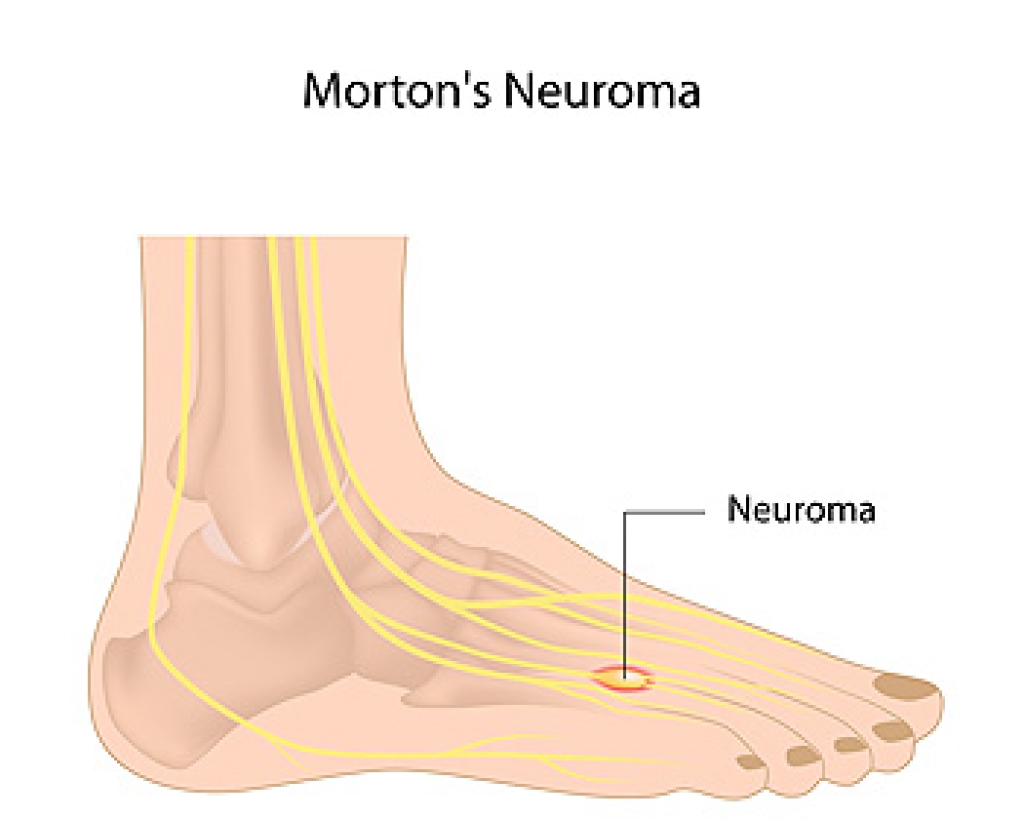 Patients who have pain between the toes may be experiencing a condition that is referred to as Morton’s neuroma. This condition is a result of a compressed nerve and can be caused by wearing shoes that do not fit properly. Additionally, it may occur from participating in sporting activities such as running and dancing. Some patients have a foot structure that can lead to developing this ailment, and existing foot conditions including hammertoes and bunions may contribute to the onset of Morton’s neuroma. The pain and discomfort can range from a tingling to a burning sensation, and can radiate to the ball of the foot. If you have pain in this part of your foot, it is strongly recommended that you schedule a consultation with a podiatrist who can properly diagnose and treat this condition.
Morton’s neuroma is a very uncomfortable condition to live with. If you think you have Morton’s neuroma, contact one of our podiatrists of Pennsylvania Foot & Ankle. Our doctors will attend to all of your foot care needs and answer any of your related questions.
Morton’s Neuroma
Morton's neuroma is a painful foot condition that commonly affects the areas between the second and third or third and fourth toe, although other areas of the foot are also susceptible. Morton’s neuroma is caused by an inflamed nerve in the foot that is being squeezed and aggravated by surrounding bones.
What Increases the Chances of Having Morton’s Neuroma?
Morton’s neuroma is a very treatable condition. Orthotics and shoe inserts can often be used to alleviate the pain on the forefront of the feet. In more severe cases, corticosteroids can also be prescribed. In order to figure out the best treatment for your neuroma, it’s recommended to seek the care of a podiatrist who can diagnose your condition and provide different treatment options.
If you have any questions, please feel free to contact one of our offices located in Bensalem, Philadelphia, Northeast Philadelphia, Yardley, PA, and Hamilton, NJ . We offer the newest diagnostic and treatment technologies for all your foot care needs.
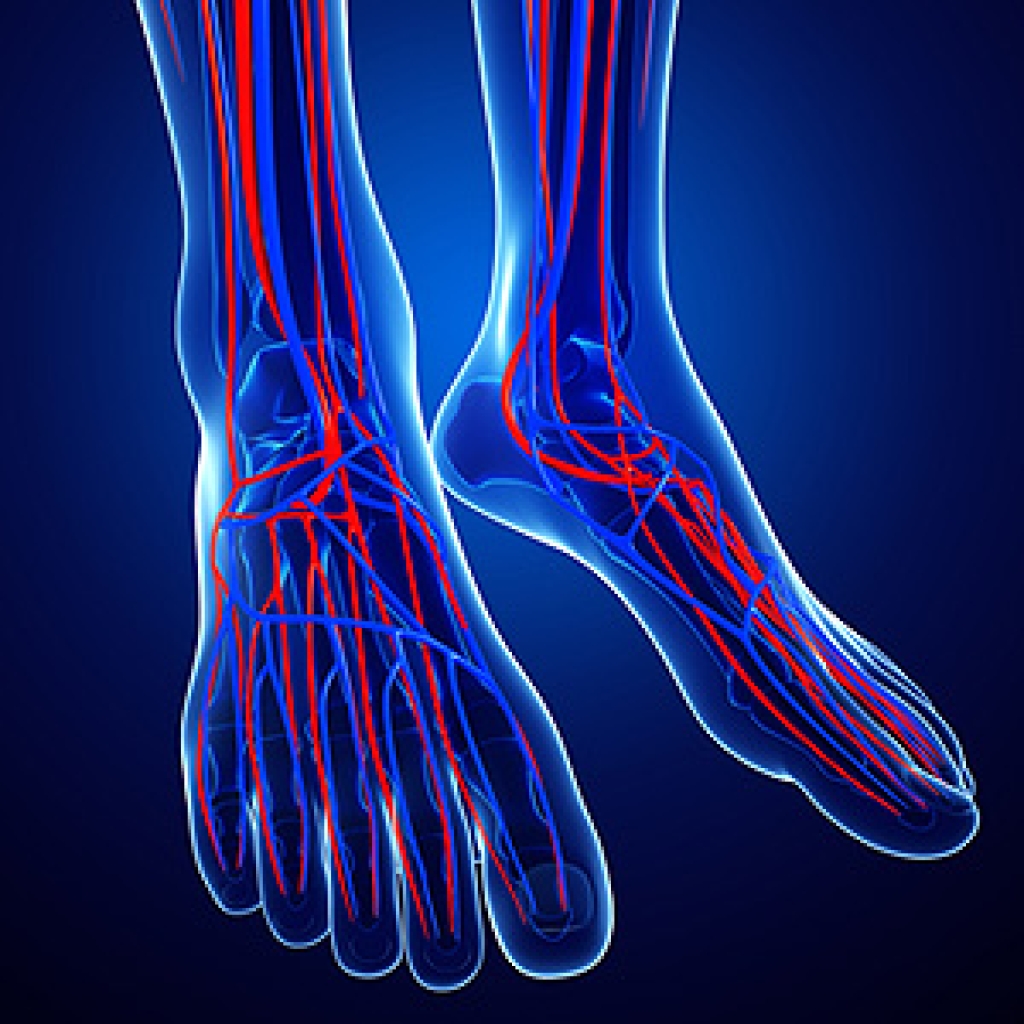 The circulatory system transports oxygen, nutrients, and blood throughout the body. Poor circulation is when blood flow to various parts of the body is inadequate. Frequently, poor circulation occurs in the legs and feet. Fortunately, there are ways you can improve poor circulation. Eating a balanced diet, drinking more water, exercising, and quitting smoking are all actions that you can take to improve your overall health, in addition to improving your circulation. Elevating your feet, getting a foot massage, taking warm baths, using a compression garment can also improve poor circulation. You should also see your doctor regularly for checkups to monitor your circulation. If you experience poor circulation to your legs and feet, a podiatrist can also help by finding treatments that work for you.
Poor circulation is a serious condition and needs immediate medical attention. If you have any concerns with poor circulation in your feet contact one of our podiatrists of Pennsylvania Foot & Ankle. Our doctors will treat your foot and ankle needs.
Poor Circulation in the Feet
Poor blood circulation in the feet and legs is can be caused by peripheral artery disease (PAD), which is the result of a buildup of plaque in the arteries.
Plaque buildup or atherosclerosis results from excess calcium and cholesterol in the bloodstream. This can restrict the amount of blood which can flow through the arteries. Poor blood circulation in the feet and legs are sometimes caused by inflammation in the blood vessels, known as vasculitis.
Causes
Lack of oxygen and oxygen from poor blood circulation restricts muscle growth and development. It can also cause:
Those who have diabetes or smoke are at greatest risk for poor circulation, as are those who are over 50. If you have poor circulation in the feet and legs it may be caused by PAD and is important to make changes to your lifestyle in order to reduce risk of getting a heart attack or stroke. Exercise and maintaining a healthy lifestyle will dramatically improve conditions.
As always, see a podiatrist as he or she will assist in finding a regimen that suits you. A podiatrist can also prescribe you any needed medication.
If you have any questions, please feel free to contact one of our offices located in Bensalem, Philadelphia, Northeast Philadelphia, Yardley, PA, and Hamilton, NJ . We offer the newest diagnostic and treatment technologies for all your foot care needs.

Your feet are covered most of the day. If you're diabetic, periodic screening is important for good health. Numbness is often a sign of diabetic foot and can mask a sore or wound.
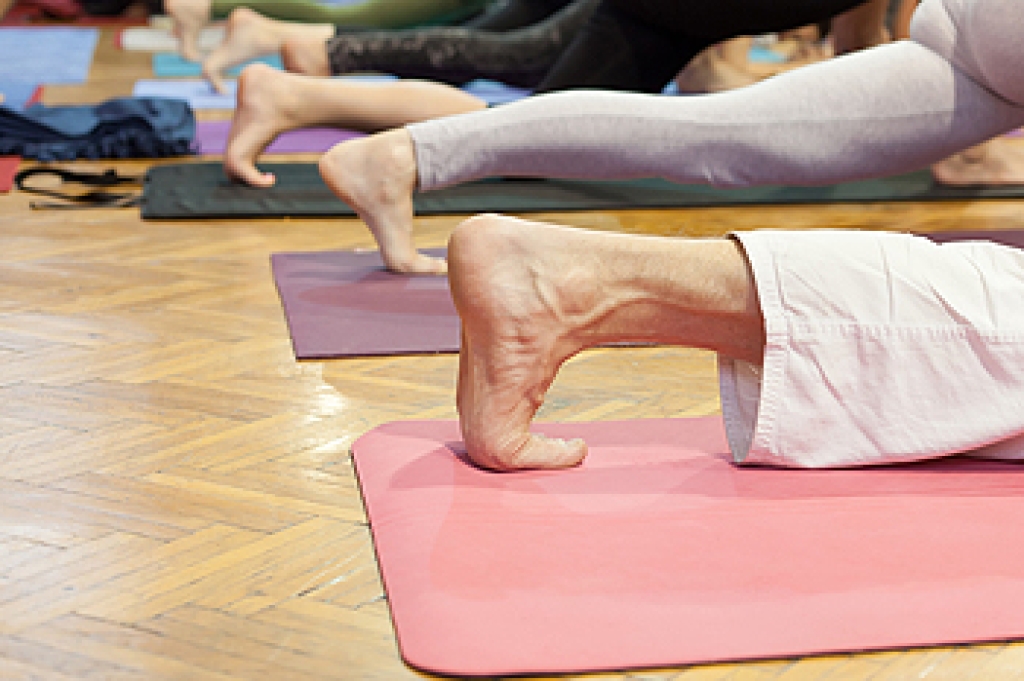 There are specific stretches that can be performed which can benefit the feet and ankles. Calf stretches are helpful in stretching the Achilles tendon, which is located at the back of the leg. Its purpose is to connect the heel to the calf muscles, and stretching this tendon will help to keep it flexible. This can be accomplished by standing on a step, and gently lowering one heel at a time. The top of the foot can be strengthened by picking up marbles with the toes, and slowly releasing them. Performing a towel pull is an effective stretch to keep the overall foot strong. This is done by sitting down with your legs in front of you, putting a towel across the bottom of your feet, and pulling it toward you. When the proper foot stretches are frequently practiced, muscle cramps may possibly be prevented. If you would like additional information about stretching exercises for the feet, please consult with a podiatrist.
Stretching the feet is a great way to prevent injuries. If you have any concerns with your feet consult with one of our podiatrists from Pennsylvania Foot & Ankle. Our doctors will assess your condition and provide you with quality foot and ankle treatment.
Stretching the Feet
Stretching the muscles in the foot is an important part in any physical activity. Feet that are tight can lead to less flexibility and make you more prone to injury. One of the most common forms of foot pain, plantar fasciitis, can be stretched out to help ease the pain. Stretching can not only ease pain from plantar fasciitis but also prevent it as well. However, it is important to see a podiatrist first if stretching is right for you. Podiatrists can also recommend other ways to stretch your feet. Once you know whether stretching is right for you, here are some excellent stretches you can do.
It is best to go easy when first stretching your foot and work your way up. If your foot starts hurting, stop exercising and ice and rest the foot. It is advised to then see a podiatrist for help.
If you have any questions please contact one of our offices located in Bensalem, Philadelphia, Northeast Philadelphia, Yardley, PA, and Hamilton, NJ . We offer the newest diagnostic and treatment technologies for all your foot and ankle needs.
Connect With Us
