Connect With Us
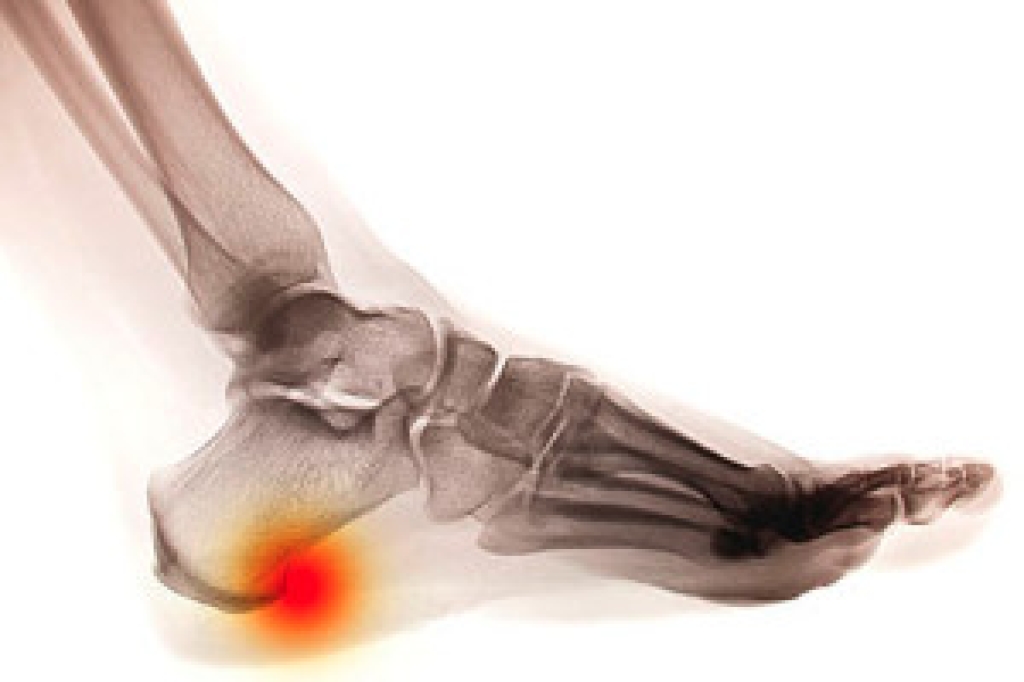
A small growth on the bottom of the heel bone may indicate a heel spur. Patients who have plantar fasciitis may have heel spurs, and this affects the tendon that runs along the bottom of the foot. People who are afflicted with heel spurs often notice heel pain after arising in the morning, and mild relief may be found while walking. The pain may become worse if running or participating in sporting activities, and it is beneficial to rest and elevate the affected foot. It may be helpful to take anti-inflammatory medications which may partially reduce existing pain. If you have the symptoms of a heel spur, it is strongly suggested that you speak to a podiatrist who can recommend the correct treatment options for you, which may include custom-made orthotics.
Heel spurs can be incredibly painful and sometimes may make you unable to participate in physical activities. To get medical care for your heel spurs, contact one of our podiatrists from Pennsylvania Foot & Ankle. Our doctors will do everything possible to treat your condition.
Heels Spurs
Heel spurs are formed by calcium deposits on the back of the foot where the heel is. This can also be caused by small fragments of bone breaking off one section of the foot, attaching onto the back of the foot. Heel spurs can also be bone growth on the back of the foot and may grow in the direction of the arch of the foot.
Older individuals usually suffer from heel spurs and pain sometimes intensifies with age. One of the main condition's spurs are related to is plantar fasciitis.
Pain
The pain associated with spurs is often because of weight placed on the feet. When someone is walking, their entire weight is concentrated on the feet. Bone spurs then have the tendency to affect other bones and tissues around the foot. As the pain continues, the feet will become tender and sensitive over time.
Treatments
There are many ways to treat heel spurs. If one is suffering from heel spurs in conjunction with pain, there are several methods for healing. Medication, surgery, and herbal care are some options.
If you have any questions, please feel free to contact one of our offices located in Bensalem, Philadelphia, Northeast Philadelphia, Yardley, PA, and Hamilton, NJ . We offer the newest diagnostic and treatment technologies for all your foot care needs.

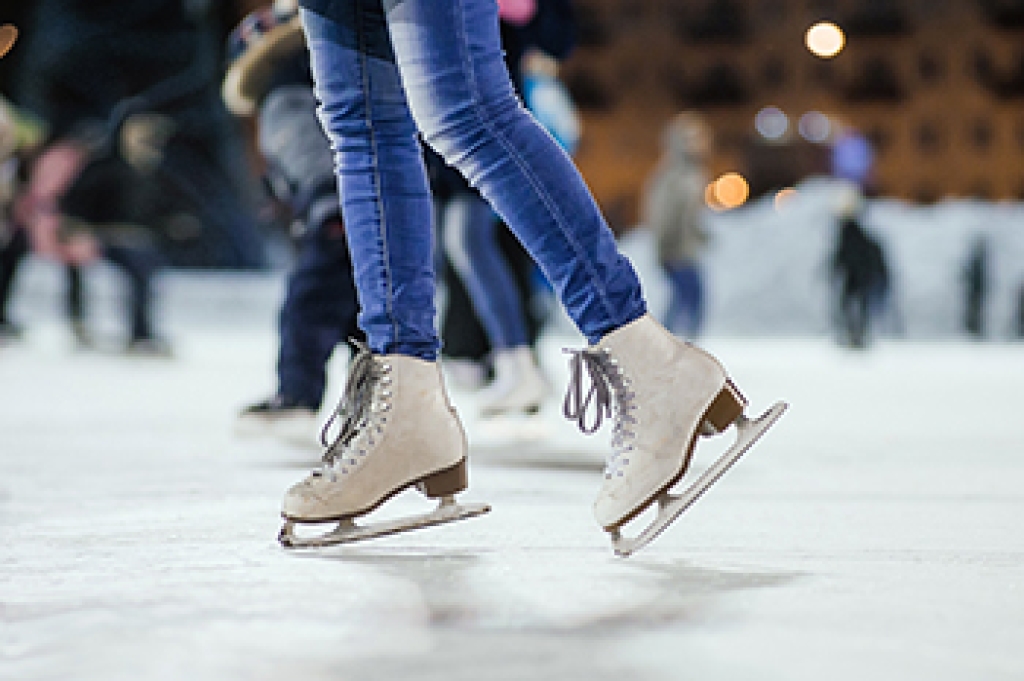
Ankle pain is common among ice skaters due to abrupt starts and stops, repetitive movements, and long hours spent on the ice. These actions place continuous stress on the ankle joints and surrounding muscles, which can lead to inflammation and discomfort. Prevention begins with using properly fitting skates that offer the right degree of flexibility to support the ankle without restricting natural movement. Strengthening and stretching exercises also help improve stability and reduce strain during skating sessions. A podiatrist can assess ankle alignment, identify overuse issues, and recommend custom supports or treatment to relieve pain and prevent further injury. If you have sustained an ankle injury from ice skating, it is suggested that you consult a podiatrist who can offer effective relief, treatment and prevention tips.
Sports related foot and ankle injuries require proper treatment before players can go back to their regular routines. For more information, contact one of our podiatrists of Pennsylvania Foot & Ankle. Our doctors can provide the care you need to keep you pain-free and on your feet.
Sports Related Foot and Ankle Injuries
Foot and ankle injuries are a common occurrence when it comes to athletes of any sport. While many athletes dismiss the initial aches and pains, the truth is that ignoring potential foot and ankle injuries can lead to serious problems. As athletes continue to place pressure and strain the area further, a mild injury can turn into something as serious as a rupture and may lead to a permanent disability. There are many factors that contribute to sports related foot and ankle injuries, which include failure to warm up properly, not providing support or wearing bad footwear. Common injuries and conditions athletes face, including:
Sports related injuries are commonly treated using the RICE method. This includes rest, applying ice to the injured area, compression and elevating the ankle. More serious sprains and injuries may require surgery, which could include arthroscopic and reconstructive surgery. Rehabilitation and therapy may also be required in order to get any recovering athlete to become fully functional again. Any unusual aches and pains an athlete sustains must be evaluated by a licensed, reputable medical professional.
If you have any questions please contact one of our offices located in Bensalem, Philadelphia, Northeast Philadelphia, Yardley, PA, and Hamilton, NJ . We offer the newest diagnostic and treatment technologies for all your foot and ankle needs.

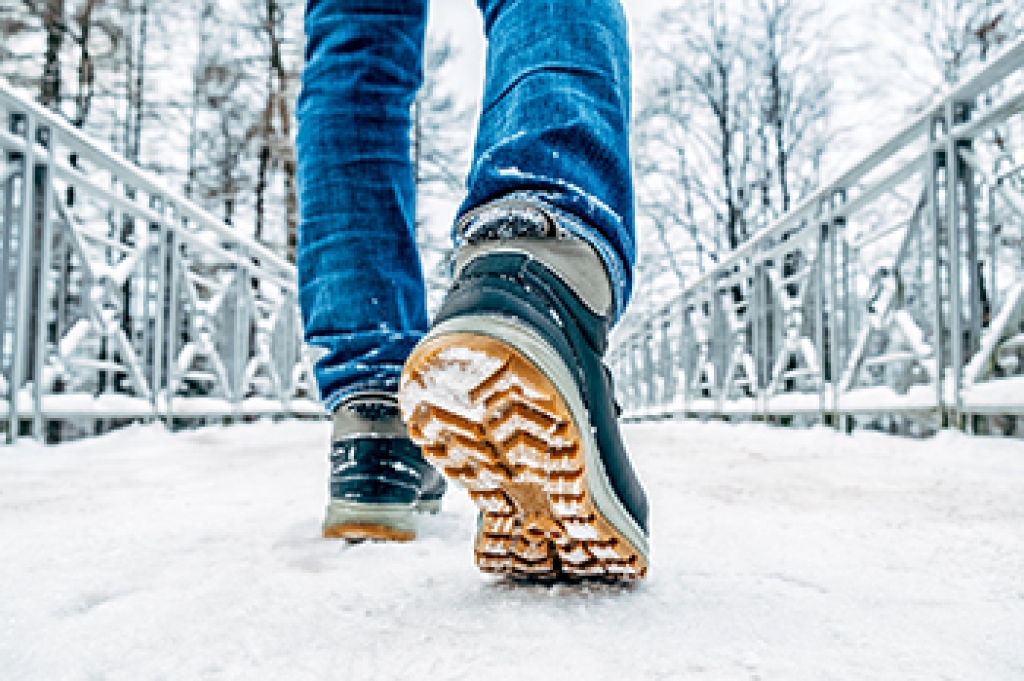
Wearing the right shoes while working in the cold weather is essential for protecting your feet, maintaining comfort, and preventing injury. Wool sneakers or high-top shoes provide warmth and flexibility, keeping feet insulated while allowing natural movement. Leather boots offer durability, support, and water resistance, making them ideal for demanding tasks in snowy or wet conditions. For active winter days, lightweight shoes with good traction provide comfort and help prevent slips or falls. Wearing proper footwear also supports circulation and reduces the risk of frostbite or cold-related discomfort. A podiatrist can assess your foot structure, recommend the best shoes for your work environment, and provide guidance to prevent cold-weather foot problems. If you have foot pain from wearing the wrong shoes for the environment during your workday, it is suggested that you schedule a visit with a podiatrist who can offer effective relief tips and guide you on the correct shoes to wear.
While working on the feet, it is important to take the proper care of them. For more information about working on your feet, contact one of our podiatrists from Pennsylvania Foot & Ankle. Our doctors will treat your foot and ankle needs.
Working on Your Feet
Standing on your feet for long periods of time can cause stress and pain in your feet. Your whole body may experience change in terms of posture, back pain, bunions, callouses and or plantar warts. There are ways to avoid these conditions with proper foot care, smart choices and correct posture.
Positive Changes
Negative heeled shoe – Choosing this shoe type places the heel slightly lower than the ball of the foot. These are great for overall foot health. Find shoes that fit you correctly.
Go barefoot – Our feet were not designed to be enclosed for all hours of the day. Try to periodically expose your feet to air.
Eliminate Pain
Foot Exercises – Performing simple exercises, incorporating yoga and doing stretches are beneficial. This will allow increased blood flow to the area and muscles of the foot.
Achilles tendon – Stretching the foot out flat on the floor will relax the calf muscles and tendon. These exercises can be performed almost anywhere. Make sure you add these exercises to your daily regimen.
With a little bit of this information and knowing more about foot health, you will notice changes. Foot stretches and proper footwear will help with pain and prevent further issues.
If you have any questions please contact one of our offices located in Bensalem, Philadelphia, Northeast Philadelphia, Yardley, PA, and Hamilton, NJ . We offer the newest diagnostic and treatment technologies for all your foot and ankle needs.
Connect With Us