Heel Pain From Plantar Fasciitis

Plantar fasciitis is one of the most common causes of heel pain. It happens when the thick band of tissue that connects the heel to the toes becomes irritated or strained. This band, called the plantar fascia, helps support the arch of the foot. When it becomes inflamed, it can cause sharp pain that is often worse first thing in the morning, or after long periods of inactivity. Anyone can develop plantar fasciitis, although it is more common in people who spend a lot of time on their feet, wear unsupportive shoes, or have flat feet or very high arches. While the condition can be stubborn, it often improves with proper treatment. Rest, targeted stretching exercises, supportive footwear, and custom orthotics may ease symptoms, and a podiatrist can recommend additional therapies, if needed. If heel pain is interfering with your daily life, it is suggested that you see a podiatrist for effective relief and treatment solutions.

Plantar fasciitis is a common foot condition that is often caused by a strain injury. If you are experiencing heel pain or symptoms of plantar fasciitis, contact one of our podiatrists from Pennsylvania Foot & Ankle. Our doctors can provide the care you need to keep you pain-free and on your feet.

What Is Plantar Fasciitis?

Plantar fasciitis is one of the most common causes of heel pain. The plantar fascia is a ligament that connects your heel to the front of your foot. When this ligament becomes inflamed, plantar fasciitis is the result. If you have plantar fasciitis you will have a stabbing pain that usually occurs with your first steps in the morning. As the day progresses and you walk around more, this pain will start to disappear, but it will return after long periods of standing or sitting.

What Causes Plantar Fasciitis?

  • Excessive running
  • Having high arches in your feet
  • Other foot issues such as flat feet
  • Pregnancy (due to the sudden weight gain)
  • Being on your feet very often

There are some risk factors that may make you more likely to develop plantar fasciitis compared to others. The condition most commonly affects adults between the ages of 40 and 60. It also tends to affect people who are obese because the extra pounds result in extra stress being placed on the plantar fascia.

Prevention

  • Take good care of your feet – Wear shoes that have good arch support and heel cushioning.
  • Maintain a healthy weight
  • If you are a runner, alternate running with other sports that won’t cause heel pain

There are a variety of treatment options available for plantar fasciitis along with the pain that accompanies it. Additionally, physical therapy is a very important component in the treatment process. It is important that you meet with your podiatrist to determine which treatment option is best for you.

If you have any questions, please feel free to contact one of our offices located in Bensalem, Philadelphia, Northeast Philadelphia, Yardley, PA, and Hamilton, NJ . We offer the newest diagnostic and treatment technologies for all your foot care needs.
 

Read more about Plantar Fasciitis

Common Causes and Locations of Foot Pain

Foot pain is a common issue that can affect people of all ages, and the causes can vary. One of the most common causes is plantar fasciitis, which results in pain at the bottom of the heel and arch, often felt during the first steps in the morning. Foot osteoarthritis can cause pain in the joints of the foot, particularly the big toe, leading to stiffness and swelling. Another cause is posterior tibial tendonitis, which affects the inner ankle and can radiate through the arch, leading to pain and difficulty with movement. Additionally, tarsal tunnel syndrome, caused by compression of the tibial nerve, results in pain, tingling, or numbness on the inside of the foot and ankle. If you have any type of foot pain, it is strongly suggested that you promptly contact a podiatrist who can accurately diagnose and treat various foot conditions. 

Foot Pain

Foot pain can be extremely painful and debilitating. If you have a foot pain, consult with one of our podiatrists from Pennsylvania Foot & Ankle. Our doctors will assess your condition and provide you with quality foot and ankle treatment.

Causes

Foot pain is a very broad condition that could be caused by one or more ailments. The most common include:

  • Bunions
  • Hammertoes
  • Plantar Fasciitis
  • Bone Spurs
  • Corns
  • Tarsal Tunnel Syndrome
  • Ingrown Toenails
  • Arthritis (such as Gout, Rheumatoid, and Osteoarthritis)
  • Flat Feet
  • Injury (from stress fractures, broken toe, foot, ankle, Achilles tendon ruptures, and sprains)
  • And more

Diagnosis

To figure out the cause of foot pain, podiatrists utilize several different methods. This can range from simple visual inspections and sensation tests to X-rays and MRI scans. Prior medical history, family medical history, and any recent physical traumatic events will all be taken into consideration for a proper diagnosis.

Treatment

Treatment depends upon the cause of the foot pain. Whether it is resting, staying off the foot, or having surgery; podiatrists have a number of treatment options available for foot pain.

If you have any questions, please feel free to contact one of our offices located in Bensalem, Philadelphia, Northeast Philadelphia, Yardley, PA, and Hamilton, NJ . We offer the newest diagnostic and treatment technologies for all your foot care needs.
Read more about Foot Pain

The Benefits of Wearing Shoes That Fit Properly

When shoes fit correctly, it can be easier to complete daily activities. Wearing the right shoes may be helpful in protecting the body from injury, and the feet will generally feel comfortable. This is a result of proper support and adequate cushioning in the shoes. Research has indicated that it is beneficial to purchase shoes in the afternoon, when the feet are typically at their largest. It is important to ensure the toes have ample room to move freely, in addition to making sure your heels do not slip in the shoe. The type of shoes that are worn can influence the way you walk, and may affect the arches, joints, and foot muscles. If you would like to know more information about how to purchase properly fitted shoes, it is suggested that you consult with a podiatrist. 

Getting the right shoe size is an important part of proper foot health. Seek the assistance of one of our podiatrists from Pennsylvania Foot & Ankle. Our doctors will provide the care you need to keep you pain-free and on your feet.

Getting the Right Shoe Size

There are many people who wear shoes that are the incorrect size, negatively affecting their feet and posture. Selecting the right shoes is not a difficult process, so long as you keep several things in mind when it comes to choosing the right pair.

  • When visiting the shoe store, use the tools available to measure your foot.
  • Be sure there is ‘wiggle room’. There should be about an inch between your toes and the tip of your shoes.
  • Do not always assume you are the same size, as manufacturers run differently.
  • Purchase shoes later in the day, as your feet swell as the day progresses.
  • If a shoe is not comfortable, it is not suitable. Most shoes can’t be ‘broken in’, and comfort should be the ultimate goal when it comes to choosing the right pair of shoes

As our feet hold our body weight and keep us moving, it is important to treat them right. Picking the right pair of shoes can provide your feet comfort and mobility without pain.

If you have any questions, please feel free to contact one of our offices located in Bensalem, Philadelphia, Northeast Philadelphia, Yardley, PA, and Hamilton, NJ . We offer the newest diagnostic and treatment technologies for all your foot care needs.
Read more about Getting the Right Shoe Size

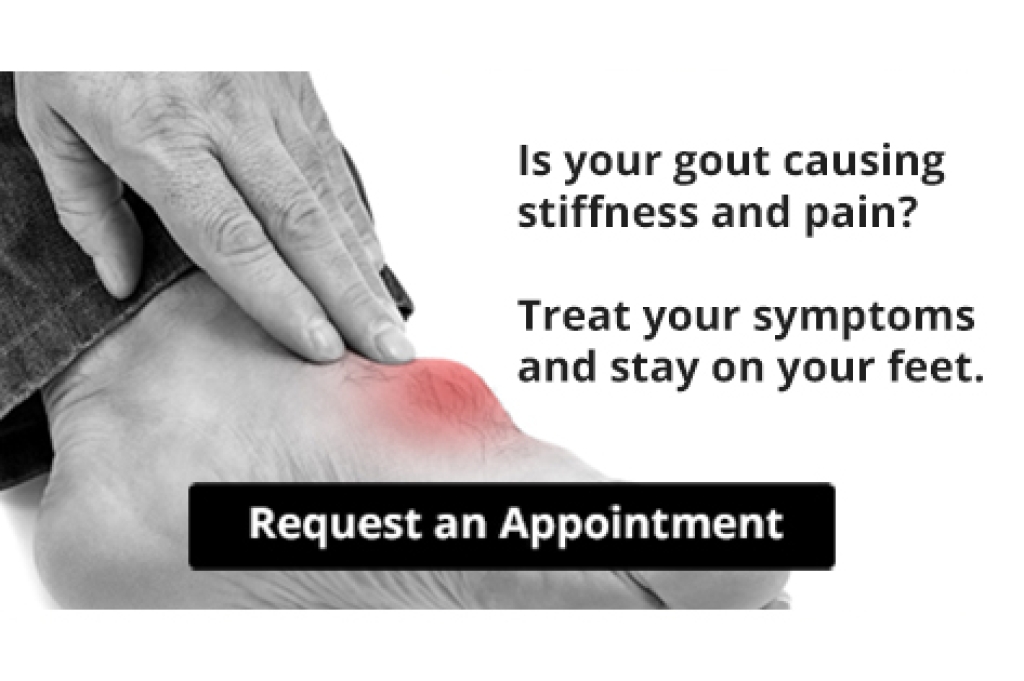
Gout Pain Can Be Managed

Gout is a painful, inflammatory form of arthritis. Those affected will typically feel an intense stiffness in the joints of their feet, particularly in the big toe. Schedule a visit to learn about how gout can be managed and treated.

Athlete’s Foot and Common Symptoms

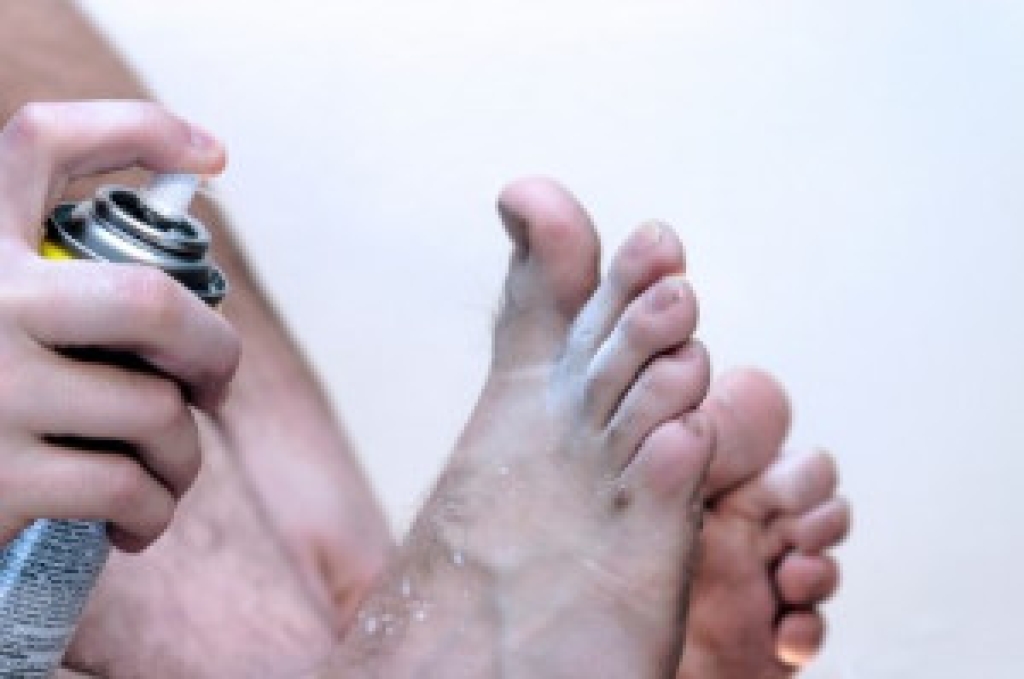
The medical term for athlete’s foot is tinea pedis. It is an infection caused by a fungus that lives and thrives in warm and moist environments. This fungus can enter the body through tiny cracks in the skin of the feet and can cause uncomfortable symptoms. These include itchy skin on the bottom of the feet or between the toes, and the affected area may burn. In severe cases, blisters may develop and ooze, and can often appear unsightly. There are measures that can be implemented that may help to prevent athlete’s foot. These can consist of wearing appropriate shoes while in public pools, showers, and surrounding areas, in addition to refraining from sharing towels, shoes, and socks. If you have symptoms of athlete's foot, it is suggested that you make an appointment with a podiatrist who can offer you treatment options.

Athlete’s foot is an inconvenient condition that can be easily reduced with the proper treatment. If you have any concerns about your feet and ankles, contact one of our podiatrists from Pennsylvania Foot & Ankle.  Our doctors will treat your foot and ankle needs.

Athlete’s Foot: The Sole Story

Athlete's foot, also known as tinea pedis, can be an extremely contagious foot infection. It is commonly contracted in public changing areas and bathrooms, dormitory style living quarters, around locker rooms and public swimming pools, or anywhere your feet often come into contact with other people.

Solutions to Combat Athlete’s Foot

  • Hydrate your feet by using lotion
  • Exfoliate
  • Buff off nails
  • Use of anti-fungal products
  • Examine your feet and visit your doctor if any suspicious blisters or cuts develop

Athlete’s foot can cause many irritating symptoms such as dry and flaking skin, itching, and redness. Some more severe symptoms can include bleeding and cracked skin, intense itching and burning, and even pain when walking. In the worst cases, Athlete’s foot can cause blistering as well. Speak to your podiatrist for a better understanding of the different causes of Athlete’s foot, as well as help in determining which treatment options are best for you.

If you have any questions please feel free to contact one of our offices located in Bensalem, Philadelphia, Northeast Philadelphia, Yardley, PA, and Hamilton, NJ . We offer the newest diagnostic and treatment technologies for all your foot and ankle needs.

Read more about Athlete’s Foot

Connect With Us