Why Do I Feel Like I’m Walking on a Pebble?

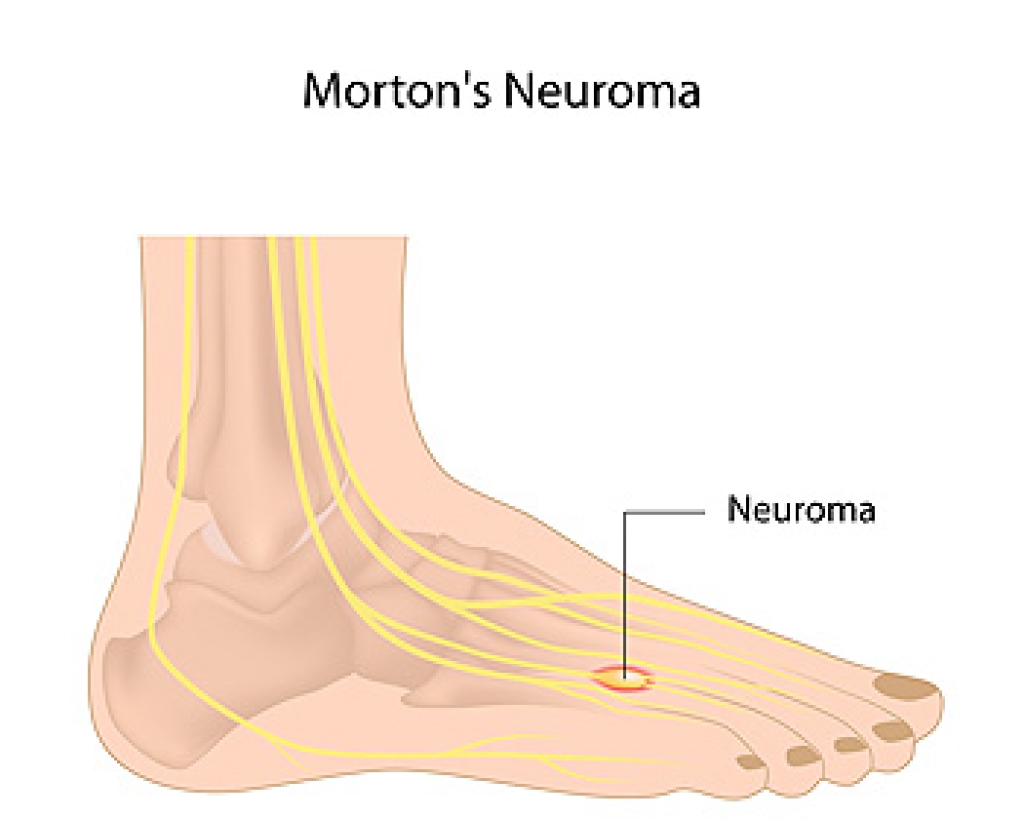
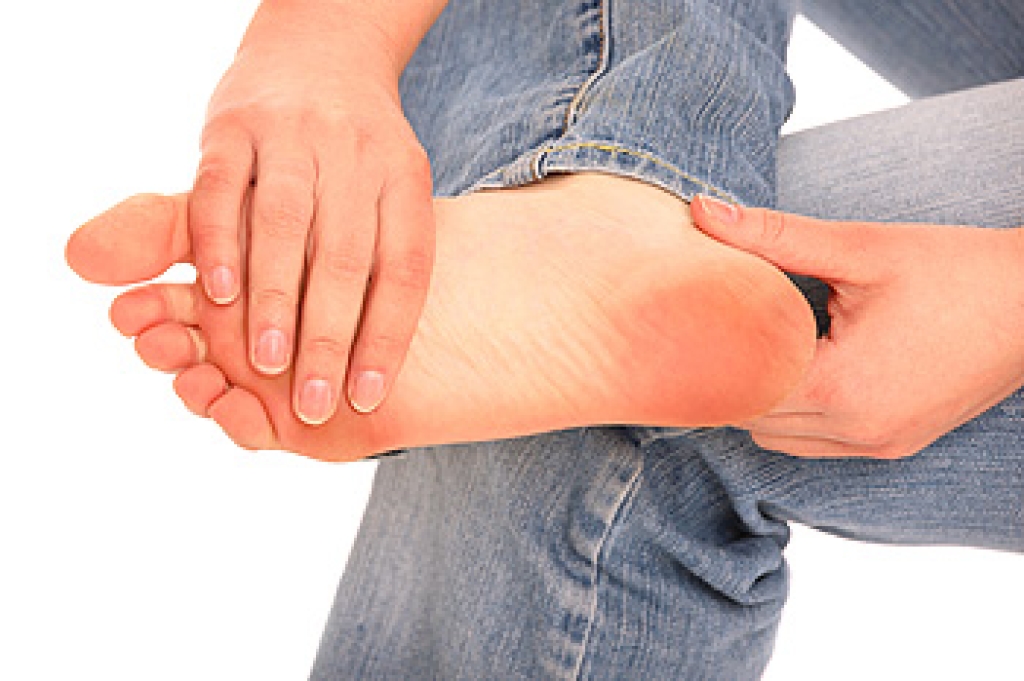
Compression or irritation of the nerve between the third and fourth toes can cause the nerve to thicken and become painful. This is known as Morton’s Neuroma.  Along with pain in the ball of the foot, symptoms may include tingling, numbness, burning, or the feeling of a pebble being stuck in your shoe. Morton’s Neuroma can be caused by injuries to the area, high heels and other footwear with a narrow toe box, or physical activities that cause repetitive stress on the ball of the foot such as running and tennis. Foot conditions such as hammertoes, flat feet, and bunions may increase the chances of developing Morton’s Neuroma. Early detection and treatment such as activity and shoe modification, injection therapy, icing, padding, and the use of orthotic devices can help avoid more invasive treatments or surgery. If you believe you may have Morton’s Neuroma, make an appointment with a podiatrist.

Morton’s neuroma is a very uncomfortable condition to live with. If you think you have Morton’s neuroma, contact one of our podiatrists of Pennsylvania Foot & Ankle. Our doctors will attend to all of your foot care needs and answer any of your related questions.  

Morton’s Neuroma

Morton's neuroma is a painful foot condition that commonly affects the areas between the second and third or third and fourth toe, although other areas of the foot are also susceptible. Morton’s neuroma is caused by an inflamed nerve in the foot that is being squeezed and aggravated by surrounding bones.

What Increases the Chances of Having Morton’s Neuroma?

  • Ill-fitting high heels or shoes that add pressure to the toe or foot
  • Jogging, running or any sport that involves constant impact to the foot
  • Flat feet, bunions, and any other foot deformities

Morton’s neuroma is a very treatable condition. Orthotics and shoe inserts can often be used to alleviate the pain on the forefront of the feet. In more severe cases, corticosteroids can also be prescribed. In order to figure out the best treatment for your neuroma, it’s recommended to seek the care of a podiatrist who can diagnose your condition and provide different treatment options.

If you have any questions, please feel free to contact one of our offices located in Bensalem, Philadelphia, Northeast Philadelphia, Yardley, PA, and Hamilton, NJ . We offer the newest diagnostic and treatment technologies for all your foot care needs.
Read more about Morton's Neuroma

Ways Older Adults Can Reduce the Risks of Falling

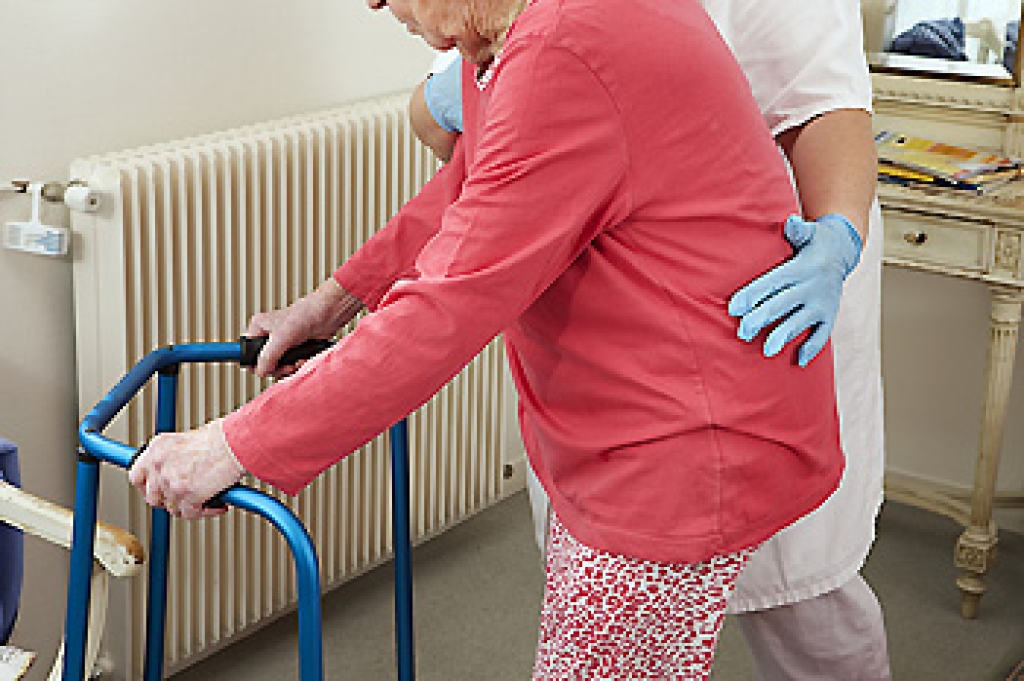
Falling is hazardous no matter how old you are, but it can be particularly dangerous for senior citizens. Here are seven ways older adults can reduce or eliminate their risk of falling: 1) Have their vision checked regularly. 2) Be careful on the stairs with one hand always on the handrail. 3) Check that medications do not cause drowsiness or dizziness. 4) Remove tripping hazards such as loose carpets and clutter. 5) Install grab bars in the bathroom and tub. 6) Light the home adequately, and 7) wear supportive footwear that fits properly. In addition, older adults should have their feet checked regularly by a podiatrist who can address any pain, balance, or mobility issues they may be experiencing.

Preventing falls among the elderly is very important. If you are older and have fallen or fear that you are prone to falling, consult with one of our podiatrists from Pennsylvania Foot & Ankle. Our doctors will assess your condition and provide you with quality advice and care.

Every 11 seconds, an elderly American is being treated in an emergency room for a fall related injury. Falls are the leading cause of head and hip injuries for those 65 and older. Due to decreases in strength, balance, senses, and lack of awareness, elderly persons are very susceptible to falling. Thankfully, there are a number of things older persons can do to prevent falls.

How to Prevent Falls

Some effective methods that older persons can do to prevent falls include:

  • Enrolling in strength and balance exercise program to increase balance and strength
  • Periodically having your sight and hearing checked
  • Discuss any medications you have with a doctor to see if it increases the risk of falling
  • Clearing the house of falling hazards and installing devices like grab bars and railings
  • Utilizing a walker or cane
  • Wearing shoes that provide good support and cushioning
  • Talking to family members about falling and increasing awareness

Falling can be a traumatic and embarrassing experience for elderly persons; this can make them less willing to leave the house, and less willing to talk to someone about their fears of falling. Doing such things, however, will increase the likelihood of tripping or losing one’s balance. Knowing the causes of falling and how to prevent them is the best way to mitigate the risk of serious injury.  

If you have any questions, please feel free to contact one of our offices located in Bensalem, Philadelphia, Northeast Philadelphia, Yardley, PA, and Hamilton, NJ . We offer the newest diagnostic and treatment technologies for all your foot care needs.
Read more about Falls Prevention

Several Types of Foot Pain

There are several different types of foot pain that exist. An ankle impingement can  occur as a result of repetitive movement or from a sudden injury. This condition may have the same symptoms of an ankle sprain, and it may cause difficulty in walking. Children may experience heel pain, which may be indicative of Sever’s disease. This is an ailment that affects the growth plate in the heel, and the pain may be severe when pressure is put on the heel. A common form of foot pain is known as plantar fasciitis, and this occurs when the plantar fascia becomes inflamed. The plantar fascia is a band of tissue that is found on the bottom of the foot, and it connects the heel to the toes. This condition can happen from wearing shoes that do not fit correctly, or from standing on hard surfaces for the majority of the day. If you have any type of foot pain, it is strongly suggested that you are under the care of a podiatrist who can diagnose and treat foot disorders.

Foot Pain

Foot pain can be extremely painful and debilitating. If you have a foot pain, consult with one of our podiatrists from Pennsylvania Foot & Ankle. Our doctors will assess your condition and provide you with quality foot and ankle treatment.

Causes

Foot pain is a very broad condition that could be caused by one or more ailments. The most common include:

  • Bunions
  • Hammertoes
  • Plantar Fasciitis
  • Bone Spurs
  • Corns
  • Tarsal Tunnel Syndrome
  • Ingrown Toenails
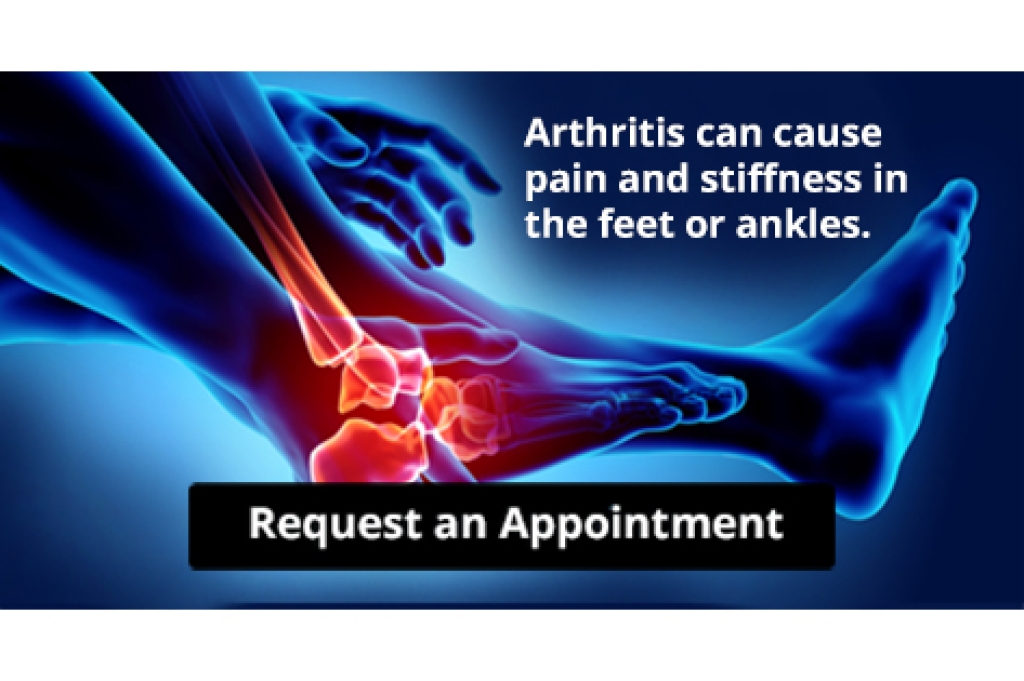
  • Arthritis (such as Gout, Rheumatoid, and Osteoarthritis)
  • Flat Feet
  • Injury (from stress fractures, broken toe, foot, ankle, Achilles tendon ruptures, and sprains)
  • And more

Diagnosis

To figure out the cause of foot pain, podiatrists utilize several different methods. This can range from simple visual inspections and sensation tests to X-rays and MRI scans. Prior medical history, family medical history, and any recent physical traumatic events will all be taken into consideration for a proper diagnosis.

Treatment

Treatment depends upon the cause of the foot pain. Whether it is resting, staying off the foot, or having surgery; podiatrists have a number of treatment options available for foot pain.

If you have any questions, please feel free to contact one of our offices located in Bensalem, Philadelphia, Northeast Philadelphia, Yardley, PA, and Hamilton, NJ . We offer the newest diagnostic and treatment technologies for all your foot care needs.
Read more about Foot Pain

Too Much Standing Can Be Bad For You

Once it was thought that sitting down too often was bad for one’s health, and that it is far better to stand. However, prolonged standing can also be bad for your overall health, and particularly for the health of your lower limbs. Standing for long periods of time can lead to muscle soreness and fatigue, as well as lower limb swelling. If in addition to standing all day, you also wear poorly-fitted or uncomfortable shoes, stand still without walking or stretching, and rarely take breaks to sit down, you may be at an increased risk of various foot and ankle problems, such as plantar fasciitis and varicose veins. If you stand for prolonged periods of time and are experiencing any pain or discomfort in your lower limbs, please see a podiatrist. 

While working on the feet, it is important to take the proper care of them. For more information about working on your feet, contact one of our podiatrists from Pennsylvania Foot & Ankle. Our doctors will treat your foot and ankle needs.

Working on Your Feet

Standing on your feet for long periods of time can cause stress and pain in your feet. Your whole body may experience change in terms of posture, back pain, bunions, callouses and or plantar warts. There are ways to avoid these conditions with proper foot care, smart choices and correct posture.

Positive Changes

Negative heeled shoe – Choosing this shoe type places the heel slightly lower than the ball of the foot. These are great for overall foot health. Find shoes that fit you correctly.

Go barefoot – Our feet were not designed to be enclosed for all hours of the day. Try to periodically expose your feet to air.

Eliminate Pain

Foot Exercises – Performing simple exercises, incorporating yoga and doing stretches are beneficial. This will allow increased blood flow to the area and muscles of the foot.

Achilles tendon – Stretching the foot out flat on the floor will relax the calf muscles and tendon. These exercises can be performed almost anywhere. Make sure you add these exercises to your daily regimen. 

With a little bit of this information and knowing more about foot health, you will notice changes. Foot stretches and proper footwear will help with pain and prevent further issues.

If you have any questions please contact one of our offices located in Bensalem, Philadelphia, Northeast Philadelphia, Yardley, PA, and Hamilton, NJ . We offer the newest diagnostic and treatment technologies for all your foot and ankle needs.

Read more about How to Handle a Long Work Day on Your Feet

Connect With Us