
Have your child's feet been examined lately? Healthy feet are happy feet. If your child is complaining of foot pain, it may be a sign of underlying problems.
Have your child's feet been examined lately? Healthy feet are happy feet. If your child is complaining of foot pain, it may be a sign of underlying problems.
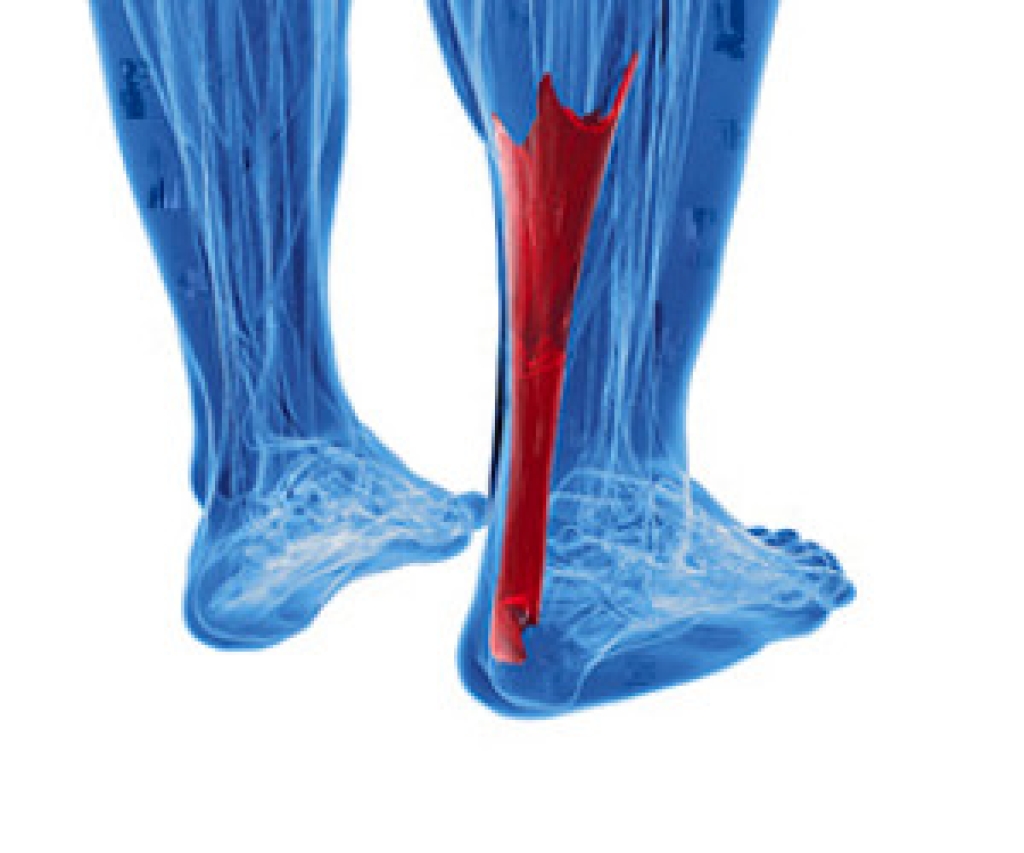 If you have severe pain in the back of your heel, you may have an Achilles tendon injury. It is the body’s thickest tendon, and it connects the back of the heel to the calf muscles. When the foot pushes forward while running, the Achilles tendon absorbs the force necessary for this to be accomplished. The beginning of an injury is typically represented by a dull ache in the back of the heel, and the pain will increase in severity if the running activity continues. There may be several causes for this type of injury to occur, including a poor range of motion in the ankle, calf muscles that are weakened, and having flat feet. Specific exercises that are practiced may aid in the healing of an Achilles tendon injury, and it’s recommended to see a podiatrist for a proper examination.
Achilles tendon injuries need immediate attention to avoid future complications. If you have any concerns, contact one of our podiatrists of Pennsylvania Foot & Ankle. Our doctors can provide the care you need to keep you pain-free and on your feet.
What Is the Achilles Tendon?
The Achilles tendon is a tendon that connects the lower leg muscles and calf to the heel of the foot. It is the strongest tendon in the human body and is essential for making movement possible. Because this tendon is such an integral part of the body, any injuries to it can create immense difficulties and should immediately be presented to a doctor.
What Are the Symptoms of an Achilles Tendon Injury?
There are various types of injuries that can affect the Achilles tendon. The two most common injuries are Achilles tendinitis and ruptures of the tendon.
Achilles Tendinitis Symptoms
Rupture Symptoms
Treatment and Prevention
Achilles tendon injuries are diagnosed by a thorough physical evaluation, which can include an MRI. Treatment involves rest, physical therapy, and in some cases, surgery. However, various preventative measures can be taken to avoid these injuries, such as:
If you have any questions please feel free to contact one of our offices located in Bensalem, Philadelphia, Northeast Philadelphia, Yardley, PA, and Hamilton, NJ . We offer the newest diagnostic tools and technology to treat your foot and ankle needs.
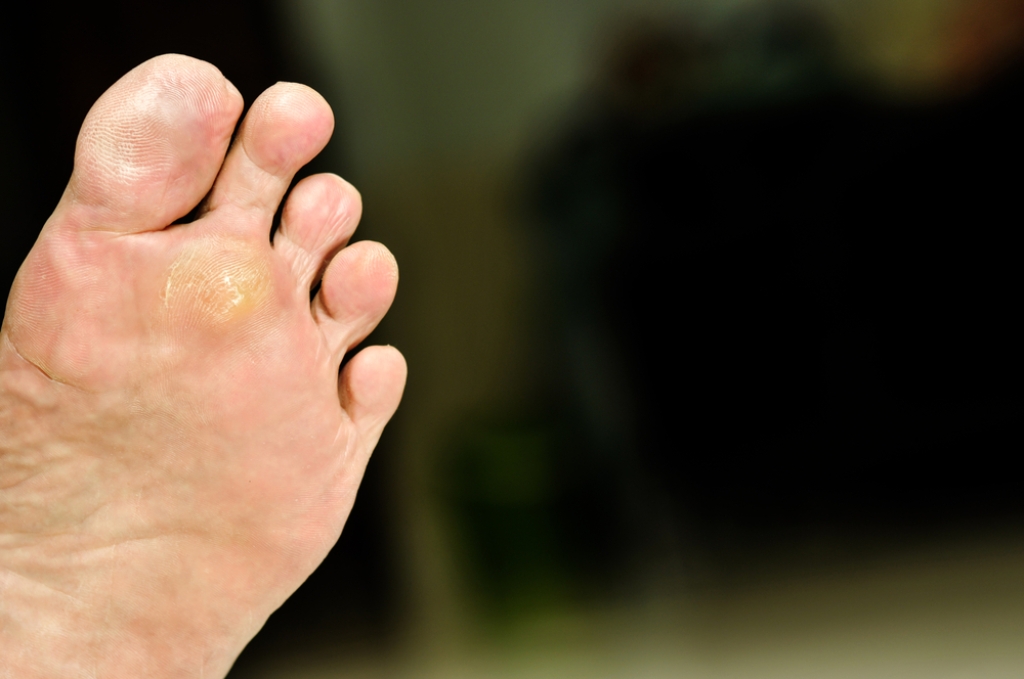 If you have a sore that produces pain on the bottom of your foot, you may have what is referred to as a plantar wart. A plantar wart generally causes severe discomfort and is caused by a virus that thrives in moist and warm environments. This type of wart will typically develop on the heel or ball of the foot, which can result in painful walking. It grows into the heel as a result of the pressure endured while walking, which is contrary to other types of warts that grow out. These types of warts originate from a virus that is known to be contagious and is generally found on wet surfaces. Common areas the virus may live on may include public showers, pools and surrounding surfaces. If you have this condition, it’s suggested to learn about preventive measures, including wearing appropriate shoes in showering areas, pools, and saunas. Please consult with a podiatrist for additional information about plantar warts and the correct treatment options for you.
Plantar warts can be very uncomfortable. If you need your feet checked, contact one of our podiatrists from Pennsylvania Foot & Ankle. Our doctors will assist you with all of your foot and ankle needs.
About Plantar Warts
Plantar warts are the result of HPV, or human papillomavirus, getting into open wounds on the feet. They are mostly found on the heels or balls of the feet.
While plantar warts are generally harmless, those experiencing excessive pain or those suffering from diabetes or a compromised immune system require immediate medical care. Plantar warts are easily diagnosed, usually through scraping off a bit of rough skin or by getting a biopsy.
Symptoms
Treatment
To help prevent developing plantar warts, avoid walking barefoot over abrasive surfaces that can cause cuts or wounds for HPV to get into. Avoiding direct contact with other warts, as well as not picking or rubbing existing warts, can help prevent the further spread of plantar warts. However, if you think you have developed plantar warts, speak to your podiatrist. He or she can diagnose the warts on your feet and recommend the appropriate treatment options.
If you have any questions, please feel free to contact one of our offices located in Bensalem, Philadelphia, Northeast Philadelphia, Yardley, PA, and Hamilton, NJ . We offer the newest diagnostic and treatment technologies for all your foot care needs.
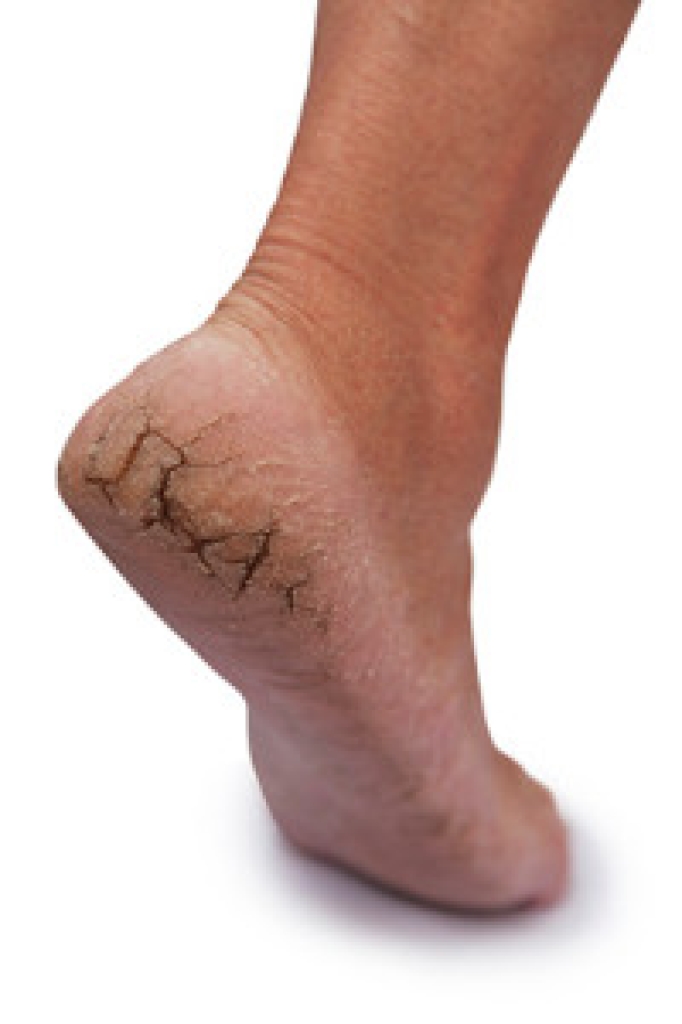 Cracked heels is a foot condition that typically develops from pressure endured by the feet from standing for long periods of time. Additional causes can include wearing shoes that fail to support the foot correctly or being overweight, possibly causing the skin on the heels to crack under the additional pressure. There may also be medical conditions that can contribute to developing this condition including athlete’s foot, psoriasis, or eczema. Lack of consuming proper amounts of water can lead to having cracked heels, so it’s wise to hydrate frequently to prevent the skin from becoming excessively dry. There are several ways to prevent this ailment from occurring, which may include dietary changes, choosing shoes that properly support the heel of the foot, and utilizing a moisturizer that will help the skin to soften. A consultation with a podiatrist is suggested for additional information on how to treat cracked heels.
Cracked heels are unsightly and can cause further damage to your shoes and feet. If you have any concerns, contact one of our podiatrists from Pennsylvania Foot & Ankle. Our doctors can provide the care you need to keep you pain-free and on your feet.
Cracked Heels
Cracked heels appear unappealing and can make it harder for you walk around in sandals. Aside from looking unpleasant, cracked heels can also tear stockings, socks, and wear out your shoes. There are several methods to help restore a cracked heel and prevent further damage.
How Do You Get Them?
Dry skin is the number one culprit in creating cracked heels. Many athletes, walkers, joggers, and even swimmers suffer from cracked heels. Age and skin oil production play a role to getting cracked heels as well.
Promote Healing
Over the counter medicines can help, especially for those that need instant relief or who suffer from chronic dry feet.
Wear Socks – Wearing socks with medicated creams helps lock in moisture.
Moisturizers – Applying both day and night will help alleviate dryness which causes cracking.
Pumice Stones – These exfoliate and remove dead skin, which allows for smoother moisturizer application and better absorption into the skin.
Change in Diet
Eating healthy with a well-balanced diet will give the skin a fresh and radiant look. Your body responds to the kinds of food you ingest. Omega-3 fatty acids and zinc supplements can also revitalize skin tissue.
Most importantly, seek professional help if unsure how to proceed in treating cracked heels. A podiatrist will help you with any questions or information needed.
If you have any questions, please feel free to contact one of our offices located in Bensalem, Philadelphia, Northeast Philadelphia, Yardley, PA, and Hamilton, NJ . We offer the newest diagnostic and treatment technologies for all your foot care needs.
Connect With Us