Gym Injuries

With increased sports and physical activity being done at gyms, being aware of injuries and how to prevent them is important. As with all body parts, harming one’s ankles and feet while at the gym is possible. The weight rack and treadmill are considered by experts to be the key culprits for injuries. Tips to avoid injuries at the gym include doing a proper warm-up and stretching before exercising, increasing frequency and intensity of movement at a steady pace, listening to the body, and adjusting workouts as needed. It is best to avoid sitting for long periods of time and to take multiple breaks throughout the day. If you should sustain an injury to your feet and ankles while at the gym, seek the counsel of a podiatrist who can make an accurate diagnosis and prescribe proper treatment. You will be able to get back to the gym as soon as possible if you give yourself time to properly heal.

Ankle and foot injuries are common among athletes and in many sports. They can be caused by several problems and may be potentially serious. If you are feeling pain or think you were injured in a sporting event or when exercising, consult with one of our podiatrists from Pennsylvania Foot & Ankle. Our doctors will assess your condition and provide you with quality foot and ankle treatment.

Common Injuries

The most common injuries that occur in sporting activities include:

  • Achilles Tendonitis
  • Achilles Tendon Rupture
  • Ankle Sprains
  • Broken Foot
  • Plantar Fasciitis
  • Stress Fractures
  • Turf Toe

Symptoms

Symptoms vary depending upon the injury and in some cases, there may be no symptoms at all. However, in most cases, some form of symptom is experienced. Pain, aching, burning, bruising, tenderness, tightness or stiffness, sensation loss, difficulty moving, and swelling are the most common symptoms.

Treatment

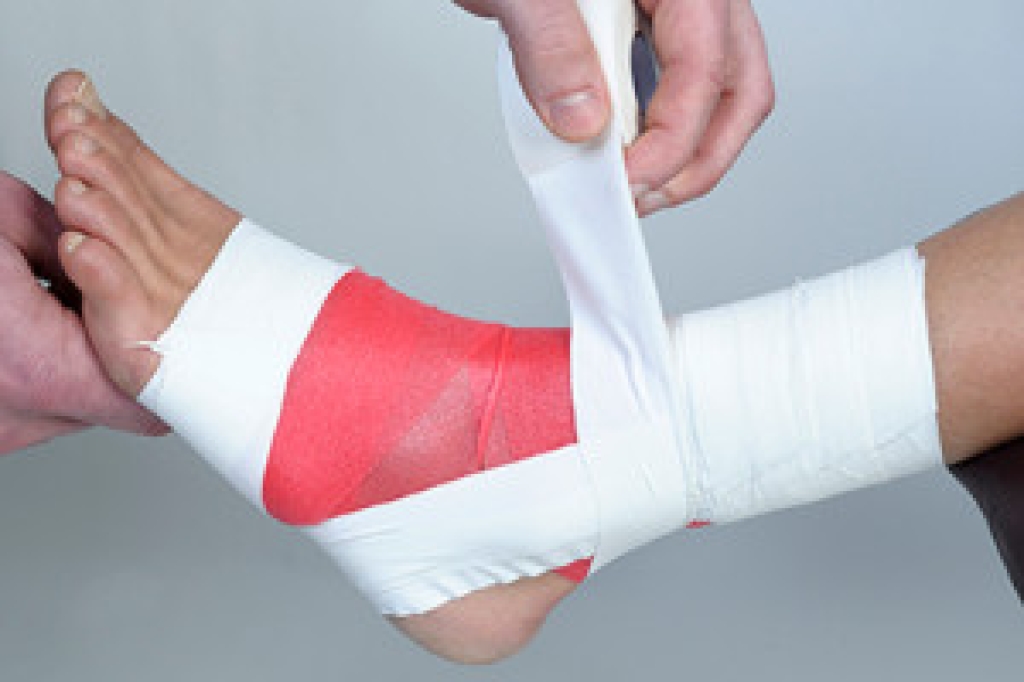
Just as symptoms vary depending upon the injury, so do treatment options. A common treatment method is known as the RICE method. This method involves rest, applying ice, compression and elevating the afflicted foot or ankle. If the injury appears to be more serious, surgery might be required, such as arthroscopic or reconstructive surgery. Lastly, rehabilitation or therapy might be needed to gain full functionality in the afflicted area. Any discomfort experienced by an athlete must be evaluated by a licensed, reputable medical professional.  

If you have any questions please contact one of our offices located in Bensalem, Philadelphia, Northeast Philadelphia, Yardley, PA, and Hamilton, NJ . We offer the newest diagnostic and treatment technologies for all your foot and ankle needs.
Read more about Sports Related Foot and Ankle Injuries

Swollen Feet Affects Most Pregnant Women

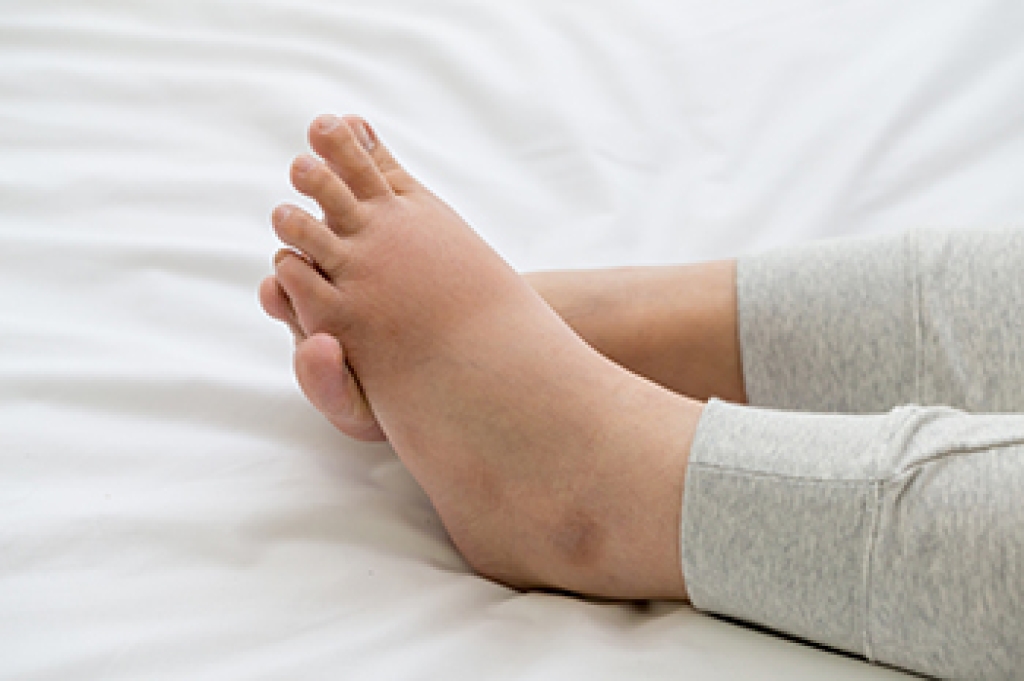
Swollen feet are a side effect that most pregnant women experience. The feet typically begin to swell in the second trimester and reach their peak during the last few weeks of pregnancy. This is a normal occurrence that happens when the blood becomes thicker, and the body produces more fluid to help support the growing baby. The excessive fluid will gradually decrease after the baby is born, but until that time, methods can be implemented which might help to ease the discomfort of swollen feet. These can include frequently elevating the feet, reducing caffeine intake, and drinking plenty of water daily. Many women who are pregnant during the summer may cool down by swimming or spending time in an air-conditioned room. If you have questions about how to alleviate swollen feet during pregnancy, please contact a podiatrist who can help you to feel more comfortable.

Pregnant women with swollen feet can be treated with a variety of different methods that are readily available. For more information about other cures for swollen feet during pregnancy, consult with one of our podiatrists from Pennsylvania Foot & Ankle. Our doctors will attend to all of your foot and ankle needs.

What Foot Problems Can Arise During Pregnancy?

One problem that can occur is overpronation, which occurs when the arch of the foot flattens and tends to roll inward.  This can cause pain and discomfort in your heels while you’re walking or even just standing up, trying to support your baby.  

Another problem is edema, or swelling in the extremities. This often affects the feet during pregnancy but tends to occur in the later stages. 

How Can I Keep My Feet Healthy During Pregnancy?

  • Wearing orthotics can provide extra support for the feet and help distribute weight evenly
  • Minimize the amount of time spent walking barefoot
  • Wear shoes with good arch support
  • Wear shoes that allow for good circulation to the feet
  • Elevate feet if you experience swelling
  • Massage your feet
  • Get regular, light exercise, such as walking, to promote blood circulation to the feet

If you have any questions, please feel free to contact one of our offices located in Bensalem, Philadelphia, Northeast Philadelphia, Yardley, PA, and Hamilton, NJ . We offer the newest diagnostic and treatment technologies for all your foot care needs.

Read more about Foot Care for Pregnant Women

It's Time for Beautiful Feet

You don't need an excuse to have beautiful nails. Step outside without worrying about the appearance of your feet.

Gout and the Big Toe

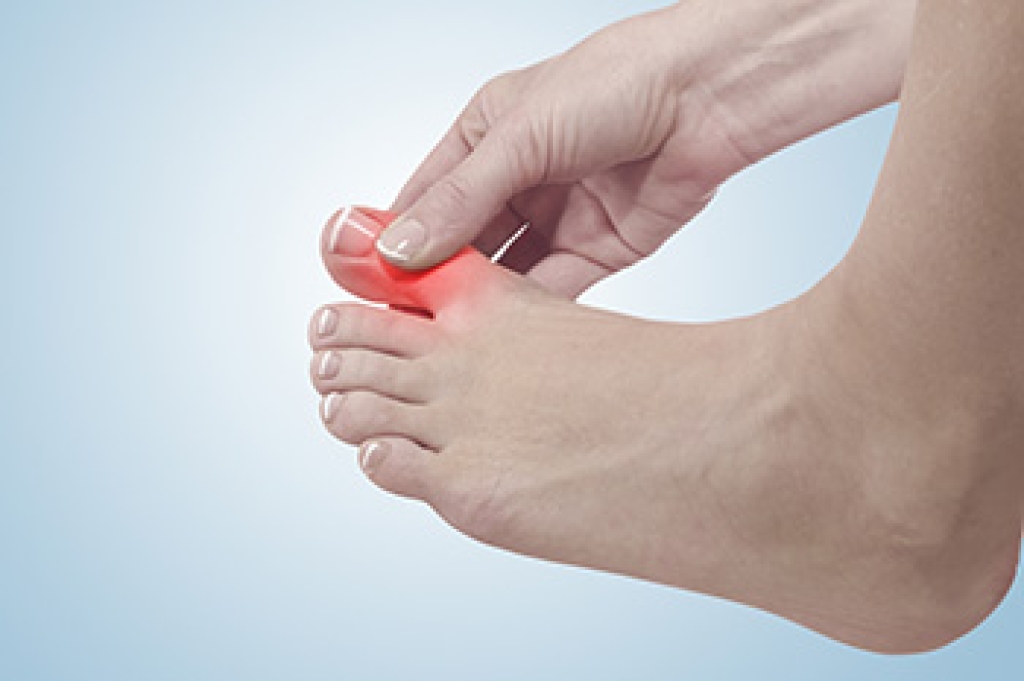
Different toes from the big toe to the small pinky toe can all be impacted by various afflictions of the feet. Gout is one such foot condition that can impact the toes of the feet. In particular, gout can have a specific impact on the big toe. Gout is a specific kind of arthritis that is very common. It is an inflammatory condition that can affect the joints of the toes. When gout impacts the big toe an individual can experience severe, intense pains in the big toe joint. Swelling on the outside of the big toe is also common, as well as noticeable discoloration. Since the big toe plays such an important role in helping individuals walk, gout in the big toe can make motion very difficult. If you are prone to gout attacks and have developed this kind of arthritis in the big toe, it might also be common to experience some kind of swelling. If you are concerned about developing gout in the big toe, contact a podiatrist today for more information. 


Gout is a foot condition that requires certain treatment and care. If you are seeking treatment, contact one of our podiatrists from Pennsylvania Foot & Ankle. Our doctors will treat your foot and ankle needs.

What Is Gout?

Gout is a type of arthritis caused by a buildup of uric acid in the bloodstream. It often develops in the foot, especially the big toe area, although it can manifest in other parts of the body as well. Gout can make walking and standing very painful and is especially common in diabetics and the obese.

People typically get gout because of a poor diet. Genetic predisposition is also a factor. The children of parents who have had gout frequently have a chance of developing it themselves.

Gout can easily be identified by redness and inflammation of the big toe and the surrounding areas of the foot. Other symptoms include extreme fatigue, joint pain, and running high fevers. Sometimes corticosteroid drugs can be prescribed to treat gout, but the best way to combat this disease is to get more exercise and eat a better diet.

If you have any questions, please feel free to contact one of our offices located in Bensalem, Philadelphia, Northeast Philadelphia, Yardley, PA, and Hamilton, NJ . We offer the newest diagnostic and treatment technologies for all your foot care needs.

Read more about Gout

Baby Feet Shape

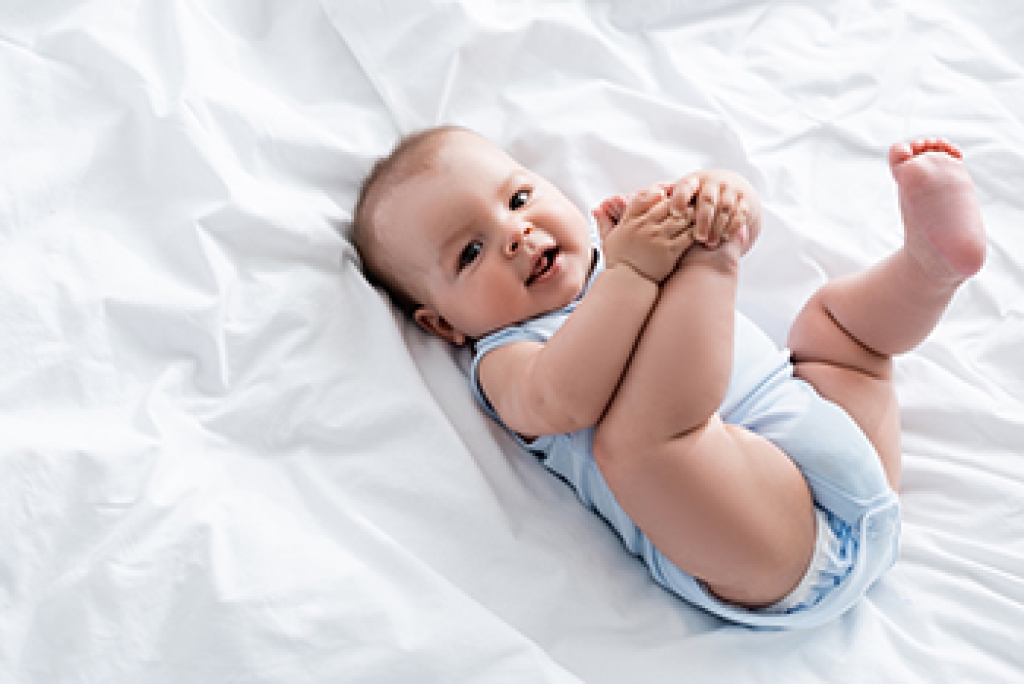
If you are a new parent, then you are likely familiar with the importance of caring for your child’s feet and ensuring that they are growing or developing appropriately. One thing that might be a source of confusion among new parents is what your baby’s foot shape is supposed to look like. Importantly, by the time a baby reaches 2 years of age, you might be able to discern what their natural foot shape will be. Babies inherit the shape of their feet from their parents, and the baby will likely exhibit one of three different shape types. First, the baby might have a tapered foot shape where the big toe is the longest toe. Second, a baby might have what is known as a rounded foot shape, where the second and third toes are actually the longest, being longer than the first. Third, the foot might be a square shape, where all of the toes in the feet are about the same length. For more information about what your baby’s feet are supposed to look like, contact a podiatrist today and schedule an appointment. 

Making sure that your children maintain good foot health is very important as they grow. If you have any questions, contact one of our podiatrists of Pennsylvania Foot & Ankle. Our doctors can provide the care you need to keep you pain-free and on your feet.

Keeping Children's Feet Healthy

Having healthy feet during childhood can help prevent medical problems later in life, namely in the back and legs. As children grow, their feet require different types of care. Here are some things to consider...

Although babies do not walk yet, it is still very important to take care of their feet.

Avoid putting tight shoes or socks on his or her feet.

Allow the baby to stretch and kick his or her feet to feel comfortable.

As a toddler, kids are now on the move and begin to develop differently. At this age, toddlers are getting a feel for walking, so don’t be alarmed if your toddler is unsteady or ‘walks funny’. 

As your child gets older, it is important to teach them how to take care of their feet.

Show them proper hygiene to prevent infections such as fungus.

Be watchful for any pain or injury.

Have all injuries checked by a doctor as soon as possible.

Comfortable, protective shoes should always be worn, especially at play.

If you have any questions, please feel free to contact one of our offices located in Bensalem, Philadelphia, Northeast Philadelphia, Yardley, PA, and Hamilton, NJ . We offer the newest diagnostic and treatment technologies for all your foot care needs.

Read more about How to Care for Your Child's Feet

Connect With Us