Connect With Us

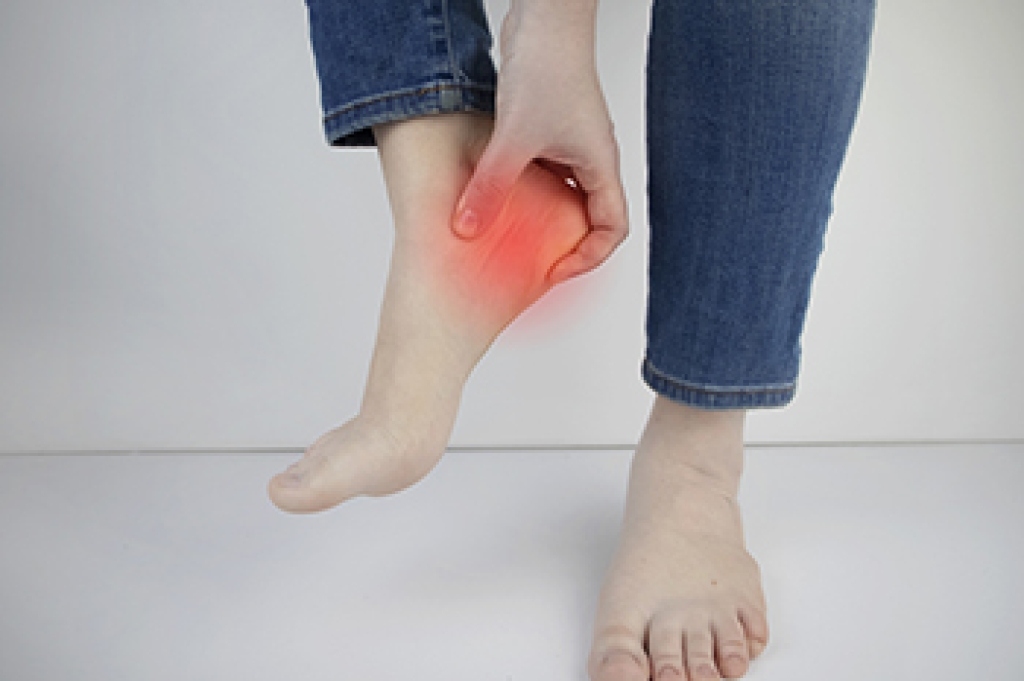
Plantar fasciitis is a common condition that causes heel pain, often described as a stabbing sensation. One leading factor is excessive or repetitive stress on the plantar fascia, a band of tissue connecting the heel to the toes. This stress can result from activities such as running, standing for extended periods, or wearing inadequate footwear. Obesity can also contribute to plantar fasciitis, as the extra weight increases pressure on the feet. Tight calf muscles and inadequate stretching can lead to an abnormal gait, putting strain on the fascia. Furthermore, age and certain foot arch types may play a role in developing this condition. Recognizing these causes can guide individuals in making lifestyle adjustments and seeking timely treatment to alleviate plantar fasciitis and regain comfort in their daily lives. If you have developed plantar fasciitis, it is strongly suggested that you are under the care of a podiatrist who can offer you appropriate treatment methods.
Plantar fasciitis is a common foot condition that is often caused by a strain injury. If you are experiencing heel pain or symptoms of plantar fasciitis, contact one of our podiatrists from Pennsylvania Foot & Ankle. Our doctors can provide the care you need to keep you pain-free and on your feet.
What Is Plantar Fasciitis?
Plantar fasciitis is one of the most common causes of heel pain. The plantar fascia is a ligament that connects your heel to the front of your foot. When this ligament becomes inflamed, plantar fasciitis is the result. If you have plantar fasciitis you will have a stabbing pain that usually occurs with your first steps in the morning. As the day progresses and you walk around more, this pain will start to disappear, but it will return after long periods of standing or sitting.
What Causes Plantar Fasciitis?
There are some risk factors that may make you more likely to develop plantar fasciitis compared to others. The condition most commonly affects adults between the ages of 40 and 60. It also tends to affect people who are obese because the extra pounds result in extra stress being placed on the plantar fascia.
Prevention
There are a variety of treatment options available for plantar fasciitis along with the pain that accompanies it. Additionally, physical therapy is a very important component in the treatment process. It is important that you meet with your podiatrist to determine which treatment option is best for you.
If you have any questions, please feel free to contact one of our offices located in Bensalem, Philadelphia, Northeast Philadelphia, Yardley, PA, and Hamilton, NJ . We offer the newest diagnostic and treatment technologies for all your foot care needs.

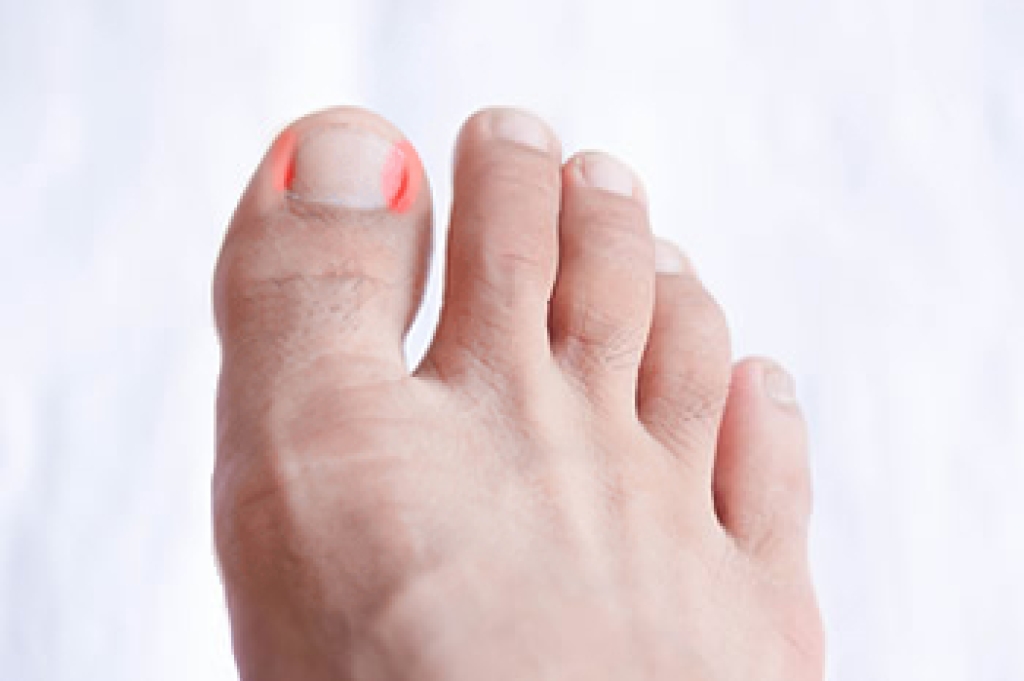
Ingrown toenails, a common problem causing pain and inconvenience, can affect anyone. However, they are most frequently seen in young adults and adolescents. These toenails usually affect the big toe but can affect other toes as well. Causes of ingrown toenails include direct trauma to the toe, genetic predisposition, improper nail trimming, and wearing poorly fitting shoes. There are three stages of ingrown toenails. Stage one involves redness, slight swelling, and pain at the lateral nail fold. Stage two presents with increased pain, discharge from the nail edge, and signs of bacterial paronychia. In stage three, hypertrophic granulation tissue forms on the lateral wall. Treatment ranges from the conservative to surgery. If you have an ingrown toenail, particularly if it appears infected, it is suggested that you schedule an appointment with a podiatrist to have the affected nail evaluated, and proper treatment given.
Ingrown toenails can become painful if they are not treated properly. For more information about ingrown toenails, contact one of our podiatrists of Pennsylvania Foot & Ankle. Our doctors can provide the care you need to keep you pain-free and on your feet.
Ingrown Toenails
Ingrown toenails occur when a toenail grows sideways into the bed of the nail, causing pain, swelling, and possibly infection.
Causes
Prevention
Wearing proper fitting shoes and using proper cutting techniques will also help decrease your risk of developing ingrown toenails.
Treatment
Ingrown toenails are a very treatable foot condition. In minor cases, soaking the affected area in salt or antibacterial soaps will not only help with the ingrown nail itself, but also help prevent any infections from occurring. In more severe cases, surgery is an option. In either case, speaking to your podiatrist about this condition will help you get a better understanding of specific treatment options that are right for you.
If you have any questions, please feel free to contact one of our offices located in Bensalem, Philadelphia, Northeast Philadelphia, Yardley, PA, and Hamilton, NJ . We offer the newest diagnostic and treatment technologies for all your foot care needs.

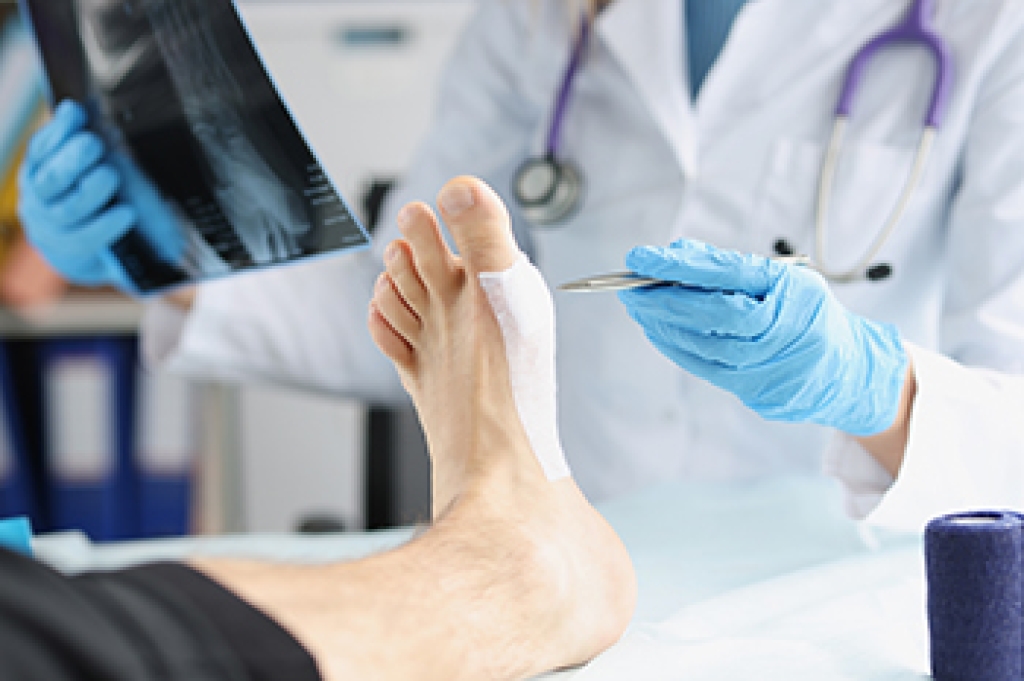
Bunions, a common source of discomfort in the big toe, can often lead to surgical solutions. With an array of over 150 bunion surgeries available, it is beneficial to comprehend the prevailing procedures in use today. The bunionectomy is a foundational method. It involves removing the bony outgrowth at the base of the big toe that is responsible for the bunion and realigning the surrounding muscles, tendons, and ligaments. Osteotomy, another prevalent technique, necessitates cutting the toe bone to reposition the affected joint. It may also involve securing the bone with pins or screws for sustained correction. Arthrodesis is employed in cases of significant joint damage. This procedure entails fusing the surrounding bones with screws, wires, or plates. Arthroplasty is reserved for severe cases. The damaged portion of the joint is replaced with an implant, aiming to restore joint function. Integral to all bunion surgeries is soft tissue repair, ensuring the equilibrium of tendons and ligaments surrounding the joint to deter deformity recurrence. If you have a bunion that is causing extreme pain, it is suggested that you schedule an appointment with a podiatrist for a full examination and suggestions for treatment options.
If you are suffering from bunions, contact one of our podiatrists of Pennsylvania Foot & Ankle. Our doctors can provide the care you need to keep you pain-free and on your feet.
What Is a Bunion?
A bunion is formed of swollen tissue or an enlargement of boney growth, usually located at the base joint of the toe that connects to the foot. The swelling occurs due to the bones in the big toe shifting inward, which impacts the other toes of the foot. This causes the area around the base of the big toe to become inflamed and painful.
Why Do Bunions Form?
Genetics – Susceptibility to bunions are often hereditary
Stress on the feet – Poorly fitted and uncomfortable footwear that places stress on feet, such as heels, can worsen existing bunions
How Are Bunions Diagnosed?
Podiatrists often perform two tests – blood tests and x-rays – when trying to diagnose bunions, especially in the early stages of development. Blood tests help determine if the foot pain is being caused by something else, such as arthritis, while x-rays provide a clear picture of your bone structure to your provider.
How Are Bunions Treated?
If you have any questions, please feel free to contact one of our offices located in Bensalem, Philadelphia, Northeast Philadelphia, Yardley, PA, and Hamilton, NJ . We offer the newest diagnostic and treatment technologies for all your foot care needs.
Connect With Us