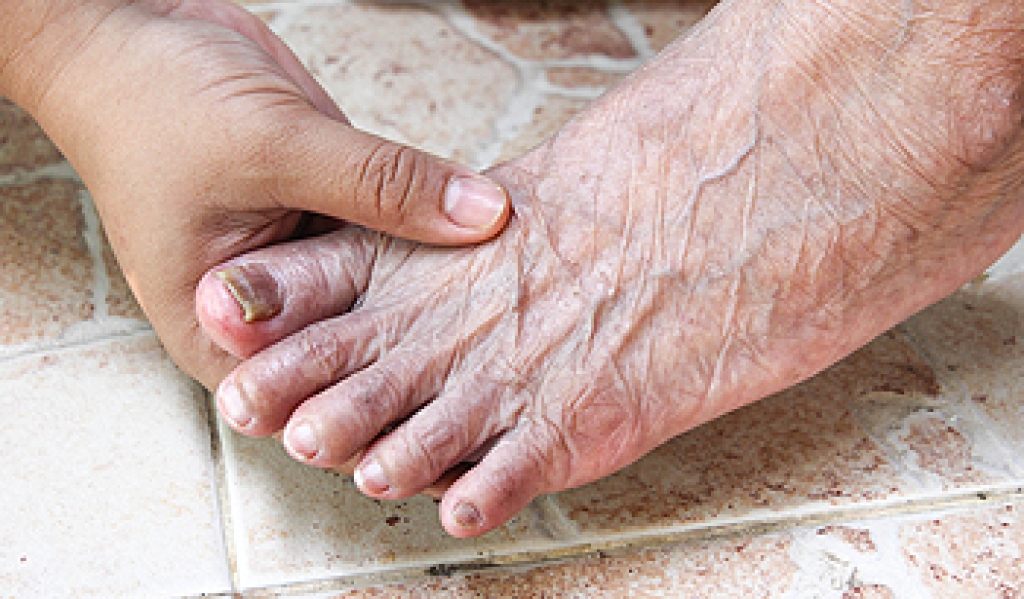
 Did you know that by the time the average American reaches just 50 years old, they have likely already walked 75,000 miles? So much activity can, unsurprisingly, cause wear and tear in the feet. This wear and tear becomes more apparent as we age, resulting in foot pain and other foot problems. Many seniors are prone to foot conditions such as fungal toenail infections, athlete’s foot, dry skin, plantar fasciitis, bunions, and Morton’s neuroma. Systemic health conditions such as diabetes, peripheral neuropathy, and poor circulation also become increasingly common with age and can affect the feet. When caring for elderly feet, it is important to keep the feet dry, wear comfortable shoes, trim the toenails appropriately, and perform regular foot inspections to identify any problems or irregularities early. If you or a loved one are older, please seek the care of a podiatrist who can help you maintain the health of your feet.
Proper foot care is something many older adults forget to consider. If you have any concerns about your feet and ankles, contact one of our podiatrists from Pennsylvania Foot & Ankle. Our doctors can provide the care you need to keep you pain-free and on your feet.
The Elderly and Their Feet
As we age we start to notice many changes in our body, but the elder population may not notice them right away. Medical conditions may prevent the elderly to take notice of their foot health right away. Poor vision is a lead contributor to not taking action for the elderly.
Common Conditions
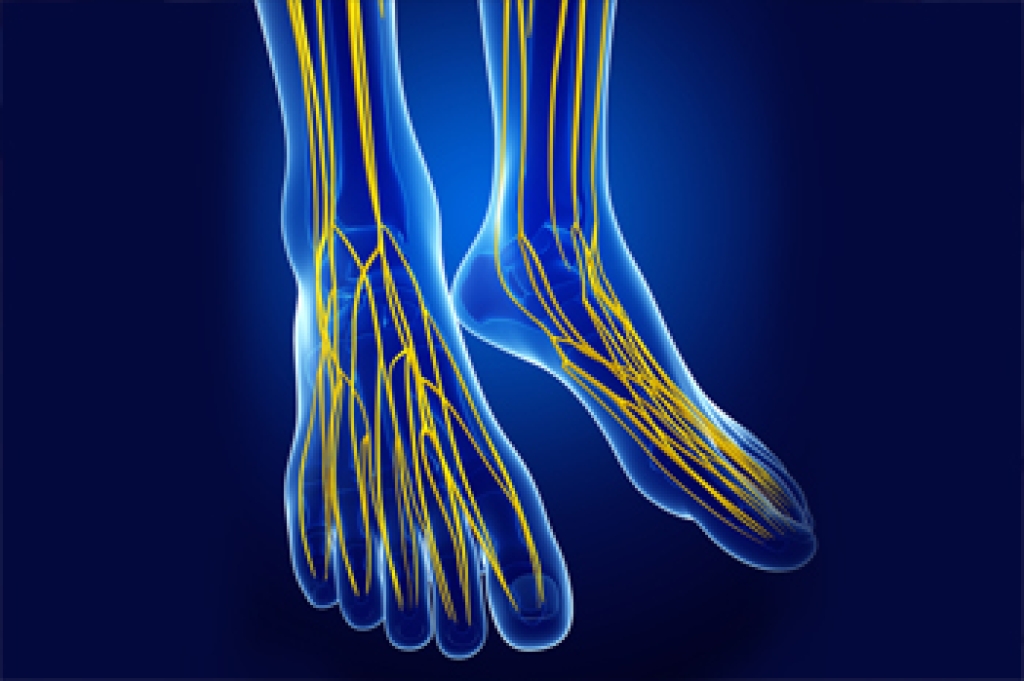
- Neuropathy – can reduce feeling in the feet and can hide many life-threatening medical conditions.
- Reduced flexibility – prevents the ability of proper toenail trimming, and foot cleaning. If left untreated, it may lead to further medical issues.
- Foot sores – amongst the older population can be serious before they are discovered. Some of the problematic conditions they may face are:
- Gouging toenails affecting nearby toe
- Shoes that don’t fit properly
- Pressure sores
- Loss of circulation in legs & feet
- Edema & swelling of feet and ankles
Susceptible Infections
Diabetes and poor circulation can cause general loss of sensitivity over the years, turning a simple cut into a serious issue.
If you have any questions, please feel free to contact one of our offices located in Bensalem, Philadelphia, Northeast Philadelphia, Yardley, PA, and Hamilton, NJ . We offer the newest diagnostic and treatment technologies for all your foot care needs.

 Drop foot