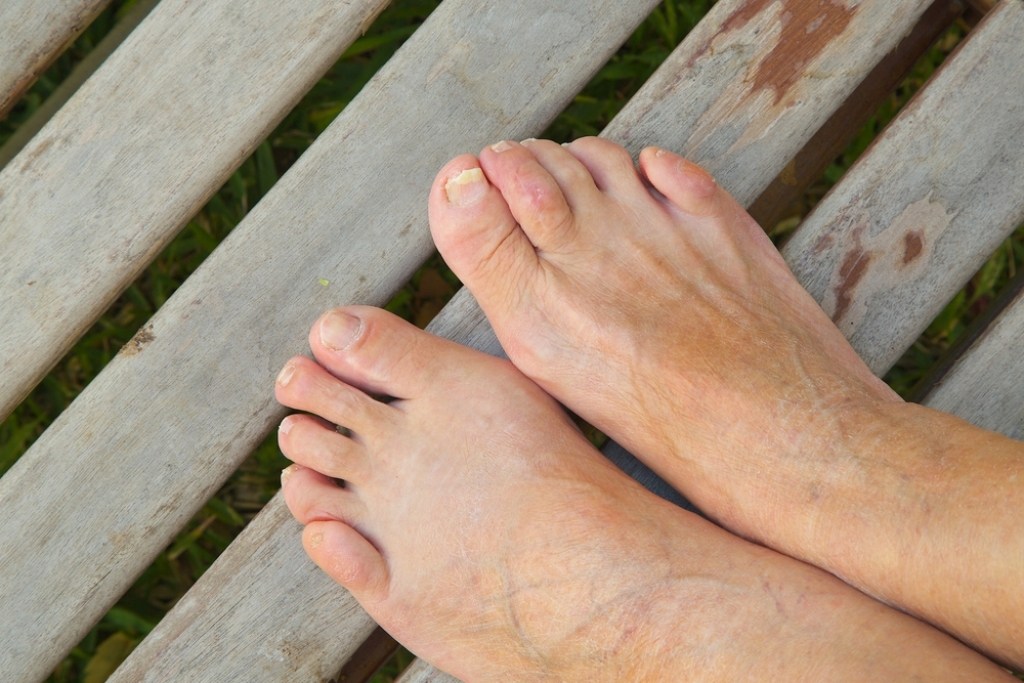
Treatment for Flexible and Rigid Hammertoes

Hammertoes are a foot deformity in which one or more of the smaller toes are bent at the middle joint, resulting in a hammer-like appearance. In the early stages of this condition, the hammertoes are usually flexible and the patient can move their toe joints. Flexible hammertoes can often be treated without surgery. Changing your footwear, doing toe strengthening exercises, and putting a pad over the joint to stop it from rubbing against the shoes can all help relieve symptoms. Having rigid hammertoes means that the toe joints are no longer movable. This can be treated conservatively through footwear modifications and custom orthotics, or surgically. For more information about hammertoes, please consult with a podiatrist.

Hammertoe

Hammertoes can be a painful condition to live with. For more information, contact one of our podiatrists from Pennsylvania Foot & Ankle. Our doctors will answer any of your foot- and ankle-related questions.

Hammertoe is a foot deformity that affects the joints of the second, third, fourth, or fifth toes of your feet. It is a painful foot condition in which these toes curl and arch up, which can often lead to pain when wearing footwear.

Symptoms

  • Pain in the affected toes
  • Development of corns or calluses due to friction
  • Inflammation
  • Redness
  • Contracture of the toes

Causes

Genetics – People who are genetically predisposed to hammertoe are often more susceptible

Arthritis – Because arthritis affects the joints in your toes, further deformities stemming from arthritis can occur

Trauma – Direct trauma to the toes could potentially lead to hammertoe

Ill-fitting shoes – Undue pressure on the front of the toes from ill-fitting shoes can potentially lead to the development of hammertoe

Treatment

Orthotics – Custom made inserts can be used to help relieve pressure placed on the toes and therefore relieve some of the pain associated with it

Medications – Oral medications such as anti-inflammatories or NSAIDs could be used to treat the pain and inflammation hammertoes causes. Injections of corticosteroids are also sometimes used

Surgery – In more severe cases where the hammertoes have become more rigid, foot surgery is a potential option

If you have any questions, please feel free to contact one of our offices located in Bensalem, Philadelphia, Northeast Philadelphia, Yardley, PA, and Hamilton, NJ . We offer the newest diagnostic and treatment technologies for all your foot care needs.
Read more about Hammertoe

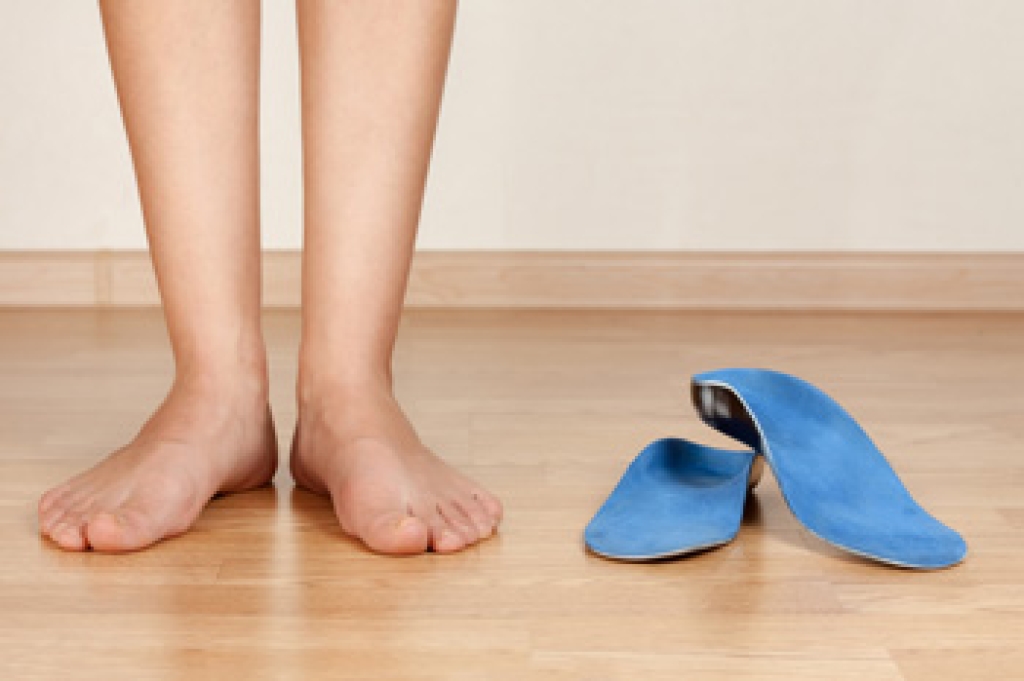
Relief From Foot Pain With Wearing Orthotics

Many patients choose to wear orthotics in their shoes. Orthotics are insoles that are made of rubber, leather, or synthetic materials, and are designed to balance the structure of the foot. Certain types of orthotics can help to control pain that can come from having flat feet or high arches. It is also helpful to wear shoes that cushion your feet and fit correctly. If you have foot pain, and think orthotics may help you, it is strongly recommended that you consult with a podiatrist who can determine if this is the right decision for you.

If you are having discomfort in your feet and would like to try orthotics, contact one of our podiatrists from Pennsylvania Foot & Ankle. Our doctors can provide the care you need to keep you pain-free and on your feet.

What Are Orthotics?

Orthotics are inserts you can place into your shoes to help with a variety of foot problems such as flat feet or foot pain. Orthotics provide relief and comfort for minor foot and heel pain but can’t correct serious biomechanical problems in your feet.

Over-the-Counter Inserts

Orthotics come in a wide variety of over-the-counter inserts that are used to treat foot pain, heel pain, and minor problems. For example, arch supports can be inserted into your shoes to help correct overarched or flat feet, while gel insoles are often used because they provide comfort and relief from foot and heel pain by alleviating pressure.

Prescription Orthotics

If over-the-counter inserts don’t work for you or if you have a more severe foot concern, it is possible to have your podiatrist prescribe custom orthotics. These high-quality inserts are designed to treat problems such as abnormal motion, plantar fasciitis, and severe forms of heel pain. They can even be used to help patients suffering from diabetes by treating foot ulcers and painful calluses and are usually molded to your feet individually, which allows them to provide full support and comfort.

If you are experiencing minor to severe foot or heel pain, it’s recommended to speak with your podiatrist about the possibilities of using orthotics. A podiatrist can determine which type of orthotic is right for you and allow you to take the first steps towards being pain-free.

If you have any questions, please feel free to contact one of our offices located in Bensalem, Philadelphia, Northeast Philadelphia, Yardley, PA, and Hamilton, NJ . We offer the newest diagnostic and treatment technologies for all your foot care needs.
Read more about Ankle Foot Orthotics for Athletes

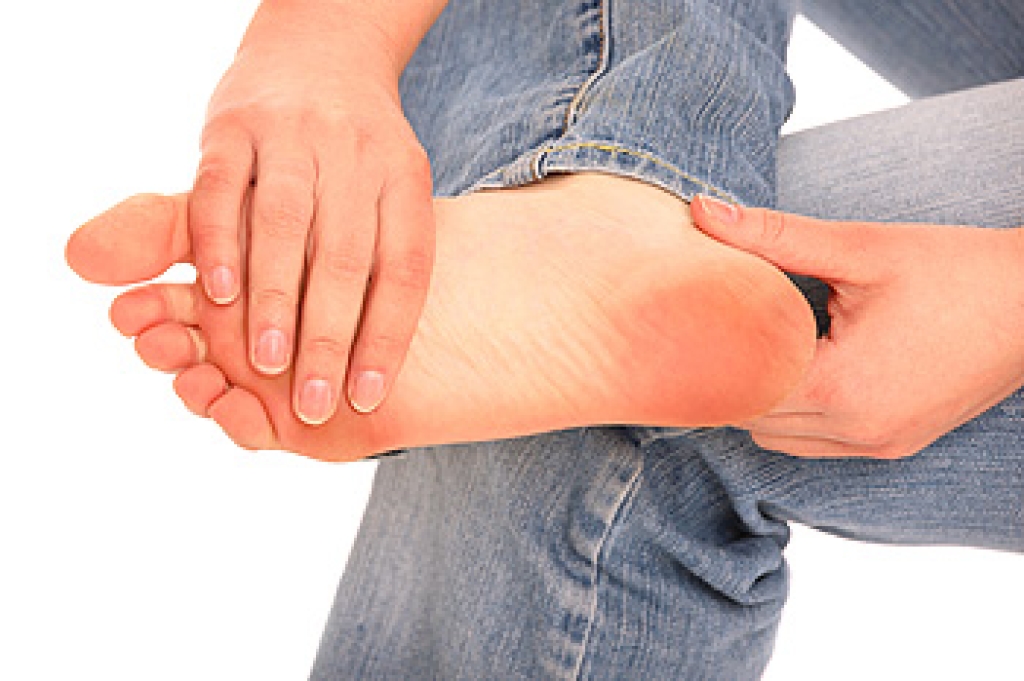
Heel Pain Can Be Treated!

Do you suffer from heel pain when you get up in the morning? If so, you should seek professional help and have a proper diagnosis performed. Heel pain can be caused by several different foot-related conditions.

What Can I Do if I Have Morton's Neuroma?

Morton’s neuroma is a condition in which a nerve between your toes becomes irritated or thickened. This can cause symptoms such as stabbing, shooting, or burning pains in the front of the foot. Tingling, numbness, and a sensation akin to a small pebble being stuck under your foot may be experienced as well. If you have Morton’s neuroma, certain modifications can help reduce your symptoms. These can include wearing wide, comfortable shoes with a low heel, reducing activities like running, which may exacerbate the pain, and losing weight to reduce the amount of pressure put on the foot. Taking over-the-counter anti-inflammatory drugs and wearing orthotic inserts may also help relieve pain. If you are experiencing the symptoms of Morton’s neuroma, it is suggested that you consult with a podiatrist. 

Morton’s neuroma is a very uncomfortable condition to live with. If you think you have Morton’s neuroma, contact one of our podiatrists of Pennsylvania Foot & Ankle. Our doctors will attend to all of your foot care needs and answer any of your related questions.  

Morton’s Neuroma

Morton's neuroma is a painful foot condition that commonly affects the areas between the second and third or third and fourth toe, although other areas of the foot are also susceptible. Morton’s neuroma is caused by an inflamed nerve in the foot that is being squeezed and aggravated by surrounding bones.

What Increases the Chances of Having Morton’s Neuroma?

  • Ill-fitting high heels or shoes that add pressure to the toe or foot
  • Jogging, running or any sport that involves constant impact to the foot
  • Flat feet, bunions, and any other foot deformities

Morton’s neuroma is a very treatable condition. Orthotics and shoe inserts can often be used to alleviate the pain on the forefront of the feet. In more severe cases, corticosteroids can also be prescribed. In order to figure out the best treatment for your neuroma, it’s recommended to seek the care of a podiatrist who can diagnose your condition and provide different treatment options.

If you have any questions, please feel free to contact one of our offices located in Bensalem, Philadelphia, Northeast Philadelphia, Yardley, PA, and Hamilton, NJ . We offer the newest diagnostic and treatment technologies for all your foot care needs.
Read more about What is Morton's Neuroma?

Treatments Options for Plantar Fasciitis

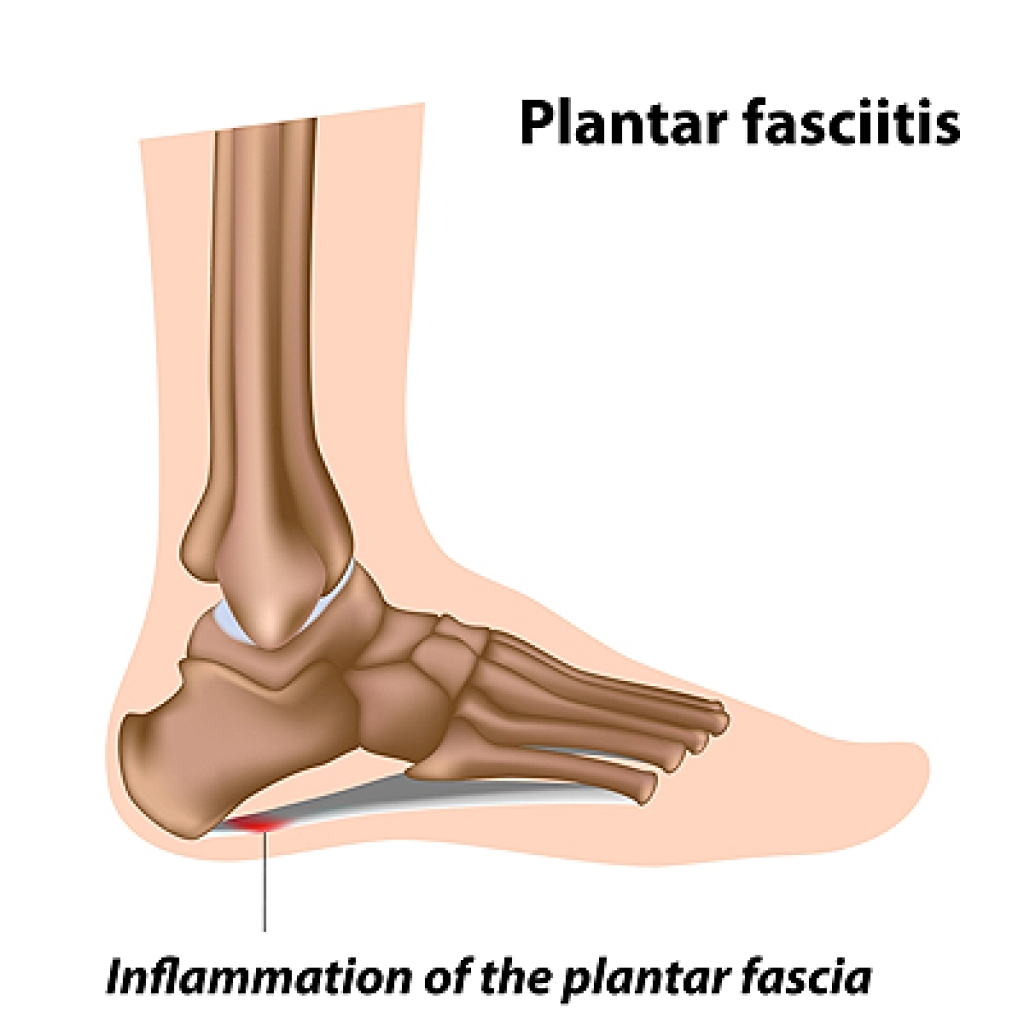
Plantar fasciitis is a common foot condition in which the plantar fascia, the ligament that runs along the bottom of the foot and connects the heel bone to the toes, becomes inflamed. This leads to heel pain that tends to be at its worst in the morning and immediately after exercising. If you have plantar fasciitis, there are multiple treatment options. It is recommended that you rest the affected foot as much as possible to give it time to heal and to prevent further damage. Applying ice to the foot or taking an over-the-counter pain medication can reduce inflammation and pain. Wearing shoes that fit your feet properly and are supportive, wearing orthotic inserts in your shoes, and stretching the feet regularly can improve symptoms and decrease your likelihood of developing plantar fasciitis in the future. If you think that you are suffering from plantar fasciitis, it is recommended that you see a podiatrist for a proper diagnosis.

Plantar fasciitis can be very painful and inconvenient. If you are experiencing heel pain or symptoms of plantar fasciitis, contact one of our podiatrists  from Pennsylvania Foot & Ankle. Our doctors can provide the care you need to keep you pain-free and on your feet.

What Is Plantar Fasciitis?

Plantar fasciitis is the inflammation of the thick band of tissue that runs along the bottom of your foot, known as the plantar fascia, and causes mild to severe heel pain.

What Causes Plantar Fasciitis?

  • Excessive running
  • Non-supportive shoes
  • Overpronation
  • Repeated stretching and tearing of the plantar fascia

How Can It Be Treated?

  • Conservative measures – anti-inflammatories, ice packs, stretching exercises, physical therapy, orthotic devices
  • Shockwave therapy – sound waves are sent to the affected area to facilitate healing and are usually used for chronic cases of plantar fasciitis
  • Surgery – usually only used as a last resort when all else fails. The plantar fascia can be surgically detached from the heel

While very treatable, plantar fasciitis is definitely not something that should be ignored. Especially in severe cases, speaking to your doctor right away is highly recommended to avoid complications and severe heel pain. Your podiatrist can work with you to provide the appropriate treatment options tailored to your condition.

If you have any questions, please feel free to contact one of our offices located in Bensalem, Philadelphia, Northeast Philadelphia, Yardley, PA, and Hamilton, NJ . We offer the newest diagnostic and treatment technologies for all your foot care needs.

Read more about Plantar Fasciitis

Connect With Us