Living Area and Bathroom Fall Prevention Methods

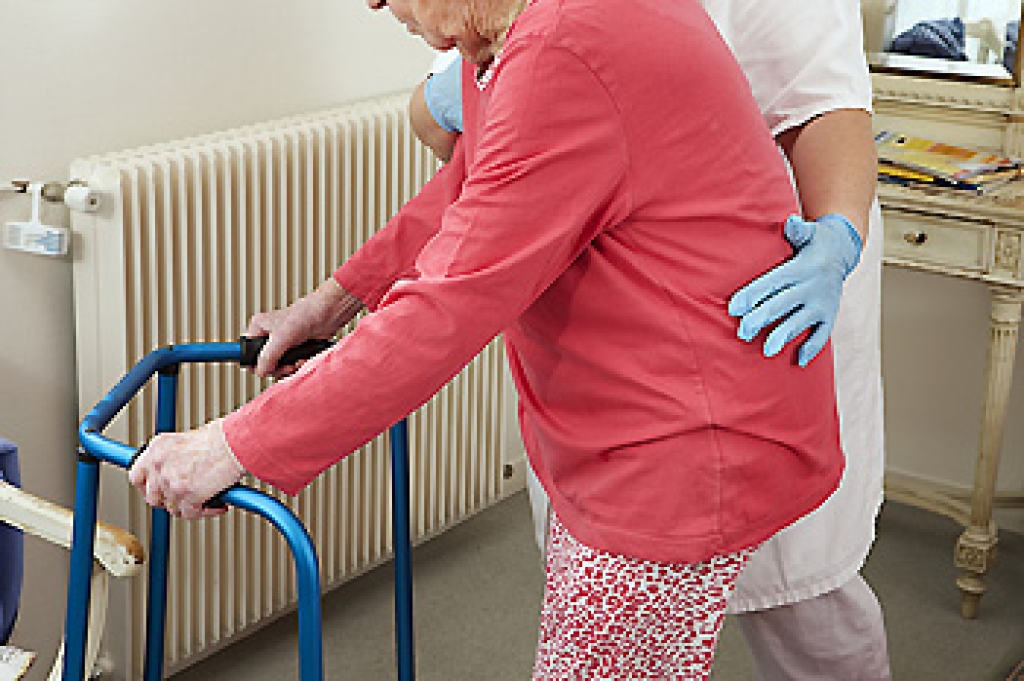
Research has indicated it is common for people who are over sixty-five years old to fall, which can lead to serious foot conditions. There are numerous reasons why falling may occur in the household. These causes can include worn rugs on the steps and in the living area, poor lighting, and chronic medical ailments. Many seniors are inactive, which may cause a lack of strength in the body. Falling episodes may be prevented by performing daily stretches that can improve dexterity, balance, and muscle strength. Additionally, many patients find it beneficial to install grab bars in the shower and toilet area, and it may help to use a good bath mat to prevent slipping in the shower. If you would like more information about how falling can affect the feet, please consult with a podiatrist who can offer you fall prevention techniques.

Preventing falls among the elderly is very important. If you are older and have fallen or fear that you are prone to falling, consult with one of our podiatrists from Pennsylvania Foot & Ankle. Our doctors will assess your condition and provide you with quality advice and care.

Every 11 seconds, an elderly American is being treated in an emergency room for a fall related injury. Falls are the leading cause of head and hip injuries for those 65 and older. Due to decreases in strength, balance, senses, and lack of awareness, elderly persons are very susceptible to falling. Thankfully, there are a number of things older persons can do to prevent falls.

How to Prevent Falls

Some effective methods that older persons can do to prevent falls include:

  • Enrolling in strength and balance exercise program to increase balance and strength
  • Periodically having your sight and hearing checked
  • Discuss any medications you have with a doctor to see if it increases the risk of falling
  • Clearing the house of falling hazards and installing devices like grab bars and railings
  • Utilizing a walker or cane
  • Wearing shoes that provide good support and cushioning
  • Talking to family members about falling and increasing awareness

Falling can be a traumatic and embarrassing experience for elderly persons; this can make them less willing to leave the house, and less willing to talk to someone about their fears of falling. Doing such things, however, will increase the likelihood of tripping or losing one’s balance. Knowing the causes of falling and how to prevent them is the best way to mitigate the risk of serious injury.  

If you have any questions, please feel free to contact one of our offices located in Bensalem, Philadelphia, Northeast Philadelphia, Yardley, PA, and Hamilton, NJ . We offer the newest diagnostic and treatment technologies for all your foot care needs.
Read more about Falls Prevention

Sources of Foot Pain

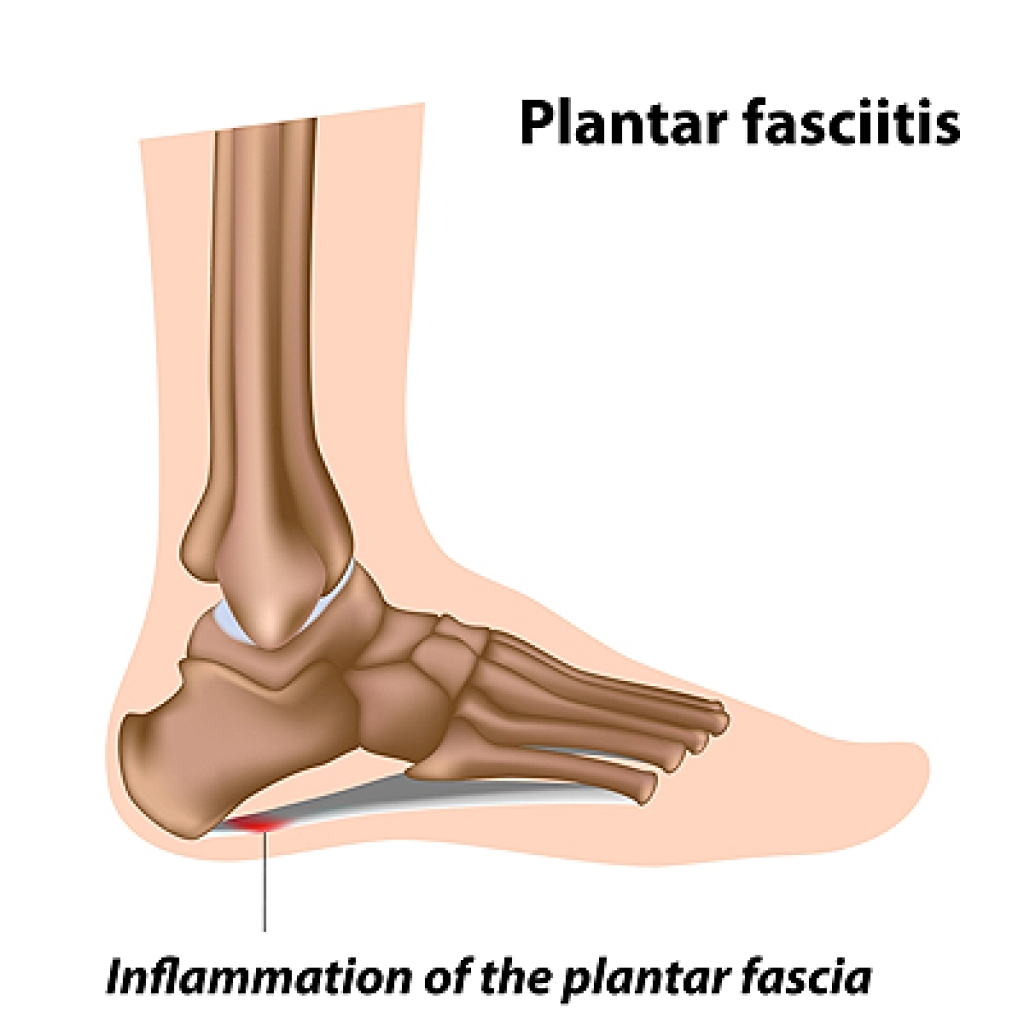
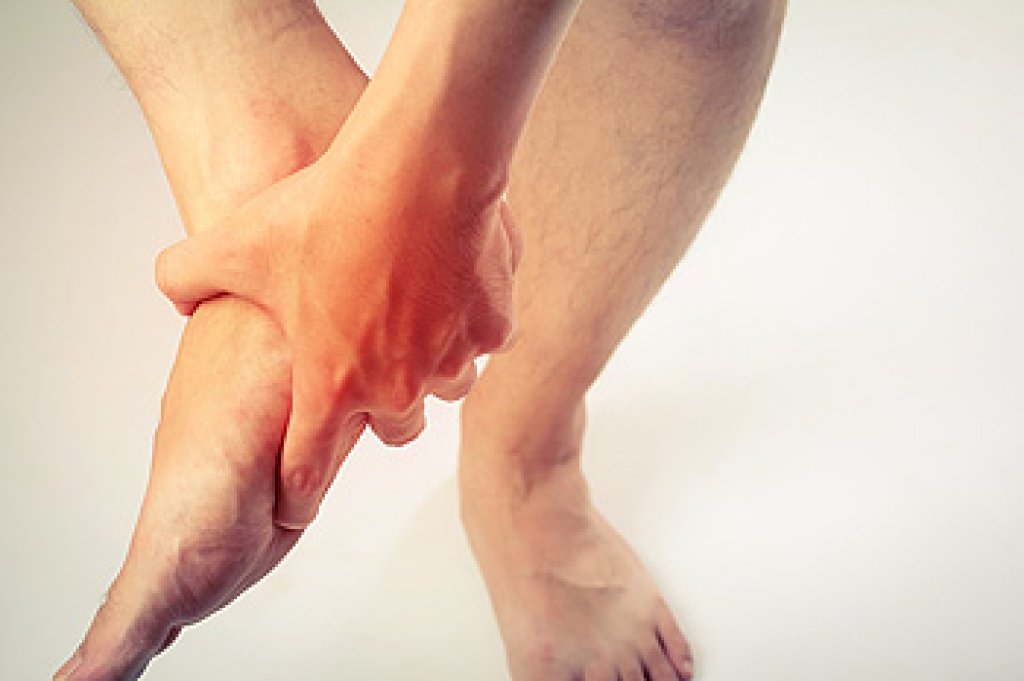
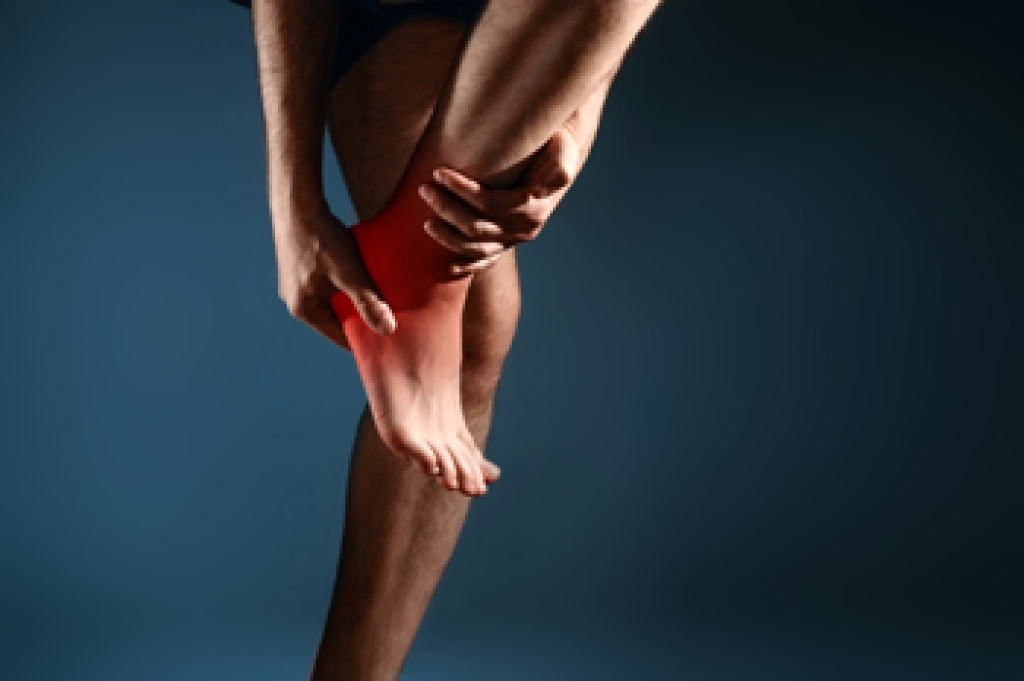
Foot pain can be caused due to a variety of issues. Injuries, such as sprains, strains, and fractures, are common sources of foot pain for those who are active and commonly partake in sporting activities. Another condition which can cause foot pain is gout, a common type of arthritis that forms due to too much uric acid in the blood. Poorly fitted shoes can lead to painful issues such as bunions, a bony growth that develops on the side of the big toe, as well as ingrown toenails, where the nail grows into the surrounding skin. Plantar fasciitis, the inflammation of the band of tissue that connects the heel bone to the toes, can lead to pain in the heel or the arch of the foot. If you are suffering from foot pain, being under the care of a podiatrist is highly suggested.  

Foot Pain

Foot pain can be extremely painful and debilitating. If you have a foot pain, consult with one of our podiatrists from Pennsylvania Foot & Ankle. Our doctors will assess your condition and provide you with quality foot and ankle treatment.

Causes

Foot pain is a very broad condition that could be caused by one or more ailments. The most common include:

  • Bunions
  • Hammertoes
  • Plantar Fasciitis
  • Bone Spurs
  • Corns
  • Tarsal Tunnel Syndrome
  • Ingrown Toenails
  • Arthritis (such as Gout, Rheumatoid, and Osteoarthritis)
  • Flat Feet
  • Injury (from stress fractures, broken toe, foot, ankle, Achilles tendon ruptures, and sprains)
  • And more

Diagnosis

To figure out the cause of foot pain, podiatrists utilize several different methods. This can range from simple visual inspections and sensation tests to X-rays and MRI scans. Prior medical history, family medical history, and any recent physical traumatic events will all be taken into consideration for a proper diagnosis.

Treatment

Treatment depends upon the cause of the foot pain. Whether it is resting, staying off the foot, or having surgery; podiatrists have a number of treatment options available for foot pain.

If you have any questions, please feel free to contact one of our offices located in Bensalem, Philadelphia, Northeast Philadelphia, Yardley, PA, and Hamilton, NJ . We offer the newest diagnostic and treatment technologies for all your foot care needs.

Read more about Foot Pain

Can Stretches Help Cuboid Syndrome?

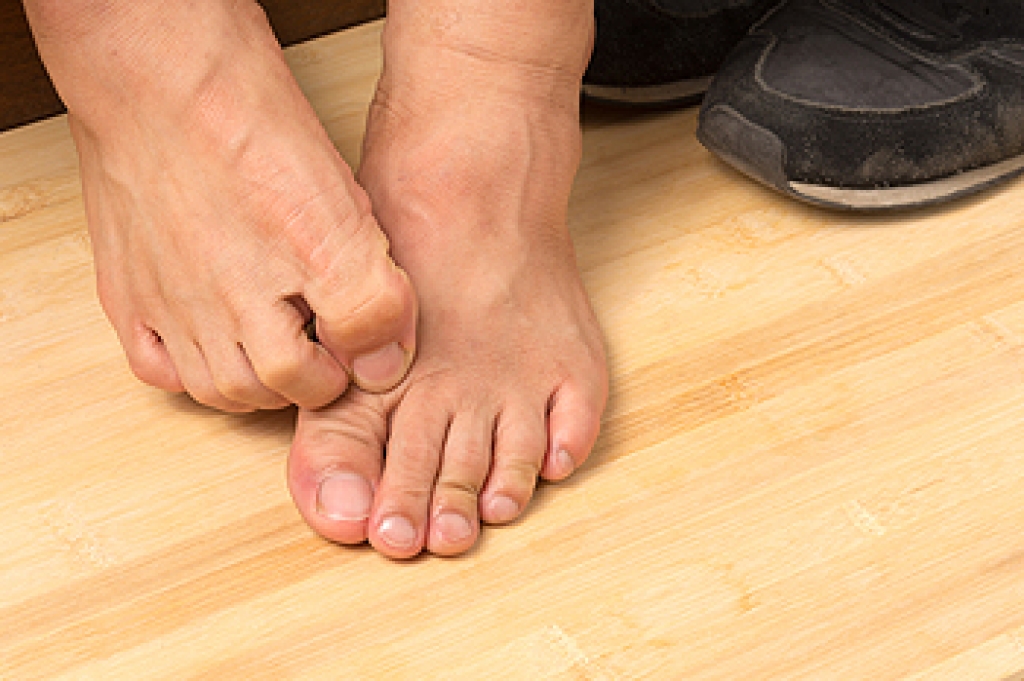
The outer side of the foot is generally where pain from cuboid syndrome is felt. It develops as a result of a displaced cuboid bone, and can happen for several reasons. These can include having weak tendons in the feet, wearing shoes that do not have adequate room for the toes to move freely in, or conditions such as flat feet or high arches. This bone is located between the pinky toe and the heel, and repetitive force may shift the bone out of alignment. Common symptoms many patients feel can consist of swelling on the outside of the foot, pain while standing or walking, and pain and discomfort may extend to the sole of the foot. There are stretches that can be practiced that may help to alleviate the pain. It is suggested that you consult with a podiatrist who can help you to manage cuboid syndrome.

Cuboid syndrome, also known as cuboid subluxation, occurs when the joints and ligaments near the cuboid bone in the foot become torn. If you have cuboid syndrome, consult with one of our podiatrists from Pennsylvania Foot & Ankle. Our doctors will assess your condition and provide you with quality foot and ankle treatment.

Cuboid syndrome is a common cause of lateral foot pain, which is pain on the outside of the foot. The condition may happen suddenly due to an ankle sprain, or it may develop slowly overtime from repetitive tension through the bone and surrounding structures.

Causes

The most common causes of cuboid syndrome include:

  • Injury – The most common cause of this ailment is an ankle sprain.
  • Repetitive Strain – Tension placed through the peroneus longus muscle from repetitive activities such as jumping and running may cause excessive traction on the bone causing it to sublux.
  • Altered Foot Biomechanics – Most people suffering from cuboid subluxation have flat feet.

Symptoms

A common symptom of cuboid syndrome is pain along the outside of the foot which can be felt in the ankle and toes. This pain may create walking difficulties and may cause those with the condition to walk with a limp.

Diagnosis

Diagnosis of cuboid syndrome is often difficult, and it is often misdiagnosed. X-rays, MRIs and CT scans often fail to properly show the cuboid subluxation. Although there isn’t a specific test used to diagnose cuboid syndrome, your podiatrist will usually check if pain is felt while pressing firmly on the cuboid bone of your foot.

Treatment

Just as the range of causes varies widely, so do treatments. Some more common treatments are ice therapy, rest, exercise, taping, and orthotics.

If you have any questions, please feel free to contact one of our offices located in Bensalem, Philadelphia, Northeast Philadelphia, Yardley, PA, and Hamilton, NJ . We offer the newest diagnostic and treatment technologies for all your foot care needs.
Read more about Cuboid Syndrome

It's Time for Beautiful Feet

You don't need an excuse to have beautiful nails. Step outside without worrying about the appearance of your feet.

Prevention Tips for Athlete's Foot

Athlete’s foot is a fungal infection of the skin on the feet that can cause a scaly, itchy rash to develop between your toes. This infection is contagious and is often contracted by walking barefoot in damp places, such as showers, public swimming pools, and locker rooms, or from sharing personal items with an infected individual. To prevent athlete’s foot, it is recommended that you keep your feet clean and dry, wear clean socks, avoid walking barefoot in public areas, and keep your toenails clean and trimmed. It is also important to refrain from sharing personal items like socks and towels with an infected individual. If you suspect that you may have athlete’s foot, it is suggested that you consult with a podiatrist for treatment.

Athlete’s foot is an inconvenient condition that can be easily reduced with the proper treatment. If you have any concerns about your feet and ankles, contact one of our podiatrists from Pennsylvania Foot & Ankle.  Our doctors will treat your foot and ankle needs.

Athlete’s Foot: The Sole Story

Athlete's foot, also known as tinea pedis, can be an extremely contagious foot infection. It is commonly contracted in public changing areas and bathrooms, dormitory style living quarters, around locker rooms and public swimming pools, or anywhere your feet often come into contact with other people.

Solutions to Combat Athlete’s Foot

  • Hydrate your feet by using lotion
  • Exfoliate
  • Buff off nails
  • Use of anti-fungal products
  • Examine your feet and visit your doctor if any suspicious blisters or cuts develop

Athlete’s foot can cause many irritating symptoms such as dry and flaking skin, itching, and redness. Some more severe symptoms can include bleeding and cracked skin, intense itching and burning, and even pain when walking. In the worst cases, Athlete’s foot can cause blistering as well. Speak to your podiatrist for a better understanding of the different causes of Athlete’s foot, as well as help in determining which treatment options are best for you.

If you have any questions please feel free to contact one of our offices located in Bensalem, Philadelphia, Northeast Philadelphia, Yardley, PA, and Hamilton, NJ . We offer the newest diagnostic and treatment technologies for all your foot and ankle needs.

Read more about How to Deal with Athlete's Foot

Treatment for Flexible and Rigid Hammertoes

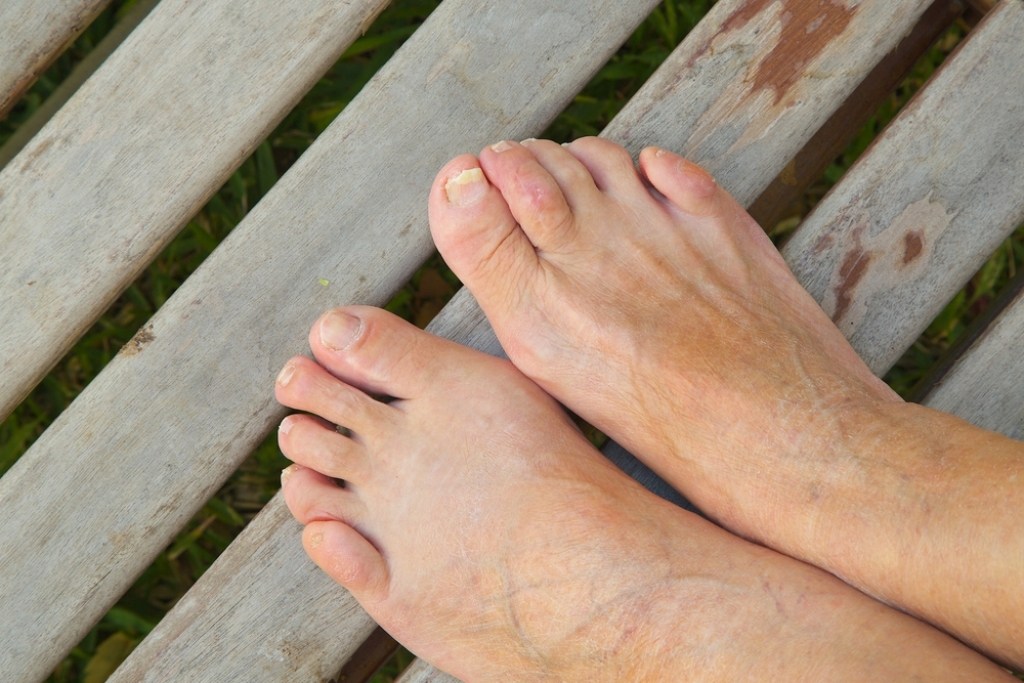
Hammertoes are a foot deformity in which one or more of the smaller toes are bent at the middle joint, resulting in a hammer-like appearance. In the early stages of this condition, the hammertoes are usually flexible and the patient can move their toe joints. Flexible hammertoes can often be treated without surgery. Changing your footwear, doing toe strengthening exercises, and putting a pad over the joint to stop it from rubbing against the shoes can all help relieve symptoms. Having rigid hammertoes means that the toe joints are no longer movable. This can be treated conservatively through footwear modifications and custom orthotics, or surgically. For more information about hammertoes, please consult with a podiatrist.

Hammertoe

Hammertoes can be a painful condition to live with. For more information, contact one of our podiatrists from Pennsylvania Foot & Ankle. Our doctors will answer any of your foot- and ankle-related questions.

Hammertoe is a foot deformity that affects the joints of the second, third, fourth, or fifth toes of your feet. It is a painful foot condition in which these toes curl and arch up, which can often lead to pain when wearing footwear.

Symptoms

  • Pain in the affected toes
  • Development of corns or calluses due to friction
  • Inflammation
  • Redness
  • Contracture of the toes

Causes

Genetics – People who are genetically predisposed to hammertoe are often more susceptible

Arthritis – Because arthritis affects the joints in your toes, further deformities stemming from arthritis can occur

Trauma – Direct trauma to the toes could potentially lead to hammertoe

Ill-fitting shoes – Undue pressure on the front of the toes from ill-fitting shoes can potentially lead to the development of hammertoe

Treatment

Orthotics – Custom made inserts can be used to help relieve pressure placed on the toes and therefore relieve some of the pain associated with it

Medications – Oral medications such as anti-inflammatories or NSAIDs could be used to treat the pain and inflammation hammertoes causes. Injections of corticosteroids are also sometimes used

Surgery – In more severe cases where the hammertoes have become more rigid, foot surgery is a potential option

If you have any questions, please feel free to contact one of our offices located in Bensalem, Philadelphia, Northeast Philadelphia, Yardley, PA, and Hamilton, NJ . We offer the newest diagnostic and treatment technologies for all your foot care needs.
Read more about Hammertoe

Relief From Foot Pain With Wearing Orthotics

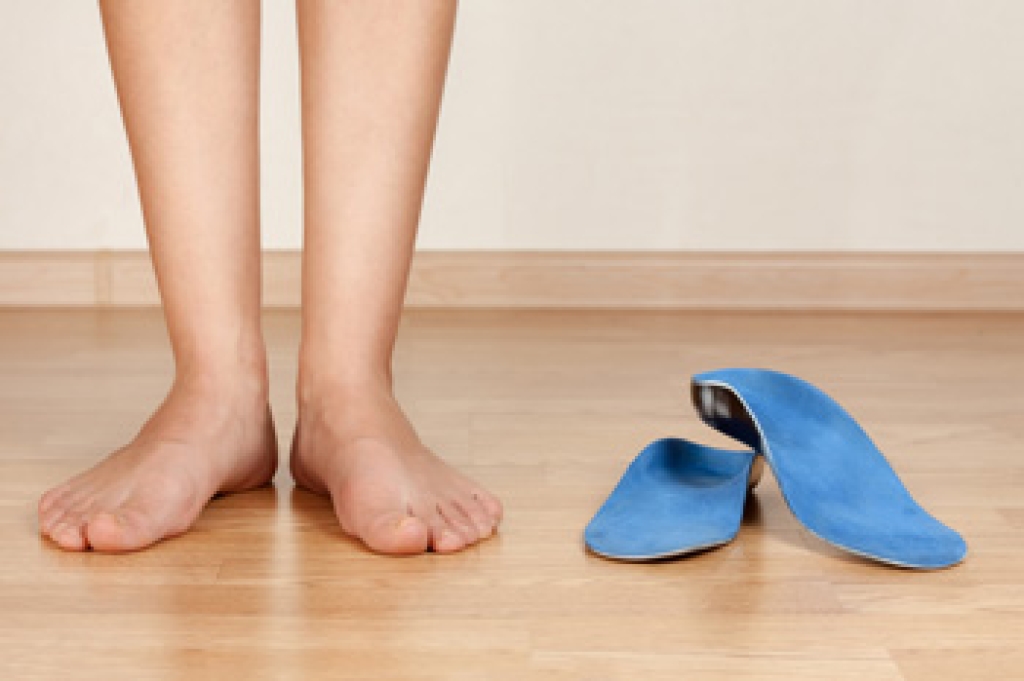
Many patients choose to wear orthotics in their shoes. Orthotics are insoles that are made of rubber, leather, or synthetic materials, and are designed to balance the structure of the foot. Certain types of orthotics can help to control pain that can come from having flat feet or high arches. It is also helpful to wear shoes that cushion your feet and fit correctly. If you have foot pain, and think orthotics may help you, it is strongly recommended that you consult with a podiatrist who can determine if this is the right decision for you.

If you are having discomfort in your feet and would like to try orthotics, contact one of our podiatrists from Pennsylvania Foot & Ankle. Our doctors can provide the care you need to keep you pain-free and on your feet.

What Are Orthotics?

Orthotics are inserts you can place into your shoes to help with a variety of foot problems such as flat feet or foot pain. Orthotics provide relief and comfort for minor foot and heel pain but can’t correct serious biomechanical problems in your feet.

Over-the-Counter Inserts

Orthotics come in a wide variety of over-the-counter inserts that are used to treat foot pain, heel pain, and minor problems. For example, arch supports can be inserted into your shoes to help correct overarched or flat feet, while gel insoles are often used because they provide comfort and relief from foot and heel pain by alleviating pressure.

Prescription Orthotics

If over-the-counter inserts don’t work for you or if you have a more severe foot concern, it is possible to have your podiatrist prescribe custom orthotics. These high-quality inserts are designed to treat problems such as abnormal motion, plantar fasciitis, and severe forms of heel pain. They can even be used to help patients suffering from diabetes by treating foot ulcers and painful calluses and are usually molded to your feet individually, which allows them to provide full support and comfort.

If you are experiencing minor to severe foot or heel pain, it’s recommended to speak with your podiatrist about the possibilities of using orthotics. A podiatrist can determine which type of orthotic is right for you and allow you to take the first steps towards being pain-free.

If you have any questions, please feel free to contact one of our offices located in Bensalem, Philadelphia, Northeast Philadelphia, Yardley, PA, and Hamilton, NJ . We offer the newest diagnostic and treatment technologies for all your foot care needs.
Read more about Ankle Foot Orthotics for Athletes

Heel Pain Can Be Treated!

Do you suffer from heel pain when you get up in the morning? If so, you should seek professional help and have a proper diagnosis performed. Heel pain can be caused by several different foot-related conditions.

What Can I Do if I Have Morton's Neuroma?

Morton’s neuroma is a condition in which a nerve between your toes becomes irritated or thickened. This can cause symptoms such as stabbing, shooting, or burning pains in the front of the foot. Tingling, numbness, and a sensation akin to a small pebble being stuck under your foot may be experienced as well. If you have Morton’s neuroma, certain modifications can help reduce your symptoms. These can include wearing wide, comfortable shoes with a low heel, reducing activities like running, which may exacerbate the pain, and losing weight to reduce the amount of pressure put on the foot. Taking over-the-counter anti-inflammatory drugs and wearing orthotic inserts may also help relieve pain. If you are experiencing the symptoms of Morton’s neuroma, it is suggested that you consult with a podiatrist. 

Morton’s neuroma is a very uncomfortable condition to live with. If you think you have Morton’s neuroma, contact one of our podiatrists of Pennsylvania Foot & Ankle. Our doctors will attend to all of your foot care needs and answer any of your related questions.  

Morton’s Neuroma

Morton's neuroma is a painful foot condition that commonly affects the areas between the second and third or third and fourth toe, although other areas of the foot are also susceptible. Morton’s neuroma is caused by an inflamed nerve in the foot that is being squeezed and aggravated by surrounding bones.

What Increases the Chances of Having Morton’s Neuroma?

  • Ill-fitting high heels or shoes that add pressure to the toe or foot
  • Jogging, running or any sport that involves constant impact to the foot
  • Flat feet, bunions, and any other foot deformities

Morton’s neuroma is a very treatable condition. Orthotics and shoe inserts can often be used to alleviate the pain on the forefront of the feet. In more severe cases, corticosteroids can also be prescribed. In order to figure out the best treatment for your neuroma, it’s recommended to seek the care of a podiatrist who can diagnose your condition and provide different treatment options.

If you have any questions, please feel free to contact one of our offices located in Bensalem, Philadelphia, Northeast Philadelphia, Yardley, PA, and Hamilton, NJ . We offer the newest diagnostic and treatment technologies for all your foot care needs.
Read more about What is Morton's Neuroma?

Treatments Options for Plantar Fasciitis

Plantar fasciitis is a common foot condition in which the plantar fascia, the ligament that runs along the bottom of the foot and connects the heel bone to the toes, becomes inflamed. This leads to heel pain that tends to be at its worst in the morning and immediately after exercising. If you have plantar fasciitis, there are multiple treatment options. It is recommended that you rest the affected foot as much as possible to give it time to heal and to prevent further damage. Applying ice to the foot or taking an over-the-counter pain medication can reduce inflammation and pain. Wearing shoes that fit your feet properly and are supportive, wearing orthotic inserts in your shoes, and stretching the feet regularly can improve symptoms and decrease your likelihood of developing plantar fasciitis in the future. If you think that you are suffering from plantar fasciitis, it is recommended that you see a podiatrist for a proper diagnosis.

Plantar fasciitis can be very painful and inconvenient. If you are experiencing heel pain or symptoms of plantar fasciitis, contact one of our podiatrists  from Pennsylvania Foot & Ankle. Our doctors can provide the care you need to keep you pain-free and on your feet.

What Is Plantar Fasciitis?

Plantar fasciitis is the inflammation of the thick band of tissue that runs along the bottom of your foot, known as the plantar fascia, and causes mild to severe heel pain.

What Causes Plantar Fasciitis?

  • Excessive running
  • Non-supportive shoes
  • Overpronation
  • Repeated stretching and tearing of the plantar fascia

How Can It Be Treated?

  • Conservative measures – anti-inflammatories, ice packs, stretching exercises, physical therapy, orthotic devices
  • Shockwave therapy – sound waves are sent to the affected area to facilitate healing and are usually used for chronic cases of plantar fasciitis
  • Surgery – usually only used as a last resort when all else fails. The plantar fascia can be surgically detached from the heel

While very treatable, plantar fasciitis is definitely not something that should be ignored. Especially in severe cases, speaking to your doctor right away is highly recommended to avoid complications and severe heel pain. Your podiatrist can work with you to provide the appropriate treatment options tailored to your condition.

If you have any questions, please feel free to contact one of our offices located in Bensalem, Philadelphia, Northeast Philadelphia, Yardley, PA, and Hamilton, NJ . We offer the newest diagnostic and treatment technologies for all your foot care needs.
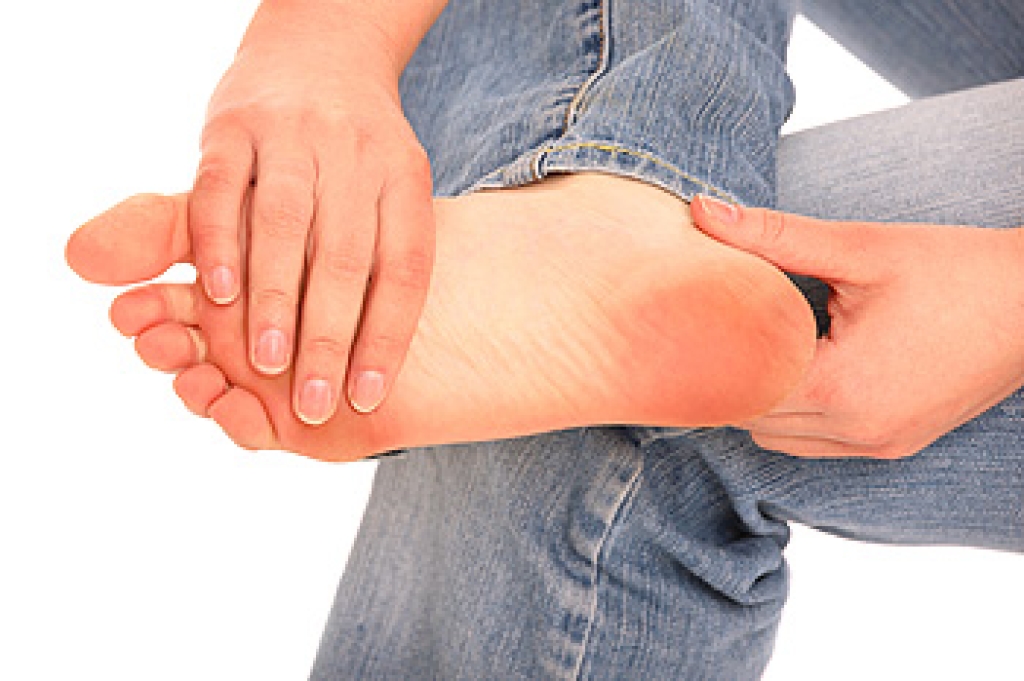
Read more about Plantar Fasciitis

Connect With Us