Three Common Foot Disorders

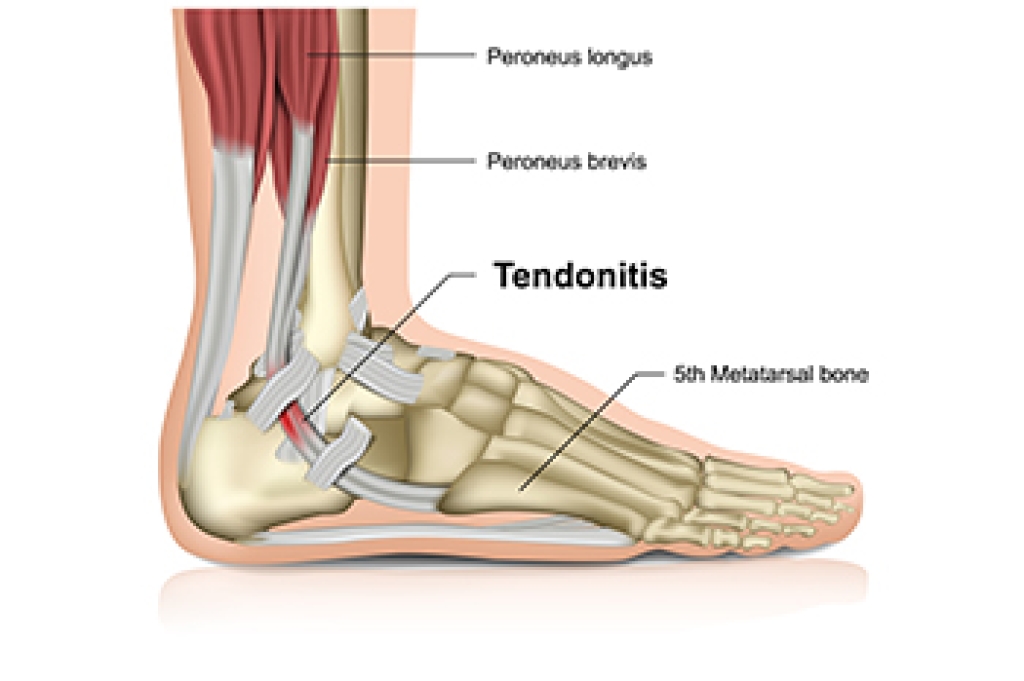
Bunions, plantar fasciitis, and Morton’s neuroma are common foot disorders that cause pain and difficulty walking. A bunion occurs when the big toe deviates from  the smaller toes, creating a bony bump at the base of the joint. A podiatrist can recommend modifying footwear, using orthotic devices, or, in persistent cases, performing surgery to correct the deformity. Plantar fasciitis, a painful inflammation of the connective tissue along the bottom of the foot, often causes heel pain, especially after periods of rest. Treatment includes stretching, wearing supportive footwear, orthotic inserts, or surgery, if symptoms remain after more conservative care. Morton’s neuroma involves thickening of nerve tissue between the toes, often leading to burning pain or numbness in the ball of the foot. A podiatrist may suggest shoe modifications, metatarsal pads, or carefully considered injections. If necessary, surgery may be needed to remove the affected nerve. If you regularly experience foot pain, it is suggested that you schedule an appointment with a podiatrist for a diagnosis and appropriate treatment.

Foot Pain

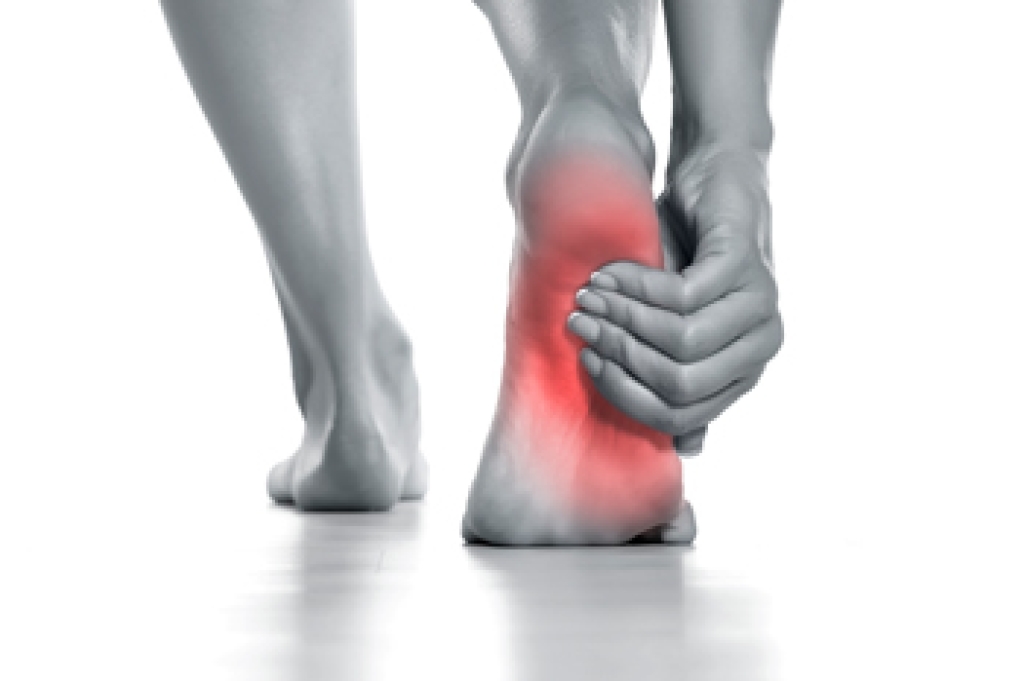
Foot pain can be extremely painful and debilitating. If you have a foot pain, consult with one of our podiatrists from Pennsylvania Foot & Ankle. Our doctors will assess your condition and provide you with quality foot and ankle treatment.

Causes

Foot pain is a very broad condition that could be caused by one or more ailments. The most common include:

  • Bunions
  • Hammertoes
  • Plantar Fasciitis
  • Bone Spurs
  • Corns
  • Tarsal Tunnel Syndrome
  • Ingrown Toenails
  • Arthritis (such as Gout, Rheumatoid, and Osteoarthritis)
  • Flat Feet
  • Injury (from stress fractures, broken toe, foot, ankle, Achilles tendon ruptures, and sprains)
  • And more

Diagnosis

To figure out the cause of foot pain, podiatrists utilize several different methods. This can range from simple visual inspections and sensation tests to X-rays and MRI scans. Prior medical history, family medical history, and any recent physical traumatic events will all be taken into consideration for a proper diagnosis.

Treatment

Treatment depends upon the cause of the foot pain. Whether it is resting, staying off the foot, or having surgery; podiatrists have a number of treatment options available for foot pain.

If you have any questions, please feel free to contact one of our offices located in Bensalem, Philadelphia, Northeast Philadelphia, Yardley, PA, and Hamilton, NJ . We offer the newest diagnostic and treatment technologies for all your foot care needs.
Read more about Foot Pain

Understanding Ingrown Toenails

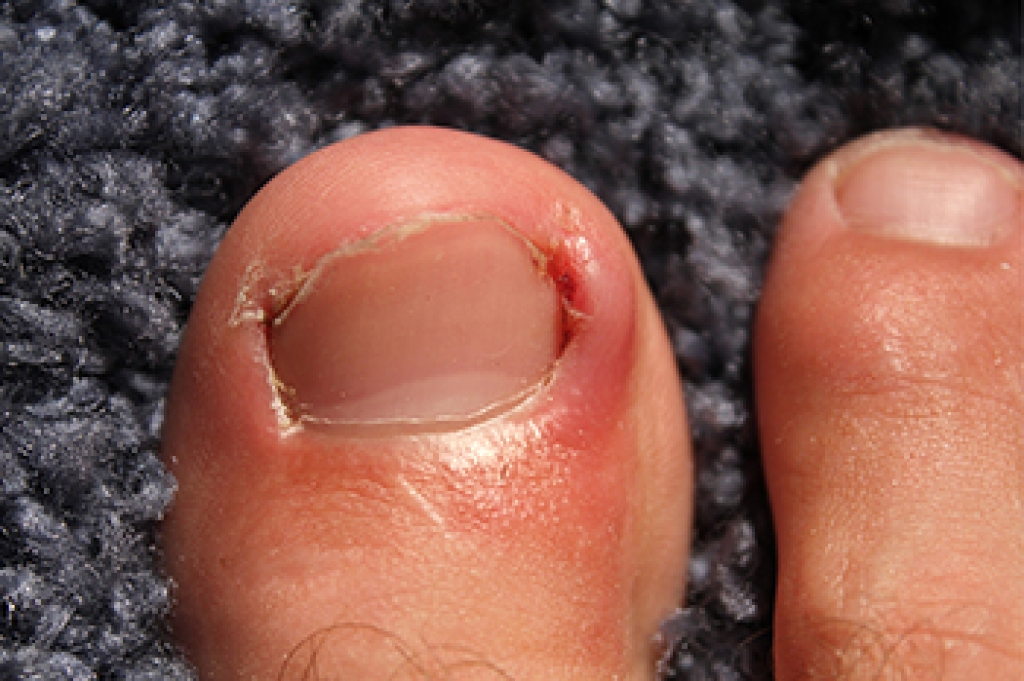
Ingrown toenails occur when the edge of a toenail grows into the surrounding skin, most commonly affecting the big toe. This condition can be caused by improper nail trimming, wearing tight shoes, injury, or genetic factors. People with curved or thick nails may be more prone to developing ingrown toenails. Symptoms include redness, swelling, pain along the nail edge, and sometimes infection with pus or drainage. The area can feel tender, sore, or even throb, making walking or wearing shoes uncomfortable. A podiatrist can evaluate the severity of the condition and provide relief. Treatment options include gently lifting the nail, removing part of the nail, or, in recurrent cases, performing a minor procedure to prevent the nail from growing back improperly. They may also recommend proper foot care techniques and footwear changes to prevent future issues. If you have an ingrown toenail, is suggested that you schedule an appointment to see a podiatrist for appropriate treatment.

Ingrown toenails can become painful if they are not treated properly. For more information about ingrown toenails, contact one of our podiatrists of Pennsylvania Foot & Ankle. Our doctors can provide the care you need to keep you pain-free and on your feet.

Ingrown Toenails

Ingrown toenails occur when a toenail grows sideways into the bed of the nail, causing pain, swelling, and possibly infection.

Causes

  • Bacterial infections
  • Improper nail cutting such as cutting it too short or not straight across
  • Trauma to the toe, such as stubbing, which causes the nail to grow back irregularly
  • Ill-fitting shoes that bunch the toes too close together
  • Genetic predisposition

Prevention

Wearing proper fitting shoes and using proper cutting techniques will also help decrease your risk of developing ingrown toenails.

Treatment

Ingrown toenails are a very treatable foot condition. In minor cases, soaking the affected area in salt or antibacterial soaps will not only help with the ingrown nail itself, but also help prevent any infections from occurring. In more severe cases, surgery is an option. In either case, speaking to your podiatrist about this condition will help you get a better understanding of specific treatment options that are right for you.

If you have any questions, please feel free to contact one of our offices located in Bensalem, Philadelphia, Northeast Philadelphia, Yardley, PA, and Hamilton, NJ . We offer the newest diagnostic and treatment technologies for all your foot care needs.

Read more about Ingrown Toenails

Understanding Hammertoe

Hammertoe is a foot deformity in which one or more of the smaller toes bend abnormally at the middle joint, creating a curled or hammer-like appearance. This condition often develops gradually and can become rigid over time if not treated. Common causes include an imbalance in the muscles or tendons that control toe movement, often triggered by wearing tight or ill-fitting shoes that crowd the toes. Repeated pressure and friction can worsen the deformity. Risk factors include having a longer second toe, certain inherited foot structures, or conditions such as arthritis and diabetes. Wearing high heels or shoes with narrow toe boxes may also increase the likelihood of developing hammertoe. If you have signs of hammertoe, it is suggested that you are under the care of a podiatrist who can offer effective relief and treatment methods.

Hammertoe

Hammertoes can be a painful condition to live with. For more information, contact one of our podiatrists from Pennsylvania Foot & Ankle. Our doctors will answer any of your foot- and ankle-related questions.

Hammertoe is a foot deformity that affects the joints of the second, third, fourth, or fifth toes of your feet. It is a painful foot condition in which these toes curl and arch up, which can often lead to pain when wearing footwear.

Symptoms

  • Pain in the affected toes
  • Development of corns or calluses due to friction
  • Inflammation
  • Redness
  • Contracture of the toes

Causes

Genetics – People who are genetically predisposed to hammertoe are often more susceptible

Arthritis – Because arthritis affects the joints in your toes, further deformities stemming from arthritis can occur

Trauma – Direct trauma to the toes could potentially lead to hammertoe

Ill-fitting shoes – Undue pressure on the front of the toes from ill-fitting shoes can potentially lead to the development of hammertoe

Treatment

Orthotics – Custom made inserts can be used to help relieve pressure placed on the toes and therefore relieve some of the pain associated with it

Medications – Oral medications such as anti-inflammatories or NSAIDs could be used to treat the pain and inflammation hammertoes causes. Injections of corticosteroids are also sometimes used

Surgery – In more severe cases where the hammertoes have become more rigid, foot surgery is a potential option

If you have any questions, please feel free to contact one of our offices located in Bensalem, Philadelphia, Northeast Philadelphia, Yardley, PA, and Hamilton, NJ . We offer the newest diagnostic and treatment technologies for all your foot care needs.
Read more about Hammertoe

Plantar Warts Can Be Treated!

Plantar warts are small growths that develop on parts of the feet that bear weight. They're typically found on the bottom of the foot. Don't live with plantar warts, and call us today!

Types of Toe Fractures

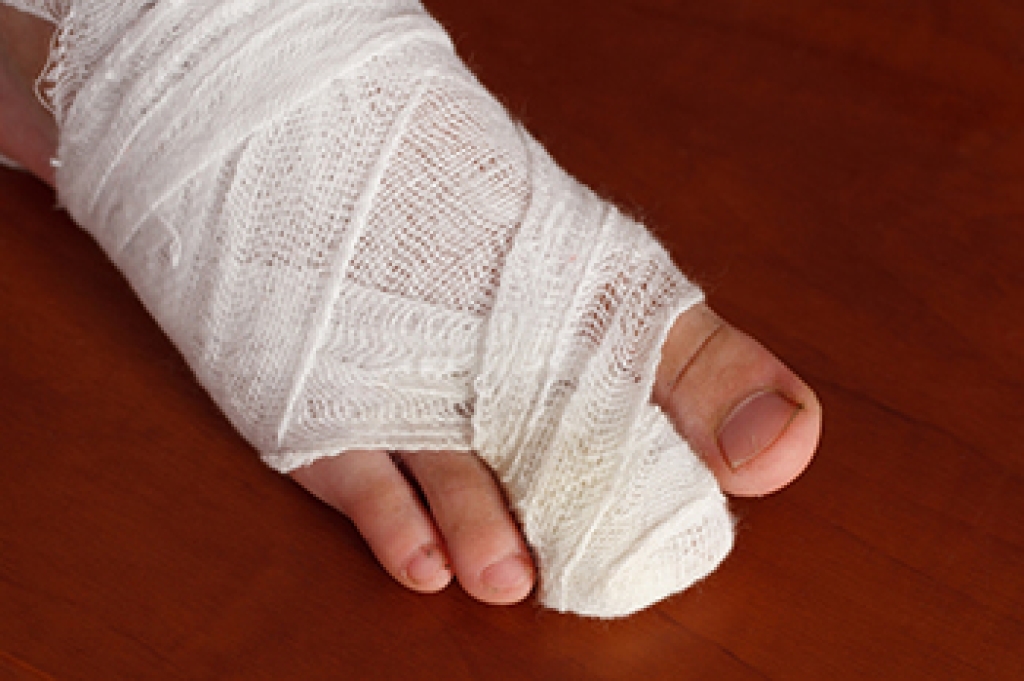
Toe fractures usually result from direct trauma, such as stubbing the toe or dropping something on the foot. The most frequently affected areas are the lesser toes, especially the part of the toe closest to the rest of the foot. Types of toe fractures include simple fractures, where the bone remains intact under the skin, and compound fractures, where the bone breaks through the skin and may lead to infection. Avulsion fractures occur when a tendon or ligament pulls a piece of bone away, while comminuted fractures involve the bone shattering into multiple fragments. Intra-articular fractures extend into the joint and may affect long-term toe mobility, and dislocation fractures combine a bone break with joint misalignment. A podiatrist can assess the injury using imaging such as X-rays to determine the type of fracture and the degree of bone displacement. Treatment may involve immobilization with a cast or walking boot, or in more severe cases, surgery to realign and secure the bones. If you have broken or severely bruised your toe, it is suggested that you schedule an appointment with a podiatrist for appropriate treatment.

A broken toe can be very painful and lead to complications if not properly fixed. If you have any concerns about your feet, contact one of our podiatrists from Pennsylvania Foot & Ankle. Our doctors will treat your foot and ankle needs.

What to Know About a Broken Toe

Although most people try to avoid foot trauma such as banging, stubbing, or dropping heavy objects on their feet, the unfortunate fact is that it is a common occurrence. Given the fact that toes are positioned in front of the feet, they typically sustain the brunt of such trauma. When trauma occurs to a toe, the result can be a painful break (fracture).

Symptoms of a Broken Toe

  • Throbbing pain
  • Swelling
  • Bruising on the skin and toenail
  • The inability to move the toe
  • Toe appears crooked or disfigured
  • Tingling or numbness in the toe

Generally, it is best to stay off of the injured toe with the affected foot elevated.

Severe toe fractures may be treated with a splint, cast, and in some cases, minor surgery. Due to its position and the pressure it endures with daily activity, future complications can occur if the big toe is not properly treated.

If you have any questions, please feel free to contact one of our offices located in Bensalem, Philadelphia, Northeast Philadelphia, Yardley, PA, and Hamilton, NJ . We offer the newest diagnostic and treatment technologies for all your foot care needs.
Read more about What to Know About a Broken Toe

Taking Care of Your Feet

The feet are essential yet often overlooked parts of our body. With 26 bones, 33 joints, and a network of nerves and blood vessels, they provide the stability and balance necessary for every step you take. When issues arise, whether it is discomfort or more serious conditions, the pain can be intense and disrupt daily life. This is particularly true for those with diabetes, as foot complications can quickly escalate into severe problems. Ignoring foot health can lead to chronic pain, mobility problems, and even severe conditions like infections or deformities. Wearing shoes that fit properly and taking time for foot care are key to preventing these issues. A podiatrist can help diagnose foot problems early and offer solutions, from custom orthotics to treatment for existing conditions. They can guide you in maintaining healthy feet and prevent further complications. If you are dealing with foot pain or other issues related to your feet, it is suggested that you make an appointment with a podiatrist.

Everyday foot care is very important to prevent infection and other foot ailments. If you need your feet checked, contact one of our podiatrists from Pennsylvania Foot & Ankle. Our doctors can provide the care you need to keep you pain-free and on your feet.

Everyday Foot Care

Often, people take care of their bodies, face and hair more so than they do for their feet. But the feet are a very important aspect of our bodies, and one that we should pay more attention to. Without our feet, we would not be able to perform most daily tasks.

It is best to check your feet regularly to make sure there are no new bruises or cuts that you may not have noticed before. For dry feet, moisturizer can easily be a remedy and can be applied as often as necessary to the affected areas. Wearing shoes that fit well can also help you maintain good foot health, as well as making it easier to walk and do daily activities without the stress or pain of ill-fitting shoes, high heels, or even flip flops. Wearing clean socks with closed shoes is important to ensure that sweat and bacteria do not accumulate within the shoe. Clean socks help to prevent Athlete’s foot, fungi problems, bad odors, and can absorb sweat.

If you have any questions, please feel free to contact one of our offices located in Bensalem, Philadelphia, Northeast Philadelphia, Yardley, PA, and Hamilton, NJ . We offer the newest diagnostic and treatment technologies for all your foot care needs.
Read more about Every Day Foot Care

Painful Gout Attacks at Night

Gout attacks at night can be particularly debilitating, causing severe pain, swelling, and redness in the feet that can interfere with sleep. This form of arthritis is caused by a buildup of uric acid in the joints, often targeting the big toe, which is more susceptible to stress and cooler temperatures. Factors such as dehydration, lower body temperature, and reduced cortisol levels during sleep, can trigger these nighttime flare-ups. The pain from a gout attack can be so intense that finding relief becomes a challenge without professional help. A podiatrist can evaluate your symptoms, confirm the diagnosis, and provide treatment to help prevent future flare-ups. Recommendations may include lifestyle adjustments like dietary changes, weight management, and anti-inflammatory treatments to ease pain and swelling. Effectively managing gout not only helps protect your feet and joints but also promotes better sleep. If you are struggling with painful gout attacks at night, it is suggested that you schedule an appointment with a podiatrist.

Gout is a painful condition that can be treated. If you are seeking treatment, contact one of our podiatrists from Pennsylvania Foot & Ankle. Our doctors will treat your foot and ankle needs.

What Is Gout?

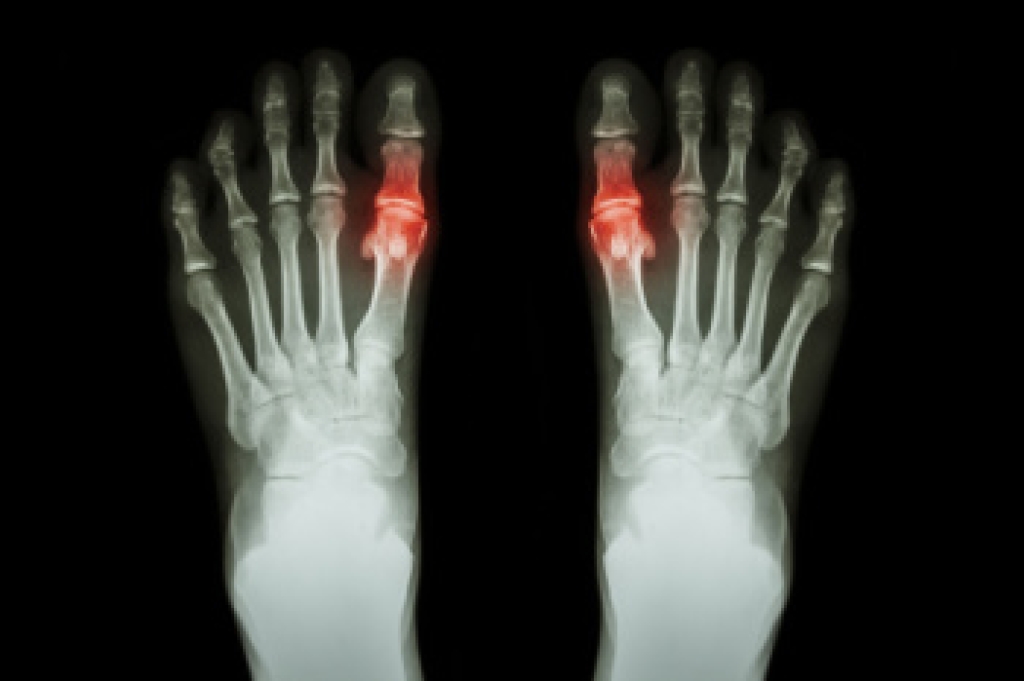
Gout is a form of arthritis that is characterized by sudden, severe attacks of pain, redness, and tenderness in the joints. The condition usually affects the joint at the base of the big toe. A gout attack can occur at any random time, such as the middle of the night while you are asleep.

Symptoms

  • Intense Joint Pain - Usually around the large joint of your big toe, and it most severe within the first four to twelve hours
  • Lingering Discomfort - Joint discomfort may last from a few days to a few weeks
  • Inflammation and Redness -Affected joints may become swollen, tender, warm and red
  • Limited Range of Motion - May experience a decrease in joint mobility

Risk Factors

  • Genetics - If family members have gout, you’re more likely to have it
  • Medications - Diuretic medications can raise uric acid levels
  • Gender/Age - Gout is more common in men until the age of 60. It is believed that estrogen protects women until that point
  • Diet - Eating red meat and shellfish increases your risk
  • Alcohol - Having more than two alcoholic drinks per day increases your risk
  • Obesity - Obese people are at a higher risk for gout

Prior to visiting your podiatrist to receive treatment for gout, there are a few things you should do beforehand. If you have gout you should write down your symptoms--including when they started and how often you experience them, important medical information you may have, and any questions you may have. Writing down these three things will help your podiatrist in assessing your specific situation so that he or she may provide the best route of treatment for you.

If you have any questions, please feel free to contact one of our offices located in Bensalem, Philadelphia, Northeast Philadelphia, Yardley, PA, and Hamilton, NJ . We offer the newest diagnostic and treatment technologies for all your foot care needs.
Read more about Everything You Need to Know About Gout

Understanding Sever’s Disease

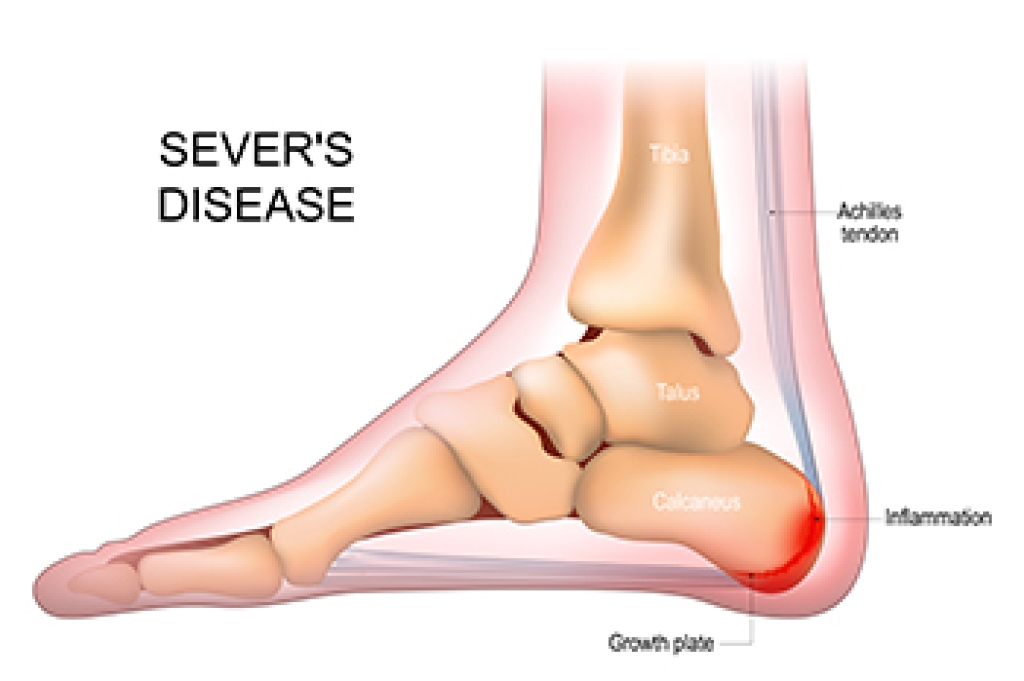
Sever’s disease is a common cause of heel pain in growing children, particularly those who are active in sports. It occurs when the growth plate in the heel becomes inflamed due to repetitive stress and tension from the Achilles tendon. This condition is most common during periods of rapid growth, when bones lengthen faster than muscles and tendons can adapt. Causes include excessive running, jumping, and footwear that lacks adequate support. Symptoms include pain and tenderness at the back of the heel, swelling, and difficulty walking or participating in physical activities. The discomfort may worsen with activity and improve with rest. If your active child has heel pain, it is suggested that you consult a podiatrist who can accurately diagnose and manage Sever’s disease.

Sever's disease often occurs in children and teens. If your child is experiencing foot or ankle pain, see one of our podiatrists from Pennsylvania Foot & Ankle. Our doctors can treat your child’s foot and ankle needs.

Sever’s Disease

Sever’s disease is also known as calcaneal apophysitis, which is a medical condition that causes heel pain I none or both feet. The disease is known to affect children between the ages of 8 and 14.

Sever’s disease occurs when part of the child’s heel known as the growth plate (calcaneal epiphysis) is attached to the Achilles tendon. This area can suffer injury when the muscles and tendons of the growing foot do not keep pace with bone growth. Therefore, the constant pain which one experiences at the back of the heel will make the child unable to put any weight on the heel. The child is then forced to walk on their toes.

Symptoms

Acute pain – Pain associated with Sever’s disease is usually felt in the heel when the child engages in physical activity such as walking, jumping and or running.

Highly active – Children who are very active are among the most susceptible in experiencing Sever’s disease, because of the stress and tension placed on their feet.

If you have any questions, please feel free to contact one of our offices located in Bensalem, Philadelphia, Northeast Philadelphia, Yardley, PA, and Hamilton, NJ . We offer the newest diagnostic and treatment technologies for all your foot care needs.
Read more about Sever's Disease

Achilles Tendon Injury in Dancers

Dancers place significant strain on the Achilles tendon due to repetitive movements, jumps, and intense footwork. This can lead to inflammation, microtears, or even more severe injuries if not properly managed. Overuse, inadequate warm-ups, and wearing improper footwear increase the risk of injury. Strengthening the calf muscles and improving flexibility through targeted exercises can help reduce strain on the tendon. Proper technique, gradual intensity progression, and sufficient rest between training sessions are essential for injury prevention. Supportive footwear and using appropriate dance surfaces can also minimize stress on the Achilles tendon. Paying attention to early signs of discomfort, such as stiffness or pain, allows for timely intervention. If you have sustained an Achilles tendon injury from dancing, it is suggested that you promptly contact a podiatrist who can offer effective treatment solutions and prevention tips.

Achilles tendon injuries need immediate attention to avoid future complications. If you have any concerns, contact one of our podiatrists of Pennsylvania Foot & Ankle. Our doctors can provide the care you need to keep you pain-free and on your feet.

What Is the Achilles Tendon?

The Achilles tendon is a tendon that connects the lower leg muscles and calf to the heel of the foot. It is the strongest tendon in the human body and is essential for making movement possible. Because this tendon is such an integral part of the body, any injuries to it can create immense difficulties and should immediately be presented to a doctor.

What Are the Symptoms of an Achilles Tendon Injury?

There are various types of injuries that can affect the Achilles tendon. The two most common injuries are Achilles tendinitis and ruptures of the tendon.

Achilles Tendinitis Symptoms

  • Inflammation
  • Dull to severe pain
  • Increased blood flow to the tendon
  • Thickening of the tendon

Rupture Symptoms

  • Extreme pain and swelling in the foot
  • Total immobility

Treatment and Prevention

Achilles tendon injuries are diagnosed by a thorough physical evaluation, which can include an MRI. Treatment involves rest, physical therapy, and in some cases, surgery. However, various preventative measures can be taken to avoid these injuries, such as:

  • Thorough stretching of the tendon before and after exercise
  • Strengthening exercises like calf raises, squats, leg curls, leg extensions, leg raises, lunges, and leg presses

If you have any questions please feel free to contact one of our offices located in Bensalem, Philadelphia, Northeast Philadelphia, Yardley, PA, and Hamilton, NJ . We offer the newest diagnostic tools and technology to treat your foot and ankle needs.

Read more about Achilles Tendon Injuries

Connect With Us