
Your feet are covered most of the day. If you're diabetic, periodic screening is important for good health. Numbness is often a sign of diabetic foot and can mask a sore or wound.
Your feet are covered most of the day. If you're diabetic, periodic screening is important for good health. Numbness is often a sign of diabetic foot and can mask a sore or wound.
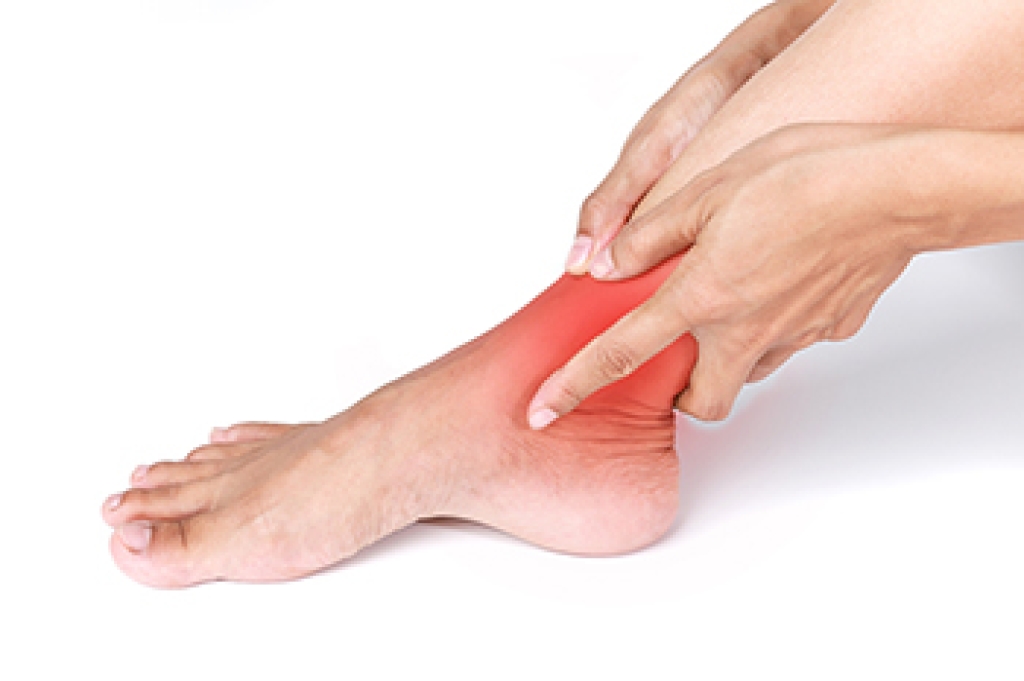
A type of injury that affects the lower inside of the leg, ankle, and arch is known as posterior tibialis tendonitis. Because injury to this tendon can easily be overlooked, it may cause ongoing problems with stability and arch support. Further, it can cause flat feet. Symptoms include painful inflammation to the inside of the ankle, difficulty bearing weight, tightness when flexing the foot, and tenderness in the arch. The most common causes of posterior tibialis tendonitis are a change in gait to compensate for pain from another injury or swelling in the ankle joint. One way to detect posterior tibialis tendonitis is to stand on tiptoe on the affected leg. Pain in this position may indicate injury. If so, it is a good idea to consult a podiatrist for a thorough exam and treatment options.
Ankle pain can have many different causes and the pain may potentially be serious. If you have ankle pain, consult with one of our podiatrists from Pennsylvania Foot & Ankle. Our doctors will assess your condition and provide you with quality foot and ankle treatment.
Ankle pain is any condition that causes pain in the ankle. Due to the fact that the ankle consists of tendons, muscles, bones, and ligaments, ankle pain can come from a number of different conditions.
Causes
The most common causes of ankle pain include:
Symptoms
Symptoms of ankle injury vary based upon the condition. Pain may include general pain and discomfort, swelling, aching, redness, bruising, burning or stabbing sensations, and/or loss of sensation.
Diagnosis
Due to the wide variety of potential causes of ankle pain, podiatrists will utilize a number of different methods to properly diagnose ankle pain. This can include asking for personal and family medical histories and of any recent injuries. Further diagnosis may include sensation tests, a physical examination, and potentially x-rays or other imaging tests.
Treatment
Just as the range of causes varies widely, so do treatments. Some more common treatments are rest, ice packs, keeping pressure off the foot, orthotics and braces, medication for inflammation and pain, and surgery.
If you have any questions please feel free to contact one of our offices located in Bensalem, Philadelphia, Northeast Philadelphia, Yardley, PA, and Hamilton, NJ . We offer the newest diagnostic tools and technology to treat your foot and ankle needs.
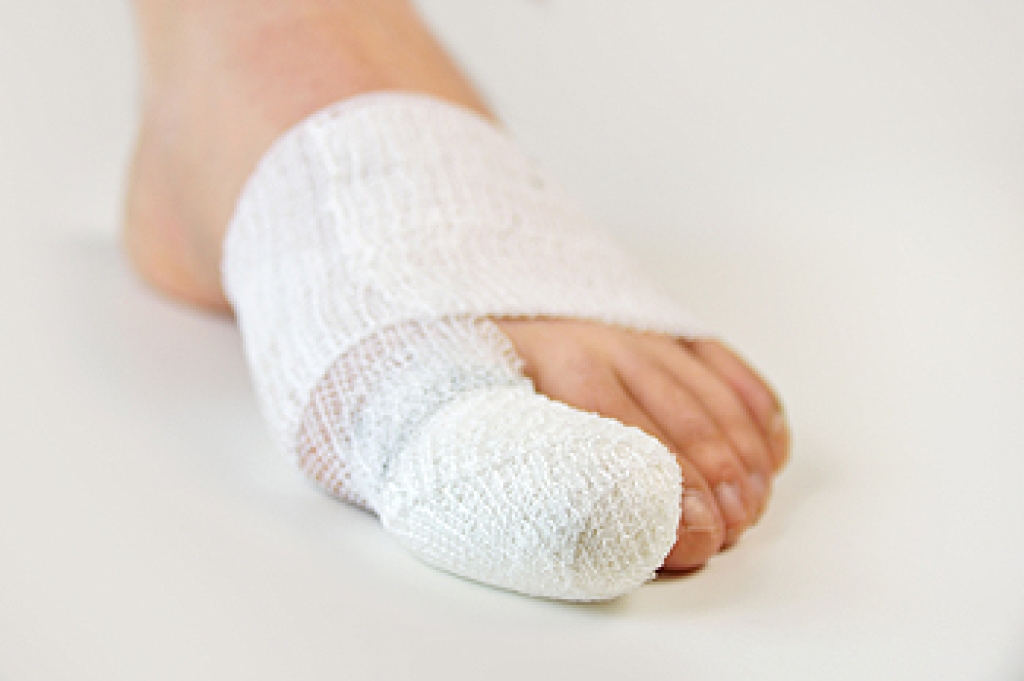
The most common causes of toe fractures are stubbing your toe (known medically as axial force) or by dropping something heavy on it. Symptoms of toe fractures include bruising, swelling, and throbbing pain. You likely will feel tenderness when you touch the site of the injury. The most common fractures are to the big toe. The big toe affects your balance, as well as your ability to walk and bear weight. A series of X-rays may be used to determine the site and severity of the break. A fractured big toe will usually be treated with a splint and rigid sole shoe to prevent joint movement. For the lesser toes, two or even three may be taped together with gauze in between to stabilize them, a process known as buddy taping. Some kind of open walking cast may also be used. It may take from three to six weeks for toe fractures to heal, or until point tenderness subsides. For help with a broken toe, or toes, it is suggested you consult with a podiatrist for appropriate treatment.
Broken toes may cause a lot of pain and should be treated as soon as possible. If you have any concerns about your feet, contact one of our podiatrists from Pennsylvania Foot & Ankle. Our doctors will treat your foot and ankle needs.
What Is a Broken Toe?
A broken toe occurs when one or more of the toe bones of the foot are broken after an injury. Injuries such as stubbing your toe or dropping a heavy object on it may cause a toe fracture.
Symptoms of a Broken Toe
Although the injured toe should be monitored daily, it is especially important to have a podiatrist look at your toe if you have severe symptoms. Some of these symptoms include worsening or new pain that is not relieved with medication, sores, redness, or open wounds near the toe.
If you have any questions please feel free to contact one of our offices located in Bensalem, Philadelphia, Northeast Philadelphia, Yardley, PA, and Hamilton, NJ . We offer the newest diagnostic tools and technology to treat your foot and ankle needs.
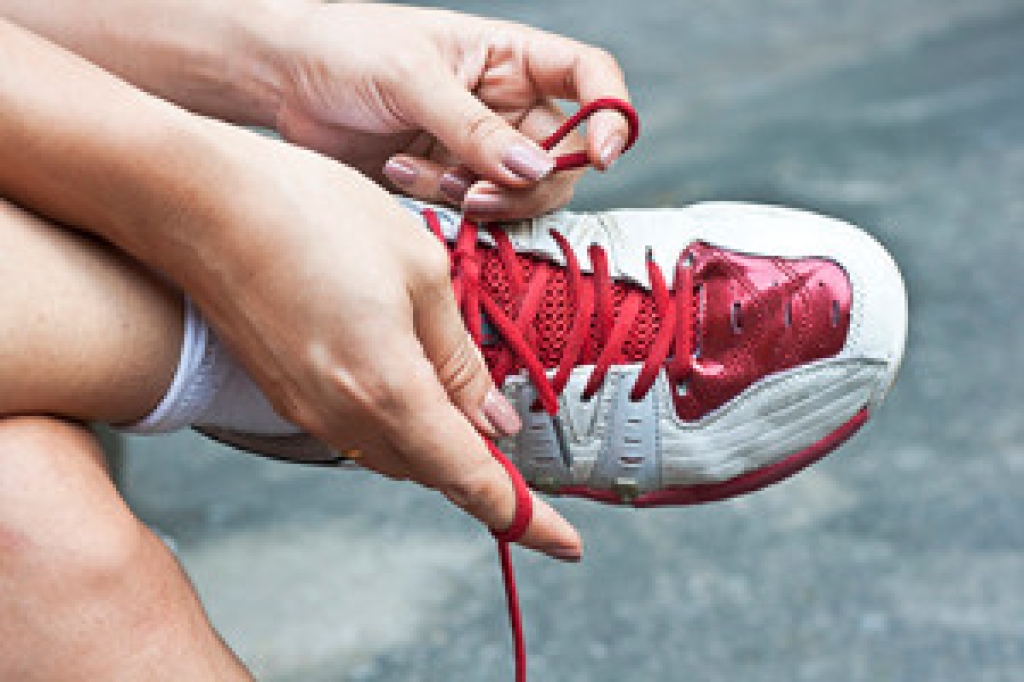
It’s not about the looks or the status, it’s about the fit. When in doubt, experts recommend that when shopping for running shoes to put fit over fashion, brand, or price. Shoes that are too tight can cause blisters, while shoes that are too wide can hurt your toes. Shoes that fit poorly can cause tendonitis, pinched nerves, heel pain, ankle sprains, and stress fractures. Signs that your shoes don’t fit properly include heel slippage, numbness on the top of the feet, and bruising on the toes. The best way to prevent these from occurring is to measure your feet while also wearing the socks you will use as you run. Check your foot measurements periodically, as foot size can change if you gain or lose weight. A rule of thumb is to have at least a half-inch of room between your toes and the end of the shoe. Running shoes usually run about half a size larger than street shoes, to allow for the feet to expand as you run. Try on several types of shoes before making a decision. If you need guidance on the best running shoe for you, please consult a podiatrist.
If you are a runner, wearing the right running shoe is essential. For more information, contact one of our podiatrists from Pennsylvania Foot & Ankle. Our doctors can provide the care you need to keep you pain-free and on your feet.
Choosing the Right Running Shoe for Your Foot Type
To increase performance and avoid the risk of injury, it is important to choose the right running shoe based on your foot type. The general design of running shoes revolves around pronation, which is how the ankle rolls from outside to inside when the foot strikes the ground.
If you have any questions, please feel free to contact one of our offices located in Bensalem, Philadelphia, Northeast Philadelphia, Yardley, PA, and Hamilton, NJ . We offer the newest diagnostic and treatment technologies for all your foot care needs.

You don't need an excuse to have beautiful nails. Step outside without worrying about the appearance of your feet.
Connect With Us
