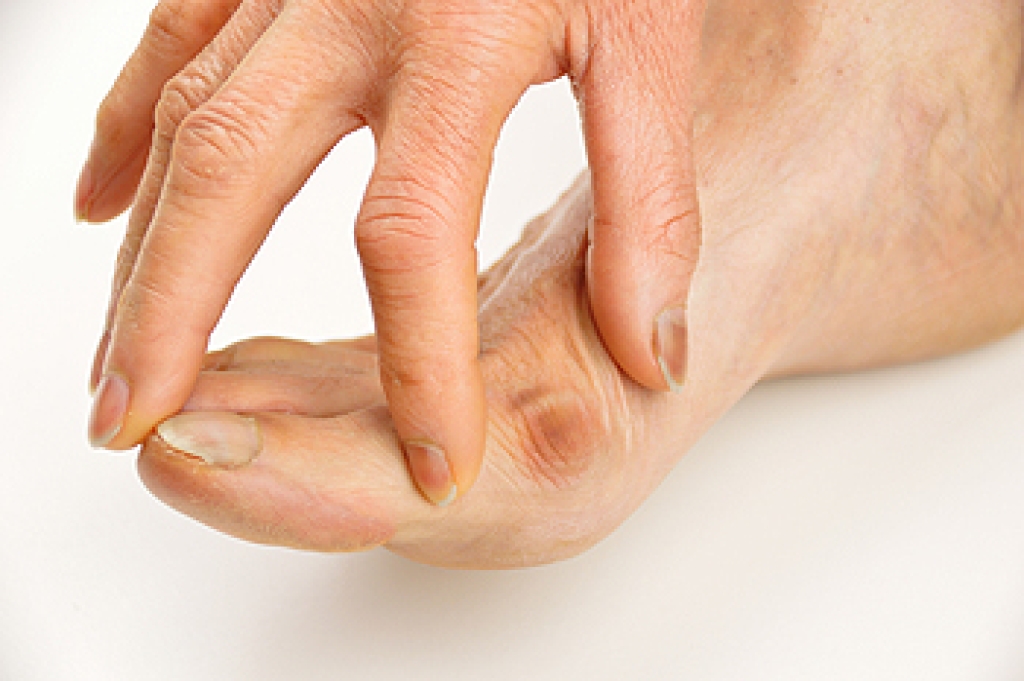
Corns and Bunions May Produce Foot Pain

There are many types of foot conditions that may cause considerable pain and discomfort, which can lead to limited mobility. The foot is comprised of several bones, tendons and ligaments and if any one of these should endure an injury, the overall function of the body may be compromised. There are several types of foot pain most of the population may experience at some point in their lives. These may include having a corn develop, which is a small and yellowish area that generally forms on the top of the toes. This is typically the result of wearing shoes that fit incorrectly. Additionally, a bony protrusion that forms on the side of the big toe is referred to as a bunion and may develop from having arthritis or wearing improper footwear. If a fall has occurred, spraining or breaking the ankle may be a painful consequence. If you are experiencing any type of foot pain, it is advised to seek the counsel of a podiatrist who can properly treat these conditions.

Foot Pain

Foot pain can be extremely painful and debilitating. If you have a foot pain, consult with one of our podiatrists from Pennsylvania Foot & Ankle. Our doctors will assess your condition and provide you with quality foot and ankle treatment.

Causes

Foot pain is a very broad condition that could be caused by one or more ailments. The most common include:

  • Bunions
  • Hammertoes
  • Plantar Fasciitis
  • Bone Spurs
  • Corns
  • Tarsal Tunnel Syndrome
  • Ingrown Toenails
  • Arthritis (such as Gout, Rheumatoid, and Osteoarthritis)
  • Flat Feet
  • Injury (from stress fractures, broken toe, foot, ankle, Achilles tendon ruptures, and sprains)
  • And more

Diagnosis

To figure out the cause of foot pain, podiatrists utilize several different methods. This can range from simple visual inspections and sensation tests to X-rays and MRI scans. Prior medical history, family medical history, and any recent physical traumatic events will all be taken into consideration for a proper diagnosis.

Treatment

Treatment depends upon the cause of the foot pain. Whether it is resting, staying off the foot, or having surgery; podiatrists have a number of treatment options available for foot pain.

If you have any questions, please feel free to contact one of our offices located in Bensalem, Philadelphia, Northeast Philadelphia, Yardley, PA, and Hamilton, NJ . We offer the newest diagnostic and treatment technologies for all your foot care needs.


Read more about Foot Pain

Possible Causes of Gout

The painful condition that is known as gout is a form of arthritis. The pain is a result of excess uric acid that accumulates in the blood. This may cause crystals to form, which lodge in the joints of the big toe, and any inflammation that may occur will typically cause severe pain. This condition may develop if certain foods are ingested in excess on a frequent basis. These may include shellfish, red meat, or alcohol, and it is suggested to alter these choices for the possible prevention of gout. Research has shown there may be other factors why gout may develop, including genetic traits, ingesting specific medications, or enduring a recent trauma. If you feel you have gout, it is suggested to speak with a podiatrist as quickly as possible, so correct treatment options can be implemented.

Gout is a foot condition that requires certain treatment and care. If you are seeking treatment, contact one of our podiatrists from Pennsylvania Foot & Ankle. Our doctors will treat your foot and ankle needs.

What Is Gout?

Gout is a type of arthritis caused by a buildup of uric acid in the bloodstream. It often develops in the foot, especially the big toe area, although it can manifest in other parts of the body as well. Gout can make walking and standing very painful and is especially common in diabetics and the obese.

People typically get gout because of a poor diet. Genetic predisposition is also a factor. The children of parents who have had gout frequently have a chance of developing it themselves.

Gout can easily be identified by redness and inflammation of the big toe and the surrounding areas of the foot. Other symptoms include extreme fatigue, joint pain, and running high fevers. Sometimes corticosteroid drugs can be prescribed to treat gout, but the best way to combat this disease is to get more exercise and eat a better diet.

If you have any questions, please feel free to contact one of our offices located in Bensalem, Philadelphia, Northeast Philadelphia, Yardley, PA, and Hamilton, NJ . We offer the newest diagnostic and treatment technologies for all your foot care needs.
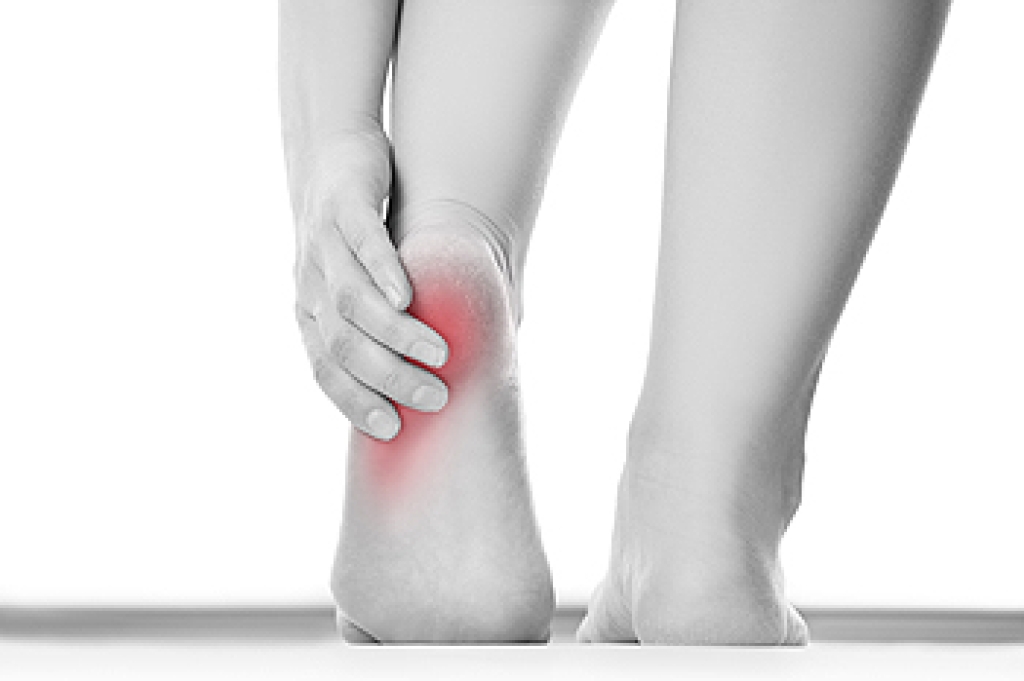
Read more about Everything You Need to Know About Gout

What Causes a Stress Fracture?

Research has shown that when bones in the foot endure repeated impact, the result may be a stress fracture. The muscles and tendons may become overworked, and a small crack may appear in the bones. The name of the bones that a stress fracture may most likely occur in is the second and third metatarsals of the foot, and this may be due to the fact that they are longer and thinner than the first metatarsal, which may enable a break to happen easier. This type of fracture will typically appear in the bones of the foot because they bear the weight of the body. Many people who participate in specific sports including volleyball, soccer, or tennis may experience stress fractures, which may be a result of not stretching the muscles properly before engaging in these sports. The symptoms that are associated with this type of injury may include pain and discomfort while walking or running, tenderness when touched, in addition to bruising and swelling. If you feel you may possibly have a stress fracture in your foot, it’s suggested to speak with a podiatrist as quickly as possible so correct treatment can begin.

Stress fractures occur when there is a tiny crack within a bone. To learn more, contact one of our podiatrists from Pennsylvania Foot & Ankle. Our doctors can provide the care you need to keep you pain free and on your feet.

How Are They Caused?

Stress fractures are the result of repetitive force being placed on the bone. Since the lower leg and feet often carry most of the body’s weight, stress fractures are likely to occur in these areas. If you rush into a new exercise, you are more likely to develop a stress fracture since you are starting too much, too soon.  Pain resulting from stress fractures may go unnoticed at first, however it may start to worsen over time.

Risk Factors

  • Gender – They are more commonly found in women compared to men.
  • Foot Problems – People with unusual arches in their feet are more likely to develop stress fractures.
  • Certain Sports – Dancers, gymnasts, tennis players, runners, and basketball players are more likely to develop stress fractures.
  • Lack of Nutrients – A lack of vitamin D and calcium may weaken the bones and make you more prone to stress fractures
  • Weak Bones – Osteoporosis can weaken the bones therefore resulting in stress fractures

Stress fractures do not always heal properly, so it is important that you seek help from a podiatrist if you suspect you may have one. Ignoring your stress fracture may cause it to worsen, and you may develop chronic pain as well as additional fractures.

If you have any questions please contact one of our offices located in Bensalem, Philadelphia, Northeast Philadelphia, Yardley, PA, and Hamilton, NJ . We offer the newest diagnostic and treatment technologies for all your foot and ankle needs.

Read more about Stress Fractures of the Foot and Ankle

What is Plantar Fasciitis?

There is a portion of tissue that is located on the bottom of the foot, which is referred to as the plantar fascia. The function of this part of the foot is to connect the toes to the heel bone. If this should become damaged as a result of an injury or repeated strain the foot may have endured, plantar fasciitis may develop and may typically cause severe pain and discomfort. Research has shown this is the most common form of heel pain, and noticeable symptoms may accompany this condition. Many patients may find it difficult to walk as a result of pressure on the heel, and this may be more severe as the first steps are taken in the morning. There are conditions that may exist, which may lead to the development of this condition, including having high arches in the feet, standing for extended periods of time, or wearing shoes that do not fit properly. If you have developed this painful condition, it is strongly suggested to seek the counsel of a podiatrist, who can perform a proper diagnosis and provide advice on correct treatment options.

Plantar fasciitis is a common foot condition that is often caused by a strain injury. If you are experiencing heel pain or symptoms of plantar fasciitis, contact one of our podiatrists from Pennsylvania Foot & Ankle. Our doctors can provide the care you need to keep you pain-free and on your feet.

What Is Plantar Fasciitis?

Plantar fasciitis is one of the most common causes of heel pain. The plantar fascia is a ligament that connects your heel to the front of your foot. When this ligament becomes inflamed, plantar fasciitis is the result. If you have plantar fasciitis you will have a stabbing pain that usually occurs with your first steps in the morning. As the day progresses and you walk around more, this pain will start to disappear, but it will return after long periods of standing or sitting.

What Causes Plantar Fasciitis?

  • Excessive running
  • Having high arches in your feet
  • Other foot issues such as flat feet
  • Pregnancy (due to the sudden weight gain)
  • Being on your feet very often

There are some risk factors that may make you more likely to develop plantar fasciitis compared to others. The condition most commonly affects adults between the ages of 40 and 60. It also tends to affect people who are obese because the extra pounds result in extra stress being placed on the plantar fascia.

Prevention

  • Take good care of your feet – Wear shoes that have good arch support and heel cushioning.
  • Maintain a healthy weight
  • If you are a runner, alternate running with other sports that won’t cause heel pain

There are a variety of treatment options available for plantar fasciitis along with the pain that accompanies it. Additionally, physical therapy is a very important component in the treatment process. It is important that you meet with your podiatrist to determine which treatment option is best for you.

If you have any questions, please feel free to contact one of our offices located in Bensalem, Philadelphia, Northeast Philadelphia, Yardley, PA, and Hamilton, NJ . We offer the newest diagnostic and treatment technologies for all your foot care needs.
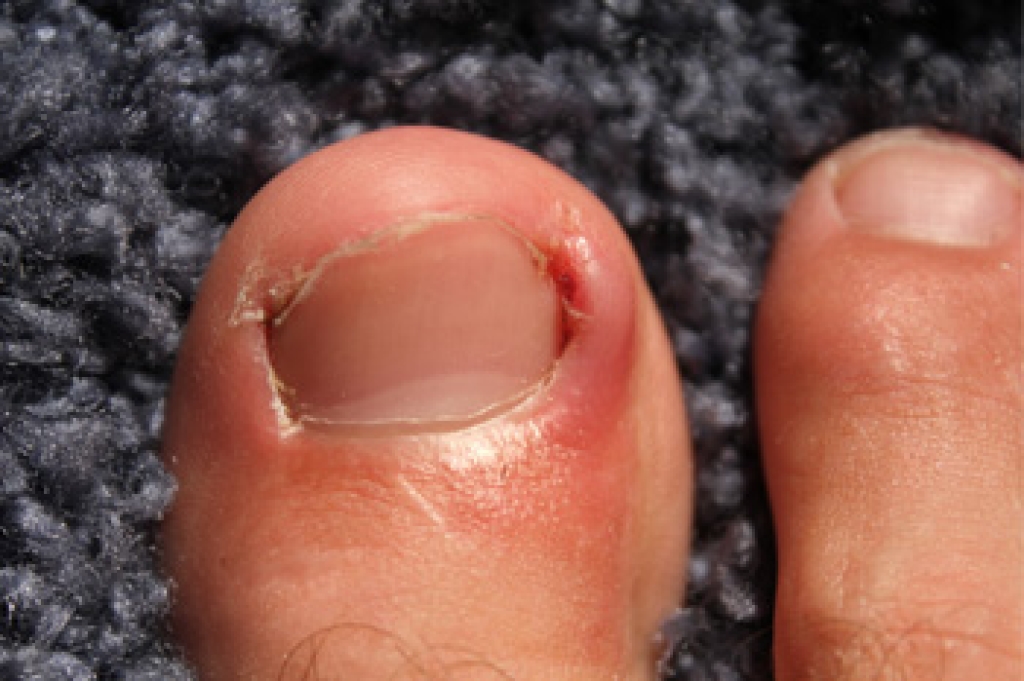
 

Read more about Plantar Fasciitis

What Causes an Ingrown Toenail?

A red, tender, and swollen area will appear on the side of the big toe if you are experiencing an ingrown toenail. This uncomfortable condition is typically a result of wearing shoes that fit too tightly, enduring an injury to the toe, or trimming the toenails incorrectly. In more severe cases, there may be an excess of fluid that builds up surrounding the affected area, or the toe could bleed or have pus draining from it. Ingrown toenails develop when the nail grows into the skin on the side of the toe, and pain generally accompanies this ailment. It is suggested to seek treatment as quickly as possible, and this may prevent infection. There are several ways to prevent ingrown toenails from developing, including wearing shoes that fit properly, wearing clean socks, and washing the feet daily. Research has shown that a common treatment method is referred to as a partial nail avulsion, and this involves removing a portion of the infected toenail. If you feel you have developed an ingrown toenail, it is advised to counsel with a podiatrist, so the best treatment option can be determined.

Ingrown toenails can become painful if they are not treated properly. For more information about ingrown toenails, contact one of our podiatrists of Pennsylvania Foot & Ankle. Our doctors can provide the care you need to keep you pain-free and on your feet.

Ingrown Toenails

Ingrown toenails occur when a toenail grows sideways into the bed of the nail, causing pain, swelling, and possibly infection.

Causes

  • Bacterial infections
  • Improper nail cutting such as cutting it too short or not straight across
  • Trauma to the toe, such as stubbing, which causes the nail to grow back irregularly
  • Ill-fitting shoes that bunch the toes too close together
  • Genetic predisposition

Prevention

Wearing proper fitting shoes and using proper cutting techniques will also help decrease your risk of developing ingrown toenails.

Treatment

Ingrown toenails are a very treatable foot condition. In minor cases, soaking the affected area in salt or antibacterial soaps will not only help with the ingrown nail itself, but also help prevent any infections from occurring. In more severe cases, surgery is an option. In either case, speaking to your podiatrist about this condition will help you get a better understanding of specific treatment options that are right for you.

If you have any questions, please feel free to contact one of our offices located in Bensalem, Philadelphia, Northeast Philadelphia, Yardley, PA, and Hamilton, NJ . We offer the newest diagnostic and treatment technologies for all your foot care needs.

Read more about Ingrown Toenails

Connect With Us