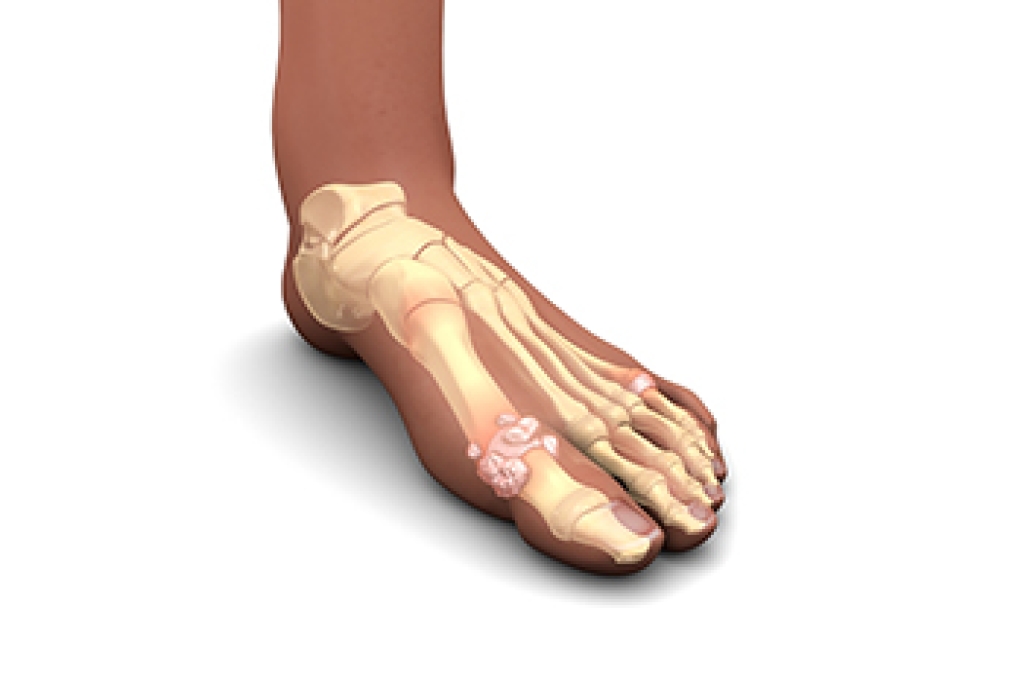
What Can Cause Gout?

The foot condition that is known as gout can happen suddenly. It is accompanied by severe pain and discomfort, and it is often difficult to walk. It is an ailment that affects the joints in the big toe, causing it to throb and have a burning sensation. Gout can happen if there is a family history of it occurring or possibly from the foods that are eaten. These types of foods have purines in them and include red meat, shellfish, and drinks that are made with large amounts of sugar. Eating these foods can prompt excess uric acid to form in the joints, possibly causing gout to develop. Gout attacks may be reduced when a healthy diet is implemented, in addition to engaging in a gentle exercise program. Also, it is helpful to avoid sugary foods, and it can be beneficial to drink plenty of water daily. If you have pain in your big toe, it is strongly suggested that you do not hesitate in contacting a podiatrist who can provide effective relief options and additional prevention methods.

Gout is a painful condition that can be treated. If you are seeking treatment, contact one of our podiatrists from Pennsylvania Foot & Ankle. Our doctors will treat your foot and ankle needs.

What Is Gout?

Gout is a form of arthritis that is characterized by sudden, severe attacks of pain, redness, and tenderness in the joints. The condition usually affects the joint at the base of the big toe. A gout attack can occur at any random time, such as the middle of the night while you are asleep.

Symptoms

  • Intense Joint Pain - Usually around the large joint of your big toe, and it most severe within the first four to twelve hours
  • Lingering Discomfort - Joint discomfort may last from a few days to a few weeks
  • Inflammation and Redness -Affected joints may become swollen, tender, warm and red
  • Limited Range of Motion - May experience a decrease in joint mobility

Risk Factors

  • Genetics - If family members have gout, you’re more likely to have it
  • Medications - Diuretic medications can raise uric acid levels
  • Gender/Age - Gout is more common in men until the age of 60. It is believed that estrogen protects women until that point
  • Diet - Eating red meat and shellfish increases your risk
  • Alcohol - Having more than two alcoholic drinks per day increases your risk
  • Obesity - Obese people are at a higher risk for gout

Prior to visiting your podiatrist to receive treatment for gout, there are a few things you should do beforehand. If you have gout you should write down your symptoms--including when they started and how often you experience them, important medical information you may have, and any questions you may have. Writing down these three things will help your podiatrist in assessing your specific situation so that he or she may provide the best route of treatment for you.

If you have any questions, please feel free to contact one of our offices located in Bensalem, Philadelphia, Northeast Philadelphia, Yardley, PA, and Hamilton, NJ . We offer the newest diagnostic and treatment technologies for all your foot care needs.
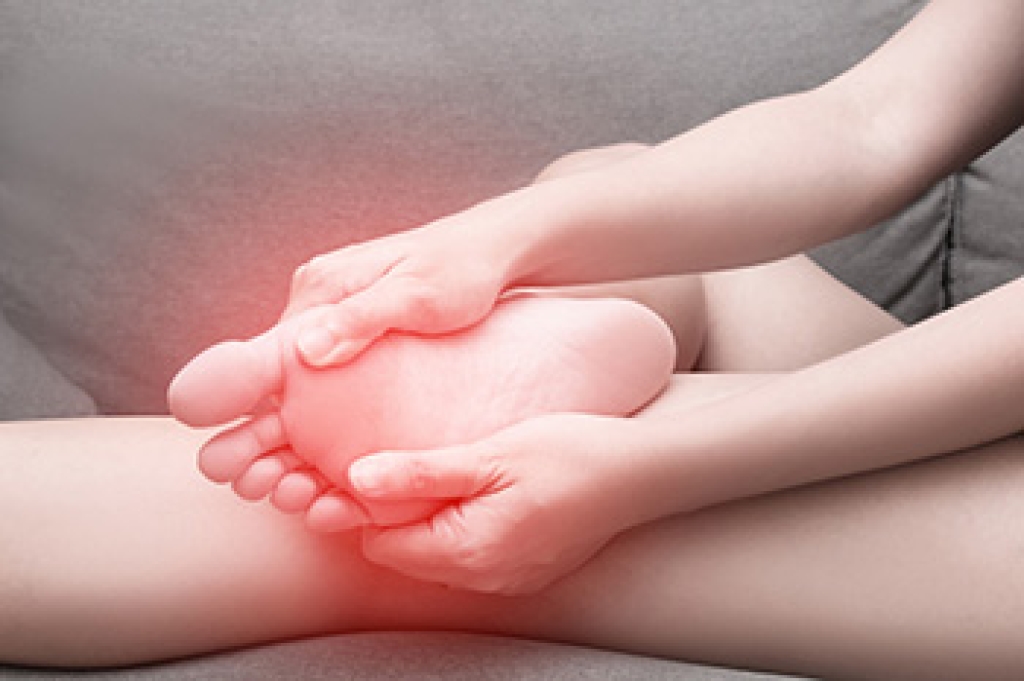
Read more about Everything You Need to Know About Gout

Causes of Pain in the Ball of the Foot

Pain in the ball of the foot, termed metatarsalgia, can have many causes. One of the most common causes is a condition called Morton’s neuroma. This ailment is the result of a pinched nerve and is most often felt between the third and fourth toes. Symptoms include sharp pain, numbness, burning, and tingling. Bunions are another common cause of metatarsalgia. The bony bump at the base of the big toe can become painful, and the changes in gait and posture that result often bring pain to the ball of the foot. Wearing high heels, especially those with a narrow and pointed toe box, is a further cause of pain in the ball of the foot. This type of shoe places the body’s weight onto the ball of the foot and exerts pressure on the metatarsals, as well as the joints between the toes and the foot. Being overweight also puts a person at higher risk of metatarsalgia. For help with any of these symptoms, it is suggested that you make an appointment with a podiatrist for treatment options.

Foot Pain

Foot pain can be extremely painful and debilitating. If you have a foot pain, consult with one of our podiatrists from Pennsylvania Foot & Ankle. Our doctors will assess your condition and provide you with quality foot and ankle treatment.

Causes

Foot pain is a very broad condition that could be caused by one or more ailments. The most common include:

  • Bunions
  • Hammertoes
  • Plantar Fasciitis
  • Bone Spurs
  • Corns
  • Tarsal Tunnel Syndrome
  • Ingrown Toenails
  • Arthritis (such as Gout, Rheumatoid, and Osteoarthritis)
  • Flat Feet
  • Injury (from stress fractures, broken toe, foot, ankle, Achilles tendon ruptures, and sprains)
  • And more

Diagnosis

To figure out the cause of foot pain, podiatrists utilize several different methods. This can range from simple visual inspections and sensation tests to X-rays and MRI scans. Prior medical history, family medical history, and any recent physical traumatic events will all be taken into consideration for a proper diagnosis.

Treatment

Treatment depends upon the cause of the foot pain. Whether it is resting, staying off the foot, or having surgery; podiatrists have a number of treatment options available for foot pain.

If you have any questions, please feel free to contact one of our offices located in Bensalem, Philadelphia, Northeast Philadelphia, Yardley, PA, and Hamilton, NJ . We offer the newest diagnostic and treatment technologies for all your foot care needs.
Read more about Foot Pain

Various Types of Orthotics

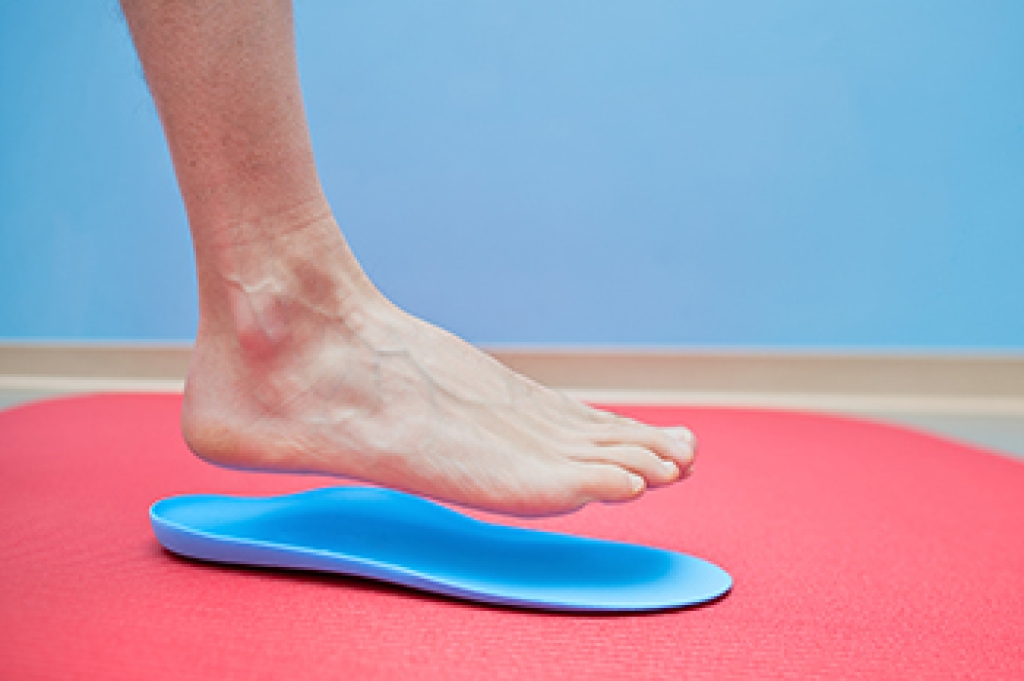
Many people choose to wear orthotics that can help to protect and realign the structure of the feet. Having plantar fasciitis, flat feet, and heel spurs are common conditions that may be helped by wearing custom-made orthotics. There are various types of insoles, consisting of every day and running. Insoles that are worn daily may last up to six months, and this can depend on how many hours they are worn. People who are athletes may be interested in learning about running insoles, which may last between three and four months. Patients who stand on their feet during the workday may benefit from wearing insoles in their work boots, and this can be successful in providing the necessary support while working. If you would like additional information about the types of orthotics that can be purchased, it is strongly suggested that you consult with a podiatrist who can guide you toward the type of orthotics that are best for you.

If you are having discomfort in your feet and would like to try orthotics, contact one of our podiatrists from Pennsylvania Foot & Ankle. Our doctors can provide the care you need to keep you pain-free and on your feet.

What Are Orthotics?

Orthotics are inserts you can place into your shoes to help with a variety of foot problems such as flat feet or foot pain. Orthotics provide relief and comfort for minor foot and heel pain but can’t correct serious biomechanical problems in your feet.

Over-the-Counter Inserts

Orthotics come in a wide variety of over-the-counter inserts that are used to treat foot pain, heel pain, and minor problems. For example, arch supports can be inserted into your shoes to help correct overarched or flat feet, while gel insoles are often used because they provide comfort and relief from foot and heel pain by alleviating pressure.

Prescription Orthotics

If over-the-counter inserts don’t work for you or if you have a more severe foot concern, it is possible to have your podiatrist prescribe custom orthotics. These high-quality inserts are designed to treat problems such as abnormal motion, plantar fasciitis, and severe forms of heel pain. They can even be used to help patients suffering from diabetes by treating foot ulcers and painful calluses and are usually molded to your feet individually, which allows them to provide full support and comfort.

If you are experiencing minor to severe foot or heel pain, it’s recommended to speak with your podiatrist about the possibilities of using orthotics. A podiatrist can determine which type of orthotic is right for you and allow you to take the first steps towards being pain-free.

If you have any questions, please feel free to contact one of our offices located in Bensalem, Philadelphia, Northeast Philadelphia, Yardley, PA, and Hamilton, NJ . We offer the newest diagnostic and treatment technologies for all your foot care needs.

Read more about Ankle Foot Orthotics for Athletes

Why Live with Pain and Numbness in Your Feet?

Suffering from this type of pain? You may have the foot condition known as Morton's neuroma. Morton's neuroma may develop as a result of ill-fitting footwear and existing foot deformities. We can help.

Preventing Falls Outside

If you are a senior, then you may already be familiar with the risk of falling or tripping that many older Americans experience. Doing the best to prevent falling can be an essential part of a senior’s foot care plan, as falling can lead to foot conditions such as fractures. One area in which a senior may be extra careful to prevent falling is on parking lots and sidewalks. By keeping these areas in good repair around one’s house, a senior can potentially prevent a fall. Also, addressing the accumulation of any snow or ice around these areas is also critical to preventing falls. If you are a senior or are caring for one, it is suggested that you contact a podiatrist about falls prevention.

Preventing falls among the elderly is very important. If you are older and have fallen or fear that you are prone to falling, consult with one of our podiatrists from Pennsylvania Foot & Ankle. Our doctors will assess your condition and provide you with quality advice and care.

Every 11 seconds, an elderly American is being treated in an emergency room for a fall related injury. Falls are the leading cause of head and hip injuries for those 65 and older. Due to decreases in strength, balance, senses, and lack of awareness, elderly persons are very susceptible to falling. Thankfully, there are a number of things older persons can do to prevent falls.

How to Prevent Falls

Some effective methods that older persons can do to prevent falls include:

  • Enrolling in strength and balance exercise program to increase balance and strength
  • Periodically having your sight and hearing checked
  • Discuss any medications you have with a doctor to see if it increases the risk of falling
  • Clearing the house of falling hazards and installing devices like grab bars and railings
  • Utilizing a walker or cane
  • Wearing shoes that provide good support and cushioning
  • Talking to family members about falling and increasing awareness

Falling can be a traumatic and embarrassing experience for elderly persons; this can make them less willing to leave the house, and less willing to talk to someone about their fears of falling. Doing such things, however, will increase the likelihood of tripping or losing one’s balance. Knowing the causes of falling and how to prevent them is the best way to mitigate the risk of serious injury.  

If you have any questions, please feel free to contact one of our offices located in Bensalem, Philadelphia, Northeast Philadelphia, Yardley, PA, and Hamilton, NJ . We offer the newest diagnostic and treatment technologies for all your foot care needs.

Read more about Falls Prevention

Connect With Us