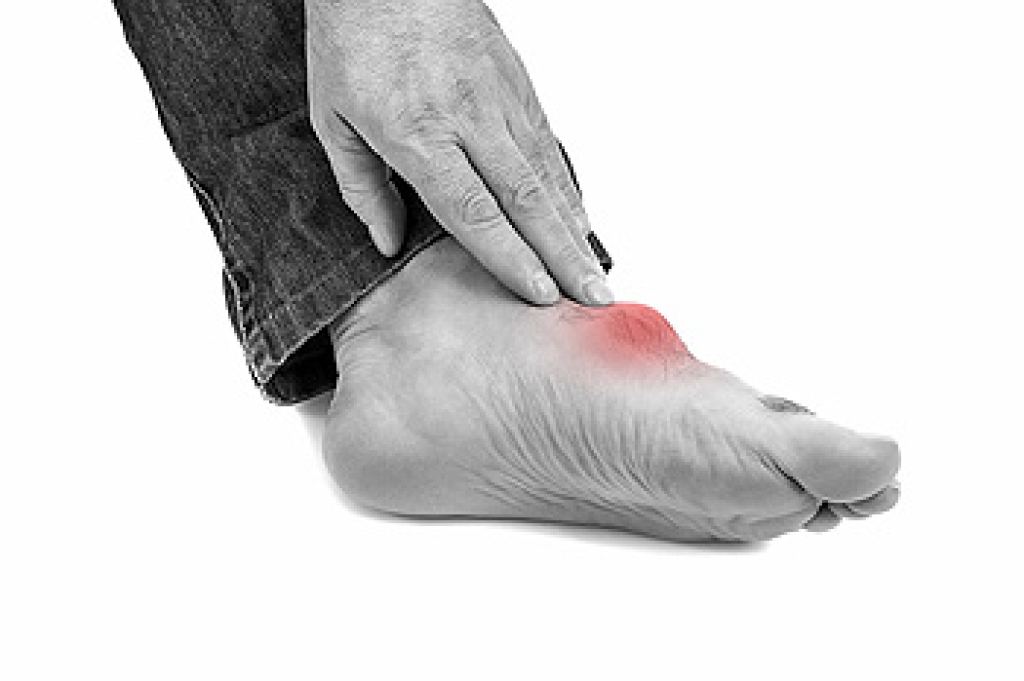
Gout Can Produce Extreme Pain

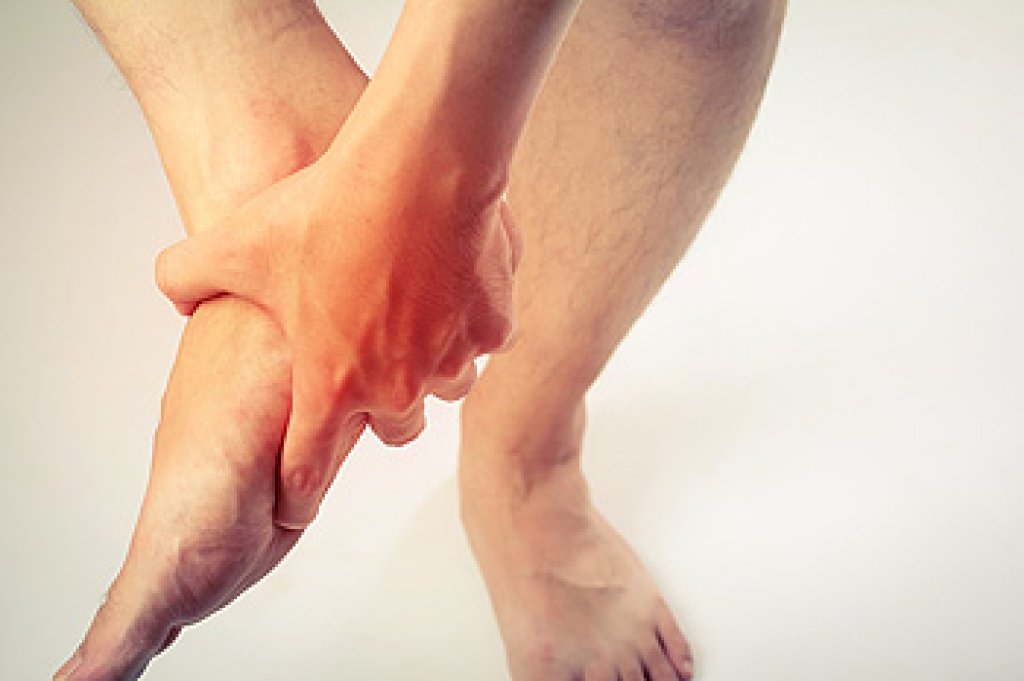
The most common form of inflammatory arthritis is referred to as gout. It is a condition that affects approximately four percent of Americans, and can be caused by genetic factors and eating habits. Common symptoms of this foot condition can include extreme tenderness, debilitating pain in the joints of the big toe, possibly causing difficulty in walking, and the toe may appear to be swollen. Some of the foods that can cause gout to develop include shellfish, red meat, and drinks that are made with large amounts of sugar. The pain comes from excess uric acid caused by elevated purine amounts that form in the joints, and can produce sensations that can feel like crystals in the feet. Mild relief may be found when lifestyle changes occur that include reducing the amount of food that is eaten with high purine levels. If you have frequent gout attacks, it is strongly advised that you are under the care of a podiatrist who can help you with proper treatment and prevention options.

Gout is a painful condition that can be treated. If you are seeking treatment, contact one of our podiatrists from Pennsylvania Foot & Ankle. Our doctors will treat your foot and ankle needs.

What Is Gout?

Gout is a form of arthritis that is characterized by sudden, severe attacks of pain, redness, and tenderness in the joints. The condition usually affects the joint at the base of the big toe. A gout attack can occur at any random time, such as the middle of the night while you are asleep.

Symptoms

  • Intense Joint Pain - Usually around the large joint of your big toe, and it most severe within the first four to twelve hours
  • Lingering Discomfort - Joint discomfort may last from a few days to a few weeks
  • Inflammation and Redness -Affected joints may become swollen, tender, warm and red
  • Limited Range of Motion - May experience a decrease in joint mobility

Risk Factors

  • Genetics - If family members have gout, you’re more likely to have it
  • Medications - Diuretic medications can raise uric acid levels
  • Gender/Age - Gout is more common in men until the age of 60. It is believed that estrogen protects women until that point
  • Diet - Eating red meat and shellfish increases your risk
  • Alcohol - Having more than two alcoholic drinks per day increases your risk
  • Obesity - Obese people are at a higher risk for gout

Prior to visiting your podiatrist to receive treatment for gout, there are a few things you should do beforehand. If you have gout you should write down your symptoms--including when they started and how often you experience them, important medical information you may have, and any questions you may have. Writing down these three things will help your podiatrist in assessing your specific situation so that he or she may provide the best route of treatment for you.

If you have any questions, please feel free to contact one of our offices located in Bensalem, Philadelphia, Northeast Philadelphia, Yardley, PA, and Hamilton, NJ . We offer the newest diagnostic and treatment technologies for all your foot care needs.
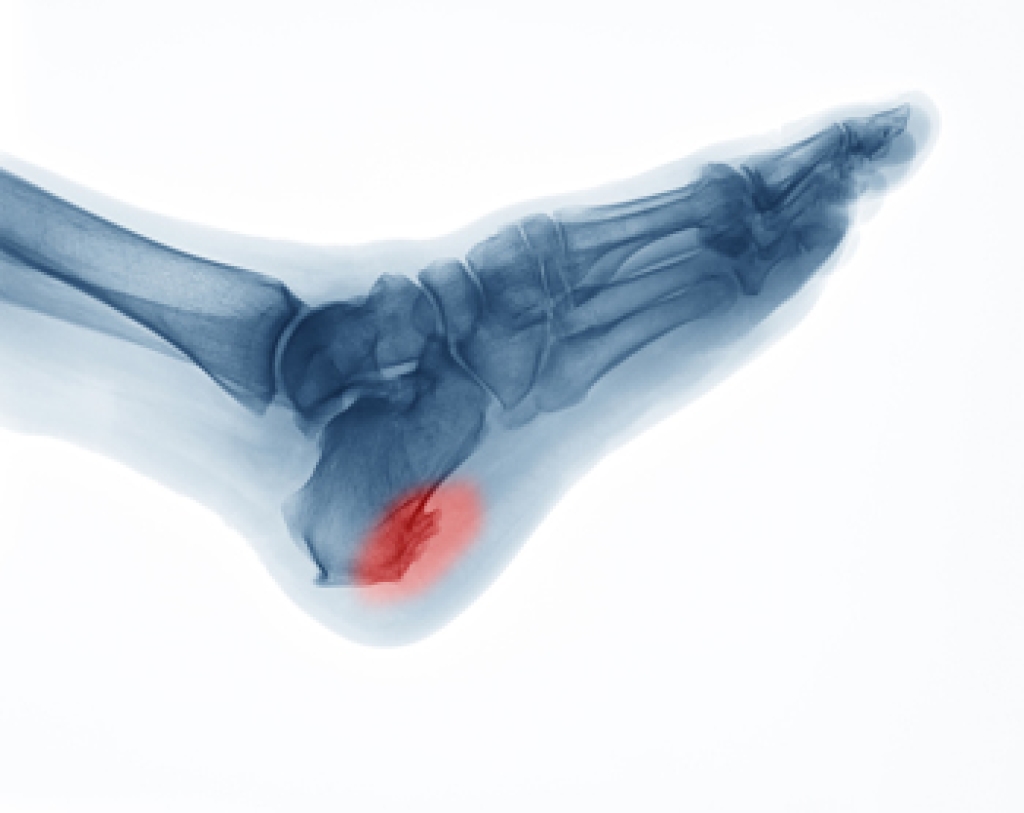
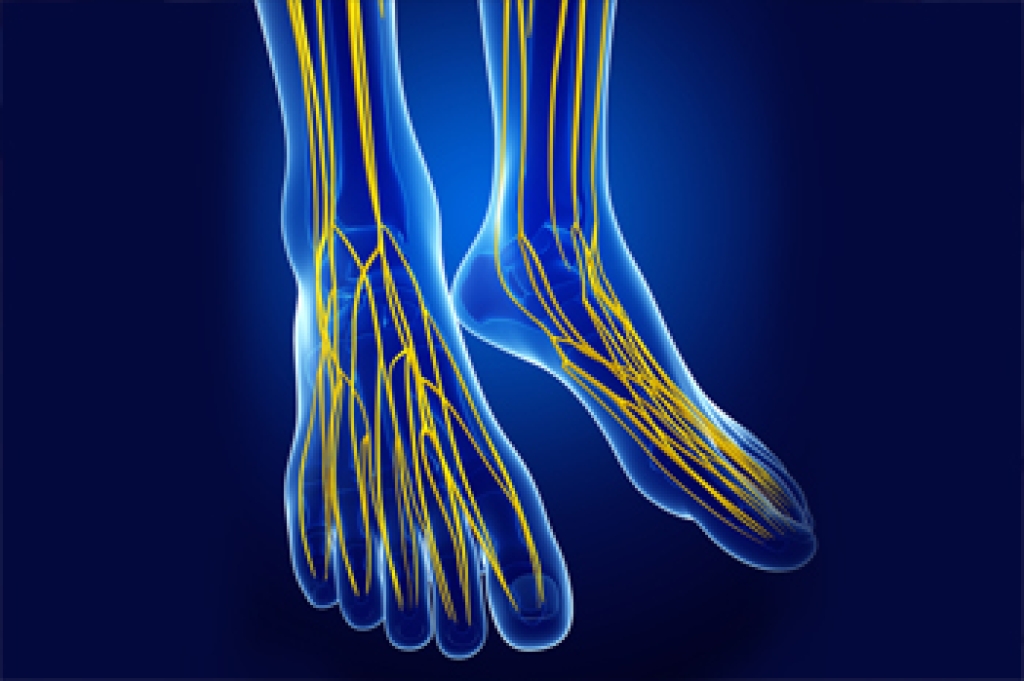
Read more about Gout

How Does Systemic Sclerosis Affect the Feet?

Systemic sclerosis, which is sometimes also known as scleroderma, is a chronic autoimmune disease that causes degeneration and scar formation in the skin, joints, and internal organs. Many people with this condition experience foot problems, including foot pain and deformities in the back of the foot. Since scleroderma causes skin degeneration and scarring, people with this condition are also at an increased risk of developing foot wounds. Abnormalities in the gait or walking pattern are  sometimes found in people with this condition as well. If you have scleroderma, regular visits to the podiatrist can help you maintain your foot health, mobility, and quality of life.

When dealing with systemic disease of the feet, it is extremely important to check the affected areas routinely so that any additional problems are caught quickly.  If you have any concerns about your feet and ankles contact one of our podiatrists from Pennsylvania Foot & Ankle. Our doctors will assist you with all of your podiatric needs.

Systemic Diseases of the Feet

Systemic diseases affect the whole body, and symptoms usually are displayed in the feet. This condition can make a patient’s ability to walk unbearable.  Systemic diseases include gout, diabetes mellitus, neurological disorders, and arthritis.

Gout – is caused by an excess of uric acid in the body. Common symptoms include pain, inflammation, and redness at the metatarsal/phalangeal joint of the base big toe. Gout can be treated by NSAIDs to relieve pain and inflammation, and other drugs that lower the acid levels in the body.

Diabetes mellitus – is an increase in the level of blood sugar that the body cannot counteract with its own insulin. Failure to produce enough insulin is a factor in Diabetes.

Diabetes of the Feet

Diabetic Neuropathy – may lead to damaged nerves and affect the feet through numbness and loss of sensation.

Peripheral Vascular Disease – can restrict the blood flow to the feet, and often times lead to amputation of the feet. 

If you have any questions please contact one of our offices located in Bensalem, Philadelphia, Northeast Philadelphia, Yardley, PA, and Hamilton, NJ . We offer the newest diagnostic and treatment technologies for all your foot and ankle needs.

Read more about Systemic Diseases of the Foot

What Is Drop Foot?

Drop foot is a general term used to describe difficulty lifting the front part of the foot, and it can be a symptom of an underlying neurological, muscular, or anatomical problem. Drop foot can affect the way you walk, causing your toes to drag on the floor as you move around. Some people compensate for this issue by lifting their foot too far off the ground and then slapping it down as they walk. This is known as a steppage gait because of its similarity to the gait people use when going up steps. Some people who have drop foot also experience numbness on the top of the foot and the toes. For more information about drop foot and other conditions that affect the feet, please consult with a podiatrist.

Foot and ankle trauma is common among athletes and the elderly. If you have concerns that you may have experienced trauma to the foot and ankle, consult with one of our podiatrists from Pennsylvania Foot & Ankle. Our doctors will assess your condition and provide you with quality foot and ankle treatment.

Foot and ankle trauma cover a range of injuries all over the foot; common injuries include:

  • Broken bones
  • Muscle strains
  • Injuries to the tendons and ligaments
  • Stress fractures

Symptoms

Symptoms of foot and ankle injuries vary depending on the injury, but more common ones include:

  • Bruising
  • Inflammation/ Swelling
  • Pain

Diagnosis

To properly diagnose the exact type of injury, podiatrists will conduct a number of different tests. Some of these include sensation and visual tests, X-rays, and MRIs. Medical and family histories will also be taken into account.

Treatment

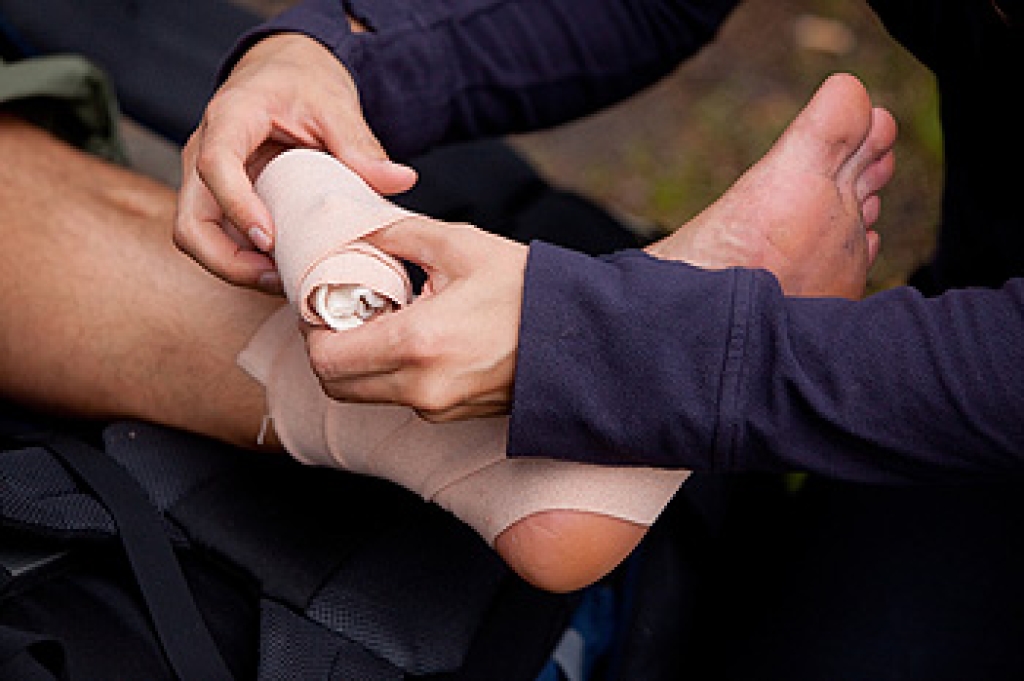
Once the injury has been diagnosed, the podiatrist can than offer the best treatment options for you. In less severe cases, rest and keeping pressure off the foot may be all that’s necessary. Orthotics, such as a specially made shoes, or immobilization devices, like splints or casts, may be deemed necessary. Finally, if the injury is severe enough, surgery may be necessary.

If you have any questions, please feel free to contact one of our offices located in Bensalem, Philadelphia, Northeast Philadelphia, Yardley, PA, and Hamilton, NJ . We offer the newest diagnostic and treatment technologies for all your foot care needs.

Read more about Foot and Ankle Trauma

Do Your Child's Feet Hurt?

Have your child's feet been examined lately? Healthy feet are happy feet. If your child is complaining of foot pain, it may be a sign of underlying problems.

Caring for Your Feet as a Runner

Running is great exercise, but it can also take a toll on your feet. To keep your feet healthy while you run, it is important to wear the right shoes. You want your shoes to fit snuggly, but to have about a half inch gap between your longest toes and the end of your shoes. Go shoe shopping later in the day or after a run, when feet are at their largest, and wear the shoes around the store to determine if they are right for you. Your foot structure and biomechanics may also be a consideration when shoe shopping. People with flat feet, high arches, or an abnormal gait will want to look for running shoes that reduce the impact of these issues. For more information about choosing the best running shoes for you, please consult with a podiatrist.

If you are a runner, wearing the right running shoe is essential. For more information, contact one of our podiatrists from Pennsylvania Foot & Ankle. Our doctors can provide the care you need to keep you pain-free and on your feet.

Choosing the Right Running Shoe for Your Foot Type

To increase performance and avoid the risk of injury, it is important to choose the right running shoe based on your foot type. The general design of running shoes revolves around pronation, which is how the ankle rolls from outside to inside when the foot strikes the ground.

  • Neutral runners are able to choose from a wide variety of shoes, including minimalist shoes or even going barefoot.
  • Runners who overpronate, or experience an over-abundance of ankle rolling, should choose shoes that provide extra motion control and stability.
  • Runners who underpronate, or supinate, have feet that have high arches and lack flexibility, preventing shock absorption. They require shoes with more flexibility and cushion.

If you have any questions, please feel free to contact one of our offices located in Bensalem, Philadelphia, Northeast Philadelphia, Yardley, PA, and Hamilton, NJ . We offer the newest diagnostic and treatment technologies for all your foot care needs.

Read more about Choosing the Right Running Shoe

Ankle Sprains in Children

Ankle sprains are a common occurrence in children because they are often engaged in physical activities that involve jumping, running, and changing direction abruptly. These sprains happen when the ligaments holding the bones in the ankle together become overly stretched, or torn. Symptoms of an ankle sprain include swelling, pain on the outside of the ankle, and bruising. While the RICE strategy (Rest-Ice-Compression-Elevation) can help ease pain and swelling, a podiatrist should examine your child to rule out a broken ankle, and help treat more severe strains properly.

Although ankle sprains are common, they aren’t always minor injuries. If you need your ankle injury looked at, contact one of our podiatrists from Pennsylvania Foot & Ankle. Our doctors can provide the care you need to keep you pain-free and on your feet.

How Does an Ankle Sprain Occur?

Ankle sprains are the result of a tear in the ligaments within the ankle. These injuries may happen when you make a rapid shifting movement while your foot is planted. A less common way to sprain your ankle is when your ankle rolls inward while your foot turns outward.

What Are the Symptoms?

  • Pain at the sight of the tear
  • Bruising/Swelling
  • Ankle area is tender to touch
  • In severe cases, may hear/feel something tear
  • Skin discoloration

Preventing a Sprain

  • Wearing appropriate shoes for the occasion
  • Stretching before exercises and sports
  • Knowing your limits

Treatment of a Sprain

In many cases, the RICE method (Rest, Ice, Compression, and Elevate) is used to treat ankle sprains. However, you should see a podiatrist to see which treatment option would work best with your injury. In severe cases, surgery may be required.

It is important to ask your doctor about rehab options after you receive treatment for your injury. Stretching, strength training, and balance exercises may help the ankle heal while also preventing further injury.

If you have any questions, please feel free to contact one of our offices located in Bensalem, Philadelphia, Northeast Philadelphia, Yardley, PA, and Hamilton, NJ . We offer the newest diagnostic and treatment technologies for all your foot care needs.

Read more about Ankle Sprains

Ankle Joint Surgery

A joint connects two or more bones to each other. One of the most prominent joints in the lower limbs is the ankle, where the shin bone and the bone at the top of the foot come together. Like other joints in the body, the ankle joint can be affected by injury or arthritis. When the ankle joint is significantly damaged, usually by late-stage arthritis, ankle replacement surgery may be necessary to improve joint function and relieve pain. During joint replacement surgery, the joint is partially or fully removed and replaced with an implant. For more information about ankle joint replacement surgery, please consult with a podiatrist.

In certain cases, in which the patient suffers from extreme pain or damage in a joint, joint replacement surgery may be deemed useful. If you have constant pain in a foot joint, consult with one of our podiatrists from Pennsylvania Foot & Ankle. Our doctors will assess your condition and provide you with quality foot and ankle treatment.

What Is Joint Replacement Surgery?

Over time, joints wear down; this can be exacerbated by diseases and conditions. Joint replacement surgery, also known as arthroplasty, is when a damaged joint is surgically removed and replaced with a prosthesis. Prostheses, which can be made of ceramic, plastic, or metal, act as joints in lieu of an actual joint. One of the most prevalent causes for joint replacement is arthritis.

Arthritis in the Foot

Arthritis can occur in any joint in the body, including in the feet. Common types of arthritis in the foot are osteoarthritis, rheumatoid arthritis, and gout. The big toe is usually where arthritis occurs in the foot; this is known as hallux rigidus.

Joint Replacement Surgery in the Foot

The most common form of joint replacement in the foot is a first metatarsophalangeal (MTP) joint placement. MTP joint replacement surgery is designed to treat hallux rigidus. Surgery is not intensive, and recovery occurs within one to two months after the procedure has been done. Overall, joint replacement surgery is a safe and effective way to treat pain in the joint of the foot.

If you have any questions, please feel free to contact one of our offices located in Bensalem, Philadelphia, Northeast Philadelphia, Yardley, PA, and Hamilton, NJ . We offer the newest diagnostic and treatment technologies for all your foot care needs.

Read more about Joint Replacement Surgery

Wounds That Don't Heal Need to Be Checked

Your feet are covered most of the day. If you're diabetic, periodic screening is important for good health. Numbness is often a sign of diabetic foot and can mask a sore or wound.

Living Area and Bathroom Fall Prevention Methods

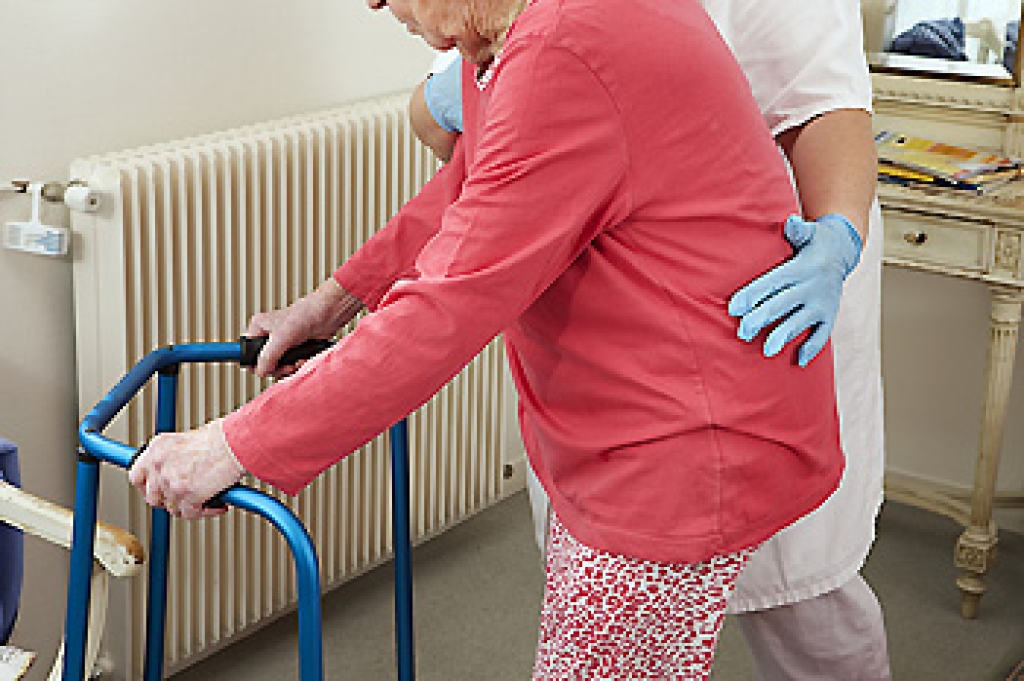
Research has indicated it is common for people who are over sixty-five years old to fall, which can lead to serious foot conditions. There are numerous reasons why falling may occur in the household. These causes can include worn rugs on the steps and in the living area, poor lighting, and chronic medical ailments. Many seniors are inactive, which may cause a lack of strength in the body. Falling episodes may be prevented by performing daily stretches that can improve dexterity, balance, and muscle strength. Additionally, many patients find it beneficial to install grab bars in the shower and toilet area, and it may help to use a good bath mat to prevent slipping in the shower. If you would like more information about how falling can affect the feet, please consult with a podiatrist who can offer you fall prevention techniques.

Preventing falls among the elderly is very important. If you are older and have fallen or fear that you are prone to falling, consult with one of our podiatrists from Pennsylvania Foot & Ankle. Our doctors will assess your condition and provide you with quality advice and care.

Every 11 seconds, an elderly American is being treated in an emergency room for a fall related injury. Falls are the leading cause of head and hip injuries for those 65 and older. Due to decreases in strength, balance, senses, and lack of awareness, elderly persons are very susceptible to falling. Thankfully, there are a number of things older persons can do to prevent falls.

How to Prevent Falls

Some effective methods that older persons can do to prevent falls include:

  • Enrolling in strength and balance exercise program to increase balance and strength
  • Periodically having your sight and hearing checked
  • Discuss any medications you have with a doctor to see if it increases the risk of falling
  • Clearing the house of falling hazards and installing devices like grab bars and railings
  • Utilizing a walker or cane
  • Wearing shoes that provide good support and cushioning
  • Talking to family members about falling and increasing awareness

Falling can be a traumatic and embarrassing experience for elderly persons; this can make them less willing to leave the house, and less willing to talk to someone about their fears of falling. Doing such things, however, will increase the likelihood of tripping or losing one’s balance. Knowing the causes of falling and how to prevent them is the best way to mitigate the risk of serious injury.  

If you have any questions, please feel free to contact one of our offices located in Bensalem, Philadelphia, Northeast Philadelphia, Yardley, PA, and Hamilton, NJ . We offer the newest diagnostic and treatment technologies for all your foot care needs.

Read more about Falls Prevention

Sources of Foot Pain

Foot pain can be caused due to a variety of issues. Injuries, such as sprains, strains, and fractures, are common sources of foot pain for those who are active and commonly partake in sporting activities. Another condition which can cause foot pain is gout, a common type of arthritis that forms due to too much uric acid in the blood. Poorly fitted shoes can lead to painful issues such as bunions, a bony growth that develops on the side of the big toe, as well as ingrown toenails, where the nail grows into the surrounding skin. Plantar fasciitis, the inflammation of the band of tissue that connects the heel bone to the toes, can lead to pain in the heel or the arch of the foot. If you are suffering from foot pain, being under the care of a podiatrist is highly suggested.  

Foot Pain

Foot pain can be extremely painful and debilitating. If you have a foot pain, consult with one of our podiatrists from Pennsylvania Foot & Ankle. Our doctors will assess your condition and provide you with quality foot and ankle treatment.

Causes

Foot pain is a very broad condition that could be caused by one or more ailments. The most common include:

  • Bunions
  • Hammertoes
  • Plantar Fasciitis
  • Bone Spurs
  • Corns
  • Tarsal Tunnel Syndrome
  • Ingrown Toenails
  • Arthritis (such as Gout, Rheumatoid, and Osteoarthritis)
  • Flat Feet
  • Injury (from stress fractures, broken toe, foot, ankle, Achilles tendon ruptures, and sprains)
  • And more

Diagnosis

To figure out the cause of foot pain, podiatrists utilize several different methods. This can range from simple visual inspections and sensation tests to X-rays and MRI scans. Prior medical history, family medical history, and any recent physical traumatic events will all be taken into consideration for a proper diagnosis.

Treatment

Treatment depends upon the cause of the foot pain. Whether it is resting, staying off the foot, or having surgery; podiatrists have a number of treatment options available for foot pain.

If you have any questions, please feel free to contact one of our offices located in Bensalem, Philadelphia, Northeast Philadelphia, Yardley, PA, and Hamilton, NJ . We offer the newest diagnostic and treatment technologies for all your foot care needs.

Read more about Foot Pain

Connect With Us