Various Reasons for Foot Pain

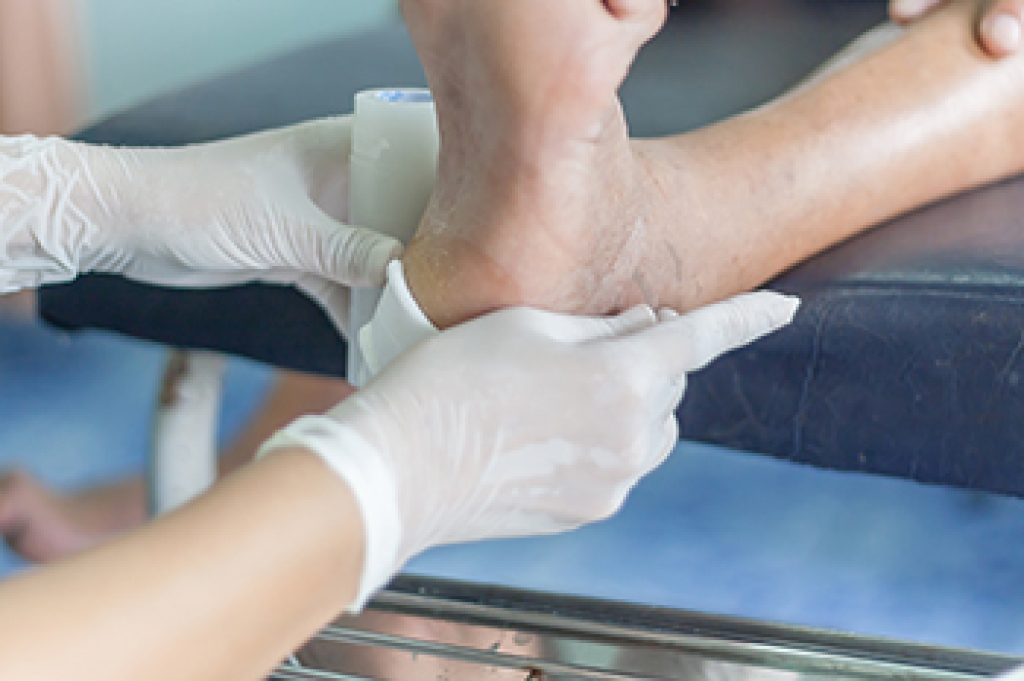
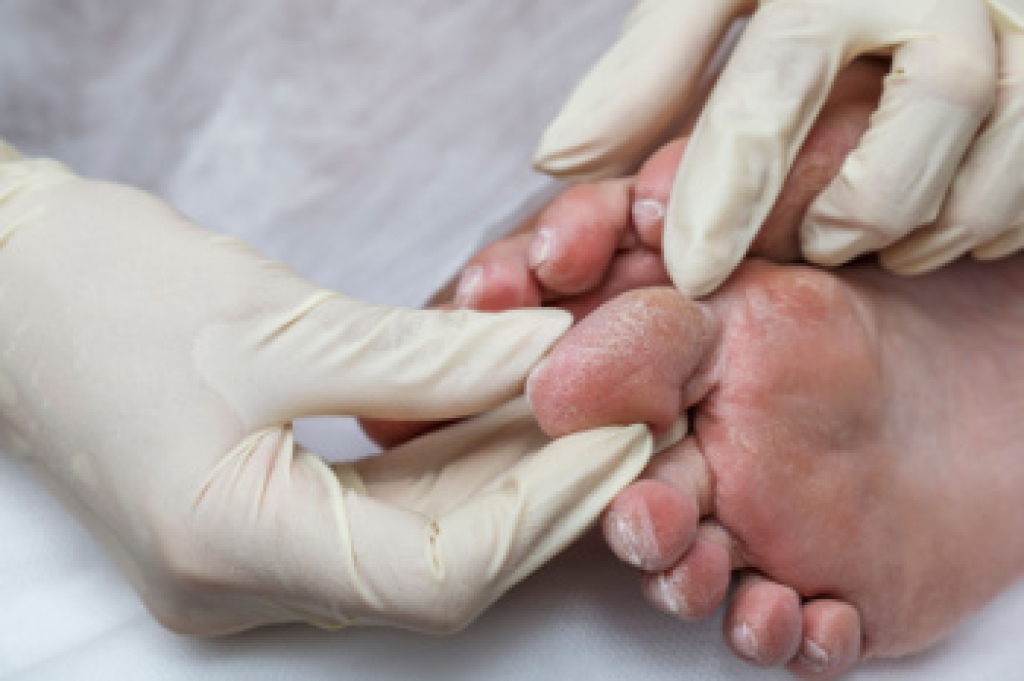
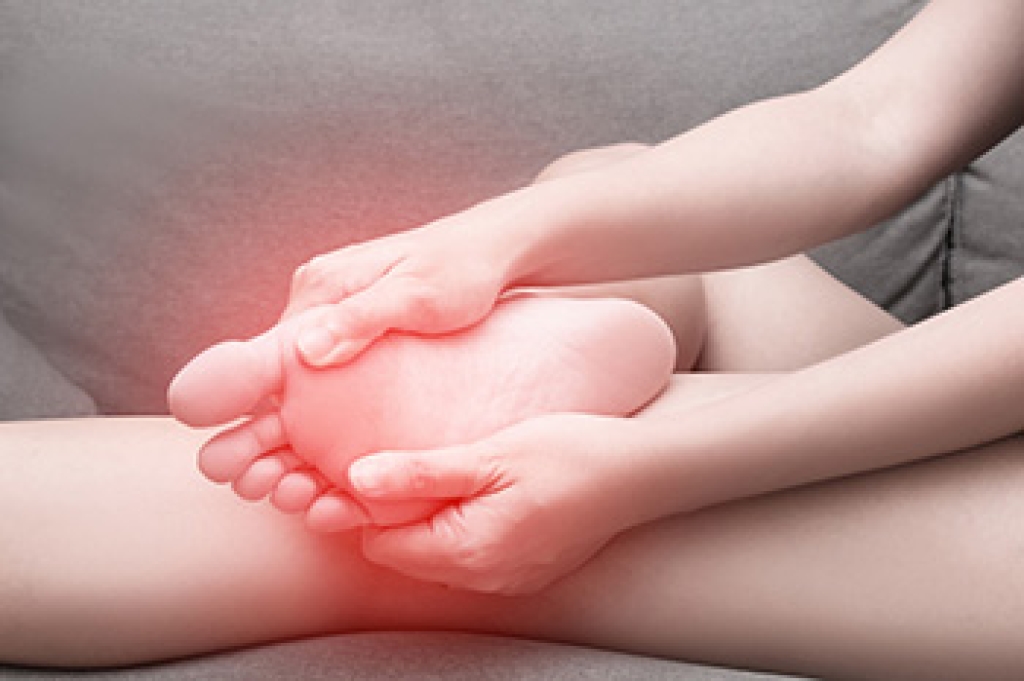
Sharp heel pain and general foot pain can result from several conditions. Plantar fasciitis, a common cause, is characterized by inflammation of the thick band of tissue running along the bottom of the foot. Bursitis, the inflammation of fluid-filled sacs that cushion the bones, can also lead to significant foot pain. Gout, a form of arthritis resulting from the accumulation of uric acid crystals, often causes sudden and intense discomfort in the big toe or ankle. Tarsal tunnel syndrome, involving compression of the tibial nerve, can create sharp, tingling pain extending into the arch. Additionally, heel spurs, which are bony growths on the underside of the heel, can cause stabbing pain, especially while walking or standing. If you have any type of foot pain, it is suggested that you consult a podiatrist who can determine the cause and offer treatment options.

Foot Pain

Foot pain can be extremely painful and debilitating. If you have a foot pain, consult with one of our podiatrists from Pennsylvania Foot & Ankle. Our doctors will assess your condition and provide you with quality foot and ankle treatment.

Causes

Foot pain is a very broad condition that could be caused by one or more ailments. The most common include:

  • Bunions
  • Hammertoes
  • Plantar Fasciitis
  • Bone Spurs
  • Corns
  • Tarsal Tunnel Syndrome
  • Ingrown Toenails
  • Arthritis (such as Gout, Rheumatoid, and Osteoarthritis)
  • Flat Feet
  • Injury (from stress fractures, broken toe, foot, ankle, Achilles tendon ruptures, and sprains)
  • And more

Diagnosis

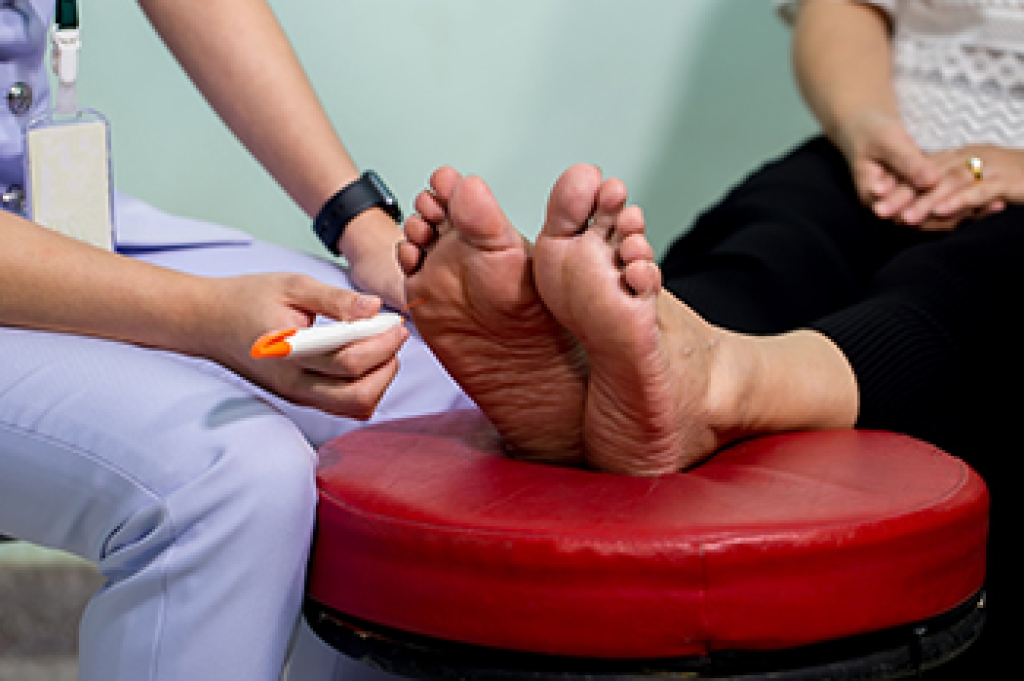
To figure out the cause of foot pain, podiatrists utilize several different methods. This can range from simple visual inspections and sensation tests to X-rays and MRI scans. Prior medical history, family medical history, and any recent physical traumatic events will all be taken into consideration for a proper diagnosis.

Treatment

Treatment depends upon the cause of the foot pain. Whether it is resting, staying off the foot, or having surgery; podiatrists have a number of treatment options available for foot pain.

If you have any questions, please feel free to contact one of our offices located in Bensalem, Philadelphia, Northeast Philadelphia, Yardley, PA, and Hamilton, NJ . We offer the newest diagnostic and treatment technologies for all your foot care needs.
Read more about Foot Pain

Types and Symptoms of Heel Spurs

Heel spurs are bony growths that develop on the heel bone, with the two main types being plantar and dorsal heel spurs. Plantar heel spurs form on the bottom of the heel and are often associated with plantar fasciitis, causing pain and inflammation where the plantar fascia connects to the heel bone. Dorsal heel spurs develop at the back of the heel, typically where the Achilles tendon attaches, leading to discomfort and swelling in the area. Common symptoms of heel spurs include sharp pain while standing up in the morning, tenderness, and difficulty walking or running. Diagnosis usually involves a physical examination and imaging tests like X-rays to confirm the presence of the bony growths. Heel spurs can be painful. If you have developed one, it is suggested that you consult a podiatrist sooner rather than later who can offer you correct relief and treatment options.

Heel spurs can be incredibly painful and sometimes may make you unable to participate in physical activities. To get medical care for your heel spurs, contact one of our podiatrists from Pennsylvania Foot & Ankle. Our doctors will do everything possible to treat your condition.

Heels Spurs

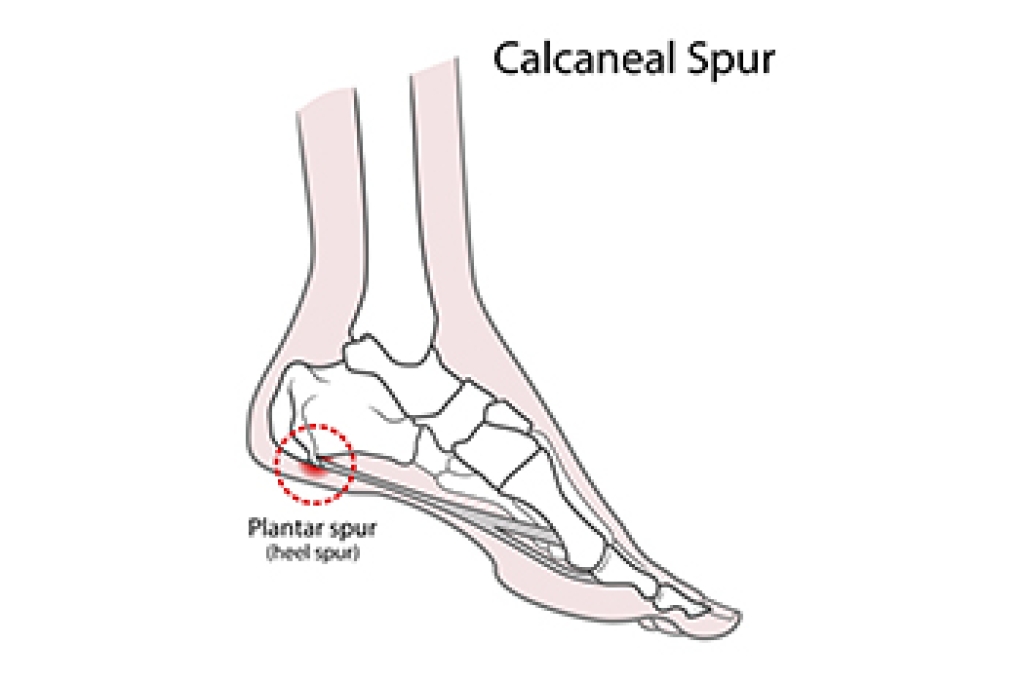
Heel spurs are formed by calcium deposits on the back of the foot where the heel is. This can also be caused by small fragments of bone breaking off one section of the foot, attaching onto the back of the foot. Heel spurs can also be bone growth on the back of the foot and may grow in the direction of the arch of the foot.

Older individuals usually suffer from heel spurs and pain sometimes intensifies with age. One of the main condition's spurs are related to is plantar fasciitis.

Pain

The pain associated with spurs is often because of weight placed on the feet. When someone is walking, their entire weight is concentrated on the feet. Bone spurs then have the tendency to affect other bones and tissues around the foot. As the pain continues, the feet will become tender and sensitive over time.

Treatments

There are many ways to treat heel spurs. If one is suffering from heel spurs in conjunction with pain, there are several methods for healing. Medication, surgery, and herbal care are some options.

If you have any questions, please feel free to contact one of our offices located in Bensalem, Philadelphia, Northeast Philadelphia, Yardley, PA, and Hamilton, NJ . We offer the newest diagnostic and treatment technologies for all your foot care needs.

Read more about Heel Spurs

Symptoms of Diabetic Peripheral Neuropathy

Diabetic peripheral neuropathy is a common issue for individuals with type 2 diabetes, with nearly half experiencing this complication. This condition arises when prolonged high blood sugar levels cause damage to the nerves, especially in the feet and lower legs. Symptoms of peripheral neuropathy include numbness, tingling, burning sensations, and muscle weakness, which can progressively disrupt daily activities. A significant concern is “diabetic foot,” where the loss of feeling and poor blood flow can lead to ulcers, infections, and in severe cases loss of limb. Diabetic neuropathy also can increase the risk of falls and fractures due to lack of sensation in the feet, impaired balance and reduced coordination. Factors such as smoking, high blood pressure, obesity, and cholesterol issues can further increase the risk of developing this diabetic peripheral neuropathy. Early detection and proper management are of extreme importance. If you notice unusual sensations in your feet or lower legs, especially persistent numbness or pain, it is suggested that you make an appointment with a podiatrist who can conduct a thorough examination and recommend a personalized treatment plan. 

Neuropathy

Neuropathy can be a potentially serious condition, especially if it is left undiagnosed. If you have any concerns that you may be experiencing nerve loss in your feet, consult with one of our podiatrists from Pennsylvania Foot & Ankle. Our doctors will assess your condition and provide you with quality foot and ankle treatment for neuropathy.

What Is Neuropathy?

Neuropathy is a condition that leads to damage to the nerves in the body. Peripheral neuropathy, or neuropathy that affects your peripheral nervous system, usually occurs in the feet. Neuropathy can be triggered by a number of different causes. Such causes include diabetes, infections, cancers, disorders, and toxic substances.

Symptoms of Neuropathy Include:

  • Numbness
  • Sensation loss
  • Prickling and tingling sensations
  • Throbbing, freezing, burning pains
  • Muscle weakness

Those with diabetes are at serious risk due to being unable to feel an ulcer on their feet. Diabetics usually also suffer from poor blood circulation. This can lead to the wound not healing, infections occurring, and the limb may have to be amputated.

Treatment

To treat neuropathy in the foot, podiatrists will first diagnose the cause of the neuropathy. Figuring out the underlying cause of the neuropathy will allow the podiatrist to prescribe the best treatment, whether it be caused by diabetes, toxic substance exposure, infection, etc. If the nerve has not died, then it’s possible that sensation may be able to return to the foot.

Pain medication may be issued for pain. Electrical nerve stimulation can be used to stimulate nerves. If the neuropathy is caused from pressure on the nerves, then surgery may be necessary.

If you have any questions, please feel free to contact one of our offices located in Bensalem, Philadelphia, Northeast Philadelphia, Yardley, PA, and Hamilton, NJ . We offer the newest diagnostic and treatment technologies for all your foot care needs.
Read more about Neuropathy

Are You Suffering From Ingrown Toenails?

If left untreated, an ingrown toenail can lead to more serious concerns, such as an infection. Knowing proper nail care can help in the prevention of an ingrown toenail. Give us a call, and get treated!

Blisters Caused by Edema

Edema, which is caused by excess fluid retention in the body, can also result in the development of blisters on the feet. These blisters are caused by the swelling that occurs when fluid collects in the tissues, causing pressure to be put on the skin. The skin then becomes more susceptible to friction and rubbing, especially in areas where it makes contact with shoes or socks. The increased friction can cause the formation of blisters, which can lead to pain and discomfort. Blisters caused by edema mainly appear on the feet and ankles, making daily activities like walking and wearing shoes difficult and painful. It is important to address the underlying cause of edema to prevent the formation of blisters. A podiatrist can provide personalized treatment options to manage edema and alleviate foot discomfort. Recommendations include compression socks or orthotic inserts to reduce swelling and friction. If you are developing blisters caused by edema, it is suggested that you visit a podiatrist for an exam and appropriate treatment options.

Blisters are prone to making everyday activities extremely uncomfortable. If your feet are hurting, contact one of our podiatrists of Pennsylvania Foot & Ankle. Our doctors can provide the care you need to keep you pain-free and on your feet.

Foot Blisters

Foot blisters develop as a result of constantly wearing tight or ill-fitting footwear. This happens due to the constant rubbing from the shoe, which can often lead to pain.

What Are Foot Blisters?

A foot blister is a small fluid-filled pocket that forms on the upper-most layer of the skin. Blisters are filled with clear fluid and can lead to blood drainage or pus if the area becomes infected.

How Do Blisters Form?

Blisters on the feet are often the result of constant friction of skin and material, usually by shoe rubbing. Walking in sandals, boots, or shoes that don’t fit properly for long periods of time can result in a blister. Having consistent foot moisture and humidity can easily lead to blister formation.

Prevention & Treatment

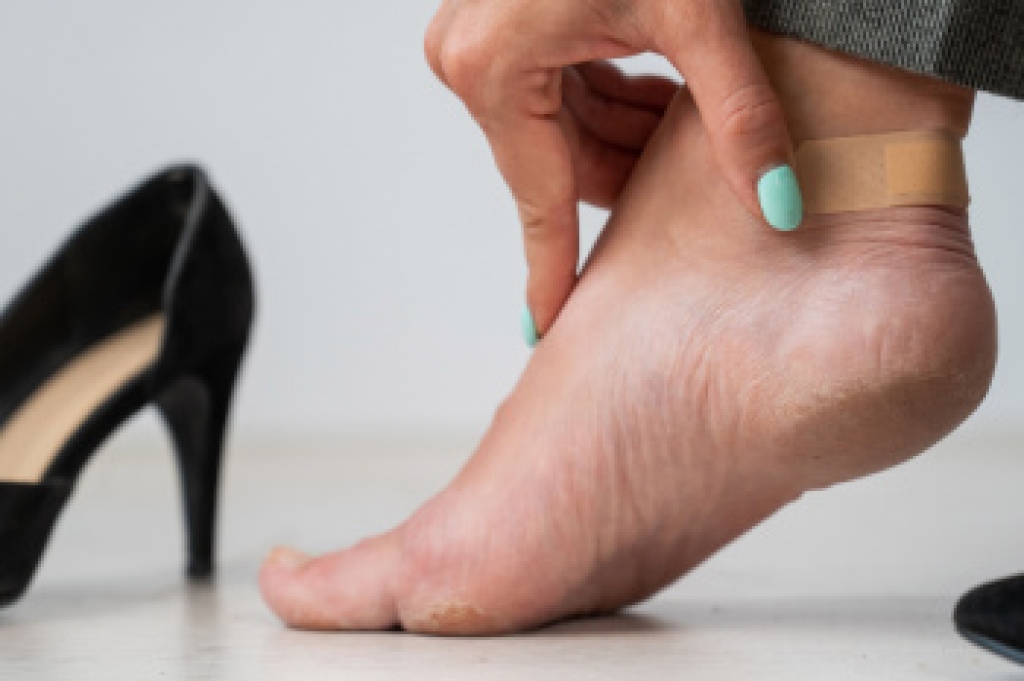
It is important to properly care for the affected area in order to prevent infection and ease the pain. Do not lance the blister and use a Band-Aid to provide pain relief. Also, be sure to keep your feet dry and wear proper fitting shoes. If you see blood or pus in a blister, seek assistance from a podiatrist.

If you have any questions, please feel free to contact one of our offices located in Bensalem, Philadelphia, Northeast Philadelphia, Yardley, PA, and Hamilton, NJ . We offer the newest diagnostic and treatment technologies for all your foot care needs.

Read more about Blisters on the Feet

Causes of Children's Toe Injuries

In the world of childhood mishaps, toe injuries rank among the most prevalent, encompassing a spectrum of ailments from jammed toes to fractures. Jammed toes often occur during vigorous play or sports, where sudden stops or collisions can cause the toe to forcefully bend, leading to pain and swelling. Toenail injuries are another common occurrence, typically the result of stubbing or dropping heavy objects on the toe, causing pain, bleeding, or even toenail loss. Additionally, subungual hematoma, characterized by blood pooling under the toenail, often arises from trauma or repetitive pressure on the toe, causing discomfort and discoloration. Fractures, though less frequent, can happen due to severe impact or twisting motions, resulting in pain, swelling, and potential deformity. If your child has endured a toe injury, it is suggested that you contact a podiatrist who can offer appropriate treatment options.

Toe pain can disrupt your daily activities. If you have any concerns, contact one of our podiatrists of Pennsylvania Foot & Ankle. Our doctors can provide the care you need to keep you pain-free and on your feet.

What Causes Toe Pain?

Most severe toe pain is caused due to a sports injury, trauma from dropping something heavy on the toe, or bumping into something rigid. Other problems can develop over time for various reasons.

Toe pain can be caused by one or more ailments. The most common include:

  • Trauma
  • Sports injury
  • Wearing shoes that are too tight
  • Arthritis
  • Gout
  • Corns and calluses
  • Hammertoe
  • Bunions
  • Blisters
  • Ingrown toenails
  • Sprains
  • Fractures (broken bones)
  • Dislocations

When to See a Podiatrist

  • Severe pain
  • Persistent pain that lasts more than a week
  • Signs of infection
  • Continued swelling
  • Pain that prevents walking

Diagnosis

In many cases the cause of toe pain is obvious, but in others, a podiatrist may want to use more advanced methods to determine the problem. These can range from simple visual inspections and sensation tests to X-rays and MRI scans. Prior medical history, family medical history, and any recent physical traumatic events will all be taken into consideration for a proper diagnosis.

Treatment

Treatments for toe pain and injuries vary and may include shoe inserts, padding, taping, medicines, injections, and in some cases, surgery. If you believe that you have broken a toe, please see a podiatrist as soon as possible.

If you have any questions please contact one of our offices located in Bensalem, Philadelphia, Northeast Philadelphia, Yardley, PA, and Hamilton, NJ . We offer the newest diagnostic and treatment technologies for all your foot and ankle needs.

Read more about Toe Pain

How Flip-Flops Impact Feet

Flip-flops are a popular choice for casual footwear, especially as the weather warms up. However, their impact on foot health is a subject of ongoing debate. Typically, flip-flops offer minimal support to the arches of the feet, which can lead to problems such as plantar fasciitis or other forms of foot pain. The design of flip-flops forces the toes to grip the soles in order to keep the footwear in place while walking. This unnatural holding action can alter the way one walks, potentially causing long-term changes in foot structure and gait. The lack of cushioning and support also means that the feet are more vulnerable to injuries from stepping on sharp objects or from the stress of walking on hard surfaces. If you enjoy wearing flip-flops and are experiencing foot discomfort or changes in your walking pattern, it is suggested that you consult a podiatrist to determine the best footwear for your needs.

Flip-flops are not always the best choice of footwear. If you have any concerns about your feet or ankles, contact one of our podiatrists from Pennsylvania Foot & Ankle. Our doctors will assist you with all of your foot and ankle needs.

Flip-Flops and Feet

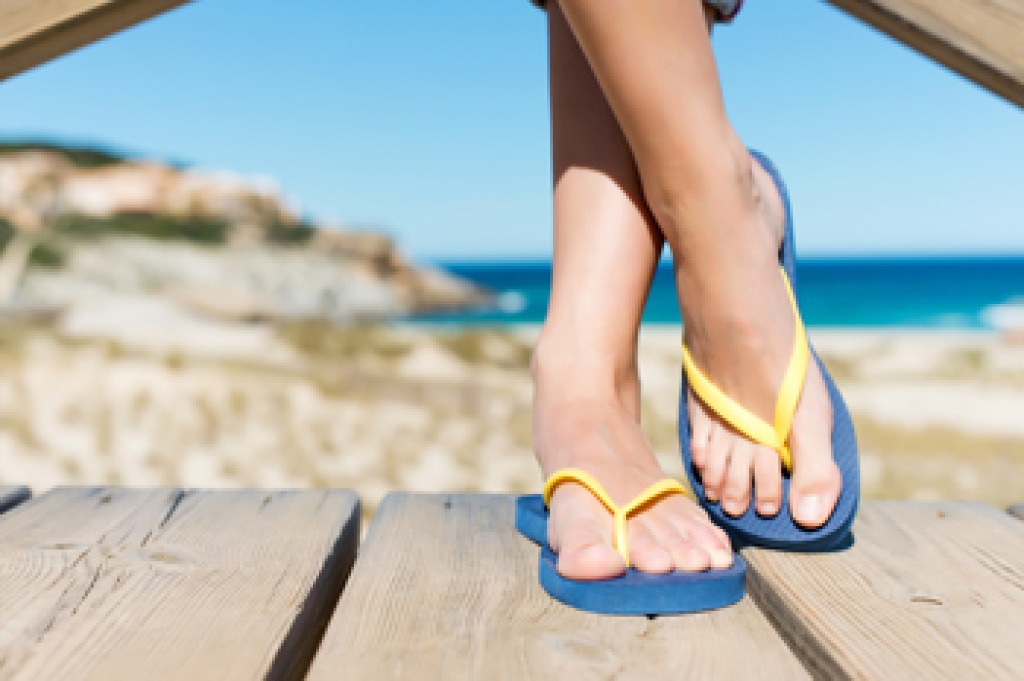
When the weather starts warming up, people enjoy wearing flip-flops.  Flip-flops are comfortable, stylish, and easy to slip on and off; they're perfect for any summer beach goer.  However, these shoes can cause harm to the feet.

How Can Flip-Flops Affect Me Long-Term?

  • Ankle problems
  • Hip problems
  • Lower back problems
  • Pain in the balls of the feet
  • Problems with foot arches
  • Changes in the way you walk

Are There Injuries Associated with Flip-Flops?

Yes.  Since flip-flops are relatively weak and do not provide the same amount of support as sneakers, people who wear flip-flops regularly are more susceptible to injuries. On top of that, the open nature of the shoe makes your feet more prone to other problems, such as cuts and even infections.  Common injuries and ailments include:

  • Sprained ankles
  • Blisters
  • Infections
  • Cuts and Scrapes

I like Wearing Flip-Flops. Are There Safe Alternatives?

When buying flip-flops, try to find ones that have sturdy soles and that are made of high-quality materials that will support for your feet.  These flip-flops will cost more but will also last longer as a result.

If you have any questions, please feel free to contact one of our offices located in Bensalem, Philadelphia, Northeast Philadelphia, Yardley, PA, and Hamilton, NJ . We offer the newest diagnostic and treatment technologies for all your foot care needs.
Read more about Flip Flops and Feet

Do Your Child's Feet Hurt?

Have your child's feet been examined lately? Healthy feet are happy feet. If your child is complaining of foot pain, it may be a sign of underlying problems.

Causes and Definition of Foot Ulcers

Foot ulcers are open wounds that develop on the feet, often affecting individuals with diabetes or impaired circulation. They typically occur due to a combination of factors, including neuropathy, which is nerve damage, poor blood flow, and pressure from footwear. Foot ulcers can vary in severity, from shallow sores to deep craters, and if left untreated, they can lead to serious complications such as infection and possibly amputation. The primary cause of foot ulcers is prolonged pressure or friction on the skin, which can result from wearing ill-fitting shoes, walking barefoot, or excessive rubbing. In diabetic individuals, high blood sugar levels can further exacerbate the risk by damaging nerves and blood vessels, impairing the body's ability to heal. Other contributing factors may include poor hygiene, smoking, obesity, and a history of foot problems. Recognizing the signs of a foot ulcer, such as redness, swelling, or drainage, is vital for prompt treatment and prevention of complications. If you have a foot wound, it is strongly suggested that you consult a podiatrist who can diagnose its severity, and offer treatment options that are right for you.

Wound care is an important part in dealing with diabetes. If you have diabetes and a foot wound or would like more information about wound care for diabetics, consult with one of our podiatrists from Pennsylvania Foot & Ankle. Our doctors will assess your condition and provide you with quality foot and ankle treatment.

What Is Wound Care?

Wound care is the practice of taking proper care of a wound. This can range from the smallest to the largest of wounds. While everyone can benefit from proper wound care, it is much more important for diabetics. Diabetics often suffer from poor blood circulation which causes wounds to heal much slower than they would in a non-diabetic. 

What Is the Importance of Wound Care?

While it may not seem apparent with small ulcers on the foot, for diabetics, any size ulcer can become infected. Diabetics often also suffer from neuropathy, or nerve loss. This means they might not even feel when they have an ulcer on their foot. If the wound becomes severely infected, amputation may be necessary. Therefore, it is of the upmost importance to properly care for any and all foot wounds.

How to Care for Wounds

The best way to care for foot wounds is to prevent them. For diabetics, this means daily inspections of the feet for any signs of abnormalities or ulcers. It is also recommended to see a podiatrist several times a year for a foot inspection. If you do have an ulcer, run the wound under water to clear dirt from the wound; then apply antibiotic ointment to the wound and cover with a bandage. Bandages should be changed daily and keeping pressure off the wound is smart. It is advised to see a podiatrist, who can keep an eye on it.

If you have any questions please contact one of our offices located in Bensalem, Philadelphia, Northeast Philadelphia, Yardley, PA, and Hamilton, NJ . We offer the newest diagnostic and treatment technologies for all your foot and ankle needs.

Read more about Wound Care

How Smoking Can Affect the Feet

Beyond the well-known effects on your lungs and heart, smoking can also severely affect your feet, particularly through a condition known as Buerger’s disease. This disease targets the blood vessels in the arms and legs, causing swelling and reduced blood flow, which leads to the formation of clots. Consequently, individuals may experience pain, open sores or ulcers, and gangrene, which if not properly treated by a podiatrist may lead to limb loss. While the precise cause of Buerger’s disease remains uncertain, one undeniable link is tobacco use. Chemicals in tobacco irritate blood vessel linings, which then triggers inflammation and constriction. Nearly all diagnosed cases of Buerger’s disease are associated with tobacco use, whether through cigarettes, cigars, or chewing tobacco. Prevention is key, and that begins with quitting smoking and avoiding all forms of tobacco. But prioritizing your foot health is also essential, and by seeking guidance from a podiatrist you can manage symptoms and receive the needed wound care. If you're experiencing any symptoms, it is suggested that you make an appointment with a podiatrist for an exam and treatment.

When dealing with systemic disease of the feet, it is extremely important to check the affected areas routinely so that any additional problems are caught quickly.  If you have any concerns about your feet and ankles contact one of our podiatrists from Pennsylvania Foot & Ankle. Our doctors will assist you with all of your podiatric needs.

Systemic Diseases of the Feet

Systemic diseases affect the whole body, and symptoms usually are displayed in the feet. This condition can make a patient’s ability to walk unbearable.  Systemic diseases include gout, diabetes mellitus, neurological disorders, and arthritis.

Gout – is caused by an excess of uric acid in the body. Common symptoms include pain, inflammation, and redness at the metatarsal/phalangeal joint of the base big toe. Gout can be treated by NSAIDs to relieve pain and inflammation, and other drugs that lower the acid levels in the body.

Diabetes mellitus – is an increase in the level of blood sugar that the body cannot counteract with its own insulin. Failure to produce enough insulin is a factor in Diabetes.

Diabetes of the Feet

Diabetic Neuropathy – may lead to damaged nerves and affect the feet through numbness and loss of sensation.

Peripheral Vascular Disease – can restrict the blood flow to the feet, and often times lead to amputation of the feet. 

If you have any questions please contact one of our offices located in Bensalem, Philadelphia, Northeast Philadelphia, Yardley, PA, and Hamilton, NJ . We offer the newest diagnostic and treatment technologies for all your foot and ankle needs.

Read more about Systemic Diseases of the Foot

Connect With Us