Toenail Problems and Treatments

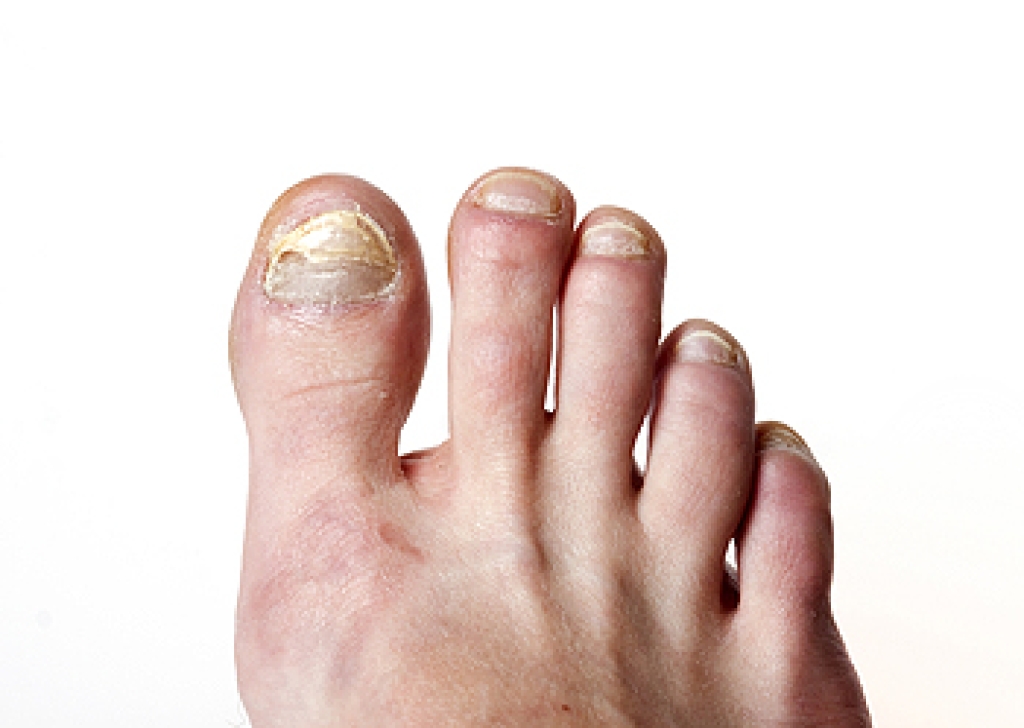
Toenails protect toes. They are made up of keratin which makes toenails tough and resilient to the daily wear and tears they take. Friction from shoes, physical activity, heat and moisture, and some medical conditions can all affect the toenails. Pain, itching, and discoloration can all be signs of toenail problems. Some of the more common toenail ailments are described here. Toenail fungus is an infection that has gotten into the nail causing it to become jagged or crumble, and can spread to other toenails and surrounding skin. An ingrown toenail occurs when the corner or side of a toenail grows into the skin. This can cause redness and pain and may turn into an infection. Toenail trauma can occur as stubbing a toe, dropping something heavy on the foot, or wearing ill-fitting shoes. These can lead to bruising, separation of the nail from the toe, or injury to the underlying bone. Treatment of toenail issues depends on the cause. If you are experiencing such problems, it is suggested you seek the counsel of a podiatrist for proper diagnosis and treatment.

If left untreated, toenail fungus may spread to other toenails, skin, or even fingernails. If you suspect you have toenail fungus it is important to seek treatment right away. For more information about treatment, contact one of our podiatrists of Pennsylvania Foot & Ankle. Our doctors can provide the care you need to keep you pain-free and on your feet.

Symptoms

  • Warped or oddly shaped nails
  • Yellowish nails
  • Loose/separated nail
  • Buildup of bits and pieces of nail fragments under the nail
  • Brittle, broken, thickened nail

Treatment

If self-care strategies and over-the-counter medications does not help your fungus, your podiatrist may give you a prescription drug instead. Even if you find relief from your toenail fungus symptoms, you may experience a repeat infection in the future.

Prevention

In order to prevent getting toenail fungus in the future, you should always make sure to wash your feet with soap and water. After washing, it is important to dry your feet thoroughly especially in between the toes. When trimming your toenails, be sure to trim straight across instead of in a rounded shape. It is crucial not to cover up discolored nails with nail polish because that will prevent your nail from being able to “breathe”.

In some cases, surgical procedure may be needed to remove the toenail fungus. Consult with your podiatrist about the best treatment options for your case of toenail fungus.  

If you have any questions please contact one of our offices located in Bensalem, Philadelphia, Northeast Philadelphia, Yardley, PA, and Hamilton, NJ . We offer the newest diagnostic and treatment technologies for all your foot and ankle needs.


Read more about Treating Toenail Fungus

Foot Pain in Kids

Beyond how active kids are, there are many reasons why children might complain of sore feet.  A child may injure the foot resulting in a sprain or fracture. They may have athlete’s foot and find the skin in between their toes or the soles of their feet to be itchy, dry, and scaly. Kids experiencing growth spurts or who play sports involving running and jumping may complain of sore heels and this could be indicative of a condition called Sever’s disease. Children who are flat-footed may have foot pain that extends up to their ankles and calf muscles. Tight or ill-fitting shoes can cause blisters or corns. Kids can even develop bunions due to genetics or if the arch of their foot is overcompensated. Sometimes, if the toenails are clipped improperly, a toenail can dig into the surrounding skin and cause pain. Because children’s feet are so important to their overall functioning and each condition mentioned causes foot pain, it is suggested that a podiatrist be included as part of your child’s routine health care. A podiatrist can diagnose problems that arise and help direct the proper foot care of your child.

The health of a child’s feet is vital to their overall well-being. If you have any questions regarding foot health, contact one of our podiatrists of Pennsylvania Foot & Ankle. Our doctors can provide the care you need to keep you pain-free and on your feet.

Tips for Keeping Children's Feet Healthy

  • Make sure their shoes fit properly
  • Look for any signs of in-toeing or out-toeing
  • Check to see if they have Clubfoot (condition that affects your child’s foot and ankle, twisting the heel and toes inward) which is one of the most common nonmajor birth defects.
  • Lightly cover your baby’s feet (Tight covers may keep your baby from moving their feet freely, and could prevent normal development)
  • Allow your toddler to go shoeless (Shoes can be restricting for a young child’s foot)
  • Cut toenails straight across to avoid ingrown toenails
  • Keep your child’s foot clean and dry
  • Cover cuts and scrapes. Wash any scratches with soap and water and cover them with a bandage until they’ve healed.

If you have any questions, please feel free to contact one of our offices located in Bensalem, Philadelphia, Northeast Philadelphia, Yardley, PA, and Hamilton, NJ . We offer the newest diagnostic and treatment technologies for all your foot care needs.

Read more about What to Do to Keep Your Child’s Feet Healthy

Wounds That Don't Heal Need to Be Checked

Your feet are covered most of the day. If you're diabetic, periodic screening is important for good health. Numbness is often a sign of diabetic foot and can mask a sore or wound.

An Often Overlooked Ankle Injury

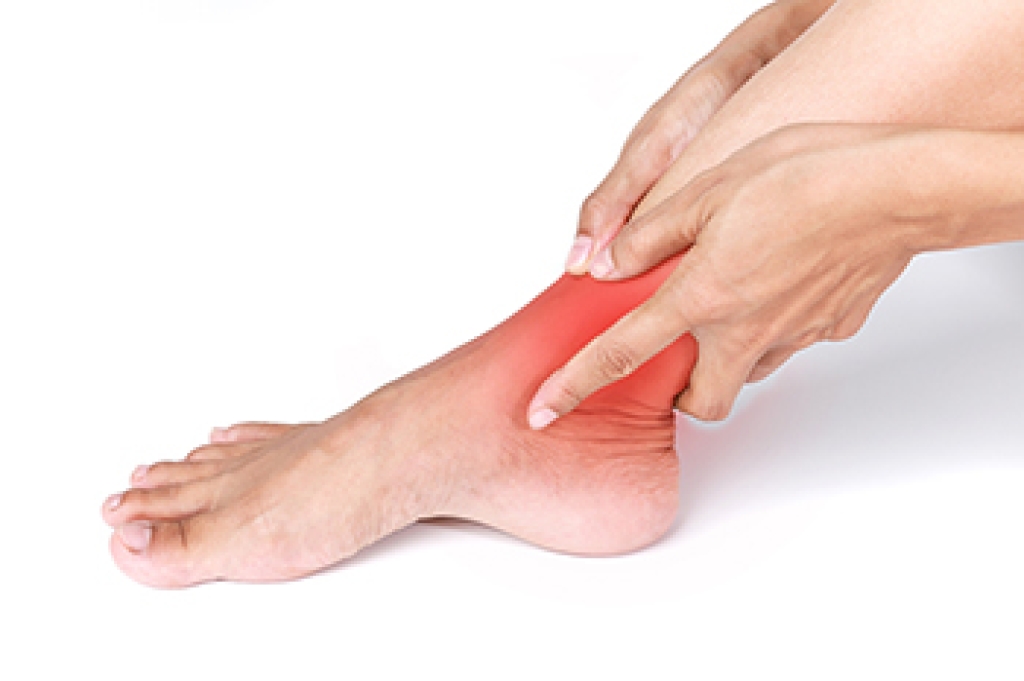
A type of injury that affects the lower inside of the leg, ankle, and arch is known as posterior tibialis tendonitis. Because injury to this tendon can easily be overlooked, it may cause ongoing problems with stability and arch support. Further, it can cause flat feet. Symptoms include painful inflammation to the inside of the ankle, difficulty bearing weight, tightness when flexing the foot, and tenderness in the arch. The most common causes of posterior tibialis tendonitis are a change in gait to compensate for pain from another injury or swelling in the ankle joint. One way to detect posterior tibialis tendonitis is to stand on tiptoe on the affected leg. Pain in this position may indicate injury. If so, it is a good idea to consult a podiatrist for a thorough exam and treatment options. 

Ankle pain can have many different causes and the pain may potentially be serious. If you have ankle pain, consult with one of our podiatrists from Pennsylvania Foot & Ankle. Our doctors will assess your condition and provide you with quality foot and ankle treatment.

Ankle pain is any condition that causes pain in the ankle. Due to the fact that the ankle consists of tendons, muscles, bones, and ligaments, ankle pain can come from a number of different conditions.

Causes

The most common causes of ankle pain include:

  • Types of arthritis (rheumatoid, osteoarthritis, and gout)
  • Ankle sprains
  • Broken ankles
  • Achilles tendinitis
  • Achilles tendon rupture
  • Stress fractures
  • Tarsal tunnel syndrome
  • Plantar fasciitis

Symptoms

Symptoms of ankle injury vary based upon the condition. Pain may include general pain and discomfort, swelling, aching, redness, bruising, burning or stabbing sensations, and/or loss of sensation.

Diagnosis

Due to the wide variety of potential causes of ankle pain, podiatrists will utilize a number of different methods to properly diagnose ankle pain. This can include asking for personal and family medical histories and of any recent injuries. Further diagnosis may include sensation tests, a physical examination, and potentially x-rays or other imaging tests.

Treatment

Just as the range of causes varies widely, so do treatments. Some more common treatments are rest, ice packs, keeping pressure off the foot, orthotics and braces, medication for inflammation and pain, and surgery.

If you have any questions please feel free to contact one of our offices located in Bensalem, Philadelphia, Northeast Philadelphia, Yardley, PA, and Hamilton, NJ . We offer the newest diagnostic tools and technology to treat your foot and ankle needs.

Read more about Ankle Pain

What to Do About Broken Toes

The most common causes of toe fractures are stubbing your toe (known medically as axial force) or by dropping something heavy on it. Symptoms of toe fractures include bruising, swelling, and throbbing pain. You likely will feel tenderness when you touch the site of the injury. The most common fractures are to the big toe. The big toe affects your balance, as well as your ability to walk and bear weight. A series of X-rays may be used to determine the site and severity of the break. A fractured big toe will usually be treated with a splint and rigid sole shoe to prevent joint movement. For the lesser toes, two or even three may be taped together with gauze in between to stabilize them, a process known as buddy taping. Some kind of open walking cast may also be used. It may take from three to six weeks for toe fractures to heal, or until point tenderness subsides. For help with a broken toe, or toes, it is suggested you consult with a podiatrist for appropriate treatment.  

Broken toes may cause a lot of pain and should be treated as soon as possible. If you have any concerns about your feet, contact one of our podiatrists from Pennsylvania Foot & Ankle. Our doctors will treat your foot and ankle needs.

What Is a Broken Toe?

A broken toe occurs when one or more of the toe bones of the foot are broken after an injury. Injuries such as stubbing your toe or dropping a heavy object on it may cause a toe fracture.

Symptoms of a Broken Toe

  • Swelling
  • Pain (with/without wearing shoes)
  • Stiffness
  • Nail Injury

Although the injured toe should be monitored daily, it is especially important to have a podiatrist look at your toe if you have severe symptoms. Some of these symptoms include worsening or new pain that is not relieved with medication, sores, redness, or open wounds near the toe.

If you have any questions please feel free to contact one of our offices located in Bensalem, Philadelphia, Northeast Philadelphia, Yardley, PA, and Hamilton, NJ . We offer the newest diagnostic tools and technology to treat your foot and ankle needs.

Read more about What to Know About a Broken Toe

Connect With Us