Risk Factors for Achilles Tendon Ruptures

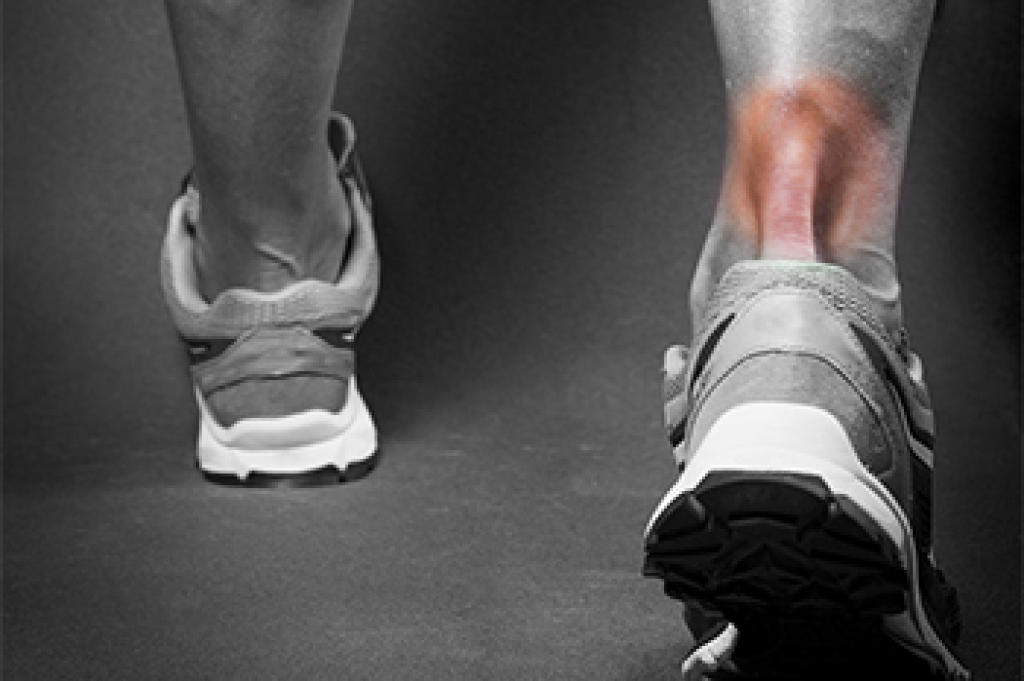
The Achilles tendon is the large tendon at the back of the ankle that connects the calf muscle to the heel bone. One common injury that occurs with the Achilles tendon is a rupture. This can either be a partial or a complete tear of the tendon, and it usually occurs during sporting activities like basketball and tennis, where pushing off and sprinting is frequent. While Achilles tendon ruptures can happen to anyone, they tend to affect males and people between the ages of 30 and 40. Other patients who are at a high risk for ruptures include those with poor flexibility, an inactive lifestyle, or who are on steroid medications.  Achilles tendon ruptures are often indicated by abrupt pain in the affected area, the feeling of getting kicked in the back of the leg, weakness and bruising in the area, and a potential “popping” sound. Patients who may have ruptured their Achilles tendon, or would like information on preventing future ruptures, should consult with a podiatrist.

Achilles tendon injuries need immediate attention to avoid future complications. If you have any concerns, contact one of our podiatrists of Pennsylvania Foot & Ankle. Our doctors can provide the care you need to keep you pain-free and on your feet.

What Is the Achilles Tendon?

The Achilles tendon is a tendon that connects the lower leg muscles and calf to the heel of the foot. It is the strongest tendon in the human body and is essential for making movement possible. Because this tendon is such an integral part of the body, any injuries to it can create immense difficulties and should immediately be presented to a doctor.

What Are the Symptoms of an Achilles Tendon Injury?

There are various types of injuries that can affect the Achilles tendon. The two most common injuries are Achilles tendinitis and ruptures of the tendon.

Achilles Tendinitis Symptoms

  • Inflammation
  • Dull to severe pain
  • Increased blood flow to the tendon
  • Thickening of the tendon

Rupture Symptoms

  • Extreme pain and swelling in the foot
  • Total immobility

Treatment and Prevention

Achilles tendon injuries are diagnosed by a thorough physical evaluation, which can include an MRI. Treatment involves rest, physical therapy, and in some cases, surgery. However, various preventative measures can be taken to avoid these injuries, such as:

  • Thorough stretching of the tendon before and after exercise
  • Strengthening exercises like calf raises, squats, leg curls, leg extensions, leg raises, lunges, and leg presses

If you have any questions please feel free to contact one of our offices located in Bensalem, Philadelphia, Northeast Philadelphia, Yardley, PA, and Hamilton, NJ . We offer the newest diagnostic tools and technology to treat your foot and ankle needs.
Read more about What are Achilles Tendon Injuries

Why Is My Child Complaining of Heel Pain?

If your child is complaining of heel pain they may be suffering from Sever’s Disease. When children are growing and bones have not fully developed, the growth plate at the back of the heel (the apophysis) can become irritated, stressed, and painful—especially when the child is physically active in sporting activities. This condition is known as Sever’s Disease and typically occurs in growing children between the ages of 9 and 14. It can take place in both sexes, however, it is more common among males. This ailment is said to improve as the child matures and the growth plate hardens into bone. In the meantime, pain and discomfort can be difficult for an active child to deal with. A podiatrist can help ease your child’s pain by prescribing icing, stretching, resting, orthotics, and more.

Sever's disease often occurs in children and teens. If your child is experiencing foot or ankle pain, see one of our podiatrists from Pennsylvania Foot & Ankle. Our doctors can treat your child’s foot and ankle needs.

Sever’s Disease

Sever’s disease is also known as calcaneal apophysitis, which is a medical condition that causes heel pain I none or both feet. The disease is known to affect children between the ages of 8 and 14.

Sever’s disease occurs when part of the child’s heel known as the growth plate (calcaneal epiphysis) is attached to the Achilles tendon. This area can suffer injury when the muscles and tendons of the growing foot do not keep pace with bone growth. Therefore, the constant pain which one experiences at the back of the heel will make the child unable to put any weight on the heel. The child is then forced to walk on their toes.

Symptoms

Acute pain – Pain associated with Sever’s disease is usually felt in the heel when the child engages in physical activity such as walking, jumping and or running.

Highly active – Children who are very active are among the most susceptible in experiencing Sever’s disease, because of the stress and tension placed on their feet.

If you have any questions, please feel free to contact one of our offices located in Bensalem, Philadelphia, Northeast Philadelphia, Yardley, PA, and Hamilton, NJ . We offer the newest diagnostic and treatment technologies for all your foot care needs.

Read more about Sever's Disease

Gout and the Holiday Season

Indulgent foods are everywhere during the holiday season, and while you might be well aware of their effects on your waistline, you may be less aware of their effect on your foot health. If you have previously experienced a gout attack, or are at risk of gout due to family history or underlying conditions, it is very important to watch what you eat and drink during the holidays. Food and drinks rich in purines, such as red meats, shellfish, and alcoholic or sugary beverages, can lead to increased uric acid levels in the bloodstream. An overabundance of uric acid can cause urea crystals to form and lodge in the joints of the feet, leading to painful gout flare ups. To learn more about the connection between nutrition and foot health, speak with a podiatrist today. 

Gout is a foot condition that requires certain treatment and care. If you are seeking treatment, contact one of our podiatrists from Pennsylvania Foot & Ankle. Our doctors will treat your foot and ankle needs.

What Is Gout?

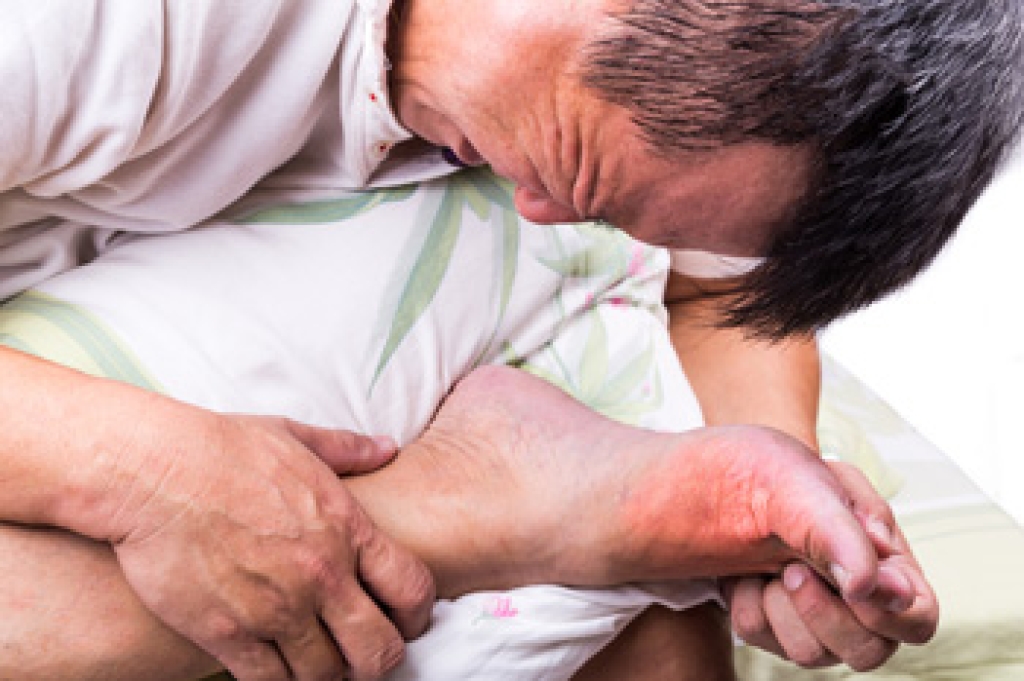
Gout is a type of arthritis caused by a buildup of uric acid in the bloodstream. It often develops in the foot, especially the big toe area, although it can manifest in other parts of the body as well. Gout can make walking and standing very painful and is especially common in diabetics and the obese.

People typically get gout because of a poor diet. Genetic predisposition is also a factor. The children of parents who have had gout frequently have a chance of developing it themselves.

Gout can easily be identified by redness and inflammation of the big toe and the surrounding areas of the foot. Other symptoms include extreme fatigue, joint pain, and running high fevers. Sometimes corticosteroid drugs can be prescribed to treat gout, but the best way to combat this disease is to get more exercise and eat a better diet.

If you have any questions, please feel free to contact one of our offices located in Bensalem, Philadelphia, Northeast Philadelphia, Yardley, PA, and Hamilton, NJ . We offer the newest diagnostic and treatment technologies for all your foot care needs.

Read more about Everything You Need to Know About Gout

Do Your Child's Feet Hurt?

Have your child's feet been examined lately? Healthy feet are happy feet. If your child is complaining of foot pain, it may be a sign of underlying problems.

Don’t Pop a Blister

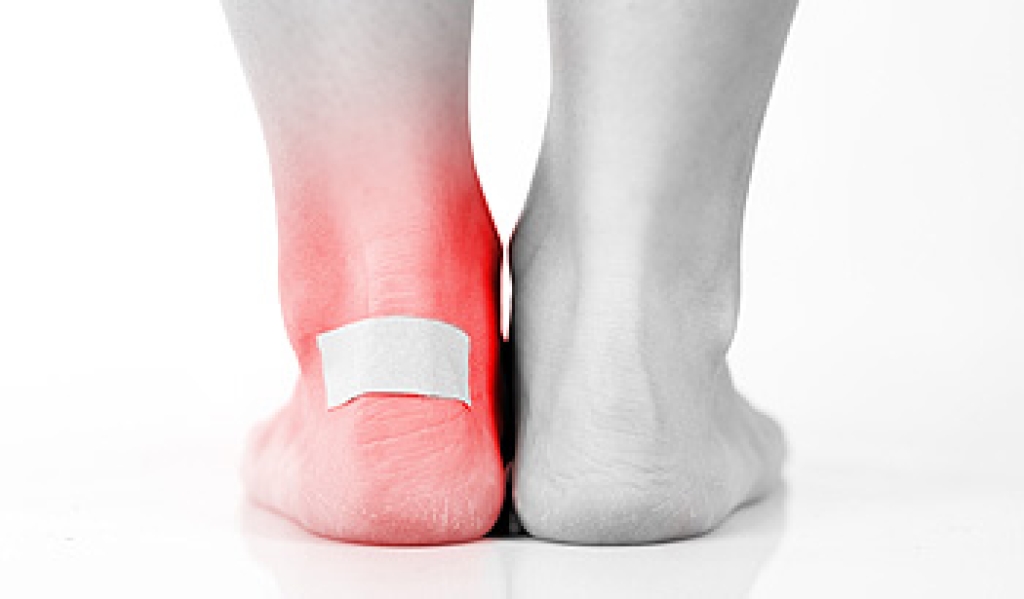
Blisters are small, fluid-filled pockets that form on the skin in response to trauma. Blisters on the feet are typically caused by friction from wearing ill-fitting shoes or exercising, but are also commonly caused by warts, athlete’s foot, and allergic reactions. If you have a blister, it is best to avoid popping it. The fluid inside the blister protects the raw skin underneath it, helping it heal from damage. When a blister is popped, it can be very painful and is more likely to become infected. If your blister has popped on its own, don’t peel off the top layer of skin. Leave it there and cover the blister with a clean bandage to protect it. If your blister is very painful, showing signs of infection, or leaking pus, please seek the care of a podiatrist. 

Blisters are prone to making everyday activities extremely uncomfortable. If your feet are hurting, contact one of our podiatrists of Pennsylvania Foot & Ankle. Our doctors can provide the care you need to keep you pain-free and on your feet.

Foot Blisters

Foot blisters develop as a result of constantly wearing tight or ill-fitting footwear. This happens due to the constant rubbing from the shoe, which can often lead to pain.

What Are Foot Blisters?

A foot blister is a small fluid-filled pocket that forms on the upper-most layer of the skin. Blisters are filled with clear fluid and can lead to blood drainage or pus if the area becomes infected.

How Do Blisters Form?

Blisters on the feet are often the result of constant friction of skin and material, usually by shoe rubbing. Walking in sandals, boots, or shoes that don’t fit properly for long periods of time can result in a blister. Having consistent foot moisture and humidity can easily lead to blister formation.

Prevention & Treatment

It is important to properly care for the affected area in order to prevent infection and ease the pain. Do not lance the blister and use a Band-Aid to provide pain relief. Also, be sure to keep your feet dry and wear proper fitting shoes. If you see blood or pus in a blister, seek assistance from a podiatrist.

If you have any questions, please feel free to contact one of our offices located in Bensalem, Philadelphia, Northeast Philadelphia, Yardley, PA, and Hamilton, NJ . We offer the newest diagnostic and treatment technologies for all your foot care needs.

Read more about Blisters

Connect With Us