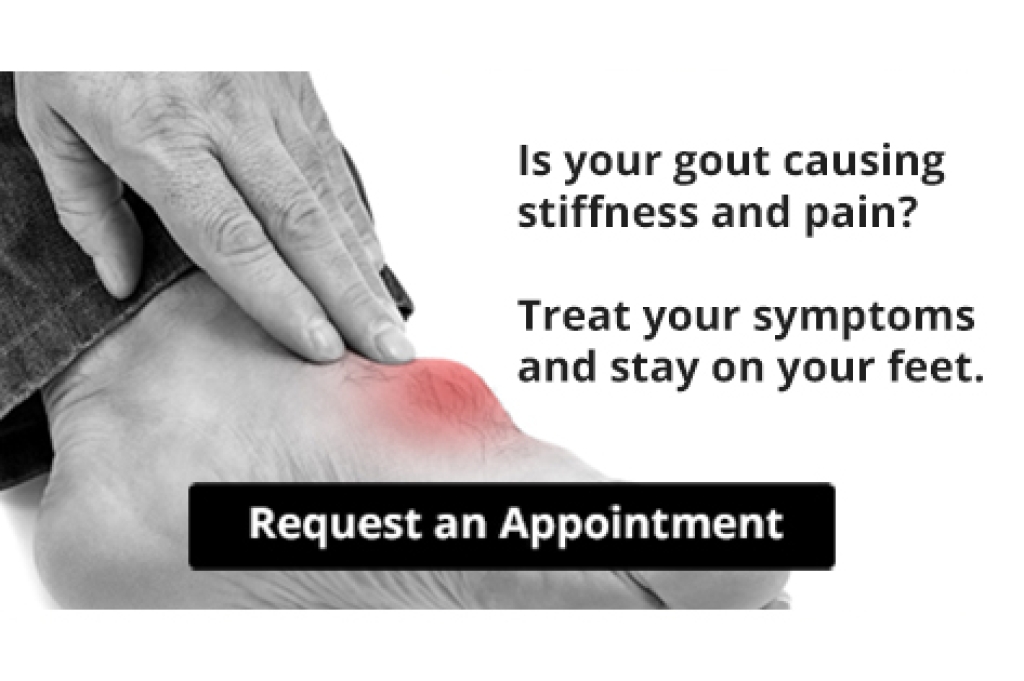
Gout is a painful, inflammatory form of arthritis. Those affected will typically feel an intense stiffness in the joints of their feet, particularly in the big toe. Schedule a visit to learn about how gout can be managed and treated.
Gout is a painful, inflammatory form of arthritis. Those affected will typically feel an intense stiffness in the joints of their feet, particularly in the big toe. Schedule a visit to learn about how gout can be managed and treated.

Many pregnant women notice their feet have become swollen. This is caused by the pressure that is put on the lower limbs, which is often the result of a growing fetus. The medical term for excessive swelling is referred to as edema, and is a common ailment in a large percentage of pregnant women. It is beneficial to wear shoes that are comfortable, and elevating the legs frequently during the day may bring mild relief. Additionally, the feet may swell as a result of high blood pressure. Research has shown if one foot becomes swollen, it may be indicative of an existing medical condition. If you would like additional information about how pregnancy affects the feet, it is suggested that you schedule a consultation with a podiatrist.
Pregnant women with swollen feet can be treated with a variety of different methods that are readily available. For more information about other cures for swollen feet during pregnancy, consult with one of our podiatrists from Pennsylvania Foot & Ankle. Our doctors will attend to all of your foot and ankle needs.
What Foot Problems Can Arise During Pregnancy?
One problem that can occur is overpronation, which occurs when the arch of the foot flattens and tends to roll inward. This can cause pain and discomfort in your heels while you’re walking or even just standing up, trying to support your baby.
Another problem is edema, or swelling in the extremities. This often affects the feet during pregnancy but tends to occur in the later stages.
How Can I Keep My Feet Healthy During Pregnancy?
If you have any questions, please feel free to contact one of our offices located in Bensalem, Philadelphia, Northeast Philadelphia, Yardley, PA, and Hamilton, NJ . We offer the newest diagnostic and treatment technologies for all your foot care needs.
 If you are scheduled for any type of foot surgery, it is wise to prepare for an appropriate recovery period. Many patients find it beneficial to ask friends and family for a helping hand, in addition to having adequate amounts of food available prior to the surgery. It will help to have essential items as near to you as possible, as this may help in preventing unnecessary walking on the affected foot. Immediately following surgery, you will most likely experience swelling, and this may last for several days. The majority of the swelling will gradually diminish as the healing process occurs. If you would like additional information about how to prepare for an upcoming foot surgery, please consult with a podiatrist.
Foot surgery is sometimes necessary to treat a foot ailment. To learn more, contact one of our podiatrists of Pennsylvania Foot & Ankle. Our doctors will assist you with all of your foot and ankle needs.
When Is Surgery Necessary?
Foot and ankle surgery is generally reserved for cases in which less invasive, conservative procedures have failed to alleviate the problem. Some of the cases in which surgery may be necessary include:
What Types of Surgery Are There?
The type of surgery you receive will depend on the nature of the problem you have. Some of the possible surgeries include:
Benefits of Surgery
Although surgery is usually a last resort, it can provide more complete pain relief compared to non-surgical methods and may allow you to finally resume full activity.
Surgical techniques have also become increasingly sophisticated. Techniques like endoscopic surgery allow for smaller incisions and faster recovery times.
If you have any questions, please feel free to contact one of our offices located in Bensalem, Philadelphia, Northeast Philadelphia, Yardley, PA, and Hamilton, NJ . We offer the newest diagnostic and treatment technologies for all your foot care needs.
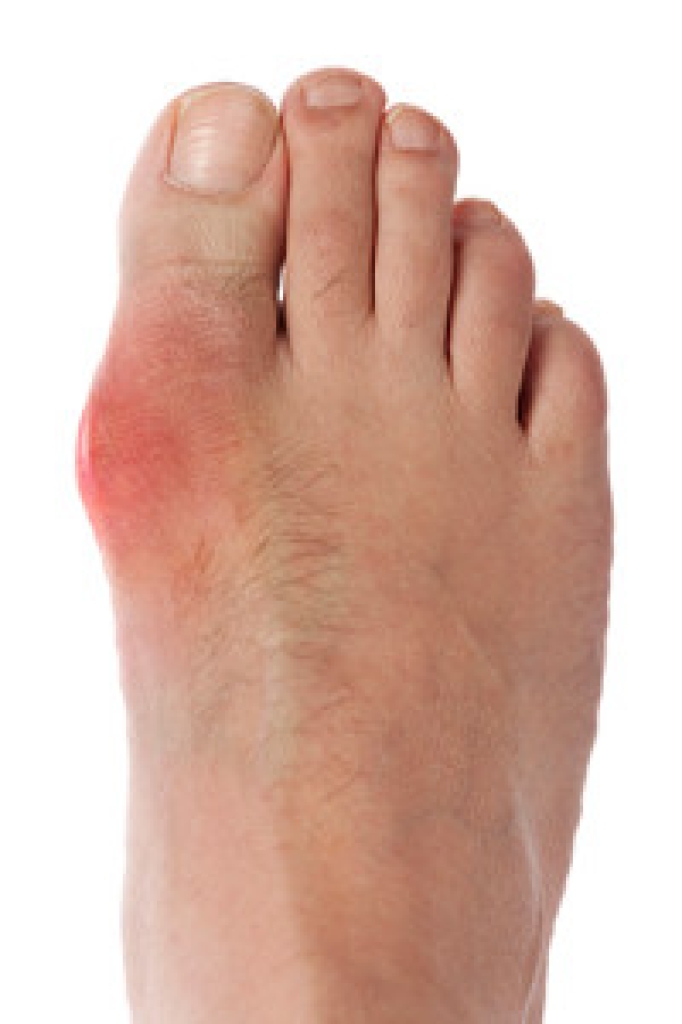 A form of arthritis that is referred to as gout is known to produce considerable pain and discomfort. Patients who are afflicted with this condition often experience difficulty in walking and performing daily activities. It develops as a result of excess uric levels in the bloodstream, which cause crystals to form in the joints of the big toe. This ailment can happen for different reasons. Genetics may play a significant role in contributing to the onset of gout. Additionally, if foods that are high in purine levels are frequently eaten, the result may be a gout attack. These types of foods include shellfish, alcohol, and red meat. If you have developed gout, it is suggested to consult with a podiatrist who can begin the correct treatment for you.
Gout is a painful condition that can be treated. If you are seeking treatment, contact one of our podiatrists from Pennsylvania Foot & Ankle. Our doctors will treat your foot and ankle needs.
What Is Gout?
Gout is a form of arthritis that is characterized by sudden, severe attacks of pain, redness, and tenderness in the joints. The condition usually affects the joint at the base of the big toe. A gout attack can occur at any random time, such as the middle of the night while you are asleep.
Symptoms
Risk Factors
Prior to visiting your podiatrist to receive treatment for gout, there are a few things you should do beforehand. If you have gout you should write down your symptoms--including when they started and how often you experience them, important medical information you may have, and any questions you may have. Writing down these three things will help your podiatrist in assessing your specific situation so that he or she may provide the best route of treatment for you.
If you have any questions, please feel free to contact one of our offices located in Bensalem, Philadelphia, Northeast Philadelphia, Yardley, PA, and Hamilton, NJ . We offer the newest diagnostic and treatment technologies for all your foot care needs.
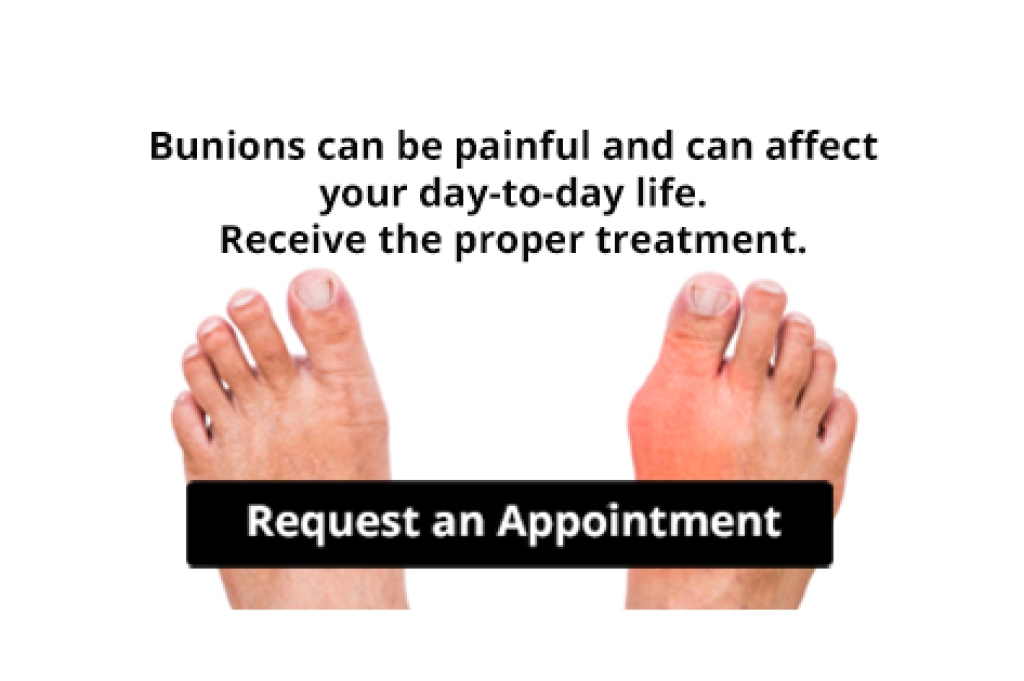
Have you noticed a bony protrusion on the side of your big toe? If so, you may have developed the foot condition known as a bunion. Don't let bunions interfere with your daily activities.
Connect With Us
