Is Ankle Surgery Right for Me?

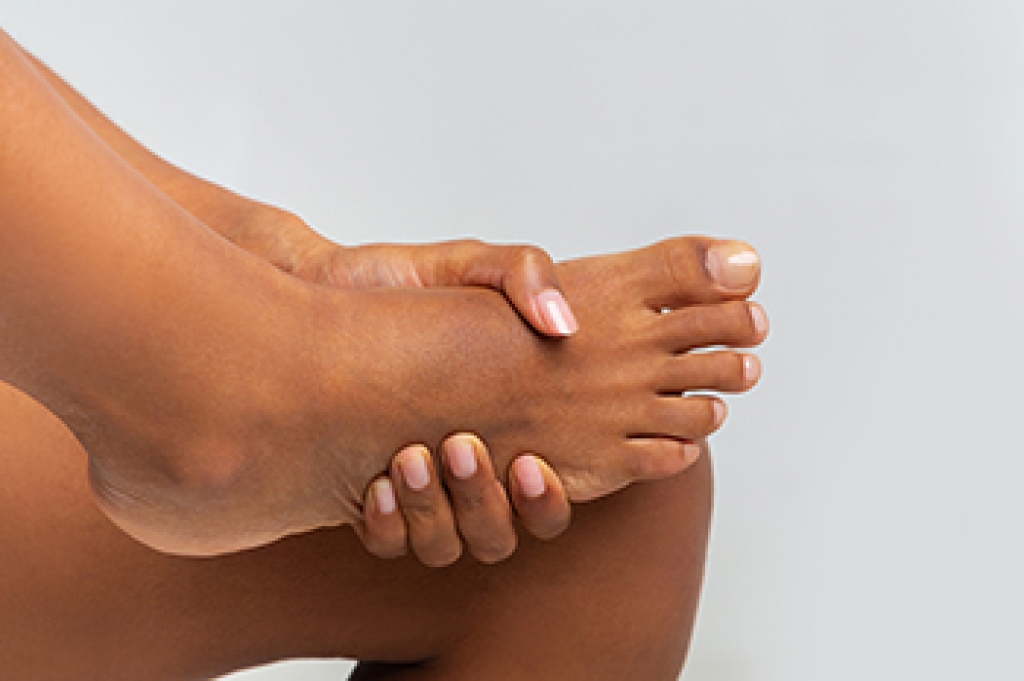
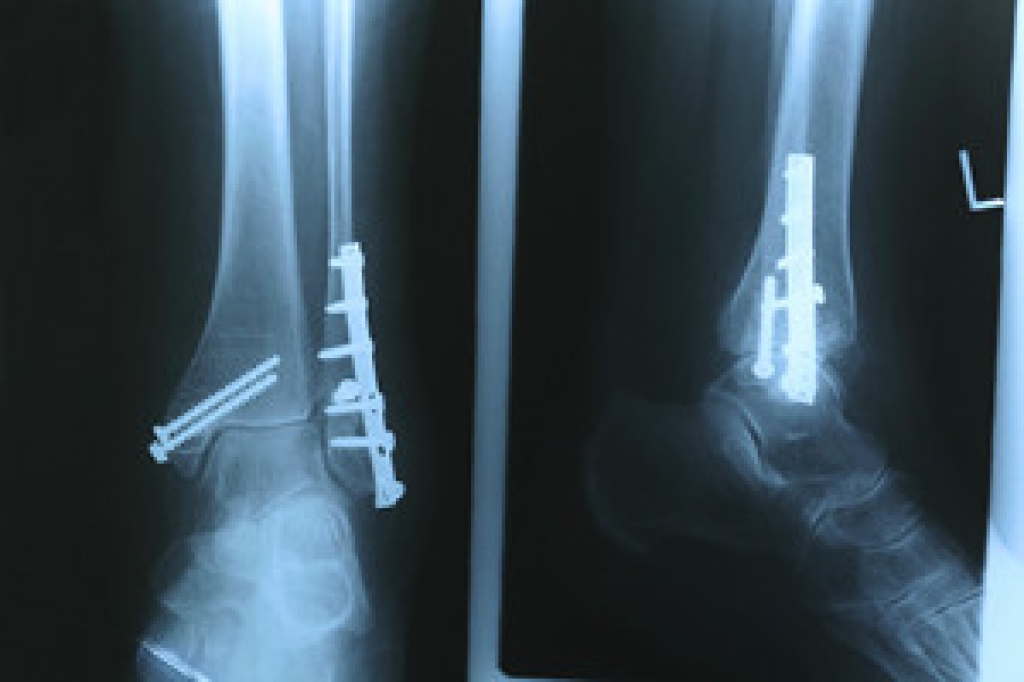
People who are severely afflicted by ankle arthritis may choose to have ankle surgery performed. It is considered to be joint replacement surgery, and may be successful in removing damaged tissue in the ankle. This is followed by replacing it with a metal or plastic prosthesis. The benefits of this type of surgery may include improved range of motion in the ankle, and can protect the ankle joint. Research has shown the ideal candidate can include patients who are middle-aged or above, have a normal weight, and refrain from having a physically demanding lifestyle. The recovery process can consist of using crutches for two weeks after surgery, followed by wearing a protective boot for approximately six weeks. Many patients practice ankle stretches or exercises at this point, which will gradually strengthen the ankle, and normal activity can eventually resume. If you have severe ankle pain and are considering having joint replacement surgery performed, it is strongly suggested that you are under the care of a podiatrist who can determine if this is the right choice for you.

In certain cases, in which the patient suffers from extreme pain or damage in a joint, joint replacement surgery may be deemed useful. If you have constant pain in a foot joint, consult with one of our podiatrists from Pennsylvania Foot & Ankle. Our doctors will assess your condition and provide you with quality foot and ankle treatment.

What Is Joint Replacement Surgery?

Over time, joints wear down; this can be exacerbated by diseases and conditions. Joint replacement surgery, also known as arthroplasty, is when a damaged joint is surgically removed and replaced with a prosthesis. Prostheses, which can be made of ceramic, plastic, or metal, act as joints in lieu of an actual joint. One of the most prevalent causes for joint replacement is arthritis.

Arthritis in the Foot

Arthritis can occur in any joint in the body, including in the feet. Common types of arthritis in the foot are osteoarthritis, rheumatoid arthritis, and gout. The big toe is usually where arthritis occurs in the foot; this is known as hallux rigidus.

Joint Replacement Surgery in the Foot

The most common form of joint replacement in the foot is a first metatarsophalangeal (MTP) joint placement. MTP joint replacement surgery is designed to treat hallux rigidus. Surgery is not intensive, and recovery occurs within one to two months after the procedure has been done. Overall, joint replacement surgery is a safe and effective way to treat pain in the joint of the foot.

If you have any questions, please feel free to contact one of our offices located in Bensalem, Philadelphia, Northeast Philadelphia, Yardley, PA, and Hamilton, NJ . We offer the newest diagnostic and treatment technologies for all your foot care needs.

Read more about Joint Replacement Surgery

2 Categories of Flat Feet

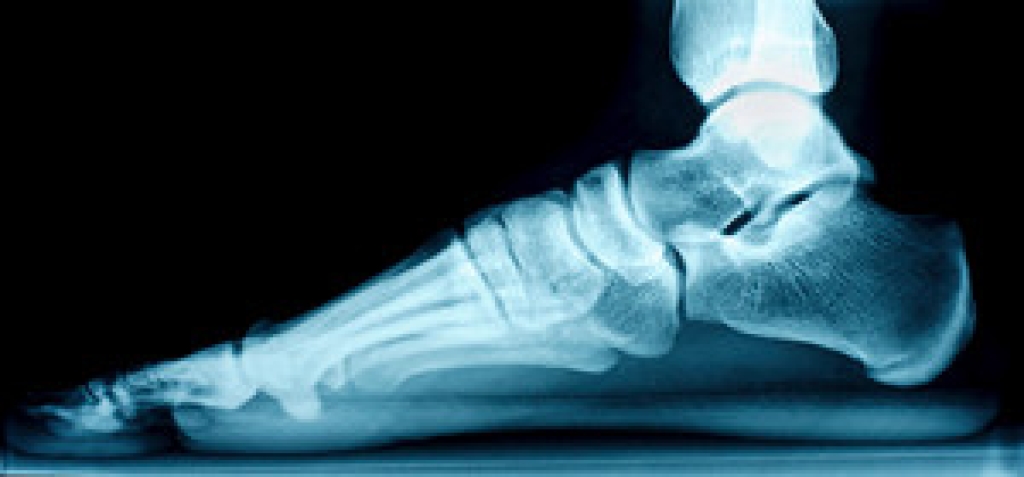
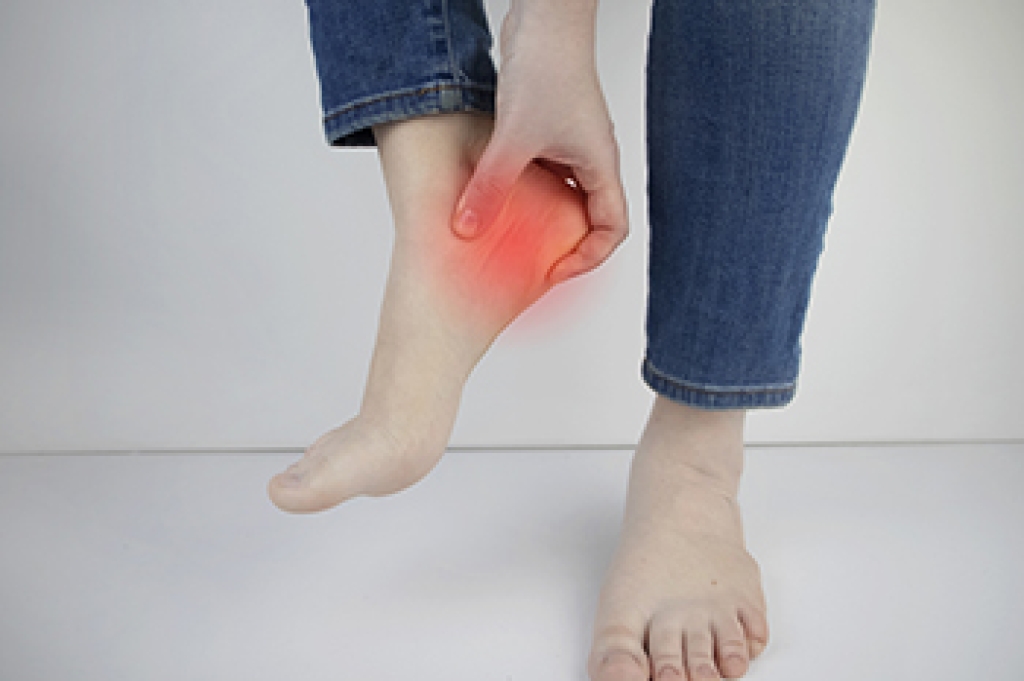
The majority of babies are born with flat feet, and they may remain that way into adulthood. Flat feet are easily noticed as the foot lies flat on the floor while standing, and the lack of an arch may be painful for some patients. Flat feet fall into two categories. Those who have weak muscles in the foot are referred to as having flexible flat feet, and the arch may be seen while lying down. With this condition, the arch will disappear when weight is put on it. Rigid flat feet will remain the same whether standing or lying down, and there may be a reduced range of motion. Many people who have flat feet choose to wear orthotics, which can be successful in treating this type of abnormal foot structure. Severely flat feet may cause difficulty in completing daily activities, and surgery may be considered for permanent relief. If you are an adult who has flat feet, it is suggested that you are under the care of a podiatrist who can guide you toward the relief options and offer the treatment that is best for you.

Flatfoot is a condition many people suffer from. If you have flat feet, contact one of our podiatrists from Pennsylvania Foot & Ankle. Our doctors will treat your foot and ankle needs.

What Are Flat Feet?

Flatfoot is a condition in which the arch of the foot is depressed and the sole of the foot is almost completely in contact with the ground. About 20-30% of the population generally has flat feet because their arches never formed during growth.

Conditions & Problems:

Having flat feet makes it difficult to run or walk because of the stress placed on the ankles.

Alignment – The general alignment of your legs can be disrupted, because the ankles move inward which can cause major discomfort.

Knees – If you have complications with your knees, flat feet can be a contributor to arthritis in that area.  

Symptoms

  • Pain around the heel or arch area
  • Trouble standing on the tip toe
  • Swelling around the inside of the ankle
  • Flat look to one or both feet
  • Having your shoes feel uneven when worn

Treatment

If you are experiencing pain and stress on the foot you may weaken the posterior tibial tendon, which runs around the inside of the ankle. 

If you have any questions, please feel free to contact one of our offices located in Bensalem, Philadelphia, Northeast Philadelphia, Yardley, PA, and Hamilton, NJ . We offer the newest diagnostic and treatment technologies for all your foot care needs.
Read more about What is Flexible Flat Foot?

Plantar Warts Can Be Treated!

Plantar warts are small growths that develop on parts of the feet that bear weight. They're typically found on the bottom of the foot. Don't live with plantar warts, and call us today!

What Can Cause Plantar Fasciitis?

The plantar fascia is found on the bottom of the foot. It is a long portion of tissue that connects the heel to the toes and can become quite painful if it becomes irritated. A heel injury or gradual wear and tear may lead to developing plantar fasciitis. This foot condition is defined as inflammation or tears that happen to the plantar fascia, which can occur from wearing shoes that do not have adequate cushioning in the heel area. It can also happen to people who stand on hard or uneven surfaces for most of the day, causing excess pressure on the heel and surrounding areas. Many people enjoy running and jogging, and it is helpful to be aware of how this can negatively impact the heels. Pregnant women may develop plantar fasciitis, as a result of the added weight the feet must endure. Temporary relief may be found when the affected foot is elevated, and walking is kept to a minimum. A podiatrist is a specialist that can effectively treat plantar fasciitis, and it is suggested that you contact this type of doctor who can offer you the treatment option that is best for you.

Plantar fasciitis can be very painful and inconvenient. If you are experiencing heel pain or symptoms of plantar fasciitis, contact one of our podiatrists  from Pennsylvania Foot & Ankle. Our doctors can provide the care you need to keep you pain-free and on your feet.

What Is Plantar Fasciitis?

Plantar fasciitis is the inflammation of the thick band of tissue that runs along the bottom of your foot, known as the plantar fascia, and causes mild to severe heel pain.

What Causes Plantar Fasciitis?

  • Excessive running
  • Non-supportive shoes
  • Overpronation
  • Repeated stretching and tearing of the plantar fascia

How Can It Be Treated?

  • Conservative measures – anti-inflammatories, ice packs, stretching exercises, physical therapy, orthotic devices
  • Shockwave therapy – sound waves are sent to the affected area to facilitate healing and are usually used for chronic cases of plantar fasciitis
  • Surgery – usually only used as a last resort when all else fails. The plantar fascia can be surgically detached from the heel

While very treatable, plantar fasciitis is definitely not something that should be ignored. Especially in severe cases, speaking to your doctor right away is highly recommended to avoid complications and severe heel pain. Your podiatrist can work with you to provide the appropriate treatment options tailored to your condition.

If you have any questions, please feel free to contact one of our offices located in Bensalem, Philadelphia, Northeast Philadelphia, Yardley, PA, and Hamilton, NJ . We offer the newest diagnostic and treatment technologies for all your foot care needs.

Read more about Plantar Fasciitis

Stretching May Relieve Arch and Heel

The arch is responsible for several functions in the foot, and may become painful for various reasons. Performing specific stretches may help to relieve any discomfort, and bring overall relief to the entire foot. The plantar fascia is located on the bottom of the foot, and connects the heel to the toes. The arch is often affected if the plantar fascia becomes inflamed, and mild relief may be found when it is frequently stretched. This can be done by sitting in a chair with the affected foot on the other knee. The foot can be grasped in one hand, while holding the foot with the other hand, and pulling the heel back. The plantar fascia can also be stretched while kneeling with the hands and knees on the floor. A gentle stretch can be felt while sitting back on the heels. Many people find relief when they place their foot on a frozen water bottle and roll it back and forth several times. If you would like more information about how to relieve arch and heel pain, it is suggested that you consult with a podiatrist who can provide you with the information you are seeking.

Stretching the feet is a great way to prevent injuries. If you have any concerns with your feet consult with one of our podiatrists from Pennsylvania Foot & Ankle. Our doctors will assess your condition and provide you with quality foot and ankle treatment.

Stretching the Feet

Being the backbone of the body, the feet carry your entire weight and can easily become overexerted, causing cramps and pain. As with any body part, stretching your feet can serve many benefits. From increasing flexibility to even providing some pain relief, be sure to give your feet a stretch from time to time. This is especially important for athletes or anyone performing aerobic exercises, but anyone experiencing foot pain or is on their feet constantly should also engage in this practice.

Great ways to stretch your feet:

  • Crossing one leg over the others and carefully pull your toes back. Do 10-20 repetitions and repeat the process for each foot
  • Face a wall with your arms out and hands flat against the wall. Step back with one foot and keep it flat on the floor while moving the other leg forward. Lean towards the wall until you feel a stretch. Hold for 30 seconds and perform 10 repetitions for each foot
  • Be sure not to overextend or push your limbs too hard or you could risk pulling or straining your muscle

Individuals who tend to their feet by regular stretching every day should be able to minimize foot pain and prevent new problems from arising.

If you have any questions please contact one of our offices located in Bensalem, Philadelphia, Northeast Philadelphia, Yardley, PA, and Hamilton, NJ . We offer the newest diagnostic and treatment technologies for all your foot and ankle needs.

Read more about Stretching Your Feet

Bunions May Affect Runners

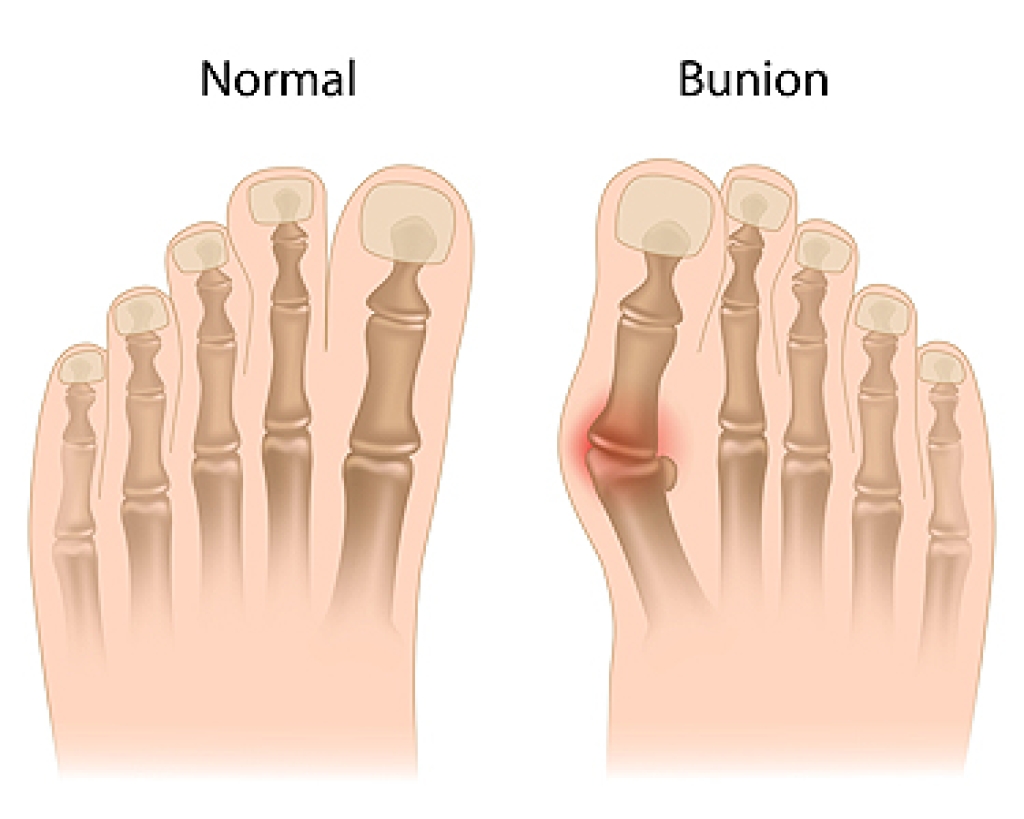
People who enjoy running or jogging may be concerned if a bunion develops.  A bunion is a bony protrusion that forms on the side of the big toe and is uncomfortable while wearing shoes. As the bunion grows, it may alter the foot structure, and cause the other toes to shift toward each other. A bunion is considered to be a deformity and may cause pain and discomfort. Runners may have to alter their gait to accommodate the bunion, and medical attention is often sought so their running or jogging routine may resume to normal. A common cause of bunions can come from wearing shoes that do not have ample room in the toe area. High heels fit into this category, which may cause the toes to squeeze together. It may also happen from genetic reasons, which may give people fair warning to wisely choose shoes that fit correctly. Some patients have found temporary relief for mild bunions by wearing a protective covering over it. If you have developed a bunion, it is suggested that you speak with a podiatrist who can guide you toward the correct treatment methods, which may include surgery for permanent removal. 

If you are suffering from bunion pain, contact one of our podiatrists of Pennsylvania Foot & Ankle. Our doctors can provide the care you need to keep you pain-free and on your feet.

What Is a Bunion?

Bunions are painful bony bumps that usually develop on the inside of the foot at the joint of the big toe. As the deformity increases over time, it may become painful to walk and wear shoes. Women are more likely to exacerbate existing bunions since they often wear tight, narrow shoes that shift their toes together. Bunion pain can be relieved by wearing wider shoes with enough room for the toes.

Causes

  • Genetics – some people inherit feet that are more prone to bunion development
  • Inflammatory Conditions - rheumatoid arthritis and polio may cause bunion development

Symptoms

  • Redness and inflammation
  • Pain and tenderness
  • Callus or corns on the bump
  • Restricted motion in the big toe

In order to diagnose your bunion, your podiatrist may ask about your medical history, symptoms, and general health. Your doctor might also order an x-ray to take a closer look at your feet. Nonsurgical treatment options include orthotics, padding, icing, changes in footwear, and medication. If nonsurgical treatments don’t alleviate your bunion pain, surgery may be necessary.

If you have any questions, please feel free to contact one of our offices located in Bensalem, Philadelphia, Northeast Philadelphia, Yardley, PA, and Hamilton, NJ . We offer the newest diagnostic and treatment technologies for all your foot care needs.
Read more about Bunions

Symptoms of an Ingrown Toenail

The pain that comes from having an ingrown toenail cannot be ignored. The medical term for this condition is referred to as onychocryptosis, and it generally affects the big toe. It happens when the nail grows into the skin instead of over it, and noticeable symptoms may be redness, soreness, and swelling. Effective prevention methods for an ingrown toenail can consist of wearing shoes that fit properly and trimming the toenails straight across instead of in a curved direction. An ingrown toenail also can happen if a toe injury has occurred, or if the shoes and socks that are worn are too tight. Patients may find temporary relief when the foot is soaked in warm water, and the nail is gently pulled away from the skin by using a small piece of cotton. Permanent relief can be found when a podiatrist is contacted, who can perform minor surgery, if necessary for removal of the nail. If you have developed an ingrown toenail, it is suggested that you contact this type of doctor who can determine what the best course of treatment is for you.

Ingrown toenails may initially present themselves as a minor discomfort, but they may progress into an infection in the skin without proper treatment. For more information about ingrown toenails, contact one of our podiatrists of Pennsylvania Foot & Ankle. Our doctors can provide the care you need to keep you pain-free and on your feet.

Ingrown Toenails

Ingrown toenails are caused when the corner or side of a toenail grows into the soft flesh surrounding it. They often result in redness, swelling, pain, and in some cases, infection. This condition typically affects the big toe and may recur if it is not treated properly.

Causes

  • Improper toenail trimming
  • Genetics
  • Improper shoe fitting
  • Injury from pedicures or nail picking
  • Abnormal gait
  • Poor hygiene

You are more likely to develop an ingrown toenail if you are obese, have diabetes, arthritis, or have any fungal infection in your nails. Additionally, people who have foot or toe deformities are at a higher risk of developing an ingrown toenail.

Symptoms

Some symptoms of ingrown toenails are redness, swelling, and pain. In rare cases, there may be a yellowish drainage coming from the nail.

Treatment

Ignoring an ingrown toenail can have serious complications. Infections of the nail border can progress to a deeper soft-tissue infection, which can then turn into a bone infection. You should always speak with your podiatrist if you suspect you have an ingrown toenail, especially if you have diabetes or poor circulation.

If you have any questions, please feel free to contact one of our offices located in Bensalem, Philadelphia, Northeast Philadelphia, Yardley, PA, and Hamilton, NJ . We offer the newest diagnostic and treatment technologies for all your foot care needs.

Read more about Ingrown Toenails

Foot Pain and Shoe Types

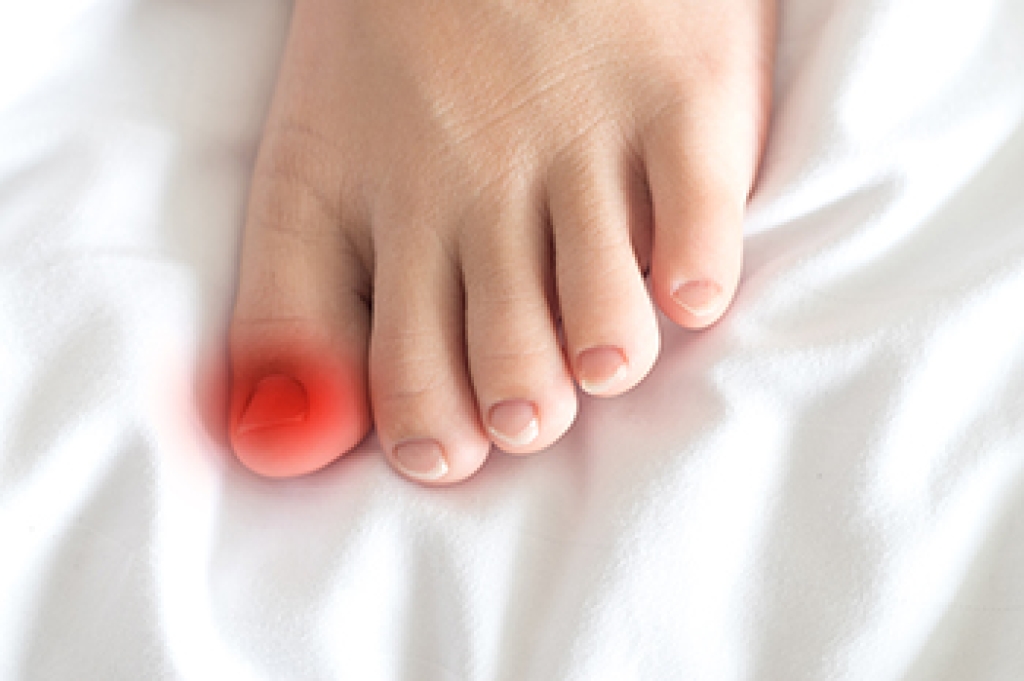
It is important to note that foot pain is nothing to take lightly. Since humans use their feet every day for a wide range of activities, maintaining proper foot health and addressing any potential foot pain is critical. Occasionally, foot pain may result from wearing the wrong type of shoe for the specific activity that is being pursued. For example, many individuals who spend a lot of time walking are not wearing shoes that are well suited for this. When an individual engages in walking, it is beneficial the shoes have a significant amount of arch support. This means shoes such as flip flops or flats generally are not well suited to this activity. High heels also are ill-fitted to the activity of walking because this kind of shoe forces the weight of the body to the balls of the feet. Therefore, a patient can try to remember to choose shoes that match the activity they are engaging in. If you are someone struggling with foot pain, it is strongly suggested that you contact a podiatrist today for treatment and advice. 

Foot Pain

Foot pain can be extremely painful and debilitating. If you have a foot pain, consult with one of our podiatrists from Pennsylvania Foot & Ankle. Our doctors will assess your condition and provide you with quality foot and ankle treatment.

Causes

Foot pain is a very broad condition that could be caused by one or more ailments. The most common include:

  • Bunions
  • Hammertoes
  • Plantar Fasciitis
  • Bone Spurs
  • Corns
  • Tarsal Tunnel Syndrome
  • Ingrown Toenails
  • Arthritis (such as Gout, Rheumatoid, and Osteoarthritis)
  • Flat Feet
  • Injury (from stress fractures, broken toe, foot, ankle, Achilles tendon ruptures, and sprains)
  • And more

Diagnosis

To figure out the cause of foot pain, podiatrists utilize several different methods. This can range from simple visual inspections and sensation tests to X-rays and MRI scans. Prior medical history, family medical history, and any recent physical traumatic events will all be taken into consideration for a proper diagnosis.

Treatment

Treatment depends upon the cause of the foot pain. Whether it is resting, staying off the foot, or having surgery; podiatrists have a number of treatment options available for foot pain.

If you have any questions, please feel free to contact one of our offices located in Bensalem, Philadelphia, Northeast Philadelphia, Yardley, PA, and Hamilton, NJ . We offer the newest diagnostic and treatment technologies for all your foot care needs.
Read more about Foot Pain

Dealing With Claw Toe

Most people are familiar with bunions, but another toe deformity that can become uncomfortable, or even painful, is claw toe. The tip of the toe curls underneath the foot, while the base of the toe rises up. This usually occurs in one or more of the smaller toes. Although claw toe can be a sign of diabetes, it may also be the result of shoe type, foot structure, or some type of trauma. Besides improperly fitting shoes or other footwear, the causes of claw toe may include ankle injuries, inflammation, or swelling of the feet. In addition, nerve damage that weakens the muscles in the feet may be a factor. Certain underlying medical conditions, including rheumatoid arthritis, cerebral palsy, and diabetes have been identified as possible factors in the development of claw toe. The risk of claw toe increases with age. If you have noticed a change in the structure of your toes or are experiencing unusual pain in the toes, it is suggested that you consult with a podiatrist who can conduct an examination, offer a diagnosis, and suggest a possible treatment plan.  

Toe pain can disrupt your daily activities. If you have any concerns, contact one of our podiatrists of Pennsylvania Foot & Ankle. Our doctors can provide the care you need to keep you pain-free and on your feet.

What Causes Toe Pain?

Most severe toe pain is caused due to a sports injury, trauma from dropping something heavy on the toe, or bumping into something rigid. Other problems can develop over time for various reasons.

Toe pain can be caused by one or more ailments. The most common include:

  • Trauma
  • Sports injury
  • Wearing shoes that are too tight
  • Arthritis
  • Gout
  • Corns and calluses
  • Hammertoe
  • Bunions
  • Blisters
  • Ingrown toenails
  • Sprains
  • Fractures (broken bones)
  • Dislocations

When to See a Podiatrist

  • Severe pain
  • Persistent pain that lasts more than a week
  • Signs of infection
  • Continued swelling
  • Pain that prevents walking

Diagnosis

In many cases the cause of toe pain is obvious, but in others, a podiatrist may want to use more advanced methods to determine the problem. These can range from simple visual inspections and sensation tests to X-rays and MRI scans. Prior medical history, family medical history, and any recent physical traumatic events will all be taken into consideration for a proper diagnosis.

Treatment

Treatments for toe pain and injuries vary and may include shoe inserts, padding, taping, medicines, injections, and in some cases, surgery. If you believe that you have broken a toe, please see a podiatrist as soon as possible.

If you have any questions please contact one of our offices located in Bensalem, Philadelphia, Northeast Philadelphia, Yardley, PA, and Hamilton, NJ . We offer the newest diagnostic and treatment technologies for all your foot and ankle needs.

Read more about Toe Pain

Connect With Us