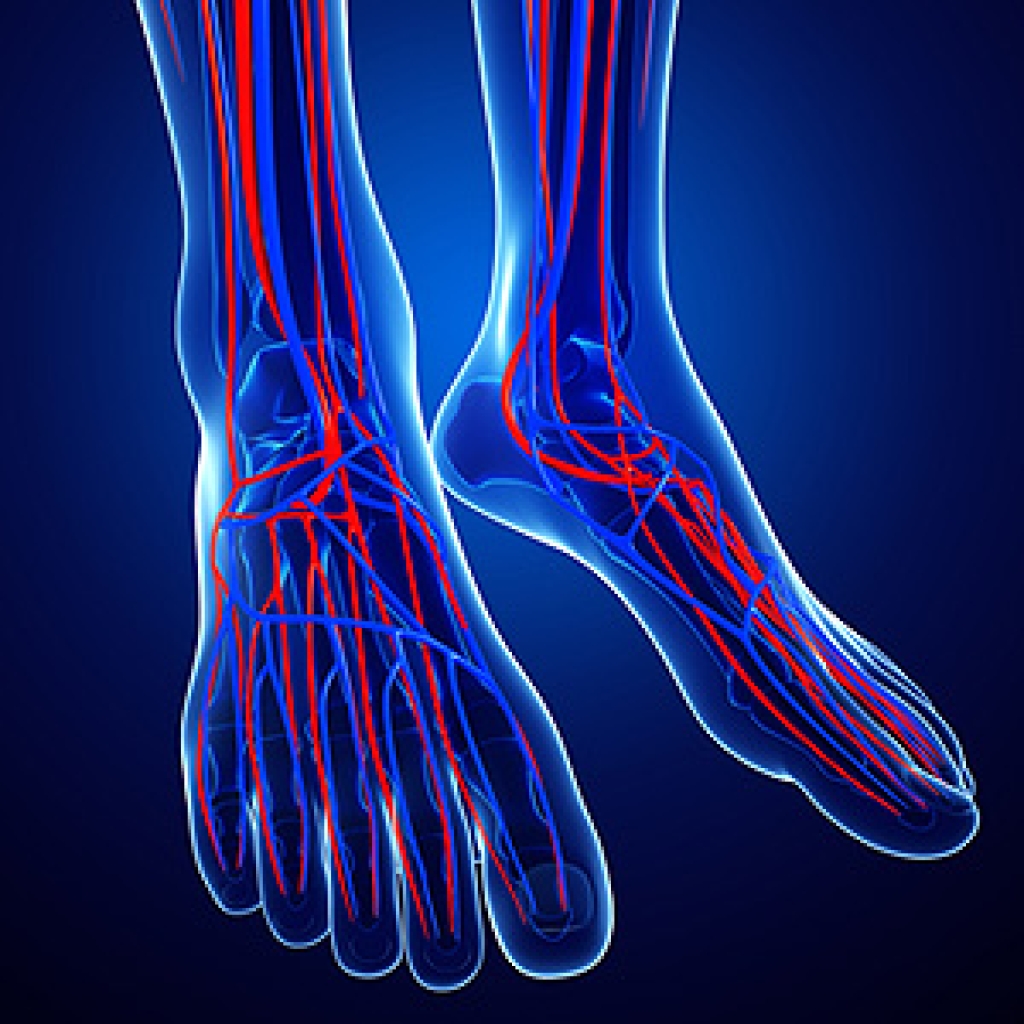
Symptoms of Poor Foot Circulation

High blood pressure may be one of the more common causes of poor circulation in the feet and toes. When this occurs, the pressure the artery walls must endure is greater than normal. General symptoms may include discomfort and pain, which may typically happen during walking or exercise. Additional symptoms may include cramping, tingling, numbness or pain, which may become severe. Patients may experience a change in color in their lower extremities and they may notice sensitivity and coldness in their feet and toes. There are steps that can be implemented which may prevent circulation problems including ingesting fresh foods which may aid in maintaining a healthy weight, eliminating smoking and practicing a daily exercise program. It’s suggested to consult with a podiatrist who can provide the necessary medical advice if you have discovered you have poor circulation in your feet.

While poor circulation itself isn’t a condition; it is a symptom of another underlying health condition you may have. If you have any concerns with poor circulation in your feet contact one of our podiatrists of Pennsylvania Foot & Ankle. Our doctors will treat your foot and ankle needs.

Poor Circulation in the Feet

Peripheral artery disease (PAD) can potentially lead to poor circulation in the lower extremities. PAD is a condition that causes the blood vessels and arteries to narrow. In a linked condition called atherosclerosis, the arteries stiffen up due to a buildup of plaque in the arteries and blood vessels. These two conditions can cause a decrease in the amount of blood that flows to your extremities, therefore resulting in pain.

Symptoms

Some of the most common symptoms of poor circulation are:

  • Numbness
  • Tingling
  • Throbbing or stinging pain in limbs
  • Pain
  • Muscle Cramps

Treatment for poor circulation often depends on the underlying condition that causes it. Methods for treatment may include insulin for diabetes, special exercise programs, surgery for varicose veins, or compression socks for swollen legs.

As always, see a podiatrist as he or she will assist in finding a regimen that suits you. A podiatrist can also prescribe you any needed medication. 

If you have any questions, please feel free to contact one of our offices located in Bensalem, Philadelphia, Northeast Philadelphia, Yardley, PA, and Hamilton, NJ . We offer the newest diagnostic and treatment technologies for all your foot care needs.
Read more about Causes, Symptoms, and Treatment of Poor Blood Circulation in the Feet

Causes and Symptoms of Heel Spurs

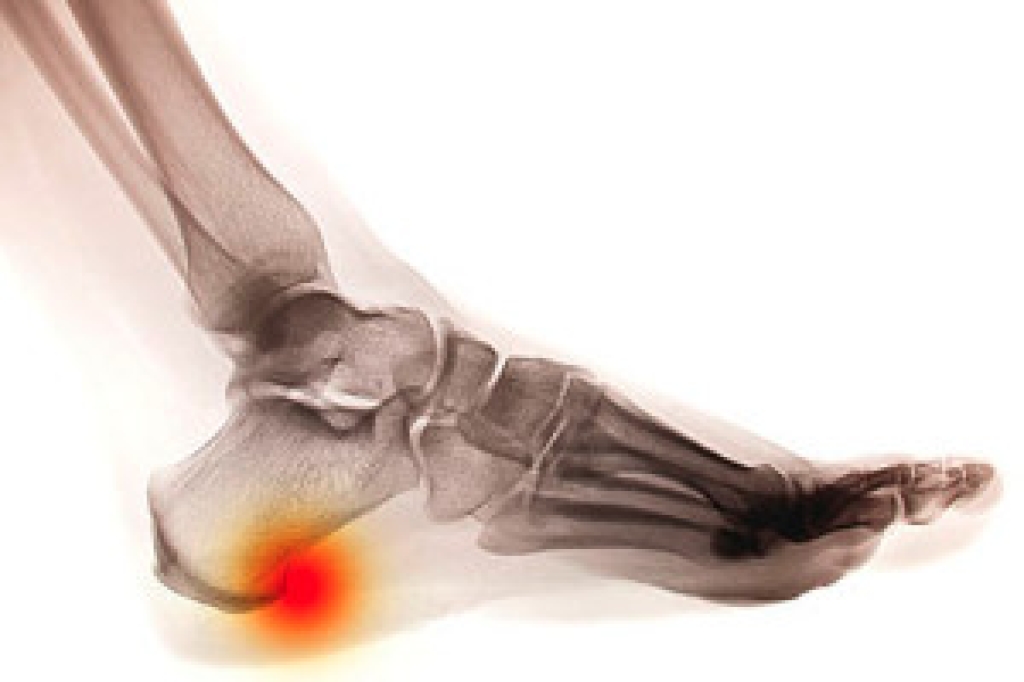
A condition referred to as a heel spur is typically caused by repetitive stress placed on the foot. Gradually, a small protrusion forms on the bottom of the heel, and often produces severe pain. As a result, walking may become difficult, which may affect the gait. Research has shown that it is suggested to stop the activity that has caused the heel spur to develop, followed by implementing proper treatment methods. These may consist of injections that to provide relief, in addition to performing stretching techniques that may help in maintaining an accepted level of comfort. Surgery may be an additional option for permanently removing the heel spur and improving the general mobility of the entire foot. Most patients experience heel pain which typically precedes a proper diagnosis, and should not be ignored. Please consider scheduling a consultation with a podiatrist for additional information on how to properly treat heel spurs.

Heel spurs can be incredibly painful and sometimes may make you unable to participate in physical activities. To get medical care for your heel spurs, contact one of our podiatrists from Pennsylvania Foot & Ankle. Our doctors will do everything possible to treat your condition.

Heels Spurs

Heel spurs are formed by calcium deposits on the back of the foot where the heel is. This can also be caused by small fragments of bone breaking off one section of the foot, attaching onto the back of the foot. Heel spurs can also be bone growth on the back of the foot and may grow in the direction of the arch of the foot.

Older individuals usually suffer from heel spurs and pain sometimes intensifies with age. One of the main condition's spurs are related to is plantar fasciitis.

Pain

The pain associated with spurs is often because of weight placed on the feet. When someone is walking, their entire weight is concentrated on the feet. Bone spurs then have the tendency to affect other bones and tissues around the foot. As the pain continues, the feet will become tender and sensitive over time.

Treatments

There are many ways to treat heel spurs. If one is suffering from heel spurs in conjunction with pain, there are several methods for healing. Medication, surgery, and herbal care are some options.

If you have any questions, please feel free to contact one of our offices located in Bensalem, Philadelphia, Northeast Philadelphia, Yardley, PA, and Hamilton, NJ . We offer the newest diagnostic and treatment technologies for all your foot care needs.
Read more about Heel Spurs

Why Live with Pain and Numbness in Your Feet?

Suffering from this type of pain? You may have the foot condition known as Morton's neuroma. Morton's neuroma may develop as a result of ill-fitting footwear and existing foot deformities. We can help.

Why Do My Feet Itch During Pregnancy?

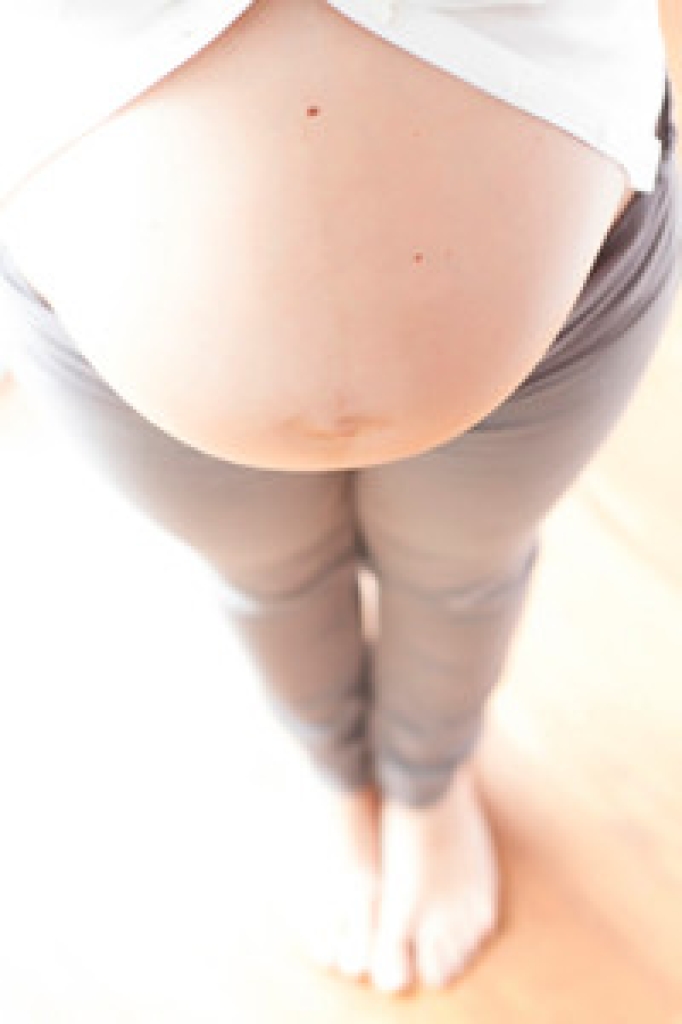
A condition that women may observe during pregnancy can be itchy feet. Other symptoms that may be experienced include extreme fatigue, loss of appetite or vomiting, which may indicate serious health complications. If the feet experience severe itching, this may be referred to as cholestasis, and this condition typically affects the liver. Additionally, vitamin deficiencies may occur, which may possibly harm the fetus and may also occur in future pregnancies. Research has shown that possible hormonal changes may be responsible if cholestasis occurs and may be diagnosed properly through laboratory tests. Lotions may be chosen to help alleviate all or a portion of the itchy feeling, contrary to ingesting oral medications, which may harm the baby. It’s suggested to schedule a consultation with a podiatrist if you are affected by itchy feet during pregnancy.

Pregnant women with swollen feet can be treated with a variety of different methods that are readily available. For more information about other cures for swollen feet during pregnancy, consult with one of our podiatrists from Pennsylvania Foot & Ankle. Our doctors will attend to all of your foot and ankle needs.

What Foot Problems Can Arise During Pregnancy?

One problem that can occur is overpronation, which occurs when the arch of the foot flattens and tends to roll inward.  This can cause pain and discomfort in your heels while you’re walking or even just standing up, trying to support your baby.  

Another problem is edema, or swelling in the extremities. This often affects the feet during pregnancy but tends to occur in the later stages. 

How Can I Keep My Feet Healthy During Pregnancy?

  • Wearing orthotics can provide extra support for the feet and help distribute weight evenly
  • Minimize the amount of time spent walking barefoot
  • Wear shoes with good arch support
  • Wear shoes that allow for good circulation to the feet
  • Elevate feet if you experience swelling
  • Massage your feet
  • Get regular, light exercise, such as walking, to promote blood circulation to the feet

If you have any questions, please feel free to contact one of our offices located in Bensalem, Philadelphia, Northeast Philadelphia, Yardley, PA, and Hamilton, NJ . We offer the newest diagnostic and treatment technologies for all your foot care needs.
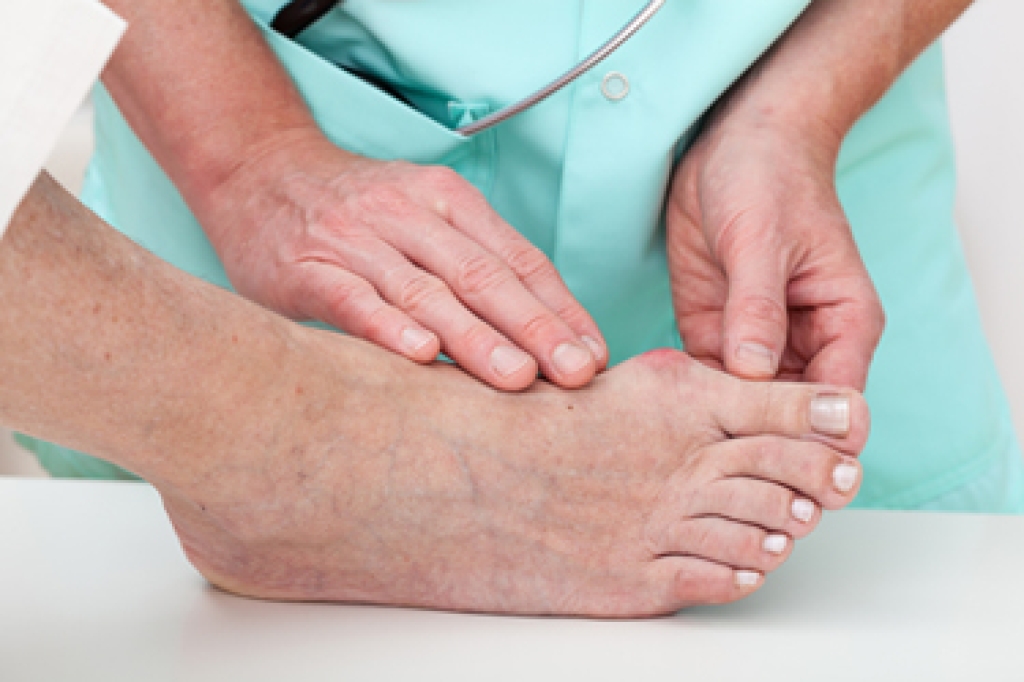
Read more about Pregnancy and Foot Health

Causes and Symptoms of Bunions

As a bunion develops, there is generally minimal discomfort that is experienced. The bony growth that appears on the bottom of the big toe will grow in size, and the amount of pain encountered will often increase in relation to the size of the bunion. High heels can often exacerbate an existing bunion because they limit the room toes have to move freely around. The toes are forced to endure pressure, causing the joint under the big toe to shift outward. Additional causes of bunions may include trauma and injuries the foot may have encountered or a predisposed inherited gene that may have affected the structure of the foot. Wearing appropriate footwear can help increase comfort and reduce pain that may be felt, while also allowing for ample toe room. If you suspect that you have a bunion, see a podiatrist for a proper diagnosis and treatment options. 

If you are suffering from bunion pain, contact one of our podiatrists of Pennsylvania Foot & Ankle. Our doctors can provide the care you need to keep you pain-free and on your feet.

What Is a Bunion?

Bunions are painful bony bumps that usually develop on the inside of the foot at the joint of the big toe. As the deformity increases over time, it may become painful to walk and wear shoes. Women are more likely to exacerbate existing bunions since they often wear tight, narrow shoes that shift their toes together. Bunion pain can be relieved by wearing wider shoes with enough room for the toes.

Causes

  • Genetics – some people inherit feet that are more prone to bunion development
  • Inflammatory Conditions - rheumatoid arthritis and polio may cause bunion development

Symptoms

  • Redness and inflammation
  • Pain and tenderness
  • Callus or corns on the bump
  • Restricted motion in the big toe

In order to diagnose your bunion, your podiatrist may ask about your medical history, symptoms, and general health. Your doctor might also order an x-ray to take a closer look at your feet. Nonsurgical treatment options include orthotics, padding, icing, changes in footwear, and medication. If nonsurgical treatments don’t alleviate your bunion pain, surgery may be necessary.

If you have any questions, please feel free to contact one of our offices located in Bensalem, Philadelphia, Northeast Philadelphia, Yardley, PA, and Hamilton, NJ . We offer the newest diagnostic and treatment technologies for all your foot care needs.

Read more about Bunions

Connect With Us