Who Is Prone to Developing Neuropathy?

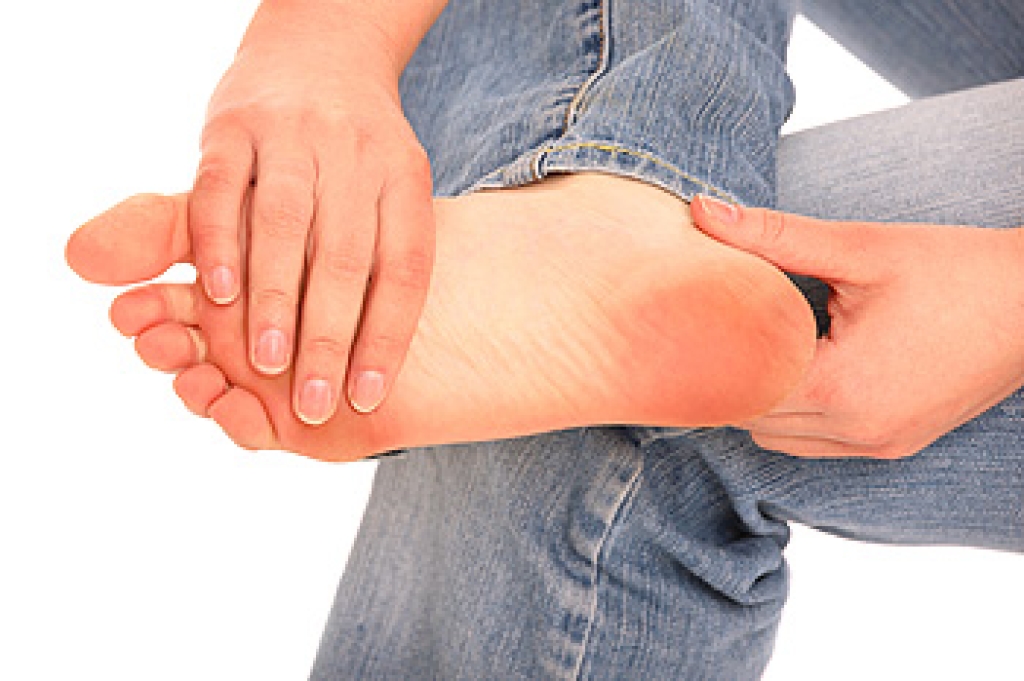
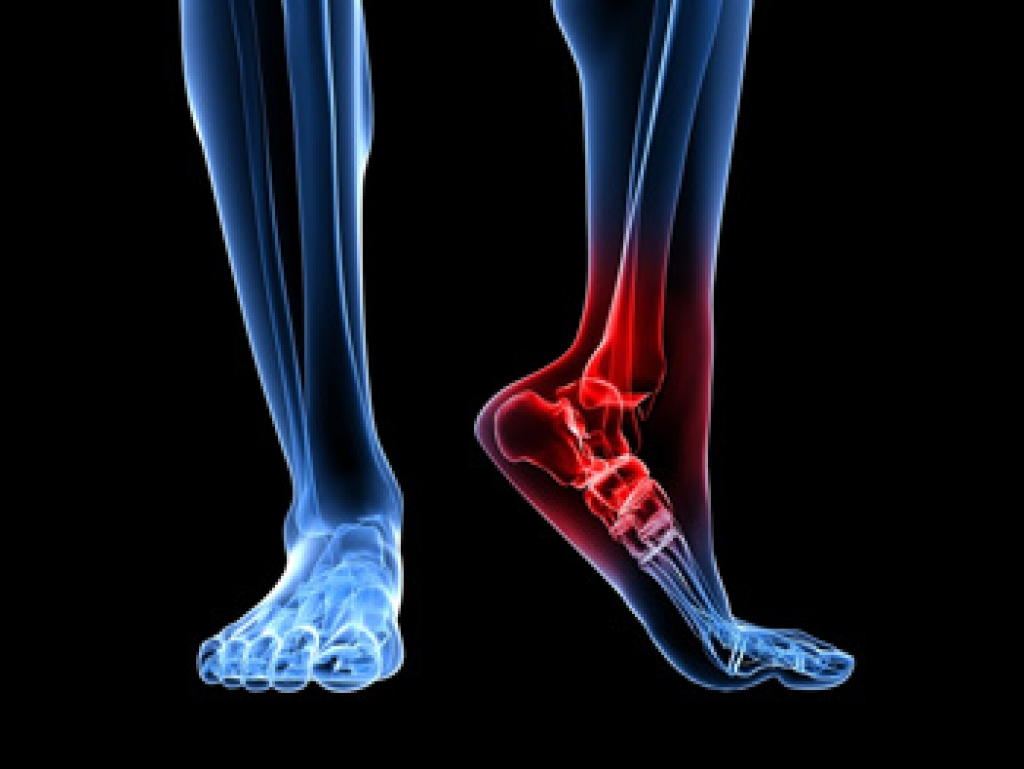
The medical condition that is known as neuropathy can be a common ailment among diabetic patients. It can develop as a result of excessively high sugar levels in the bloodstream and affects more than fifty percent of people who are diabetic. The most common symptoms are tingling sensations, or the feet may feel numb. This may lead to the inability to feel cuts, bruises, or wounds that develop on the feet, and this can cause significant complications when left untreated. There may be existing medical conditions that can cause neuropathy. These can include elevated cholesterol levels and high blood pressure. If you are experiencing numbness or pain in your feet, it is strongly suggested that you speak with a podiatrist who can properly diagnose and treat neuropathy.

Neuropathy

Neuropathy can be a potentially serious condition, especially if it is left undiagnosed. If you have any concerns that you may be experiencing nerve loss in your feet, consult with one of our podiatrists from Pennsylvania Foot & Ankle. Our doctors will assess your condition and provide you with quality foot and ankle treatment for neuropathy.

What Is Neuropathy?

Neuropathy is a condition that leads to damage to the nerves in the body. Peripheral neuropathy, or neuropathy that affects your peripheral nervous system, usually occurs in the feet. Neuropathy can be triggered by a number of different causes. Such causes include diabetes, infections, cancers, disorders, and toxic substances.

Symptoms of Neuropathy Include:

  • Numbness
  • Sensation loss
  • Prickling and tingling sensations
  • Throbbing, freezing, burning pains
  • Muscle weakness

Those with diabetes are at serious risk due to being unable to feel an ulcer on their feet. Diabetics usually also suffer from poor blood circulation. This can lead to the wound not healing, infections occurring, and the limb may have to be amputated.

Treatment

To treat neuropathy in the foot, podiatrists will first diagnose the cause of the neuropathy. Figuring out the underlying cause of the neuropathy will allow the podiatrist to prescribe the best treatment, whether it be caused by diabetes, toxic substance exposure, infection, etc. If the nerve has not died, then it’s possible that sensation may be able to return to the foot.

Pain medication may be issued for pain. Electrical nerve stimulation can be used to stimulate nerves. If the neuropathy is caused from pressure on the nerves, then surgery may be necessary.

If you have any questions, please feel free to contact one of our offices located in Bensalem, Philadelphia, Northeast Philadelphia, Yardley, PA, and Hamilton, NJ . We offer the newest diagnostic and treatment technologies for all your foot care needs.
Read more about Neuropathy

Why Do Plantar Warts Grow Inward?

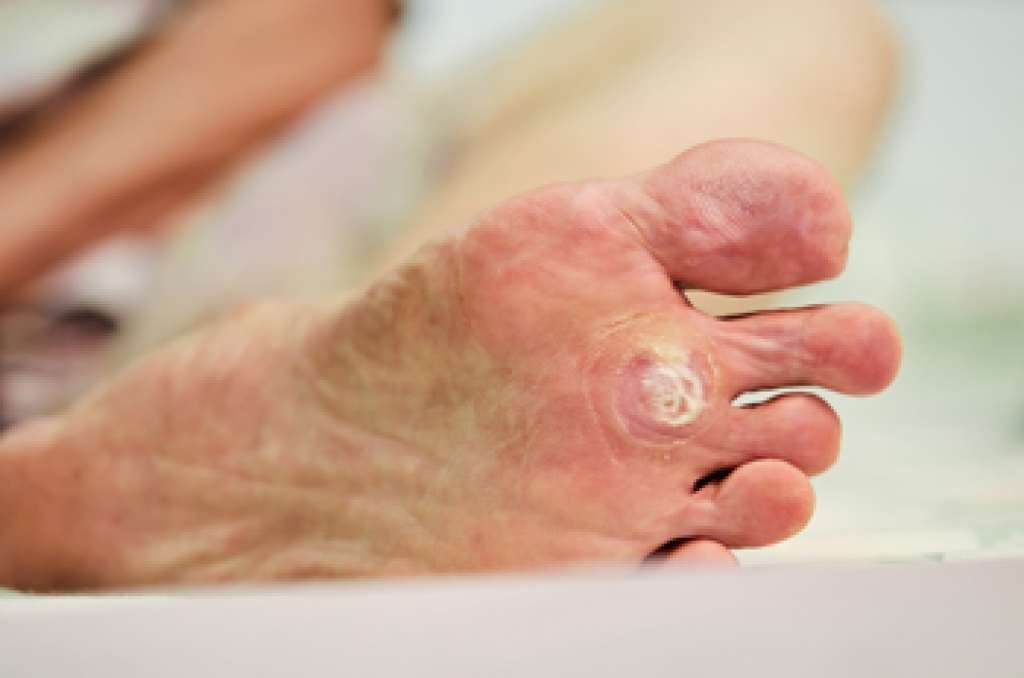
The human papilloma virus (HPV) is responsible for the development of warts on the body. Warts can form in various places and may cause pain and discomfort when they are on the bottom of the feet. These are referred to as plantar warts and are considered to be contagious. They grow inward as a result from the pressure the feet endure for the majority of the day. Plantar warts appear as small, hardened areas that are often filled with tiny black dots, which are actually blood. There are several forms of treatment that can be prescribed for plantar warts. If you have developed these types of warts, please consult with a podiatrist who can determine what the best form of treatment is for you.

Plantar warts can be very uncomfortable. If you need your feet checked, contact one of our podiatrists from Pennsylvania Foot & Ankle. Our doctors will assist you with all of your foot and ankle needs.

About Plantar Warts

Plantar warts are the result of HPV, or human papillomavirus, getting into open wounds on the feet. They are mostly found on the heels or balls of the feet.

While plantar warts are generally harmless, those experiencing excessive pain or those suffering from diabetes or a compromised immune system require immediate medical care. Plantar warts are easily diagnosed, usually through scraping off a bit of rough skin or by getting a biopsy.

Symptoms

  • Lesions on the bottom of your feet, usually rough and grainy
  • Hard or thick callused spots
  • Wart seeds, which are small clotted blood vessels that look like little black spots
  • Pain, discomfort, or tenderness of your feet when walking or standing

Treatment

  • Freezing
  • Electric tool removal
  • Laser Treatment
  • Topical Creams (prescription only)
  • Over-the-counter medications

To help prevent developing plantar warts, avoid walking barefoot over abrasive surfaces that can cause cuts or wounds for HPV to get into. Avoiding direct contact with other warts, as well as not picking or rubbing existing warts, can help prevent the further spread of plantar warts. However, if you think you have developed plantar warts, speak to your podiatrist. He or she can diagnose the warts on your feet and recommend the appropriate treatment options.

If you have any questions, please feel free to contact one of our offices located in Bensalem, Philadelphia, Northeast Philadelphia, Yardley, PA, and Hamilton, NJ . We offer the newest diagnostic and treatment technologies for all your foot care needs.

Read more about All About Plantar Warts

What Is a Midfoot Sprain?

A midfoot sprain is an injury of the ligaments near the center of the foot. This injury is common among athletes, especially those who play sports such as football, soccer, basketball, and field hockey, or sports where the foot is locked into position, such as windsurfing. Midfoot sprains are caused by a twisting motion in which your body moves but your foot stays planted on the ground. When you twist your body, all the force that occurs as you plant and pivot is transmitted through the foot, leading to a potential overstretching or tearing of the ligaments in the midfoot region. Typical symptoms of a midfoot sprain include pain, swelling, and bruising in the affected area. You may also have difficulty putting weight on the affected foot. If you believe that you may have a midfoot sprain, it is suggested that you seek the care of a podiatrist.

Sports related foot and ankle injuries require proper treatment before players can go back to their regular routines. For more information, contact one of our podiatrists of Pennsylvania Foot & Ankle. Our doctors can provide the care you need to keep you pain-free and on your feet.

Sports Related Foot and Ankle Injuries

Foot and ankle injuries are a common occurrence when it comes to athletes of any sport. While many athletes dismiss the initial aches and pains, the truth is that ignoring potential foot and ankle injuries can lead to serious problems. As athletes continue to place pressure and strain the area further, a mild injury can turn into something as serious as a rupture and may lead to a permanent disability. There are many factors that contribute to sports related foot and ankle injuries, which include failure to warm up properly, not providing support or wearing bad footwear. Common injuries and conditions athletes face, including:

  • Plantar Fasciitis
  • Achilles Tendinitis
  • Achilles Tendon Rupture
  • Ankle Sprains

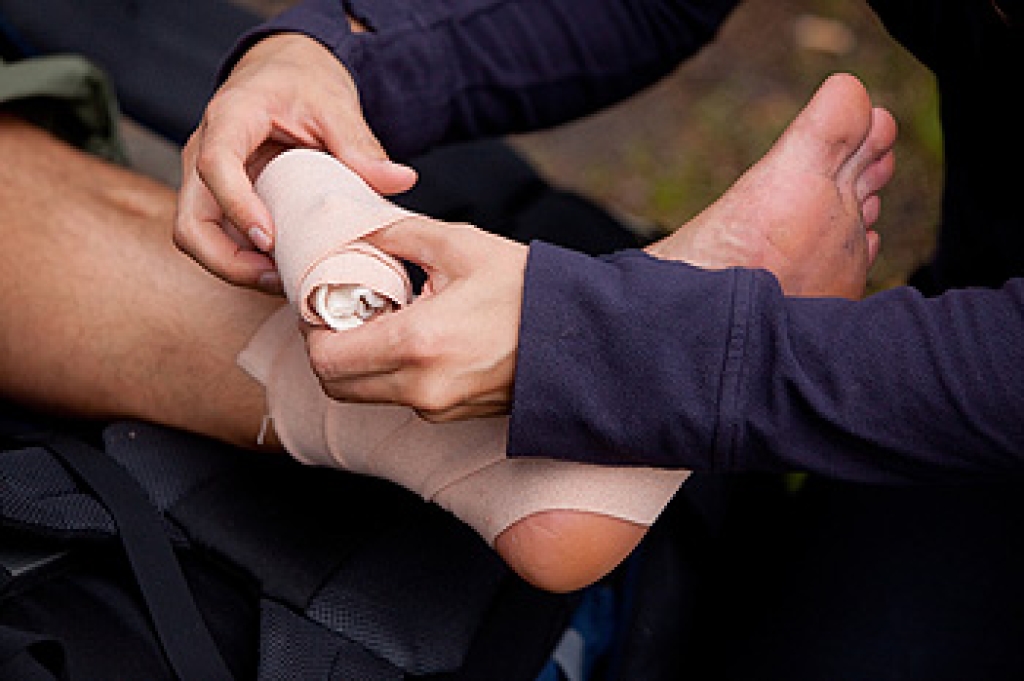
Sports related injuries are commonly treated using the RICE method. This includes rest, applying ice to the injured area, compression and elevating the ankle. More serious sprains and injuries may require surgery, which could include arthroscopic and reconstructive surgery. Rehabilitation and therapy may also be required in order to get any recovering athlete to become fully functional again. Any unusual aches and pains an athlete sustains must be evaluated by a licensed, reputable medical professional.

If you have any questions please contact one of our offices located in Bensalem, Philadelphia, Northeast Philadelphia, Yardley, PA, and Hamilton, NJ . We offer the newest diagnostic and treatment technologies for all your foot and ankle needs.

Read more about Sports Related Foot and Ankle Injuries

Do I Have Flexible or Rigid Flat Feet?

Flat feet is a condition in which the arch, the curved middle part of the bottom of the foot, is absent or has collapsed. The lack of an arch causes the entire sole of the foot to make direct contact with the ground when walking or standing. There are actually two types of flat feet that differ slightly from one another. Flexible flat feet have the ability to form an arch, but this arch flattens when any weight is put on the foot. However, the arch is visible when you are sitting down or holding your foot up in the air. This is the most common type of flat foot. Rigid flat feet cannot form an arch, regardless of whether or not weight is placed on them. While most cases of flat foot do not require medical intervention, sometimes this condition can cause pain or discomfort. In those cases, it is recommended that you see a podiatrist for treatment.

Flatfoot is a condition many people suffer from. If you have flat feet, contact one of our podiatrists from Pennsylvania Foot & Ankle. Our doctors will treat your foot and ankle needs.

What Are Flat Feet?

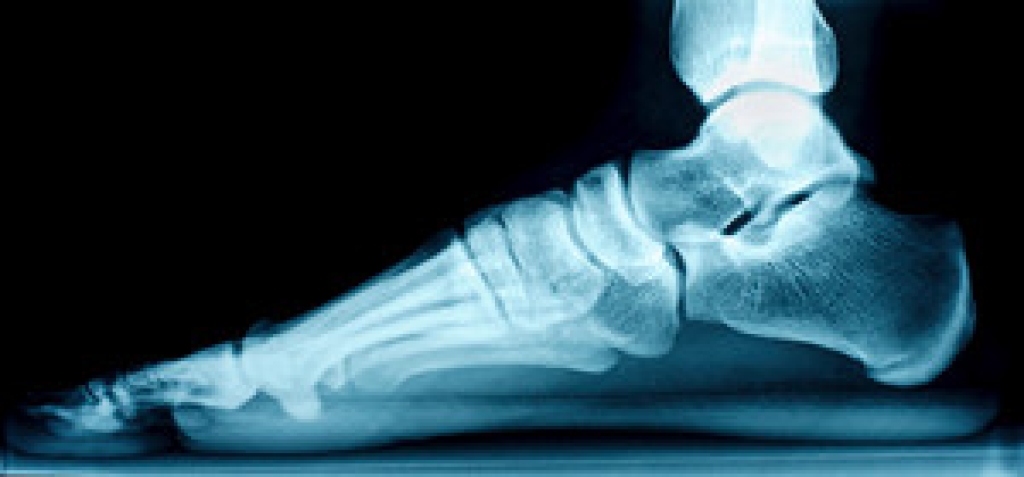
Flatfoot is a condition in which the arch of the foot is depressed and the sole of the foot is almost completely in contact with the ground. About 20-30% of the population generally has flat feet because their arches never formed during growth.

Conditions & Problems:

Having flat feet makes it difficult to run or walk because of the stress placed on the ankles.

Alignment – The general alignment of your legs can be disrupted, because the ankles move inward which can cause major discomfort.

Knees – If you have complications with your knees, flat feet can be a contributor to arthritis in that area.  

Symptoms

  • Pain around the heel or arch area
  • Trouble standing on the tip toe
  • Swelling around the inside of the ankle
  • Flat look to one or both feet
  • Having your shoes feel uneven when worn

Treatment

If you are experiencing pain and stress on the foot you may weaken the posterior tibial tendon, which runs around the inside of the ankle. 

If you have any questions, please feel free to contact one of our offices located in Bensalem, Philadelphia, Northeast Philadelphia, Yardley, PA, and Hamilton, NJ . We offer the newest diagnostic and treatment technologies for all your foot care needs.
Read more about Flat Feet

How Can I Tell if My Toe Is Broken?

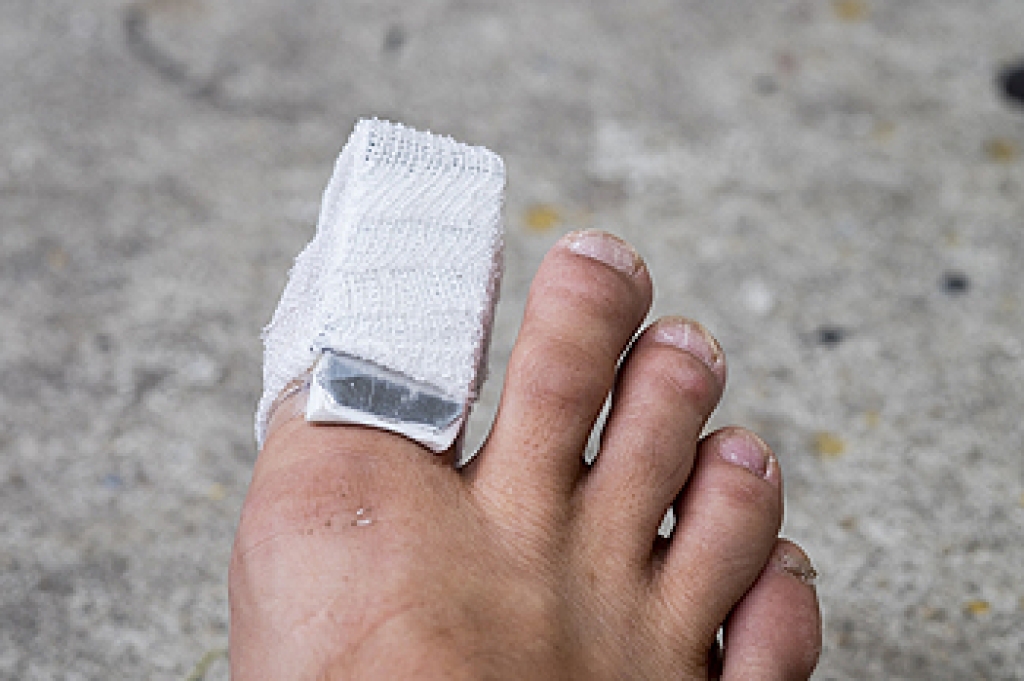
Broken toes can be very painful and require professional attention. Common symptoms that indicate your toe may be broken include pain, bruising of the affected area or toenail, swelling, and redness. The toe may also appear bent out of shape, and in severe cases the bone may stick out of the skin. Discoloration may also appear on the toenail of the broken toe, as it is common for blood to collect under the nail. In some cases, the nail may even fall off. For a proper diagnosis and advised treatment plan, please seek the counsel of a podiatrist.

Broken toes may cause a lot of pain and should be treated as soon as possible. If you have any concerns about your feet, contact one of our podiatrists from Pennsylvania Foot & Ankle. Our doctors will treat your foot and ankle needs.

What Is a Broken Toe?

A broken toe occurs when one or more of the toe bones of the foot are broken after an injury. Injuries such as stubbing your toe or dropping a heavy object on it may cause a toe fracture.

Symptoms of a Broken Toe

  • Swelling
  • Pain (with/without wearing shoes)
  • Stiffness
  • Nail Injury

Although the injured toe should be monitored daily, it is especially important to have a podiatrist look at your toe if you have severe symptoms. Some of these symptoms include worsening or new pain that is not relieved with medication, sores, redness, or open wounds near the toe.

If you have any questions please feel free to contact one of our offices located in Bensalem, Philadelphia, Northeast Philadelphia, Yardley, PA, and Hamilton, NJ . We offer the newest diagnostic tools and technology to treat your foot and ankle needs.

Read more about What to Know About a Broken Toe

Symptoms of Psoriatic Arthritis in the Feet

Psoriatic arthritis is an inflammation of the joints that is sometimes found in people diagnosed with the skin disorder known as psoriasis. Often, the skin and joints of the feet and ankles are affected. The symptoms of psoriatic arthritis can include having red patches of skin with silvery scales called plaques, swollen fingers and toes, joint pain, and changes in the structure or color of the nails. If you experience any symptoms of psoriatic arthritis in the feet and ankles, it is very important to consult with a podiatrist as this chronic condition can be misdiagnosed. A podiatrist may use X-rays or ultrasounds to determine any joint damage or dislocation, as well as blood tests to check for markers of inflammation and antibodies. Once you are properly diagnosed, treatment can begin. 

Arthritis can be a difficult condition to live with. If you are seeking treatment, contact one of our podiatrists from Pennsylvania Foot & Ankle. Our doctors can provide the care you need to keep you pain-free and on your feet.

Arthritic Foot Care  

Arthritis is a joint disorder that involves the inflammation of different joints in your body, such as those in your feet. Arthritis is often caused by a degenerative joint disease and causes mild to severe pain in all affected areas. In addition to this, swelling and stiffness in the affected joints can also be a common symptom of arthritis.

In many cases, wearing ill-fitting shoes can worsen the effects and pain of arthritis. Wearing shoes that have a lower heel and extra room can help your feet feel more comfortable. In cases of rheumatoid arthritis, the arch in your foot may become problematic. Buying shoes with proper arch support that contour to your feet can help immensely.

Alleviating Arthritic Pain

  • Exercises that stretch the foot can prevent further pain and injury and increase mobility
  • Most of the pain can be alleviated with anti-inflammatory drugs, heat, and topical medications
  • Massages can help temporarily alleviate pain.

It is best to see your doctor for the treatment that is right for your needs and symptoms. Conditions vary, and a podiatrist can help you determine the right method of care for your feet.

If you have any questions please feel free to contact one of our offices located in Bensalem, Philadelphia, Northeast Philadelphia, Yardley, PA, and Hamilton, NJ . We offer the newest diagnostic tools and technology to treat your foot and ankle needs.

Read more about Arthritic Foot Care

Gout Pain Can Be Managed

Gout is a painful, inflammatory form of arthritis. Those affected will typically feel an intense stiffness in the joints of their feet, particularly in the big toe. Schedule a visit to learn about how gout can be managed and treated.

Symptoms of Peripheral Artery Disease

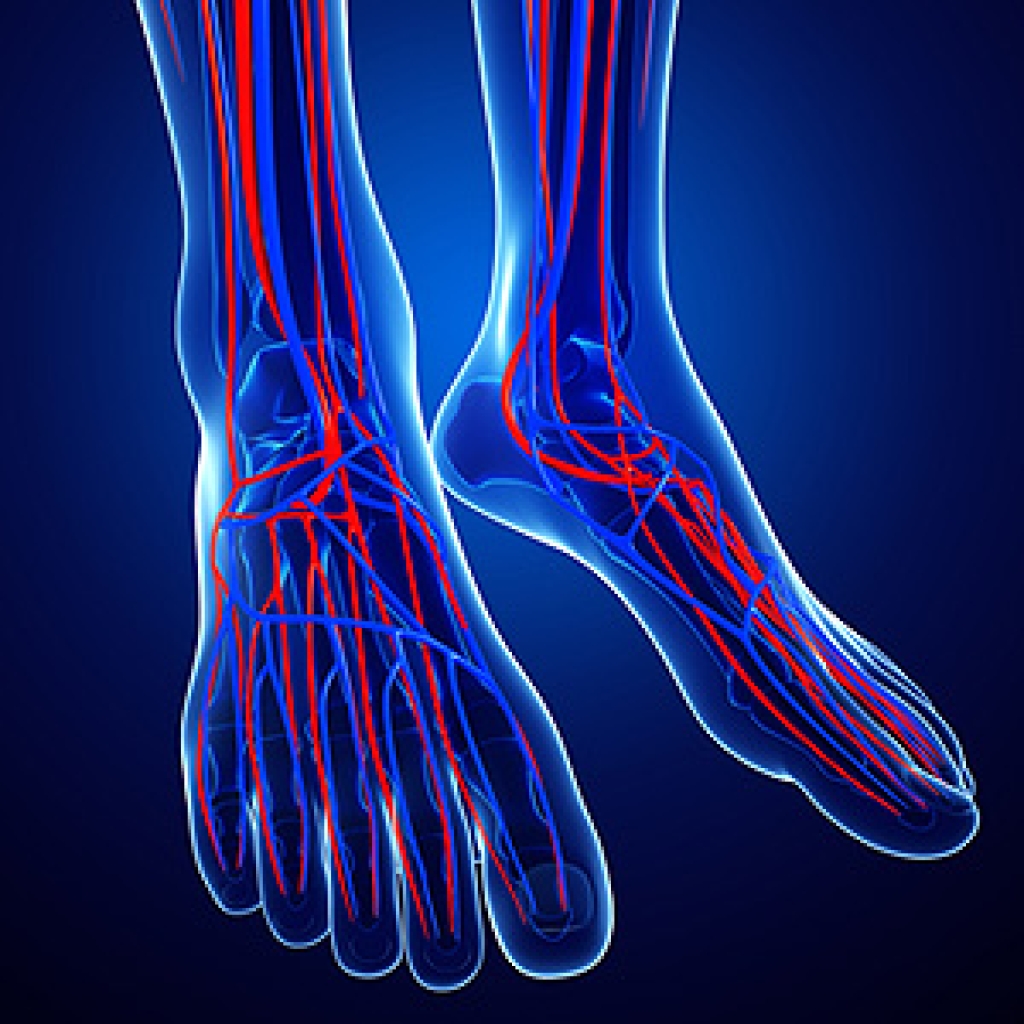
Peripheral artery disease (PAD) is a condition that causes poor circulation in the lower limbs due to blockages in the blood vessels that supply blood to this area. The most common symptoms of PAD are pain, numbness, heaviness, or achiness in the leg muscles, especially when walking or climbing stairs. You may also notice a weak or absent pulse in the legs and feet, slow-healing wounds on the feet, a pale or bluish color to the skin, a lower temperature in one leg than the other, poor nail growth on the affected foot, and poor hair growth on the affected leg. However, it is worth noting that many people who have PAD have no noticeable symptoms. For this reason, it is important to receive regular screenings for PAD from a podiatrist, especially if you have certain risk factors, such as being a smoker, or having diabetes, high blood pressure, or heart disease. 

Peripheral artery disease can pose a serious risk to your health. It can increase the risk of stroke and heart attack. If you have symptoms of peripheral artery disease, consult with one of our podiatrists from Pennsylvania Foot & Ankle. Our doctors will assess your condition and provide you with quality foot and ankle treatment.

Peripheral artery disease (PAD) is when arteries are constricted due to plaque (fatty deposits) build-up. This results in less blood flow to the legs and other extremities. The main cause of PAD is atherosclerosis, in which plaque builds up in the arteries.

Symptoms

Symptoms of PAD include:

  • Claudication (leg pain from walking)
  • Numbness in legs
  • Decrease in growth of leg hair and toenails
  • Paleness of the skin
  • Erectile dysfunction
  • Sores and wounds on legs and feet that won’t heal
  • Coldness in one leg

It is important to note that a majority of individuals never show any symptoms of PAD.

Diagnosis

While PAD occurs in the legs and arteries, Podiatrists can diagnose PAD. Podiatrists utilize a test called an ankle-brachial index (ABI). An ABI test compares blood pressure in your arm to you ankle to see if any abnormality occurs. Ultrasound and imaging devices may also be used.

Treatment

Fortunately, lifestyle changes such as maintaining a healthy diet, exercising, managing cholesterol and blood sugar levels, and quitting smoking, can all treat PAD. Medications that prevent clots from occurring can be prescribed. Finally, in some cases, surgery may be recommended.

If you have any questions, please feel free to contact one of our offices located in Bensalem, Philadelphia, Northeast Philadelphia, Yardley, PA, and Hamilton, NJ . We offer the newest diagnostic and treatment technologies for all your foot care needs.

Read more about Peripheral Artery Disease

Sever’s Disease May Cause Limited Flexibility

Growing adolescents may experience the medical condition that is known as Sever’s disease. It typically affects teenagers who frequently participate in sporting activities, and pain and discomfort may be felt in the heel during physical activity. Reduced flexibility can be a result of the inflammation that can occur from tightened muscles. Noticeable signs that your child can exhibit include limping, and favoring one foot. The foot may feel better with rest, and when specific stretches are performed and this is most beneficial when done on a daily basis. If your child has heel pain, it is recommended that you consult with a podiatrist who can properly diagnose and treat Sever's disease.

Sever's disease often occurs in children and teens. If your child is experiencing foot or ankle pain, see one of our podiatrists from Pennsylvania Foot & Ankle. Our doctors can treat your child’s foot and ankle needs.

Sever’s Disease

Sever’s disease is also known as calcaneal apophysitis, which is a medical condition that causes heel pain I none or both feet. The disease is known to affect children between the ages of 8 and 14.

Sever’s disease occurs when part of the child’s heel known as the growth plate (calcaneal epiphysis) is attached to the Achilles tendon. This area can suffer injury when the muscles and tendons of the growing foot do not keep pace with bone growth. Therefore, the constant pain which one experiences at the back of the heel will make the child unable to put any weight on the heel. The child is then forced to walk on their toes.

Symptoms

Acute pain – Pain associated with Sever’s disease is usually felt in the heel when the child engages in physical activity such as walking, jumping and or running.

Highly active – Children who are very active are among the most susceptible in experiencing Sever’s disease, because of the stress and tension placed on their feet.

If you have any questions, please feel free to contact one of our offices located in Bensalem, Philadelphia, Northeast Philadelphia, Yardley, PA, and Hamilton, NJ . We offer the newest diagnostic and treatment technologies for all your foot care needs.

Read more about Sever's Disease

Connect With Us