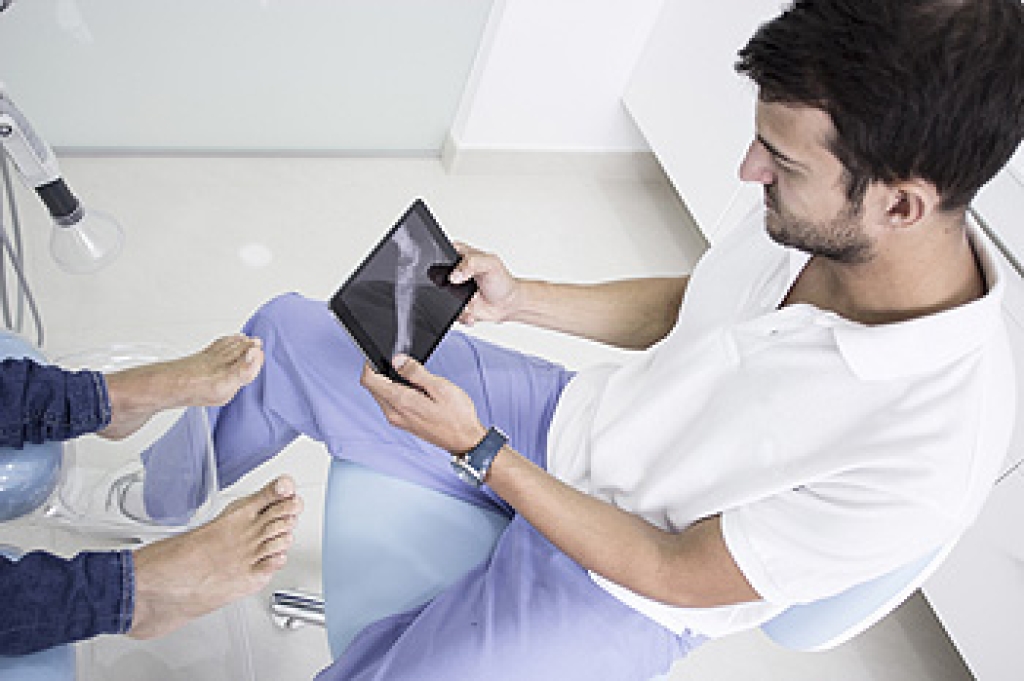
What Makes a Podiatrist

A podiatrist is a doctor of podiatric medicine, which is why you will often see the initials (D.P.M.) after their name. Podiatrists work to treat conditions and injuries that are related to the foot, ankle, and lower leg regions of the body. Some podiatrists work in private practices, while others work in hospitals and clinics. Some podiatrists will also do house-calls or visit nursing homes for geriatric patients. To become a podiatrist, one must complete a 4-year program at a college for podiatric medicine, as well as complete a residency post-graduation. Some may also continue their education by taking advanced training in areas such as surgery. If you are interested in learning more about the field of podiatry, we recommend you consult with a podiatrist for professional career advice.

If you are experiencing pain in the feet or ankles, don’t join the stubborn majority refusing treatment. Feel free to contact one of our podiatrists from Pennsylvania Foot & Ankle. Our doctors can provide the care you need to keep you pain-free and on your feet.

What Is a Podiatrist?

Someone would seek the care of a podiatrist if they have suffered a foot injury or have common foot ailments such as heal spurs, bunions, arch problems, deformities, ingrown toenails, corns, foot and ankle problems, etc.

Podiatric Treatment

A podiatrist will treat the problematic areas of the feet, ankle or lower leg by prescribing the following:

  • Physical therapy
  • Drugs
  • Orthotic inserts or soles
  • Surgery on lower extremity fractures

A common podiatric procedure a podiatrist will use is a scanner or force plate which will allow the podiatrist to know the designs of orthotics. Patients are then told to follow a series of tasks to complete the treatment. The computer will scan the foot a see which areas show weight distribution and pressure points. The podiatrist will read the analysis and then determine which treatment plans are available.

If you have any questions, please feel free to contact one of our offices located in Bensalem, Philadelphia, Northeast Philadelphia, Yardley, PA, and Hamilton, NJ . We offer the newest diagnostic and treatment technologies for all your foot care needs.

Read more about What is a Podiatrist?

Can Exercise Help You to Avoid Falling?

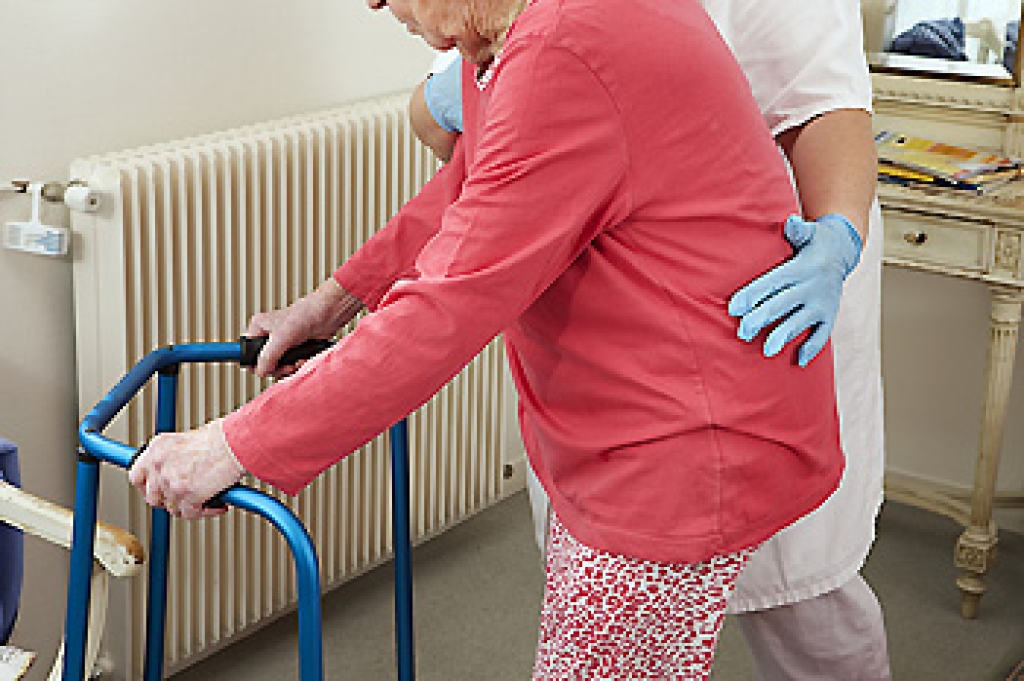
Many elderly people are susceptible to falling. This can be a result of impaired vision, tripping hazards that may be present in the house, or foot ailments that can make it difficult to walk. Research has indicated it may be beneficial to improve conditions in the house which may help to prevent falling. These can include improved lighting, installing grab bars in the shower and toilet area, in addition to performing a gentle exercise routine. This can help to build strength in the body, which could possibly prevent falling. If your feet have been affected by a fall, it is suggested that you consult with a podiatrist who can help you with implementing strategies to prevent falling.

Preventing falls among the elderly is very important. If you are older and have fallen or fear that you are prone to falling, consult with one of our podiatrists from Pennsylvania Foot & Ankle. Our doctors will assess your condition and provide you with quality advice and care.

Every 11 seconds, an elderly American is being treated in an emergency room for a fall related injury. Falls are the leading cause of head and hip injuries for those 65 and older. Due to decreases in strength, balance, senses, and lack of awareness, elderly persons are very susceptible to falling. Thankfully, there are a number of things older persons can do to prevent falls.

How to Prevent Falls

Some effective methods that older persons can do to prevent falls include:

  • Enrolling in strength and balance exercise program to increase balance and strength
  • Periodically having your sight and hearing checked
  • Discuss any medications you have with a doctor to see if it increases the risk of falling
  • Clearing the house of falling hazards and installing devices like grab bars and railings
  • Utilizing a walker or cane
  • Wearing shoes that provide good support and cushioning
  • Talking to family members about falling and increasing awareness

Falling can be a traumatic and embarrassing experience for elderly persons; this can make them less willing to leave the house, and less willing to talk to someone about their fears of falling. Doing such things, however, will increase the likelihood of tripping or losing one’s balance. Knowing the causes of falling and how to prevent them is the best way to mitigate the risk of serious injury.  

If you have any questions, please feel free to contact one of our offices located in Bensalem, Philadelphia, Northeast Philadelphia, Yardley, PA, and Hamilton, NJ . We offer the newest diagnostic and treatment technologies for all your foot care needs.
Read more about Falls Prevention

Are You Suffering From Ingrown Toenails?

If left untreated, an ingrown toenail can lead to more serious concerns, such as an infection. Knowing proper nail care can help in the prevention of an ingrown toenail. Give us a call, and get treated!

What You Need to Know About Your Bunion

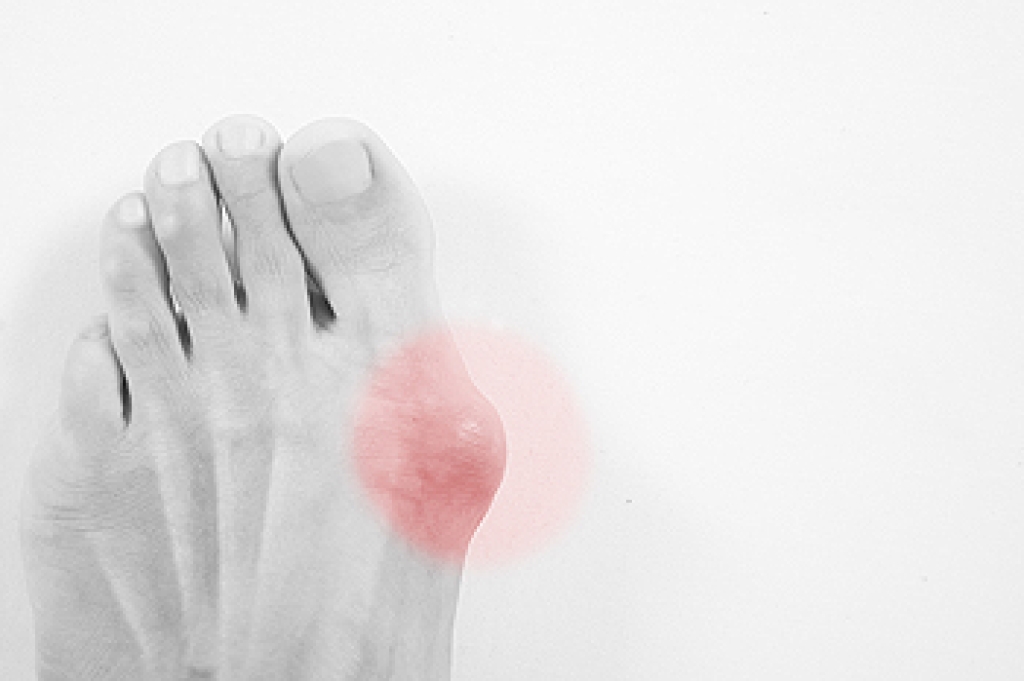
When the base of your big toe begins to jut outwards, that is normally a sign that you may have a bunion. This can occur due to a deformity with the toe joint, causing the big toe to begin to bend towards your other toes. Unfortunately, bunions are often accompanied with both pain and discomfort felt in the affected area. When this occurs, it is suggested you seek professional care from a podiatrist. They may develop due to hereditary reasons, as well as due to wearing tightly fitted shoes, socks, or tights, that do not conform to the shape of your foot. Bunion pads can be worn to help alleviate the pressure felt on the bunion, and icing the affected joint can be used as a means to lessen the pain experienced. For a proper diagnosis and an advised treatment plan, we suggest you consult with a podiatrist.

If you are suffering from bunion pain, contact one of our podiatrists of Pennsylvania Foot & Ankle. Our doctors can provide the care you need to keep you pain-free and on your feet.

What Is a Bunion?

Bunions are painful bony bumps that usually develop on the inside of the foot at the joint of the big toe. As the deformity increases over time, it may become painful to walk and wear shoes. Women are more likely to exacerbate existing bunions since they often wear tight, narrow shoes that shift their toes together. Bunion pain can be relieved by wearing wider shoes with enough room for the toes.

Causes

  • Genetics – some people inherit feet that are more prone to bunion development
  • Inflammatory Conditions - rheumatoid arthritis and polio may cause bunion development

Symptoms

  • Redness and inflammation
  • Pain and tenderness
  • Callus or corns on the bump
  • Restricted motion in the big toe

In order to diagnose your bunion, your podiatrist may ask about your medical history, symptoms, and general health. Your doctor might also order an x-ray to take a closer look at your feet. Nonsurgical treatment options include orthotics, padding, icing, changes in footwear, and medication. If nonsurgical treatments don’t alleviate your bunion pain, surgery may be necessary.

If you have any questions, please feel free to contact one of our offices located in Bensalem, Philadelphia, Northeast Philadelphia, Yardley, PA, and Hamilton, NJ . We offer the newest diagnostic and treatment technologies for all your foot care needs.
Read more about What Are Bunions?

Simple Foot Care May Prevent Painful Conditions

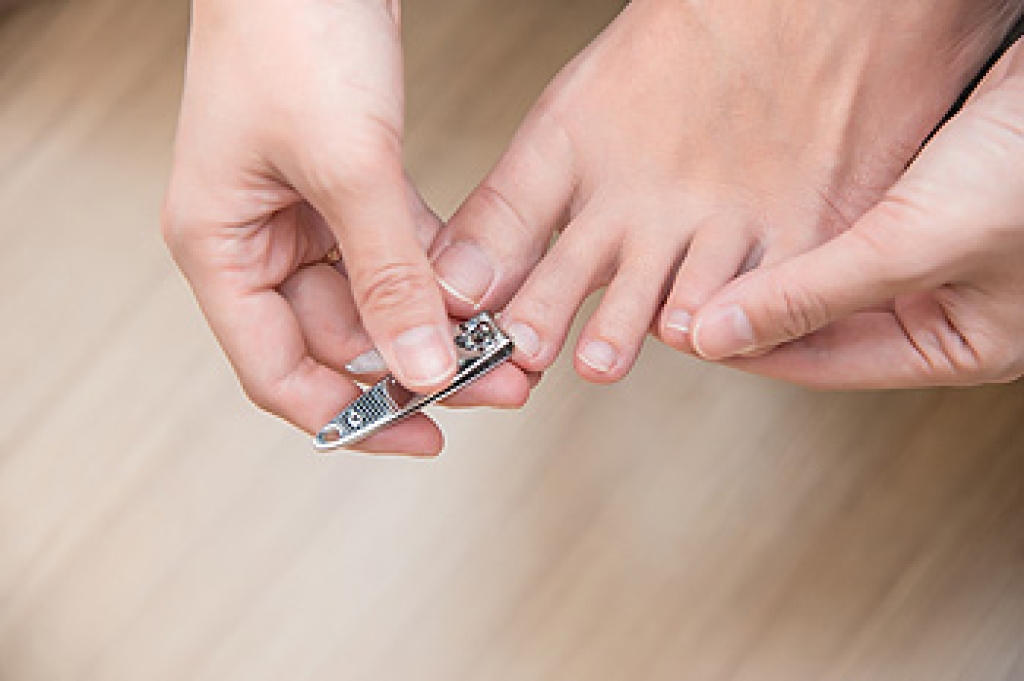
When the feet are cared for properly and on a regular basis, uncomfortable foot conditions may be prevented. There are routines that are easy to follow which can help assure the feet stay in optimum condition. These can include washing and drying the feet thoroughly, followed by using a good moisturizer. Additionally, when the toenails are trimmed, it is best to cut the nails straight across instead of at an angle. This may be helpful in preventing ingrown toenails from developing. Despite the fact that many people like to wear high heels, research has indicated it is beneficial to wear them for limited times, in addition to alternating them with shoes that have a lower heel. Athlete’s foot may be avoided when appropriate shoes are worn in public shower rooms, and surrounding areas. If you would like more information about how to properly care for  your feet on an everyday basis, please consult with a podiatrist.

Everyday foot care is very important to prevent infection and other foot ailments. If you need your feet checked, contact one of our podiatrists from Pennsylvania Foot & Ankle. Our doctors can provide the care you need to keep you pain-free and on your feet.

Everyday Foot Care

Often, people take care of their bodies, face and hair more so than they do for their feet. But the feet are a very important aspect of our bodies, and one that we should pay more attention to. Without our feet, we would not be able to perform most daily tasks.

It is best to check your feet regularly to make sure there are no new bruises or cuts that you may not have noticed before. For dry feet, moisturizer can easily be a remedy and can be applied as often as necessary to the affected areas. Wearing shoes that fit well can also help you maintain good foot health, as well as making it easier to walk and do daily activities without the stress or pain of ill-fitting shoes, high heels, or even flip flops. Wearing clean socks with closed shoes is important to ensure that sweat and bacteria do not accumulate within the shoe. Clean socks help to prevent Athlete’s foot, fungi problems, bad odors, and can absorb sweat.

If you have any questions, please feel free to contact one of our offices located in Bensalem, Philadelphia, Northeast Philadelphia, Yardley, PA, and Hamilton, NJ . We offer the newest diagnostic and treatment technologies for all your foot care needs.

Read more about Everyday Foot Care

Connect With Us