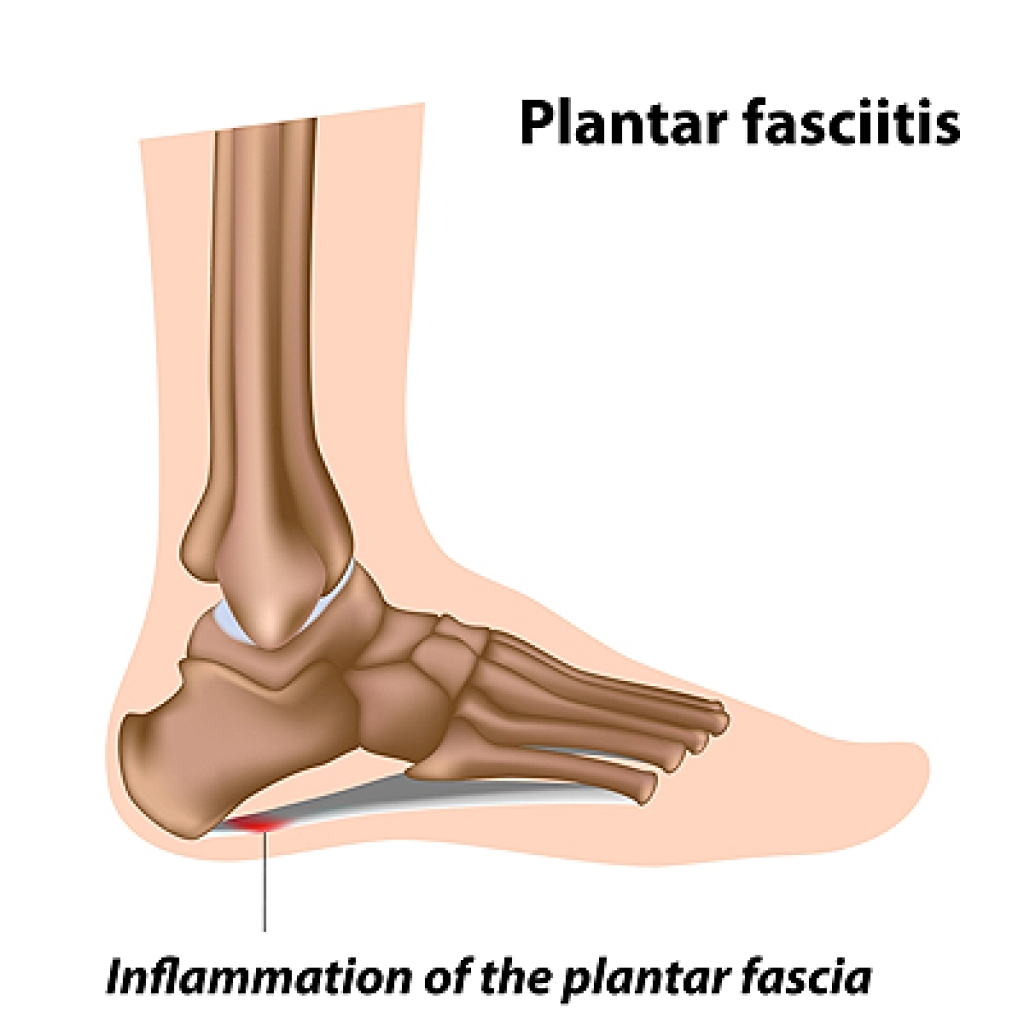
Treatments Options for Plantar Fasciitis

Plantar fasciitis is a common foot condition in which the plantar fascia, the ligament that runs along the bottom of the foot and connects the heel bone to the toes, becomes inflamed. This leads to heel pain that tends to be at its worst in the morning and immediately after exercising. If you have plantar fasciitis, there are multiple treatment options. It is recommended that you rest the affected foot as much as possible to give it time to heal and to prevent further damage. Applying ice to the foot or taking an over-the-counter pain medication can reduce inflammation and pain. Wearing shoes that fit your feet properly and are supportive, wearing orthotic inserts in your shoes, and stretching the feet regularly can improve symptoms and decrease your likelihood of developing plantar fasciitis in the future. If you think that you are suffering from plantar fasciitis, it is recommended that you see a podiatrist for a proper diagnosis.

Plantar fasciitis can be very painful and inconvenient. If you are experiencing heel pain or symptoms of plantar fasciitis, contact one of our podiatrists  from Pennsylvania Foot & Ankle. Our doctors can provide the care you need to keep you pain-free and on your feet.

What Is Plantar Fasciitis?

Plantar fasciitis is the inflammation of the thick band of tissue that runs along the bottom of your foot, known as the plantar fascia, and causes mild to severe heel pain.

What Causes Plantar Fasciitis?

  • Excessive running
  • Non-supportive shoes
  • Overpronation
  • Repeated stretching and tearing of the plantar fascia

How Can It Be Treated?

  • Conservative measures – anti-inflammatories, ice packs, stretching exercises, physical therapy, orthotic devices
  • Shockwave therapy – sound waves are sent to the affected area to facilitate healing and are usually used for chronic cases of plantar fasciitis
  • Surgery – usually only used as a last resort when all else fails. The plantar fascia can be surgically detached from the heel

While very treatable, plantar fasciitis is definitely not something that should be ignored. Especially in severe cases, speaking to your doctor right away is highly recommended to avoid complications and severe heel pain. Your podiatrist can work with you to provide the appropriate treatment options tailored to your condition.

If you have any questions, please feel free to contact one of our offices located in Bensalem, Philadelphia, Northeast Philadelphia, Yardley, PA, and Hamilton, NJ . We offer the newest diagnostic and treatment technologies for all your foot care needs.

Read more about Plantar Fasciitis

What Is an Overuse Injury?

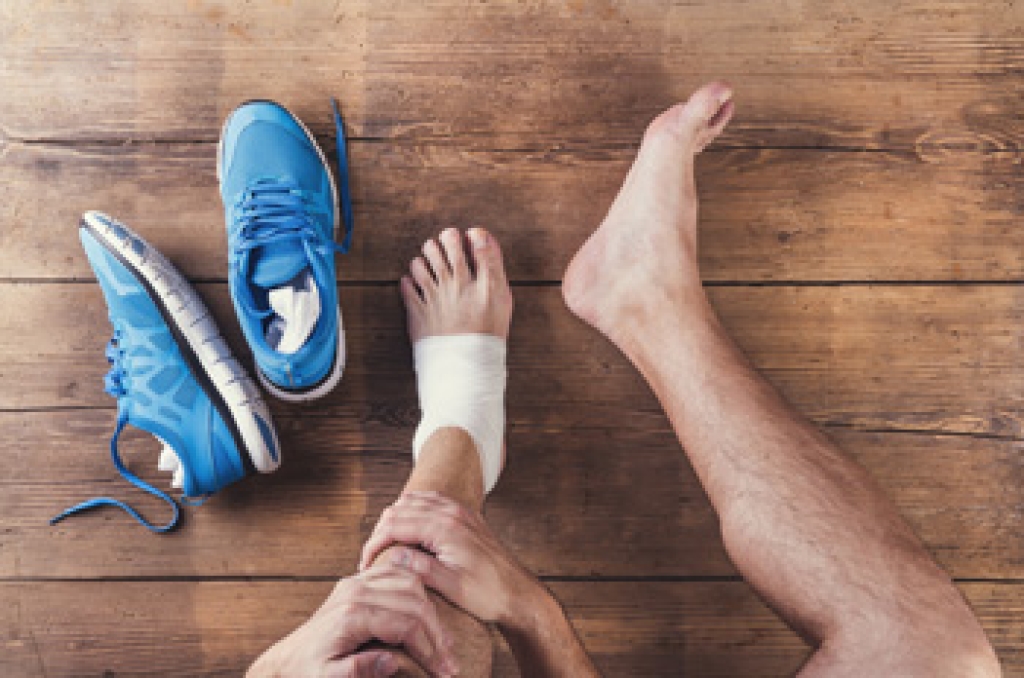
An overuse injury can involve damage to bones, muscles, tendons, or ligaments that is caused by repetitive stress on the affected structure over time. The feet and ankles are a frequent site of overuse injuries. Examples of overuse injuries include stress fractures, plantar fasciitis, and Achilles tendonitis. These injuries are common among athletes and can be classified into four different stages based on how they affect you. In stage one, you may feel pain in the affected area after physical activity. In stage two, pain is felt in the affected area during the activity, but does not restrict your performance. In stage three, the pain does begin to affect your performance. At stage four, you may experience chronic pain in the affected area. Intervention is recommended at stage two. If you think that you may have an overuse injury in your feet or ankles, it is strongly suggested that you see a podiatrist. 

Sports related foot and ankle injuries require proper treatment before players can go back to their regular routines. For more information, contact one of our podiatrists of Pennsylvania Foot & Ankle. Our doctors can provide the care you need to keep you pain-free and on your feet.

Sports Related Foot and Ankle Injuries

Foot and ankle injuries are a common occurrence when it comes to athletes of any sport. While many athletes dismiss the initial aches and pains, the truth is that ignoring potential foot and ankle injuries can lead to serious problems. As athletes continue to place pressure and strain the area further, a mild injury can turn into something as serious as a rupture and may lead to a permanent disability. There are many factors that contribute to sports related foot and ankle injuries, which include failure to warm up properly, not providing support or wearing bad footwear. Common injuries and conditions athletes face, including:

  • Plantar Fasciitis
  • Achilles Tendinitis
  • Achilles Tendon Rupture
  • Ankle Sprains

Sports related injuries are commonly treated using the RICE method. This includes rest, applying ice to the injured area, compression and elevating the ankle. More serious sprains and injuries may require surgery, which could include arthroscopic and reconstructive surgery. Rehabilitation and therapy may also be required in order to get any recovering athlete to become fully functional again. Any unusual aches and pains an athlete sustains must be evaluated by a licensed, reputable medical professional.

If you have any questions please contact one of our offices located in Bensalem, Philadelphia, Northeast Philadelphia, Yardley, PA, and Hamilton, NJ . We offer the newest diagnostic and treatment technologies for all your foot and ankle needs.

Read more about Sports Related Foot And Ankle Injuries

Reminder: When Was the Last Time...?

Custom orthotics, or shoe inserts, should be periodically replaced. Orthotics must fit properly to give you the best results. Protect your feet and ankles!

Foot and Ankle Issues Related to Running

Foot and ankle health is important to runners, both those who run recreationally and those who run professionally. Runners are susceptible to a variety of overuse injuries, including pain in the heel, pain in the ball of the foot, stress fractures or Achilles tendon problems. Heel pain is most commonly associated with plantar fasciitis, which is the inflammation of the tendon that connects the heel bone to the ball of the foot. Pain in the ball of the foot can indicate a neuroma, a pinched nerve between the toes, or inflammation in the ball of the foot. Achilles tendon pain can indicate Achilles tendonitis, and rest will be necessary. Stress fractures, which occur as tiny breaks in the bones, can lead to swelling and pain, and they will need to be rested as well. If you are a frequent runner and are experiencing pain in the feet or ankles, make sure to consult with a podiatrist for proper diagnosis and treatment.

Exercising your feet regularly with the proper foot wear is a great way to prevent injuries. If you have any concerns about your feet, contact one of our podiatrists of Pennsylvania Foot & Ankle. Our doctors will treat your foot and ankle needs.

How to Prevent Running Injuries

Many common running injuries are caused by overuse and overtraining. When the back of the kneecap starts wearing out and starts causing pain in your knee, this is commonly referred to as runner’s knee. Runner’s knee is a decrease in strength in your quadriceps and can occur if you’re not wearing properly fitted or supporting shoes. To prevent runner’s knee, focusing on hip strengthening is a good idea, as well as strengthening your quads to keep the kneecaps aligned.

What Are Some Causes of Running Injuries? 
- One cause of a common running injury is called iliotibial band syndrome.
- Plantar fasciitis is also another common injury.
- Stress fractures can occur from overtraining, lack of calcium, or even your running style.

Best Ways to Prevent Running Injuries
- Wear footwear that fits properly and suits your running needs.
- Running shoes are the only protective gear that runners have to safeguard them from injury.
- Make a training schedule. Adding strengthening exercises as well as regular stretching can help keep you strong and limber and can lessen the possibility of injuries.
- Stretching keeps muscles limber; this will help you gain better flexibility.

If you have any questions, please feel free to contact one of our offices located in Bensalem, Philadelphia, Northeast Philadelphia, Yardley, PA, and Hamilton, NJ . We offer the newest diagnostic and treatment technologies for all your foot care needs.

Read more about Preventing Running Injuries

Leg and Foot Cramps During Pregnancy

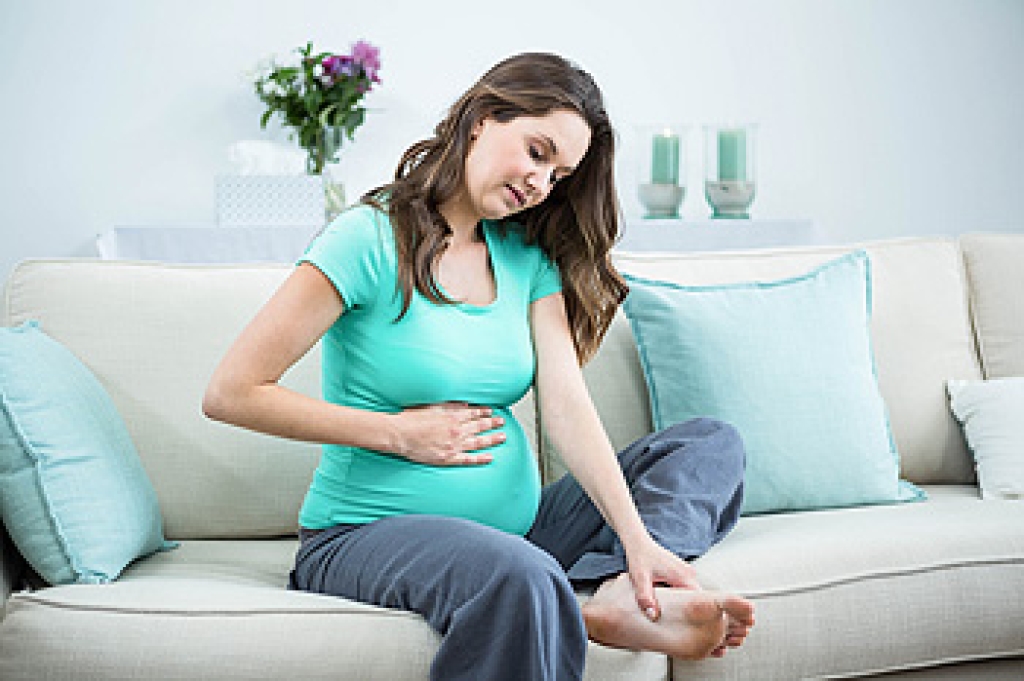
Pregnant women often experience foot pain, and a common ailment during pregnancy can include leg cramps. They may develop as a result of shortened calf muscles, and they can cause severe pain and discomfort. Additional reasons why foot cramps can develop may be from a vitamin deficiency, or an imbalance in electrolytes. This type of pain generally occurs in the third trimester, and will gradually diminish once the baby is born. Relief may be attained when the affected leg is stretched, and the foot is rotated several times in clockwise and counterclockwise directions. If you would like additional information on why leg cramps can occur during pregnancy, and how to prevent them, please consult with a podiatrist.

Pregnant women with swollen feet can be treated with a variety of different methods that are readily available. For more information about other cures for swollen feet during pregnancy, consult with one of our podiatrists from Pennsylvania Foot & Ankle. Our doctors will attend to all of your foot and ankle needs.

What Foot Problems Can Arise During Pregnancy?

One problem that can occur is overpronation, which occurs when the arch of the foot flattens and tends to roll inward.  This can cause pain and discomfort in your heels while you’re walking or even just standing up, trying to support your baby.  

Another problem is edema, or swelling in the extremities. This often affects the feet during pregnancy but tends to occur in the later stages. 

How Can I Keep My Feet Healthy During Pregnancy?

  • Wearing orthotics can provide extra support for the feet and help distribute weight evenly
  • Minimize the amount of time spent walking barefoot
  • Wear shoes with good arch support
  • Wear shoes that allow for good circulation to the feet
  • Elevate feet if you experience swelling
  • Massage your feet
  • Get regular, light exercise, such as walking, to promote blood circulation to the feet

If you have any questions, please feel free to contact one of our offices located in Bensalem, Philadelphia, Northeast Philadelphia, Yardley, PA, and Hamilton, NJ . We offer the newest diagnostic and treatment technologies for all your foot care needs.
Read more about Pregnancy and Foot Health

Connect With Us