What Is Lipedema?

Lipedema is a chronic condition characterized by abnormal fat accumulation, primarily in the ankles, legs, hips, and sometimes arms. It often affects women and can lead to disproportionate swelling or a column-like appearance in the lower body. Symptoms include tenderness, pain, bruising easily, and a feeling of heaviness in the affected areas. The condition can be mistaken for obesity, but it is not caused by poor diet or lack of exercise. The exact cause of lipedema is unclear, although hormonal changes, genetics, and inflammation are believed to play roles. It typically develops or worsens during periods of hormonal fluctuations, such as puberty, pregnancy, or menopause. Treatment options for lipedema include compression therapy, lymphatic drainage, and liposuction in more severe cases. A podiatrist can help manage the discomfort by recommending custom compression garments to improve mobility and providing care for any related foot or leg issues. If you have lipedema, it is suggested that you promptly schedule an appointment with a podiatrist.

Swollen feet can be a sign of an underlying condition. If you have any concerns, contact one of our podiatrists of Pennsylvania Foot & Ankle. Our doctors can provide the care you need to keep you pain-free and on your feet.

Swollen feet are a common ailment among pregnant women and people who stand or sit for extended periods. Aging may increase the possibility of swollen feet and patients who are obese often notice when their feet are swelling too. There may be medical reasons why swollen feet occur:

  • Phlebitis - A condition that causes the veins to become inflamed and can also cause leg pain.
  • Liver disease - This may lead to low blood levels of albumin which is a protein. This can cause fluid in the blood to pass into the tissues and several areas of the body can become swollen.
  • Heart failure - When the heart doesn’t pump properly the blood that is normally pumped back to the heart can pool in the veins of the legs causing swollen feet.
  • Kidney disease - One of the main functions of the kidneys is releasing excess fluid in the body. This type of condition can make it difficult for the kidneys to function properly, and as a result the feet may become swollen.
  • Deep-vein thrombosis (DVT)- This is a serious condition where blood clots form in the veins of the legs. They can block the return of blood from the legs to the heart which may cause the feet to swell. It is important to be treated by a podiatrist if this condition is present.

Swollen feet can also be caused by bone and tendon conditions, including fractures, arthritis, and tendinitis. Additionally, there may be skin and toenail conditions and an infection may cause the feet to swell. Patients who take medicine to treat high blood pressure may be prone to getting swollen feet. 

Many patients elevate their feet to help relieve the swelling and this is generally a temporary remedy. When a podiatrist is consulted the reason behind the swelling can be uncovered and subsequently treated.

If you have any questions please contact one of our offices located in Bensalem, Philadelphia, Northeast Philadelphia, Yardley, PA, and Hamilton, NJ . We offer the newest diagnostic and treatment technologies for all your foot and ankle needs.

Read more about Swelling of the Feet

Gout Pain Can Be Managed

Gout is a painful, inflammatory form of arthritis. Those affected will typically feel an intense stiffness in the joints of their feet, particularly in the big toe. Schedule a visit to learn about how gout can be managed and treated.

How Footwear Can Affect Foot Health

Different shoe styles can place repeated stress on the feet, sometimes leading to painful structural problems, over time. Narrow toe boxes may crowd the toes and contribute to bunions, overlapping toes, hammertoes, and ingrown toenails. High-heeled shoes shift body weight forward, increasing pressure on the front of the foot, and potentially causing nerve irritation, callus formation, and joint pain. Shoes with poor arch support may worsen heel pain, tendon strain, or foot fatigue. Wearing flat, unsupportive footwear can also increase stress on certain muscles and ligaments. These issues are often seen in women because some popular footwear styles place the foot in less natural positions for extended periods of time. A podiatrist can assess how footwear choices may be affecting foot structure, comfort, and walking mechanics, while recommending appropriate solutions. If your shoes are causing ongoing foot pain or visible changes, it is suggested that you visit a podiatrist for an evaluation.

Foot Pain

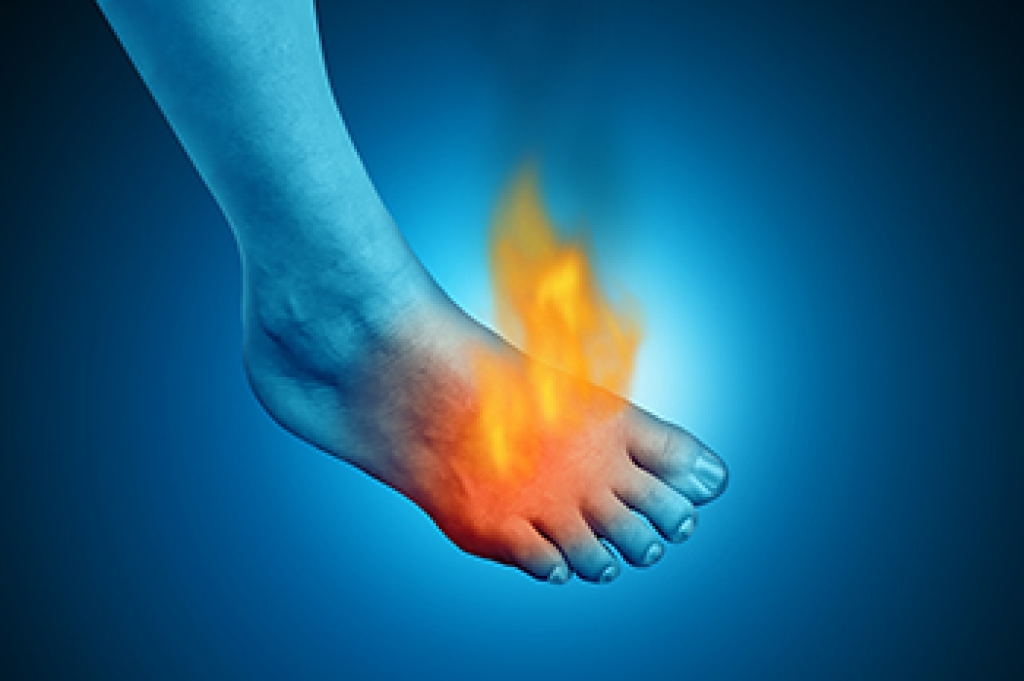
Foot pain can be extremely painful and debilitating. If you have a foot pain, consult with one of our podiatrists from Pennsylvania Foot & Ankle. Our doctors will assess your condition and provide you with quality foot and ankle treatment.

Causes

Foot pain is a very broad condition that could be caused by one or more ailments. The most common include:

  • Bunions
  • Hammertoes
  • Plantar Fasciitis
  • Bone Spurs
  • Corns
  • Tarsal Tunnel Syndrome
  • Ingrown Toenails
  • Arthritis (such as Gout, Rheumatoid, and Osteoarthritis)
  • Flat Feet
  • Injury (from stress fractures, broken toe, foot, ankle, Achilles tendon ruptures, and sprains)
  • And more

Diagnosis

To figure out the cause of foot pain, podiatrists utilize several different methods. This can range from simple visual inspections and sensation tests to X-rays and MRI scans. Prior medical history, family medical history, and any recent physical traumatic events will all be taken into consideration for a proper diagnosis.

Treatment

Treatment depends upon the cause of the foot pain. Whether it is resting, staying off the foot, or having surgery; podiatrists have a number of treatment options available for foot pain.

If you have any questions, please feel free to contact one of our offices located in Bensalem, Philadelphia, Northeast Philadelphia, Yardley, PA, and Hamilton, NJ . We offer the newest diagnostic and treatment technologies for all your foot care needs.
Read more about Foot Pain

Facts About Ingrown Toenails

An ingrown toenail occurs when the edge of a nail grows into the surrounding skin, causing irritation and pain. This condition often appears as redness, swelling, and tenderness along the nail border, and may lead to drainage or infection if untreated. Common causes include improper nail trimming, tight footwear, toe injuries, and natural nail shape. Risk factors include diabetes, poor circulation, excessive sweating, and repetitive pressure on the toes. A podiatrist can relieve discomfort by removing the ingrown portion safely, treating infection, and guiding proper nail growth. They may also address underlying nail deformities, provide guidance on footwear, and use specialized techniques to prevent recurrence while protecting surrounding tissue. If you have a painful ingrown toenail, it is suggested that you consult a podiatrist who can offer effective treatment, which may include minor surgery.

Ingrown toenails may initially present themselves as a minor discomfort, but they may progress into an infection in the skin without proper treatment. For more information about ingrown toenails, contact one of our podiatrists of Pennsylvania Foot & Ankle. Our doctors can provide the care you need to keep you pain-free and on your feet.

Ingrown Toenails

Ingrown toenails are caused when the corner or side of a toenail grows into the soft flesh surrounding it. They often result in redness, swelling, pain, and in some cases, infection. This condition typically affects the big toe and may recur if it is not treated properly.

Causes

  • Improper toenail trimming
  • Genetics
  • Improper shoe fitting
  • Injury from pedicures or nail picking
  • Abnormal gait
  • Poor hygiene

You are more likely to develop an ingrown toenail if you are obese, have diabetes, arthritis, or have any fungal infection in your nails. Additionally, people who have foot or toe deformities are at a higher risk of developing an ingrown toenail.

Symptoms

Some symptoms of ingrown toenails are redness, swelling, and pain. In rare cases, there may be a yellowish drainage coming from the nail.

Treatment

Ignoring an ingrown toenail can have serious complications. Infections of the nail border can progress to a deeper soft-tissue infection, which can then turn into a bone infection. You should always speak with your podiatrist if you suspect you have an ingrown toenail, especially if you have diabetes or poor circulation.

If you have any questions, please feel free to contact one of our offices located in Bensalem, Philadelphia, Northeast Philadelphia, Yardley, PA, and Hamilton, NJ . We offer the newest diagnostic and treatment technologies for all your foot care needs.

Read more about Ingrown Toenail Care

Middle-Foot Pain Can Be a Lisfranc Fracture

A Lisfranc fracture is a break or injury to the bones and joints in the middle of the foot that support the arch and connect the forefoot to the rest of the foot. Because the symptoms can resemble a sprain, this injury is often overlooked. Pain in the mid-foot, swelling, and difficulty bearing weight are common signs. Bruising on the bottom of the foot may be present. A podiatrist can perform a detailed exam and order imaging tests, such as X-rays or advanced scans, to confirm the diagnosis. Early detection is important to prevent long-term joint damage and loss of stability. Treatment depends on the severity and may include immobilization, supportive devices, or surgery to restore proper alignment. Care focuses on protecting the arch and guiding recovery. If you have symptoms of a Lisfranc fracture, it is suggested that you schedule an appointment with a podiatrist for a diagnosis and appropriate treatment.

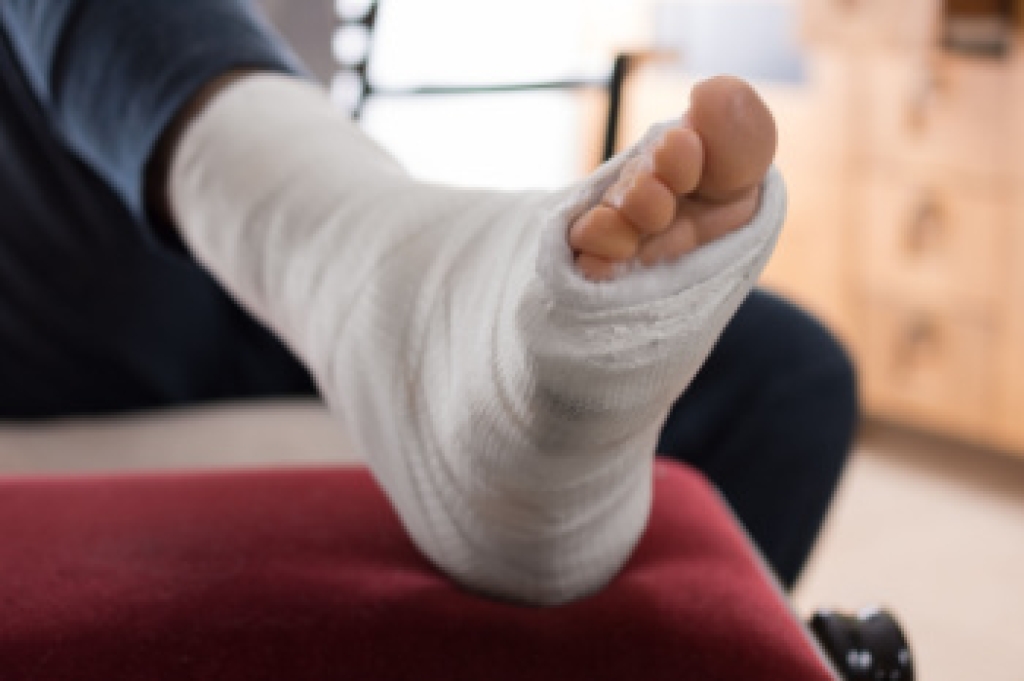
A broken foot requires immediate medical attention and treatment. If you need your feet checked, contact one of our podiatrists from Pennsylvania Foot & Ankle. Our doctors can provide the care you need to keep you pain-free and on your feet.

Broken Foot Causes, Symptoms, and Treatment

A broken foot is caused by one of the bones in the foot typically breaking when bended, crushed, or stretched beyond its natural capabilities. Usually the location of the fracture indicates how the break occurred, whether it was through an object, fall, or any other type of injury. 

Common Symptoms of Broken Feet:

  • Bruising
  • Pain
  • Redness
  • Swelling
  • Blue in color
  • Numbness
  • Cold
  • Misshapen
  • Cuts
  • Deformities

Those that suspect they have a broken foot shoot seek urgent medical attention where a medical professional could diagnose the severity.

Treatment for broken bones varies depending on the cause, severity and location. Some will require the use of splints, casts or crutches while others could even involve surgery to repair the broken bones. Personal care includes the use of ice and keeping the foot stabilized and elevated.

If you have any questions, please feel free to contact one of our offices located in Bensalem, Philadelphia, Northeast Philadelphia, Yardley, PA, and Hamilton, NJ . We offer the newest diagnostic and treatment technologies for all your foot care needs.
Read more about Causes, Symptoms, and Treatment for a Broken Foot

Connect With Us