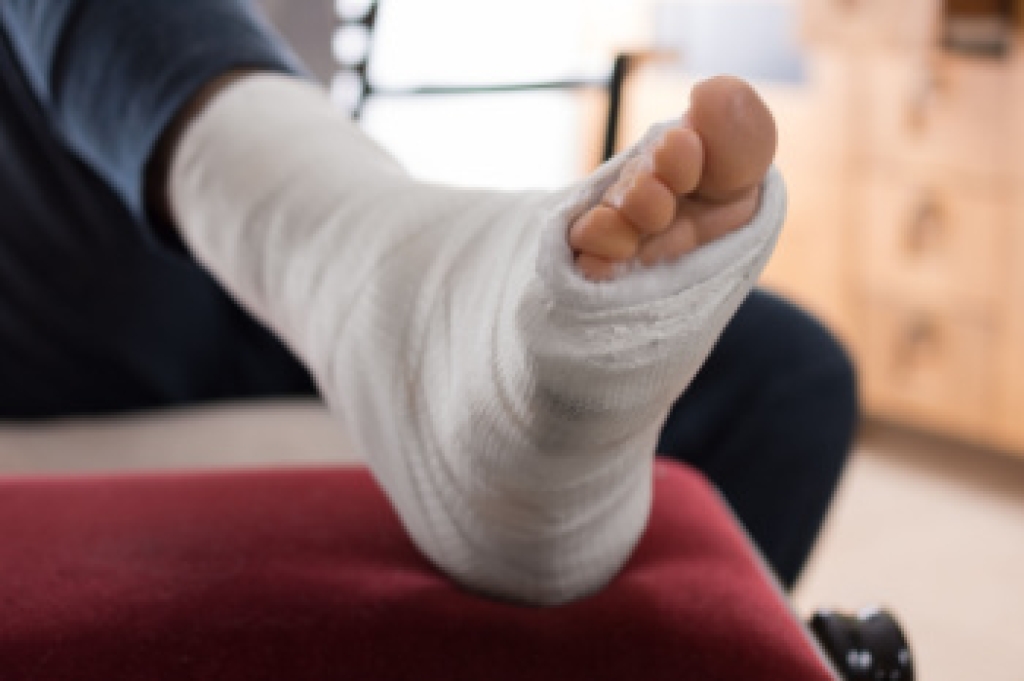
How Everyday Injuries Can Lead to Diabetic Foot Ulcers

Foot ulcers are a serious concern for people living with diabetes. Many of these wounds begin with a simple injury to the foot. A small cut, blister, burn, or pressure from wearing tight shoes can damage the skin. Because diabetes can reduce feeling in the feet, a person may not notice the injury right away. Continued walking or pressure on the area can cause the skin to break down and develop into an open sore. Sharp objects, rubbing from footwear, or repeated stress during daily activity can all trigger these wounds. Once the skin is damaged, healing may be slow, which increases the risk of infection and more serious complications. Daily foot checks, supportive footwear, and quick care for even minor injuries can help prevent problems. If you have diabetes and notice any sore or redness, it is suggested that you visit a podiatrist for prompt evaluation and appropriate treatment.

Diabetic foot care is important in preventing foot ailments such as ulcers. If you are suffering from diabetes or have any other concerns about your feet, contact one of our podiatrists from Pennsylvania Foot & Ankle. Our doctors can provide the care you need to keep you pain-free and on your feet.

Diabetic Foot Care

Diabetes affects millions of people every year. The condition can damage blood vessels in many parts of the body, especially the feet. Because of this, taking care of your feet is essential if you have diabetes, and having a podiatrist help monitor your foot health is highly recommended.

The Importance of Caring for Your Feet

  • Routinely inspect your feet for bruises or sores.
  • Wear socks that fit your feet comfortably.
  • Wear comfortable shoes that provide adequate support.

Patients with diabetes should have their doctor monitor their blood levels, as blood sugar levels play such a huge role in diabetic care. Monitoring these levels on a regular basis is highly advised.

It is always best to inform your healthcare professional of any concerns you may have regarding your feet, especially for diabetic patients. Early treatment and routine foot examinations are keys to maintaining proper health, especially because severe complications can arise if proper treatment is not applied.

If you have any questions, please feel free to contact one of our offices located in Bensalem, Philadelphia, Northeast Philadelphia, Yardley, PA, and Hamilton, NJ . We offer the newest diagnostic and treatment technologies for all your foot care needs.
Read more about Diabetic Foot Care

Are You Suffering From Ingrown Toenails?

If left untreated, an ingrown toenail can lead to more serious concerns, such as an infection. Knowing proper nail care can help in the prevention of an ingrown toenail. Give us a call, and get treated!

Thick Toenails and Fungal Infections

Thick toenails are often caused by toenail fungus, a common infection that targets the nail and surrounding tissue. This condition develops when fungi enter through small cracks and thrive in warm moist environments. Symptoms include discoloration, nails that become yellow or brown, thickened texture, splitting, and lifting away from the nail bed. Walking barefoot around pool areas and locker rooms increases exposure, and athlete’s foot can spread infection to the nails. Athlete’s foot may cause itching, redness, and peeling skin. Risk factors include poor hygiene, wearing damp footwear, and a weakened immune system. A podiatrist can diagnose the infection, provide targeted treatment, and recommend preventive care. If you have noticed your toenails have become thick or have changed color, it is suggested that you consult a podiatrist who can offer effective treatment solutions, which may include prescribed medication.

If left untreated, toenail fungus may spread to other toenails, skin, or even fingernails. If you suspect you have toenail fungus it is important to seek treatment right away. For more information about treatment, contact one of our podiatrists of Pennsylvania Foot & Ankle. Our doctors can provide the care you need to keep you pain-free and on your feet.

Symptoms

  • Warped or oddly shaped nails
  • Yellowish nails
  • Loose/separated nail
  • Buildup of bits and pieces of nail fragments under the nail
  • Brittle, broken, thickened nail

Treatment

If self-care strategies and over-the-counter medications does not help your fungus, your podiatrist may give you a prescription drug instead. Even if you find relief from your toenail fungus symptoms, you may experience a repeat infection in the future.

Prevention

In order to prevent getting toenail fungus in the future, you should always make sure to wash your feet with soap and water. After washing, it is important to dry your feet thoroughly especially in between the toes. When trimming your toenails, be sure to trim straight across instead of in a rounded shape. It is crucial not to cover up discolored nails with nail polish because that will prevent your nail from being able to “breathe”.

In some cases, surgical procedure may be needed to remove the toenail fungus. Consult with your podiatrist about the best treatment options for your case of toenail fungus.  

If you have any questions please contact one of our offices located in Bensalem, Philadelphia, Northeast Philadelphia, Yardley, PA, and Hamilton, NJ . We offer the newest diagnostic and treatment technologies for all your foot and ankle needs.

Read more about Toenail Fungus

Walking Shoes Versus Running Shoes and Why the Difference Matters

Walking shoes and running shoes are designed to support different movement patterns and impact levels. Walking involves a smooth rolling motion from heel to toe with consistent ground contact, while running creates greater impact forces that require more cushioning and shock absorption. Walking shoes tend to offer flexibility and support for steady motion, while running shoes provide enhanced cushioning and stability for higher intensity activity. Wearing the wrong type of shoe can lead to foot conditions such as plantar fasciitis, shin discomfort, blisters, and joint strain. Choosing the correct footwear helps improve comfort and performance. A podiatrist can assess gait, recommend proper shoes, and provide custom orthotics, if needed. If you have developed foot pain from wearing the wrong shoes for your desired activity, it is suggested that you consult a podiatrist who can offer effective relief tips.

For more information about walking shoes versus running shoes, consult with one of our podiatrists from Pennsylvania Foot & Ankle. Our doctors can measure your feet to determine what your needs are and help you find an appropriate pair of footwear.

Foot Health: The Differences between Walking & Running Shoes

There are great ways to stay in shape: running and walking are two great exercises to a healthy lifestyle. It is important to know that running shoes and walking shoes are not interchangeable. There is a key difference on how the feet hit the ground when someone is running or walking. This is why one should be aware that a shoe is designed differently for each activity.

You may be asking yourself what the real differences are between walking and running shoes and the answers may shock you.

Differences

Walking doesn’t involve as much stress or impact on the feet as running does. However, this doesn’t mean that you should be any less prepared. When you’re walking, you land on your heels and have your foot roll forward. This rolling motion requires additional support to the feet.

Flexibility – Walking shoes are designed to have soft, flexible soles. This allows the walker to push off easily with each step.

If you have any questions, please feel free to contact one of our offices located in Bensalem, Philadelphia, Northeast Philadelphia, Yardley, PA, and Hamilton, NJ . We offer the newest diagnostic and treatment technologies for all your foot care needs.

Read more about Walking Shoes vs. Running Shoes

Turf Toe and Protecting the Big Toe Joint

Turf toe is a sprain of the largest joint in the big toe, caused by excessive upward bending during movement. This injury often occurs in athletes who play on firm surfaces and involves damage to the surrounding ligaments. Grades of injury include mild stretching of the tissues with slight discomfort, partial tearing with swelling and limited motion, and more severe injury with significant pain, bruising, and difficulty bearing weight. Risk factors include high-impact sports, improper footwear, and repetitive stress on the forefoot. A podiatrist can help by evaluating the injury, providing treatment to reduce inflammation, and guiding recovery. If you have pain in your big toe, it is  suggested that you consult a podiatrist who can accurately diagnose and treat turf toe.  

Foot Pain

Foot pain can be extremely painful and debilitating. If you have a foot pain, consult with one of our podiatrists from Pennsylvania Foot & Ankle. Our doctors will assess your condition and provide you with quality foot and ankle treatment.

Causes

Foot pain is a very broad condition that could be caused by one or more ailments. The most common include:

  • Bunions
  • Hammertoes
  • Plantar Fasciitis
  • Bone Spurs
  • Corns
  • Tarsal Tunnel Syndrome
  • Ingrown Toenails
  • Arthritis (such as Gout, Rheumatoid, and Osteoarthritis)
  • Flat Feet
  • Injury (from stress fractures, broken toe, foot, ankle, Achilles tendon ruptures, and sprains)
  • And more

Diagnosis

To figure out the cause of foot pain, podiatrists utilize several different methods. This can range from simple visual inspections and sensation tests to X-rays and MRI scans. Prior medical history, family medical history, and any recent physical traumatic events will all be taken into consideration for a proper diagnosis.

Treatment

Treatment depends upon the cause of the foot pain. Whether it is resting, staying off the foot, or having surgery; podiatrists have a number of treatment options available for foot pain.

If you have any questions, please feel free to contact one of our offices located in Bensalem, Philadelphia, Northeast Philadelphia, Yardley, PA, and Hamilton, NJ . We offer the newest diagnostic and treatment technologies for all your foot care needs.
Read more about Foot Pain

Connect With Us