
How Footwear Can Affect Foot Health

Different shoe styles can place repeated stress on the feet, sometimes leading to painful structural problems, over time. Narrow toe boxes may crowd the toes and contribute to bunions, overlapping toes, hammertoes, and ingrown toenails. High-heeled shoes shift body weight forward, increasing pressure on the front of the foot, and potentially causing nerve irritation, callus formation, and joint pain. Shoes with poor arch support may worsen heel pain, tendon strain, or foot fatigue. Wearing flat, unsupportive footwear can also increase stress on certain muscles and ligaments. These issues are often seen in women because some popular footwear styles place the foot in less natural positions for extended periods of time. A podiatrist can assess how footwear choices may be affecting foot structure, comfort, and walking mechanics, while recommending appropriate solutions. If your shoes are causing ongoing foot pain or visible changes, it is suggested that you visit a podiatrist for an evaluation.

Foot Pain

Foot pain can be extremely painful and debilitating. If you have a foot pain, consult with one of our podiatrists from Pennsylvania Foot & Ankle. Our doctors will assess your condition and provide you with quality foot and ankle treatment.

Causes

Foot pain is a very broad condition that could be caused by one or more ailments. The most common include:

  • Bunions
  • Hammertoes
  • Plantar Fasciitis
  • Bone Spurs
  • Corns
  • Tarsal Tunnel Syndrome
  • Ingrown Toenails
  • Arthritis (such as Gout, Rheumatoid, and Osteoarthritis)
  • Flat Feet
  • Injury (from stress fractures, broken toe, foot, ankle, Achilles tendon ruptures, and sprains)
  • And more

Diagnosis

To figure out the cause of foot pain, podiatrists utilize several different methods. This can range from simple visual inspections and sensation tests to X-rays and MRI scans. Prior medical history, family medical history, and any recent physical traumatic events will all be taken into consideration for a proper diagnosis.

Treatment

Treatment depends upon the cause of the foot pain. Whether it is resting, staying off the foot, or having surgery; podiatrists have a number of treatment options available for foot pain.

If you have any questions, please feel free to contact one of our offices located in Bensalem, Philadelphia, Northeast Philadelphia, Yardley, PA, and Hamilton, NJ . We offer the newest diagnostic and treatment technologies for all your foot care needs.
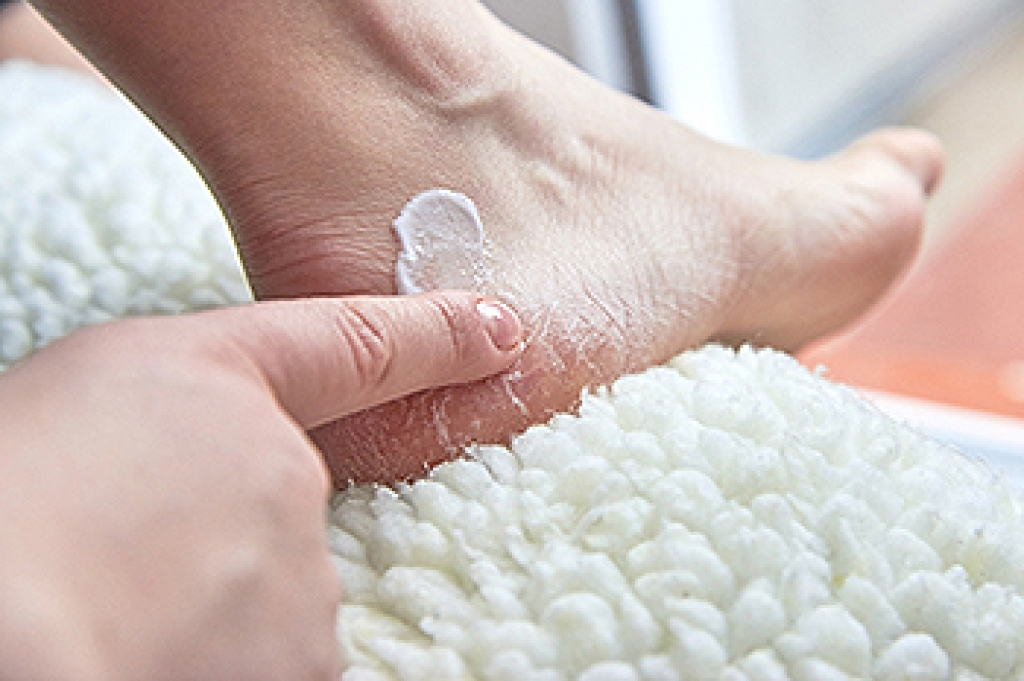
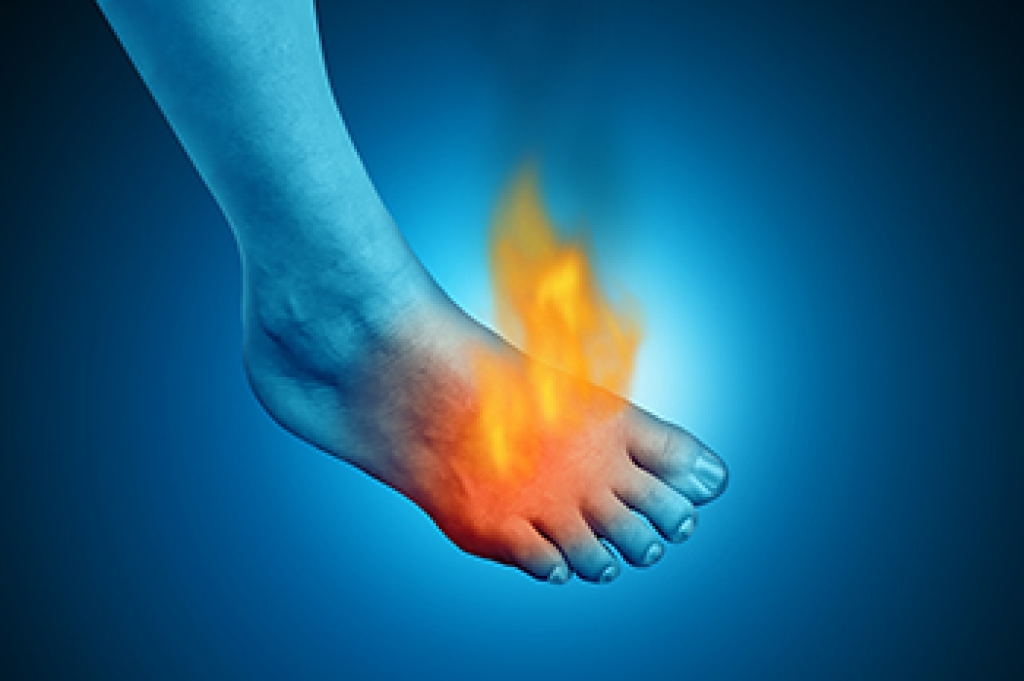
Read more about Foot Pain

Middle-Foot Pain Can Be a Lisfranc Fracture

A Lisfranc fracture is a break or injury to the bones and joints in the middle of the foot that support the arch and connect the forefoot to the rest of the foot. Because the symptoms can resemble a sprain, this injury is often overlooked. Pain in the mid-foot, swelling, and difficulty bearing weight are common signs. Bruising on the bottom of the foot may be present. A podiatrist can perform a detailed exam and order imaging tests, such as X-rays or advanced scans, to confirm the diagnosis. Early detection is important to prevent long-term joint damage and loss of stability. Treatment depends on the severity and may include immobilization, supportive devices, or surgery to restore proper alignment. Care focuses on protecting the arch and guiding recovery. If you have symptoms of a Lisfranc fracture, it is suggested that you schedule an appointment with a podiatrist for a diagnosis and appropriate treatment.

A broken foot requires immediate medical attention and treatment. If you need your feet checked, contact one of our podiatrists from Pennsylvania Foot & Ankle. Our doctors can provide the care you need to keep you pain-free and on your feet.

Broken Foot Causes, Symptoms, and Treatment

A broken foot is caused by one of the bones in the foot typically breaking when bended, crushed, or stretched beyond its natural capabilities. Usually the location of the fracture indicates how the break occurred, whether it was through an object, fall, or any other type of injury. 

Common Symptoms of Broken Feet:

  • Bruising
  • Pain
  • Redness
  • Swelling
  • Blue in color
  • Numbness
  • Cold
  • Misshapen
  • Cuts
  • Deformities

Those that suspect they have a broken foot shoot seek urgent medical attention where a medical professional could diagnose the severity.

Treatment for broken bones varies depending on the cause, severity and location. Some will require the use of splints, casts or crutches while others could even involve surgery to repair the broken bones. Personal care includes the use of ice and keeping the foot stabilized and elevated.

If you have any questions, please feel free to contact one of our offices located in Bensalem, Philadelphia, Northeast Philadelphia, Yardley, PA, and Hamilton, NJ . We offer the newest diagnostic and treatment technologies for all your foot care needs.

Read more about Causes, Symptoms, and Treatment for a Broken Foot

Are Bunions Affecting Your Everyday Life?

Have you noticed a bony protrusion on the side of your big toe? If so, you may have developed the foot condition known as a bunion. Don't let bunions interfere with your daily activities.

How Fibromyalgia Affects the Feet

Fibromyalgia is a chronic pain condition that can affect the feet and make movement difficult. Many people report sharp pain in the soles or tops of the feet. The pain can come and go. It may last for long periods and worsen with standing or walking. This foot pain can change the way a person walks and lead to strain in the ankles, knees, hips, and lower back. The cause of foot pain is not fully understood, but it may involve sensitive nerves and irritation of the plantar fascia, a band of tissue that supports the foot. A podiatrist can evaluate foot structure, check motion, and identify pressure points. Treatment plans include custom orthotics, which are shoe inserts designed to improve support and reduce strain, along with supportive devices and monitoring. If you have foot pain as a result of fibromyalgia, it is suggested that you make an appointment with a podiatrist for help.

When dealing with systemic disease of the feet, it is extremely important to check the affected areas routinely so that any additional problems are caught quickly.  If you have any concerns about your feet and ankles contact one of our podiatrists from Pennsylvania Foot & Ankle. Our doctors will assist you with all of your podiatric needs.

Systemic Diseases of the Feet

Systemic diseases affect the whole body, and symptoms usually are displayed in the feet. This condition can make a patient’s ability to walk unbearable.  Systemic diseases include gout, diabetes mellitus, neurological disorders, and arthritis.

Gout – is caused by an excess of uric acid in the body. Common symptoms include pain, inflammation, and redness at the metatarsal/phalangeal joint of the base big toe. Gout can be treated by NSAIDs to relieve pain and inflammation, and other drugs that lower the acid levels in the body.

Diabetes mellitus – is an increase in the level of blood sugar that the body cannot counteract with its own insulin. Failure to produce enough insulin is a factor in Diabetes.

Diabetes of the Feet

Diabetic Neuropathy – may lead to damaged nerves and affect the feet through numbness and loss of sensation.

Peripheral Vascular Disease – can restrict the blood flow to the feet, and often times lead to amputation of the feet. 

If you have any questions please contact one of our offices located in Bensalem, Philadelphia, Northeast Philadelphia, Yardley, PA, and Hamilton, NJ . We offer the newest diagnostic and treatment technologies for all your foot and ankle needs.

Read more about Systemic Diseases of the Foot

Understanding Chronic Tophaceous Gout

Chronic tophaceous gout is an advanced form of gout that develops when uric acid builds up in the body. The result is hard deposits, called tophi, that form around joints and soft tissues. Uric acid is a natural waste product, but high levels can lead to crystal formation that triggers inflammation, causing swelling, warmth, and severe pain. Over time, these deposits may grow and cause joint damage, stiffness, and reduced movement. They can also press on nearby nerves and affect walking. A podiatrist can diagnose chronic tophaceous gout through imaging or fluid testing, which identifies uric acid crystals. Treatment options include medication to lower uric acid levels and reduce inflammation, as well as care to protect the joints and prevent further damage. In severe cases, surgery may be needed to remove large tophi. If you are experiencing severe pain from gout, it is suggested that you make an appointment with a podiatrist for treatment.

Gout is a foot condition that requires certain treatment and care. If you are seeking treatment, contact one of our podiatrists from Pennsylvania Foot & Ankle. Our doctors will treat your foot and ankle needs.

What Is Gout?

Gout is a type of arthritis caused by a buildup of uric acid in the bloodstream. It often develops in the foot, especially the big toe area, although it can manifest in other parts of the body as well. Gout can make walking and standing very painful and is especially common in diabetics and the obese.

People typically get gout because of a poor diet. Genetic predisposition is also a factor. The children of parents who have had gout frequently have a chance of developing it themselves.

Gout can easily be identified by redness and inflammation of the big toe and the surrounding areas of the foot. Other symptoms include extreme fatigue, joint pain, and running high fevers. Sometimes corticosteroid drugs can be prescribed to treat gout, but the best way to combat this disease is to get more exercise and eat a better diet.

If you have any questions, please feel free to contact one of our offices located in Bensalem, Philadelphia, Northeast Philadelphia, Yardley, PA, and Hamilton, NJ . We offer the newest diagnostic and treatment technologies for all your foot care needs.

Read more about Gout

Connect With Us